Walk into any dispensary—or scroll through a site like Binoid CBD—and it’s immediately clear: cannabis isn’t just cannabis anymore. The old-school question of “indica or sativa?” has evolved into something much more nuanced. Now it’s about cannabinoids—Delta 9, CBD, THCA, and a whole spectrum of hemp derived cannabinoids that each deliver a completely different experience.
Two of the most talked-about compounds today sit on opposite ends of the spectrum: Delta 9 THC and CBD. One is the classic, psychoactive compound that’s defined cannabis culture for decades. The other is the calm, non-intoxicating cannabinoid that’s taken wellness circles by storm.
But the real question isn’t just what they are—it’s how they compare, how they feel, and how they fit into your lifestyle. Whether you’re trying to unwind after a long day, stay functional while taking the edge off, or explore the evolving world of cannabis, understanding Delta 9 vs. CBD is essential.
This isn’t a surface-level breakdown. Think of this as a deep dive into how these cannabinoids actually work, how they feel in real life, and how to choose the right one depending on the vibe you’re going for.
To Buy Delta 9 THC Products Click Here
Recommended products
-
13,000mg Good Luck Gummies
$47.99$79.99 -
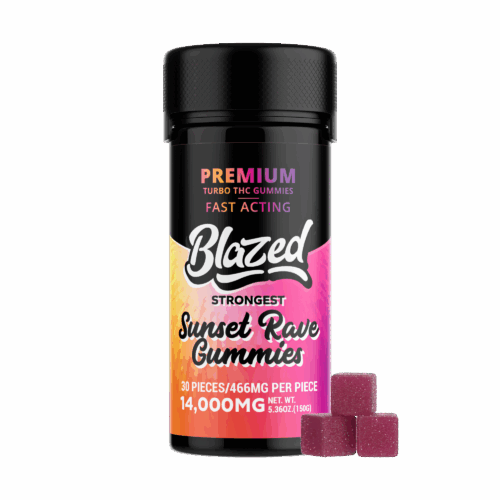
14,000MG Turbo THC Gummies – Blazed
$49.99$84.99 -
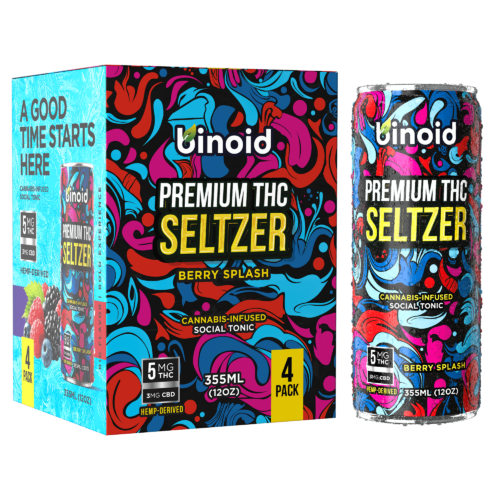
THC Seltzer – Good Vibes Cannabis Drink (4 Pack)
$19.99$29.99

The Foundation: What Is Delta 9 THC?
Delta 9 THC is the compound most people associate with cannabis. It’s the reason weed gets you high, and it’s been at the center of cannabis culture for generations. When people talk about feeling euphoric, giggly, relaxed, or creatively inspired after smoking, they’re talking about Delta 9.
From a scientific standpoint, Delta 9 works by binding directly to CB1 receptors in the brain. These receptors are part of the body’s endocannabinoid system, which regulates mood, appetite, memory, and more. When Delta 9 activates those receptors, it creates the psychoactive effects that define the cannabis experience.
What’s interesting is how Delta 9 has adapted in the modern era of hemp derived cannabinoids. Thanks to evolving regulations, hemp-derived Delta 9 products—like edibles and tinctures—are now widely available, provided they stay under the 0.3% THC threshold by dry weight.
This shift has allowed brands like Binoid CBD to bring Delta 9 into a more accessible space, where users can enjoy its effects without necessarily stepping into traditional dispensary territory.
Still, Delta 9 remains the benchmark. Every other cannabinoid is, in some way, compared to it.
CBD Explained: The Calm Counterpart
CBD, or cannabidiol, is often described as the opposite of Delta 9—and in many ways, that’s accurate. While Delta 9 is known for its intoxicating effects, CBD is non-psychoactive. It doesn’t get you high. Instead, it interacts with the endocannabinoid system in a more subtle way, influencing receptors without directly binding to them.
The result is a compound that promotes relaxation, balance, and overall wellness without altering your mental state in a dramatic way. People turn to CBD for a wide range of reasons, from managing stress to improving sleep to easing physical discomfort.
But calling CBD “mild” doesn’t quite capture its impact. It’s not about intensity—it’s about stability. CBD smooths things out. It takes the edge off without taking you out of the moment.
This is part of why CBD has become such a major player in the cannabis culture evolution. It’s expanded the audience for cannabis beyond traditional smokers, bringing in people who might not be interested in getting high but still want to experience the plant’s benefits.
Delta 9 vs. CBD: The Core Difference
At the most basic level, the difference between Delta 9 and CBD comes down to psychoactivity.
Delta 9 changes your state of mind. It can elevate your mood, distort your perception of time, and create a sense of euphoria or deep relaxation. Depending on the dose and your tolerance, it can also lead to anxiety or mental fog.
CBD, on the other hand, keeps you grounded. It doesn’t alter your perception or create a “high.” Instead, it works in the background, helping your body maintain balance.
But the distinction goes deeper than that. Delta 9 is often about experience—how you feel in the moment. CBD is more about support—how your body feels overall.
This difference shapes everything from how these cannabinoids are used to who they appeal to.
How They Feel: Real-World Effects Compared
Describing cannabinoids in clinical terms only goes so far. What really matters is how they feel.
Delta 9 is dynamic. It can be uplifting, introspective, or deeply relaxing depending on the strain and dosage. It’s the cannabinoid you reach for when you want to change your state—whether that means enhancing music, food, conversation, or just zoning out after a long day.
CBD is steady. It’s the cannabinoid you take when you want to feel like yourself, just a little more at ease. It doesn’t demand your attention or shift your perspective. Instead, it quietly reduces tension, both mental and physical.
For some people, this makes CBD feel almost invisible at first. But over time, its effects become more noticeable in how you handle stress, how you sleep, and how your body feels throughout the day.
The choice between the two often comes down to intention. Are you trying to elevate your experience, or stabilize it?
The Entourage Effect: Why Some People Use Both
One of the most interesting aspects of cannabis is how different cannabinoids interact with each other. This phenomenon, known as the entourage effect, suggests that cannabinoids work better together than in isolation.
When Delta 9 and CBD are combined, CBD can actually moderate some of Delta 9’s more intense effects. It can reduce anxiety, smooth out the high, and create a more balanced experience overall.
This is why many products—especially those from brands like Binoid CBD—feature blends of cannabinoids rather than a single compound. By combining Delta 9 with CBD, or even incorporating elements from THCA products, these formulations aim to deliver a more nuanced experience.
For users who enjoy the effects of Delta 9 but want to avoid feeling overwhelmed, adding CBD into the mix can make a noticeable difference.
Recommended products
-
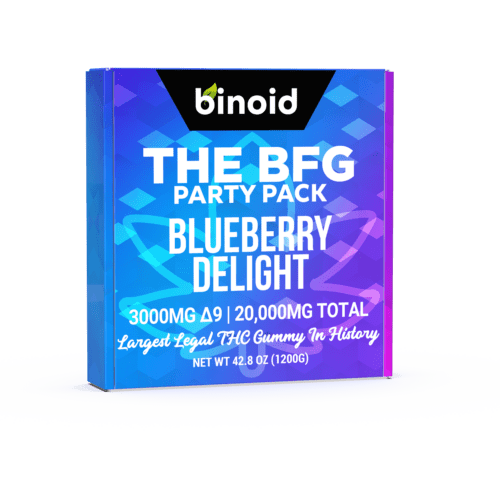
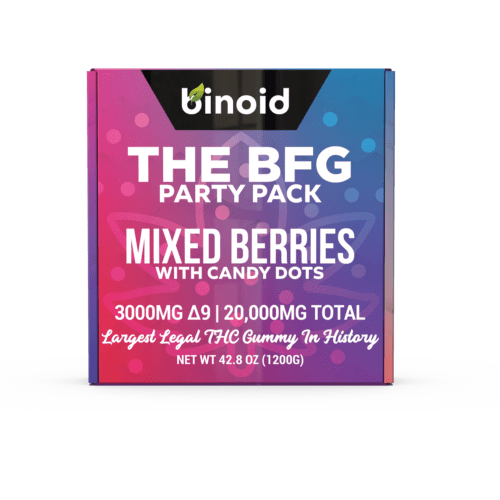
The BFG – 3000mg Delta 9 THC Gummy
$128.99$239.99 -
The BFG w/Candy Dots – 3000mg Largest Legal Gummy
$129.99$239.99 -
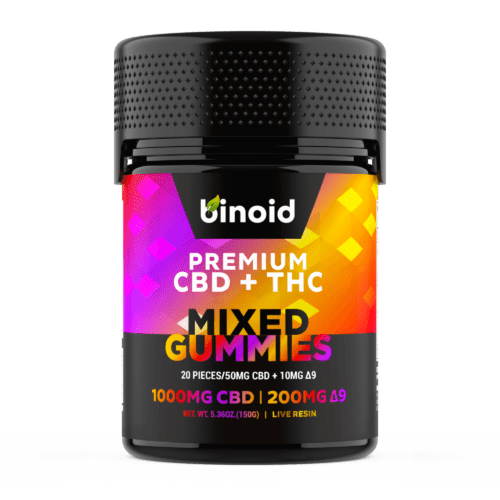
Delta 9 THC Gummies
$30.99$54.99
Edibles, Tinctures, and Vapes: How Consumption Changes Everything
The way you consume Delta 9 or CBD has a huge impact on how it feels.
Delta 9 edibles are known for their intensity and duration. Because they’re metabolized in the liver, they produce a stronger, longer-lasting effect that can take anywhere from 30 minutes to two hours to kick in. Once they do, the experience can last for several hours.
CBD edibles follow a similar timeline, but without the psychoactive component. They’re ideal for sustained relief and are often used as part of a daily routine.
Vaping offers a completely different experience. Both Delta 9 and CBD vapes provide near-instant effects, allowing for more precise control over dosage. This makes them a popular choice for users who want to fine-tune their experience in real time.
Tinctures sit somewhere in between, offering relatively fast absorption and flexible dosing. They’re especially popular among users who want consistency without the variability of edibles.
The format you choose can shape not just how strong the effects are, but how they fit into your day.
Tolerance, Dosage, and Finding Your Sweet Spot
One of the biggest differences between Delta 9 and CBD is how tolerance develops.
With Delta 9, regular use can lead to increased tolerance, meaning you’ll need higher doses to achieve the same effects over time. This is something experienced users are often familiar with, and it’s part of why some people rotate between different cannabinoids.
CBD doesn’t work the same way. While your body can adapt to it, the concept of tolerance is less pronounced. Many users find that a consistent dose continues to provide the same benefits over time.
Finding the right dosage for either cannabinoid is a personal process. Factors like body weight, metabolism, and individual sensitivity all play a role. Starting low and gradually increasing is always the best approach, especially with Delta 9.
Legal Landscape: Why CBD Went Mainstream First
CBD’s rise to popularity wasn’t just about its effects—it was also about legality. Because it’s non-psychoactive and derived from hemp, CBD quickly became widely accepted and available across the United States.
Delta 9, even in its hemp-derived form, exists in a more complicated legal space. While federally legal under certain conditions, state laws can vary, creating a patchwork of regulations that can be confusing for consumers.
This difference in accessibility played a major role in shaping public perception. CBD became associated with wellness and everyday use, while Delta 9 retained its identity as a recreational substance.
However, as hemp derived cannabinoids continue to gain traction, that distinction is starting to blur.
CBD, Delta 9, and the Rise of THCA Products
No conversation about modern cannabinoids is complete without mentioning THCA products. THCA, the precursor to THC, is non-psychoactive in its raw form but converts to Delta 9 when heated.
This has opened up new possibilities for consumers, allowing them to explore different forms of cannabis depending on how they use it. Raw THCA products offer potential benefits without intoxication, while heated forms deliver a Delta 9-like experience.
The inclusion of THCA in the broader conversation highlights just how far the cannabis industry has come. It’s no longer about a single compound—it’s about a spectrum of options that can be tailored to individual needs.
Lifestyle Fit: When to Choose Delta 9 vs. CBD
Choosing between Delta 9 and CBD often comes down to timing and context.
Delta 9 is typically reserved for moments when you can fully embrace the experience. Evenings, weekends, social settings, or creative sessions are all common scenarios where Delta 9 shines.
CBD, on the other hand, fits seamlessly into everyday life. It’s something you can take before work, during a stressful day, or as part of a nighttime routine without disrupting your ability to function.
This distinction makes it easier to incorporate both into your routine. You don’t have to choose one over the other—you can use each where it makes the most sense.
Recommended products
-
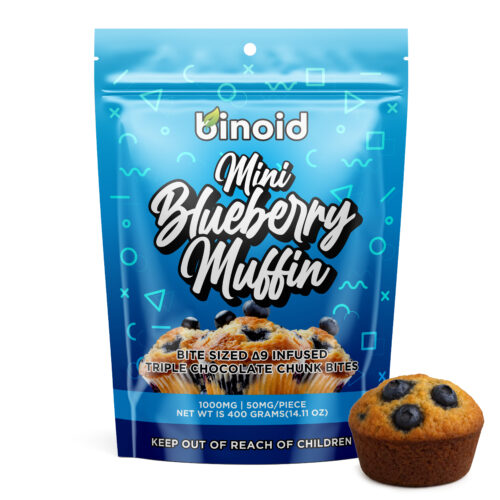
Delta 9 Mini Blueberry Muffin Bites – 1000MG (Limited Supply)
$34.99$39.99 -
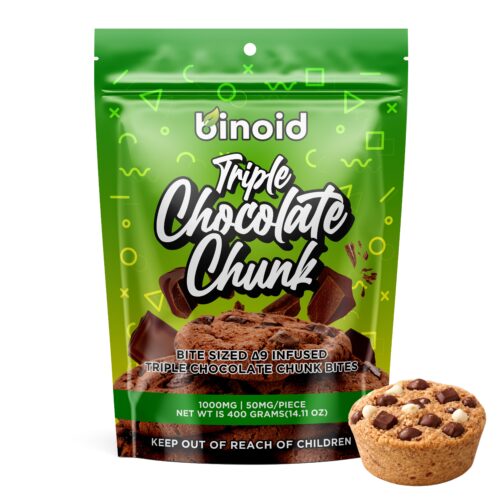
Delta 9 Mini Triple Chocolate Chunk Bites – 1000MG (Limited Supply)
$34.99$39.99 -
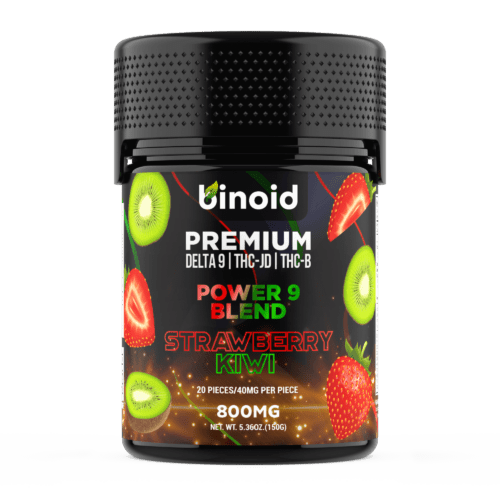
Power 9 Blend Gummies
$36.99$59.99 -
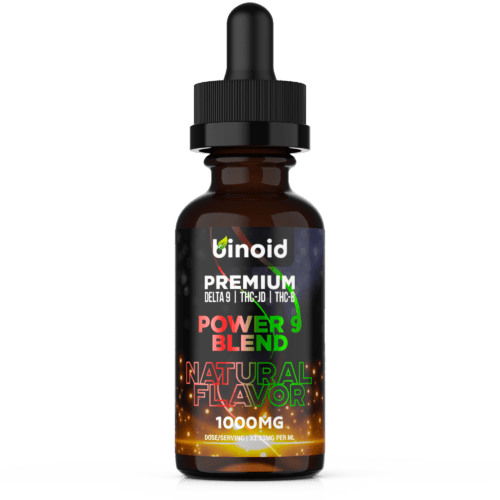
Power 9 Blend Tincture – 1000mg
$34.99$59.99
The Cultural Shift: From Getting High to Getting Intentional
The comparison between Delta 9 and CBD reflects a larger shift in cannabis culture. It’s no longer just about getting high—it’s about getting intentional.
Consumers today are more informed, more selective, and more interested in how cannabis fits into their lives. They’re exploring hemp derived cannabinoids not just for recreation, but for balance, creativity, and overall well-being.
Brands like Binoid CBD are at the forefront of this shift, offering a wide range of products that cater to different preferences and goals. Whether it’s Delta 9 edibles, CBD tinctures, or innovative blends that incorporate THCA products, the focus is on choice and customization.
This evolution has transformed cannabis from a one-dimensional experience into something much more versatile.
Final Thoughts: Two Cannabinoids, Two Completely Different Vibes
Delta 9 and CBD aren’t competitors—they’re complements. Each offers something unique, and understanding their differences allows you to use them more effectively.
Delta 9 is about elevation. It changes your perspective, enhances your senses, and creates memorable experiences. It’s bold, dynamic, and deeply rooted in cannabis tradition.
CBD is about balance. It supports your body, eases your mind, and helps you navigate daily life with a little more ease. It’s subtle, consistent, and perfectly suited to modern wellness.
In a world where cannabis options are expanding faster than ever, the real advantage isn’t choosing one over the other—it’s knowing when and how to use each.
That’s the essence of today’s cannabis culture evolution: not just more options, but better choices.
To Buy CBD Products Click Here
Recommended products
-
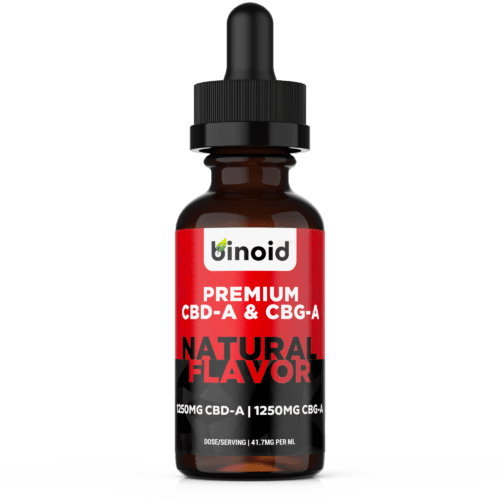
CBDA and CBGA Immunity Tincture – 2500mg
$33.99$79.99 -
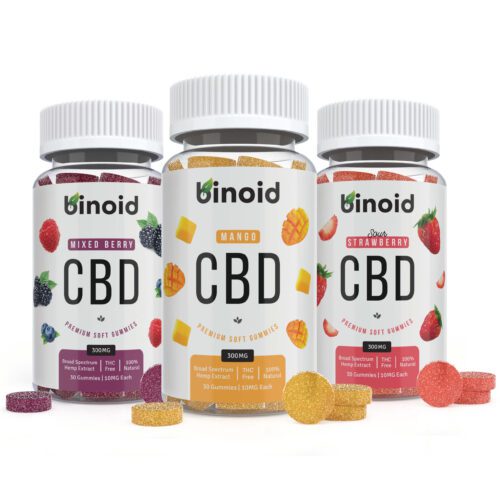
CBD Gummies
$26.99$49.99 -
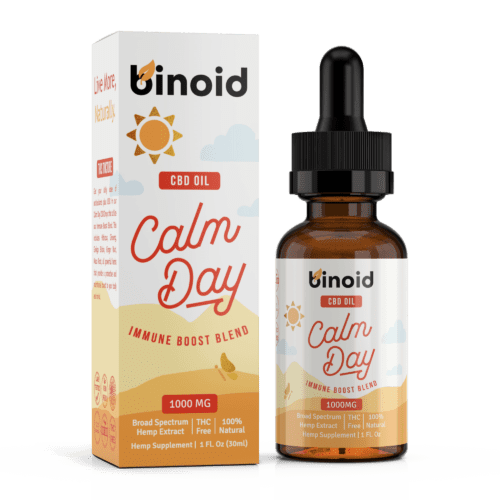
Binoid Calm Day CBD Oil – Immune Boost
$28.99$64.99 -
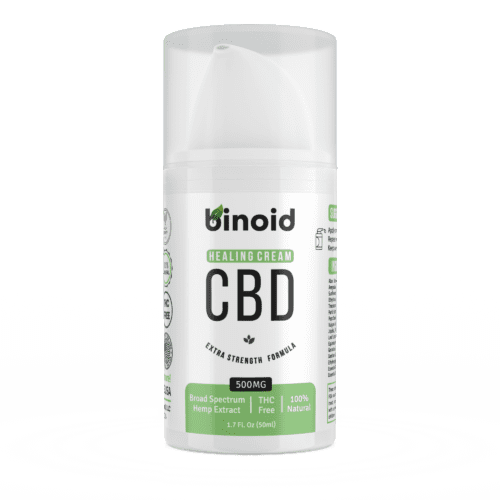
Binoid Healing Cream – Extra Strength
$39.99$74.99