There was a time when cannabis was simple. You either smoked it or you didn’t. The experience was defined by whatever strain you could get your hands on, and the conversation rarely went deeper than “this one hits” or “this one doesn’t.” Fast forward to today, and the landscape looks completely different. Cannabis has evolved into a highly personalized experience, shaped by science, legality, and a growing demand for control over how we feel.
At the center of this shift are two cannabinoids that continue to dominate the conversation: Delta 9 THC and Delta 8 THC. One is the original, the backbone of the classic cannabis high that has defined generations. The other is a newer, hemp-derived alternative that offers a smoother, more controlled experience. Together, they represent two sides of the same coin, each catering to a different kind of user in this new era of hemp derived cannabinoids.
Understanding the difference between Delta 9 and Delta 8 is not just about potency. It is about intention. It is about choosing how you want your high to unfold, how it fits into your day, and how it aligns with the ongoing cannabis culture evolution that is reshaping everything we thought we knew about getting lifted.
To Buy Delta 8 THC Products Click Here
Recommended products
-
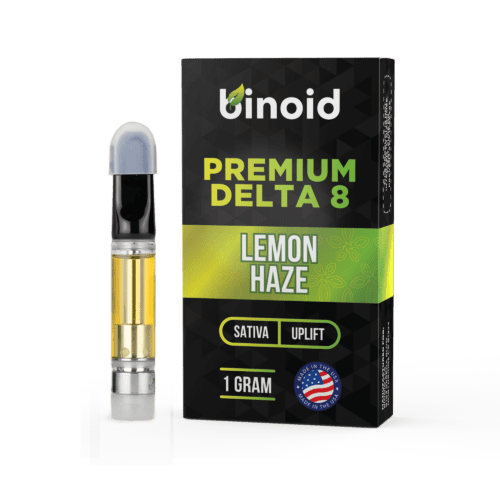
Delta 8 THC Vape Cartridge
$26.99$39.99 -
13,000mg Good Luck Gummies
$47.99$79.99 -
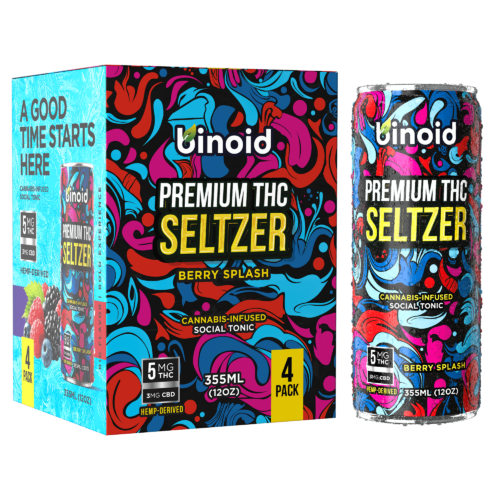
THC Seltzer – Good Vibes Cannabis Drink (4 Pack)
$19.99$29.99 -
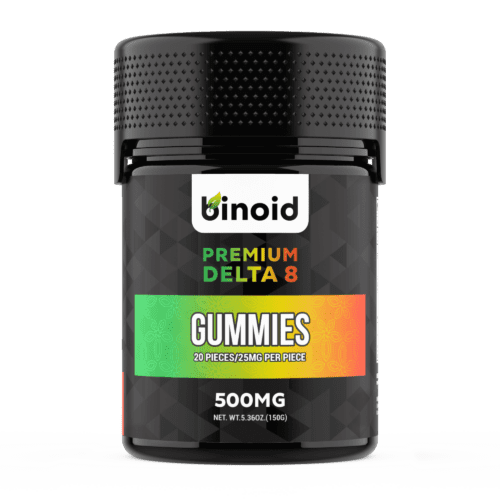
Delta 8 THC Gummies
$29.99$44.99

The Foundation: What Is Delta 9 THC?
Delta 9 THC is the cannabinoid most people think of when they hear the word cannabis. It is the primary psychoactive compound found in marijuana and has been responsible for the plant’s effects for thousands of years. From the counterculture movements of the past to the modern dispensary boom, Delta 9 has always been at the center of the experience.
When consumed, Delta 9 interacts with the body’s endocannabinoid system, specifically binding to CB1 receptors in the brain. This interaction produces the familiar effects of euphoria, relaxation, altered perception, and heightened sensory awareness. Depending on the dose and the individual, it can also bring about introspection, creativity, or, in some cases, anxiety.
Traditionally, Delta 9 has been consumed through smoking or vaping cannabis flower. However, the rise of edibles, tinctures, and concentrates has expanded the ways in which people can experience it. Even within the hemp space, Delta 9 has found a place, thanks to formulations that remain compliant with federal regulations by keeping THC content below legal thresholds.
Brands like Binoid CBD have embraced this shift, offering hemp-derived Delta 9 products that deliver the classic experience while staying within the boundaries of the law.
Enter Delta 8: The Modern Alternative
Delta 8 THC is often described as Delta 9’s more relaxed counterpart. While it shares a nearly identical molecular structure, the slight difference in its chemical makeup leads to a noticeably different effect profile.
Derived primarily from hemp-based CBD, Delta 8 exists in a legal gray area that has allowed it to flourish in markets where traditional cannabis remains restricted. This accessibility has played a major role in its rise, but its appeal goes beyond legality.
The experience of Delta 8 is typically smoother and less intense than Delta 9. Users often report a gentle euphoria paired with a sense of calm and mental clarity. It is the kind of high that enhances rather than overwhelms, making it a popular choice for those who want to stay functional while still enjoying the benefits of cannabis.
From gummies and vape cartridges to tinctures and disposables, Delta 8 products have become a staple in the world of hemp derived cannabinoids. Companies like Binoid CBD have pushed the category forward with innovative offerings that cater to a wide range of preferences and tolerance levels.
Delta 9 vs Delta 8: Breaking Down the Differences
At a glance, Delta 9 and Delta 8 might seem interchangeable. After all, they are both forms of THC, and both can produce psychoactive effects. But the differences become clear the moment you experience them side by side.
Delta 9 is more potent. Its effects are stronger, faster-acting, and often more immersive. It can take you out of your head and into a different state entirely, which is exactly what many users are looking for. However, this intensity can also be a downside for those who are sensitive to THC or prone to anxiety.
Delta 8, by contrast, offers a more controlled experience. It tends to produce a milder high that is easier to manage, with less risk of overwhelming effects. This makes it an attractive option for beginners or for situations where you need to stay grounded.
The difference is not just in strength but in character. Delta 9 can feel dynamic and sometimes unpredictable, while Delta 8 is often described as consistent and reliable.
The Experience: How Each One Feels
Describing a cannabis experience is always subjective, but there are some common themes that emerge when comparing Delta 9 and Delta 8.
Delta 9 delivers what many consider the “full” cannabis experience. The onset can be quick, especially when smoked or vaped, and the effects tend to build into a powerful combination of mental and physical sensations. Colors may seem brighter, music more immersive, and thoughts more expansive. For some, this is where creativity and introspection thrive.
However, Delta 9 can also be intense. Higher doses may lead to racing thoughts or heightened anxiety, particularly for those with lower tolerance.
Delta 8 takes a different approach. The onset is often gentler, and the effects build more gradually. The high is typically described as clear-headed and relaxing, with a subtle euphoria that enhances mood without dominating it. It is less likely to interfere with focus or productivity, making it a favorite for daytime use.
In many ways, Delta 8 feels like a toned-down version of Delta 9, offering the benefits without the edge.
Recommended products
-
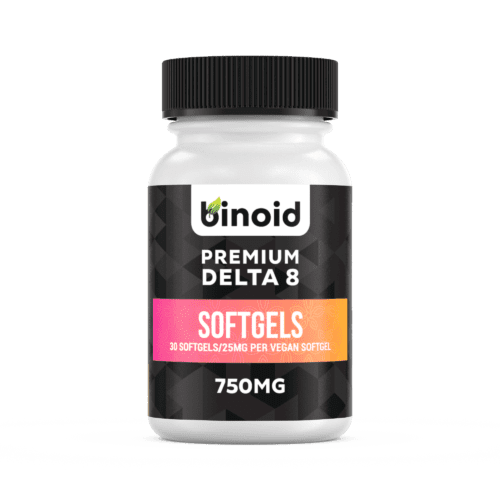
Delta 8 THC Capsules 750MG
$31.99$69.99 -
Delta 8 THC Tincture (1000mg, 2500mg, 5000mg)
$25.99$44.99 -
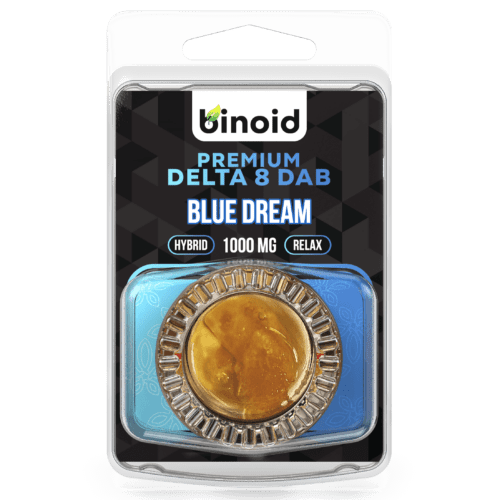
Delta 8 THC Wax Dabs
$25.99$44.99 -
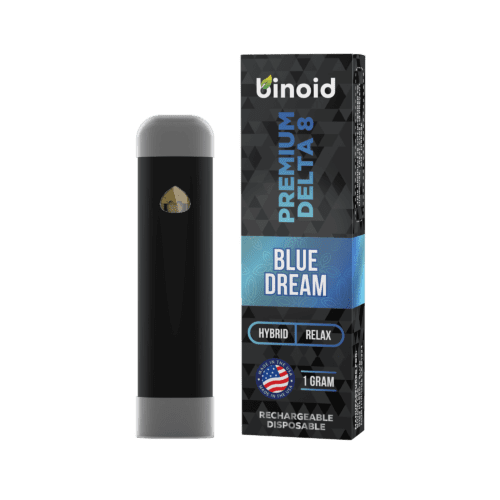
Delta 8 THC Rechargeable Disposable Vape
$26.99$54.99
Where THCA Products Fit Into the Picture
No discussion of Delta 9 vs Delta 8 would be complete without mentioning THCA products. THCA, or tetrahydrocannabinolic acid, is the precursor to Delta 9 THC. When heated, it converts into Delta 9, delivering the same classic effects.
THCA products have gained popularity as a way to access the traditional cannabis experience through hemp. When smoked or vaped, they provide a high that is nearly indistinguishable from conventional marijuana.
Compared to Delta 8, THCA offers greater potency and a more authentic flavor profile, thanks to its natural terpene content. Compared to Delta 9, it provides a legal workaround that has become increasingly appealing in regions with stricter cannabis laws.
For many users, THCA acts as a bridge between the worlds of hemp and cannabis, further highlighting the ongoing cannabis culture evolution.
THC-P and the Expanding Spectrum
As the cannabinoid market continues to grow, compounds like THC-P are adding new layers to the conversation. Known for its extreme potency, THC-P represents the far end of the spectrum, offering effects that can surpass even Delta 9.
While not directly comparable to Delta 8 in terms of intensity, THC-P is often used in combination with other cannabinoids to enhance their effects. For example, a Delta 8 product infused with THC-P can deliver a stronger, more complex experience without fully stepping into the intensity of pure Delta 9.
This blending of cannabinoids reflects a broader trend toward customization, where users can fine-tune their experience based on their preferences and tolerance.
Product Formats and Consumption Styles
The way you consume Delta 9 and Delta 8 plays a significant role in how they affect you.
Delta 9 is commonly found in flower, edibles, and concentrates. Smoking or vaping provides a fast onset, while edibles offer a slower, longer-lasting experience. Each method comes with its own nuances, allowing users to choose what works best for them.
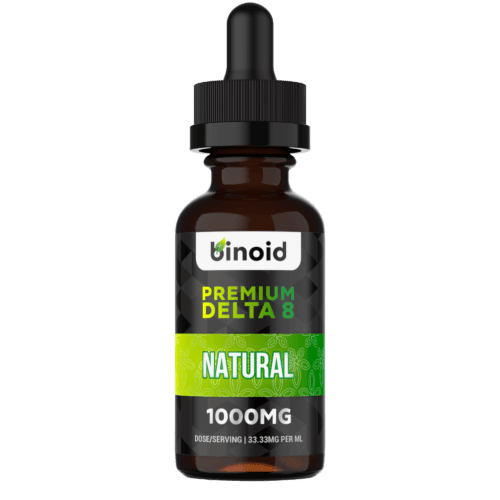
Delta 8 excels in versatility. Gummies are one of the most popular options, offering precise dosing and consistent effects. Vape cartridges provide immediate feedback, making it easier to control your intake. Tinctures offer flexibility, allowing you to adjust your dose with precision.
Brands like Binoid CBD have embraced this variety, creating products that cater to different lifestyles and preferences. Whether you are looking for a quick hit or a long-lasting experience, there is likely a format that fits your needs.
Tolerance and Personal Preference
Choosing between Delta 9 and Delta 8 often comes down to tolerance and personal preference.
For beginners, Delta 8 is usually the safer starting point. Its milder effects make it easier to understand how your body reacts to THC without the risk of going too far too quickly.
For experienced users, Delta 9 offers a more robust and satisfying experience. It delivers the intensity and depth that seasoned smokers often seek.
That said, many people find value in using both. Delta 8 can be a daytime option, providing a light, functional high, while Delta 9 can be reserved for evenings or moments when you want to fully unwind.
Flavor, Terpenes, and the Full Experience
Flavor is an often-overlooked aspect of cannabis, but it plays a significant role in the overall experience.
Delta 9 flower and THCA products tend to have richer, more complex terpene profiles, offering a wide range of flavors and aromas. This adds depth to the experience, making each session unique.
Delta 8 products, particularly vapes and edibles, often feature added terpenes to enhance flavor. While they may not match the complexity of raw flower, they offer consistency and variety that many users appreciate.
The choice between the two often comes down to whether you prioritize authenticity or convenience.
Safety, Legality, and Quality
As with any cannabis product, safety and quality should always be a priority. Delta 9 remains heavily regulated, with legality varying by state. Hemp-derived Delta 9 products have created a legal pathway, but it is important to ensure that they comply with local laws. Delta 8 exists in a more complex legal landscape, with some states restricting or banning its sale. This makes it essential to stay informed about regulations in your area.
Quality is equally important. Look for products that have been third-party tested and come from reputable brands. Binoid CBD is known for its commitment to transparency and consistency, making it a reliable choice for both Delta 9 and Delta 8 products.
Recommended products
-
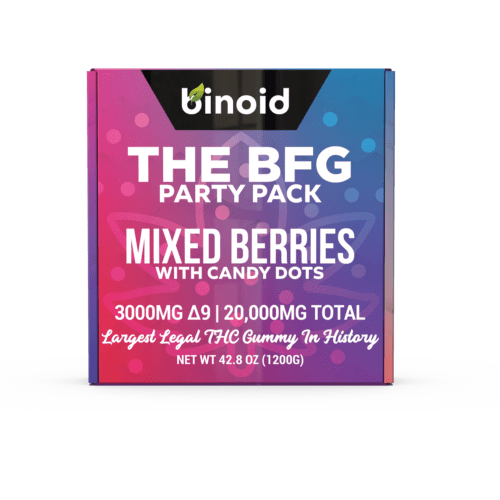
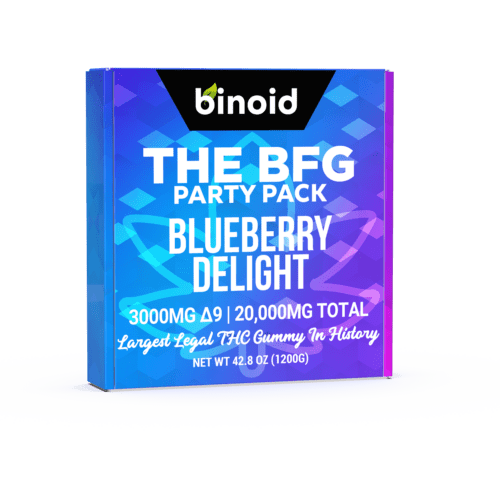
The BFG – 3000mg Delta 9 THC Gummy
$128.99$239.99 -
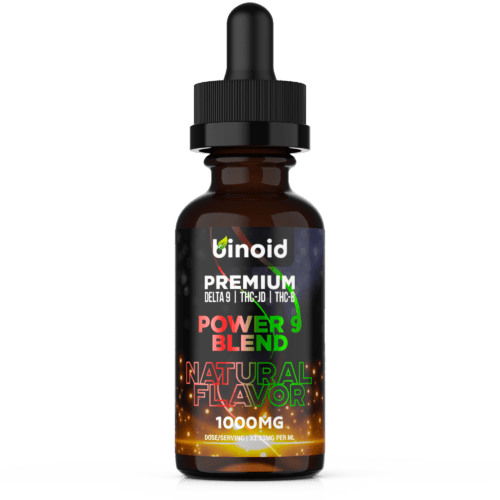
Power 9 Blend Tincture – 1000mg
$34.99$59.99 -
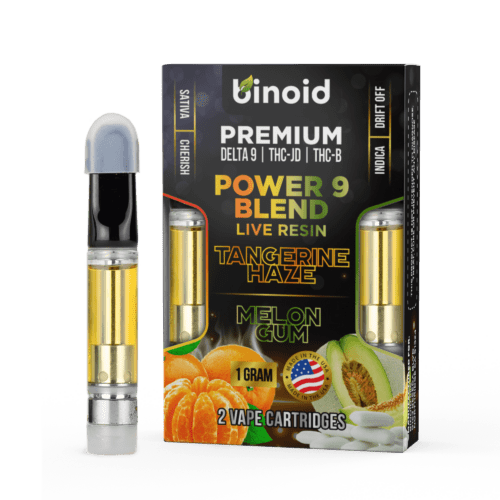
Power 9 Blend Live Resin Cartridge – 2 Pack Combo (Limited Time Sale)
$40.99$89.99 -
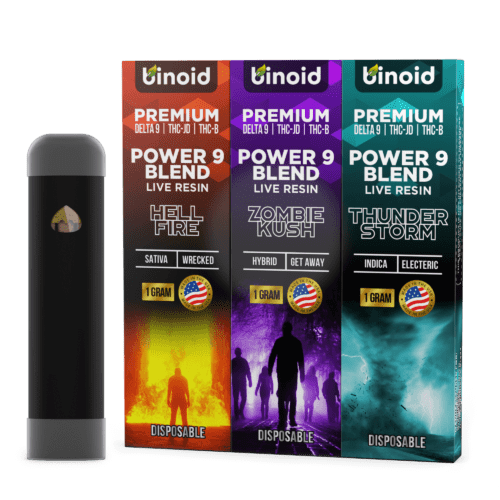
Power 9 Blend Live Resin Disposable – 3 Pack Combo
$60.99$89.99
Cannabis Culture Evolution: Why This Comparison Matters
The rise of Delta 8 alongside Delta 9 is a clear sign of how cannabis culture is evolving. Consumers are no longer limited to a single experience. They have options, and those options are becoming increasingly refined.
This shift is driven by a desire for control. People want to choose how they feel, when they feel it, and how intense that feeling is. Whether it is through Delta 8, Delta 9, THCA products, or even THC-P, the modern cannabis user is more informed and more intentional than ever before.
Brands like Binoid CBD are at the forefront of this movement, offering products that reflect this new level of sophistication and choice.
Final Thoughts: Finding Your Balance
Delta 9 and Delta 8 are not competitors in the traditional sense. They are tools, each designed to deliver a different kind of experience.
Delta 9 is bold, powerful, and deeply rooted in cannabis history. It offers the full spectrum of effects that have defined the plant for generations.
Delta 8 is smooth, accessible, and adaptable. It represents the future of hemp derived cannabinoids, where customization and control take center stage.
The real question is not which one is better, but which one fits your vibe. Whether you are chasing a classic high or looking for a more relaxed ride, the choice is yours.
And in today’s cannabis landscape, having that choice is everything.
To Buy Delta 9 THC Products Click Here
Recommended products
-
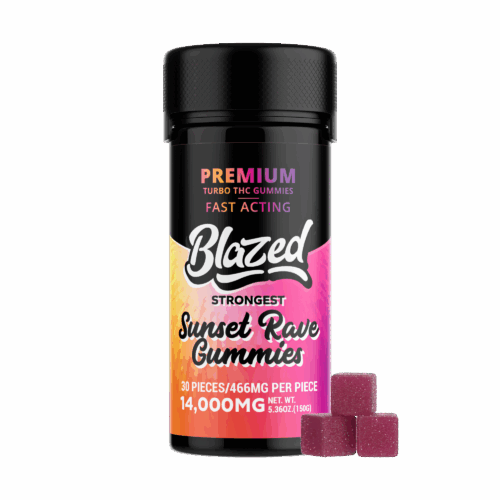
14,000MG Turbo THC Gummies – Blazed
$49.99$84.99 -
The BFG w/Candy Dots – 3000mg Largest Legal Gummy
$129.99$239.99 -
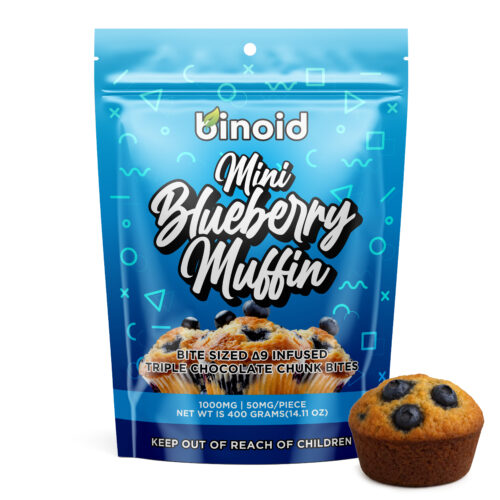
Delta 9 Mini Blueberry Muffin Bites – 1000MG (Limited Supply)
$34.99$39.99