Cannabis has come a long way from the days of simple flower and a lighter. Today, the shelves—both online and in-store—are packed with a wide spectrum of hemp derived cannabinoids that didn’t exist in the mainstream conversation even just a few years ago. From Delta 8 to THC-P to the rising popularity of THCA products, the modern smoker has more options than ever before. But with that variety comes a real question: what actually works best for you?
Two cannabinoids that are constantly being compared right now are Delta 9 THC and HHC. One is the classic, the original compound responsible for the traditional cannabis high. The other is a newer, semi-synthetic cannabinoid that’s quickly carving out its own lane thanks to its unique effects and legal positioning. If you’ve been browsing products on sites like Binoid CBD or hearing about HHC from friends, you’ve probably wondered how it stacks up against the OG.
This guide breaks it all down in a way that actually makes sense—no lab coat required. Whether you’re a seasoned smoker or just getting into hemp-derived products, understanding the differences between Delta 9 and HHC is key to dialing in your perfect experience.
To Buy Delta 9 THC Products Click Here
Recommended products
-
13,000mg Good Luck Gummies
$47.99$79.99 -
14,000MG Turbo THC Gummies – Blazed
$49.99$84.99 -
THC Seltzer – Good Vibes Cannabis Drink (4 Pack)
$19.99$29.99

Understanding the Basics: What Is Delta 9 THC?
Delta 9 tetrahydrocannabinol—better known as Delta 9 THC—is the primary psychoactive compound found in cannabis. It’s what people have been smoking, eating, and enjoying for generations. When you think of the classic cannabis high, you’re thinking of Delta 9.
This cannabinoid works by interacting directly with the body’s endocannabinoid system, specifically binding to CB1 receptors in the brain. That interaction is what produces the familiar effects: euphoria, relaxation, altered perception of time, increased appetite, and sometimes a bit of couch-lock depending on the strain and dosage.
In the context of hemp derived cannabinoids, Delta 9 has taken on a slightly different identity. Thanks to the 2018 Farm Bill, hemp-derived Delta 9 products are federally legal as long as they contain less than 0.3% Delta 9 THC by dry weight. This has opened the door for brands like Binoid CBD to create edibles, tinctures, and even beverages that deliver a legal Delta 9 experience without crossing into traditional cannabis regulations in certain states.
The key thing to understand is that Delta 9 is still the benchmark. Every new cannabinoid is compared to it in terms of potency, effects, and overall experience.
What Is HHC and Why Is Everyone Talking About It?
HHC, or hexahydrocannabinol, is one of the newer cannabinoids to hit the scene, and it’s gained traction fast. Unlike Delta 9, HHC doesn’t occur in large quantities naturally. Instead, it’s typically created through a process called hydrogenation, where hydrogen atoms are added to THC molecules. This process alters the chemical structure just enough to create a different compound with its own set of effects.
The result is a cannabinoid that feels familiar but not identical. Many users describe HHC as sitting somewhere between Delta 8 and Delta 9 in terms of potency, but with its own unique twist. It often produces a clear-headed high with less anxiety and a smoother overall ride.
One of the reasons HHC has exploded in popularity is its legal gray area. Because it’s derived from hemp and not explicitly listed in many regulations, it’s widely available in places where traditional cannabis products might not be. This has made it a go-to option for people looking to explore beyond Delta 8 without jumping straight into stronger compounds like THC-P.
Delta 9 vs. HHC: Potency and Effects
When it comes to choosing between Delta 9 and HHC, the first thing most people want to know is simple: which one gets you higher?
The answer isn’t completely straightforward, but generally speaking, Delta 9 THC is more potent. It binds strongly to CB1 receptors, delivering a more intense and sometimes overwhelming experience, especially for newer users or those sensitive to THC.
HHC, on the other hand, tends to be a bit milder. That doesn’t mean it’s weak—it can absolutely get you high—but the experience is often described as more balanced. Users report a combination of mental clarity and physical relaxation without the heavy sedation or anxiety that can sometimes come with high doses of Delta 9.
In practical terms, this means Delta 9 is often preferred by experienced smokers looking for a strong, classic high, while HHC appeals to those who want something smoother and more manageable. If you’ve ever had a Delta 9 experience that felt a little too intense, HHC might feel like a breath of fresh air.
Recommended products
-
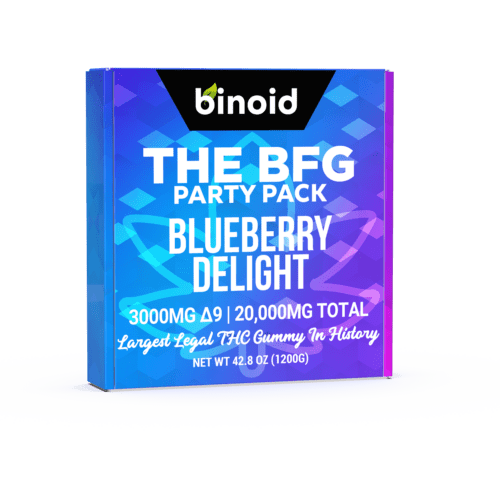
The BFG – 3000mg Delta 9 THC Gummy
$128.99$239.99 -
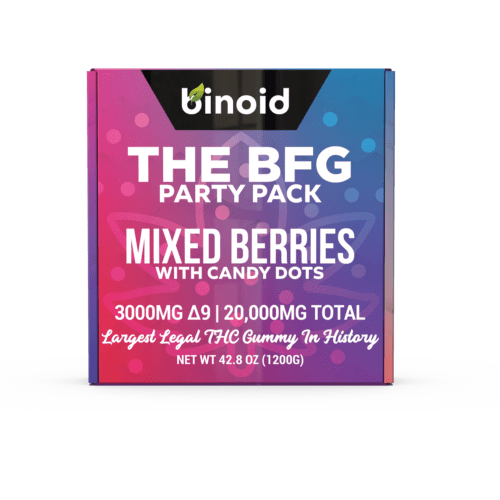
The BFG w/Candy Dots – 3000mg Largest Legal Gummy
$129.99$239.99 -
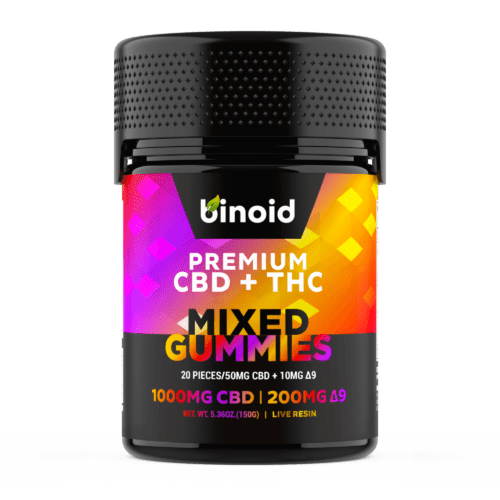
Delta 9 THC Gummies
$30.99$54.99 -
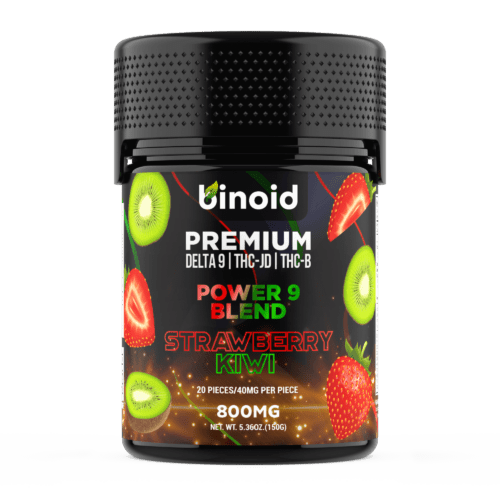
Power 9 Blend Gummies
$36.99$59.99
The Role of Tolerance and Individual Chemistry
One of the most overlooked aspects of comparing cannabinoids is how differently they can affect each person. Your tolerance, metabolism, and even your mood can influence how Delta 9 or HHC feels.
For someone with a high tolerance, HHC might feel relatively mild, while Delta 9 still delivers that familiar punch. For someone newer to cannabis or returning after a break, HHC might hit just right, offering noticeable effects without going overboard.
This is where experimentation comes in. Many users who shop with Binoid CBD end up trying multiple cannabinoids before settling on their favorites. It’s not about which one is objectively better—it’s about which one fits your lifestyle and preferences.
Delta 9 vs. HHC in Edibles, Vapes, and More
The way you consume cannabinoids plays a huge role in the experience, and both Delta 9 and HHC are available in a wide range of product types.
Delta 9 edibles are known for their strong, long-lasting effects. Because they’re processed through the liver, they produce a more intense body high that can last for hours. This makes them a favorite for nighttime use or situations where you want a sustained experience.
HHC edibles offer a similar duration but often feel less overwhelming. The onset can be slightly smoother, and the overall high tends to stay more consistent rather than peaking as sharply.
When it comes to vaping, both cannabinoids provide faster onset and more control over dosing. Delta 9 vapes deliver that immediate, recognizable high, while HHC vapes are often described as cleaner and less heavy on the mind.
Many users also combine cannabinoids—pairing Delta 9 with Delta 8 or exploring blends that include THCA products—to create a more customized experience. This kind of experimentation reflects the broader cannabis culture evolution, where consumers are becoming more informed and intentional about what they use.
Legal Considerations: Why HHC Is Gaining Ground
Legality is a huge factor in the rise of HHC. While Delta 9 is legal in hemp-derived forms under federal law, state regulations can vary widely. Some states have strict rules around THC, even when it comes from hemp.
HHC exists in a more flexible space. Because it’s not specifically named in many laws, it’s often available in regions where Delta 9 products face restrictions. This has made it especially popular among users looking for a reliable alternative that still delivers noticeable effects.
However, it’s important to stay informed. The legal landscape around hemp derived cannabinoids is constantly evolving, and what’s available today might change tomorrow. Brands like Binoid CBD typically keep up with these changes, but it’s always worth checking your local regulations.
How HHC Fits Into the Bigger Cannabis Picture
To really understand HHC, you have to look at it as part of a larger trend. The cannabis industry isn’t just about THC anymore. It’s about a growing ecosystem of cannabinoids, each offering something slightly different.
Delta 8 introduced a milder alternative to Delta 9. THC-P pushed potency to new levels. THCA products brought attention to the raw, non-psychoactive form of THC that converts when heated. HHC fits into this lineup as a middle-ground option—strong enough to satisfy, but smooth enough to enjoy regularly.
This diversity reflects the ongoing cannabis culture evolution. Consumers are no longer limited to whatever strain happens to be available. They can choose specific cannabinoids based on how they want to feel, whether that’s relaxed, focused, uplifted, or somewhere in between.
Flavor, Terpenes, and the Experience Factor
While cannabinoids get most of the attention, terpenes play a huge role in shaping the overall experience. These aromatic compounds influence not just flavor, but also how a high feels.
Delta 9 THC products often emphasize strain-specific terpene profiles, mimicking classic cannabis strains like OG Kush or Blue Dream. This adds a layer of familiarity and depth to the experience.
HHC products are catching up quickly, with many brands offering terpene-rich options that enhance both flavor and effects. Whether you prefer fruity, gassy, or earthy profiles, there’s no shortage of choices.
This focus on terpenes is another sign of how far the industry has come. It’s not just about getting high anymore—it’s about the entire experience, from taste to onset to how you feel afterward.
Safety, Quality, and What to Look For
Not all cannabinoid products are created equal, and this is especially important when dealing with newer compounds like HHC. Because it’s produced through chemical processes, quality control matters a lot.
Reputable brands like Binoid CBD provide third-party lab testing, ensuring that their products are free from harmful contaminants and accurately labeled. This is something you should always look for, regardless of whether you’re buying Delta 9, HHC, or any other cannabinoid.
It’s also worth paying attention to dosage. Both Delta 9 and HHC can be powerful, especially in edible form. Starting low and gradually increasing is always the safest approach.
Recommended products
-
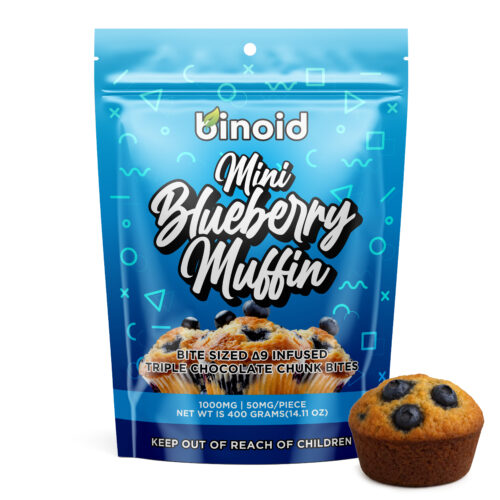
Delta 9 Mini Blueberry Muffin Bites – 1000MG (Limited Supply)
$34.99$39.99 -
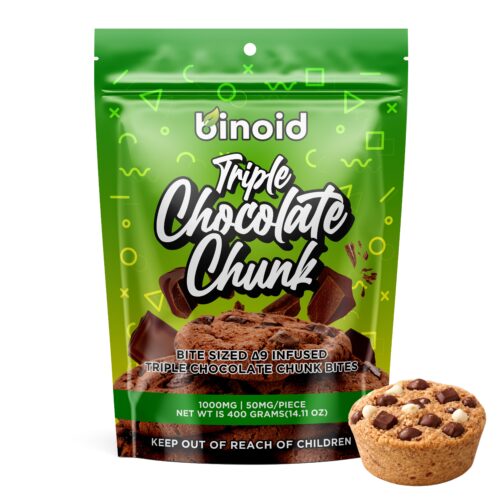
Delta 9 Mini Triple Chocolate Chunk Bites – 1000MG (Limited Supply)
$34.99$39.99 -
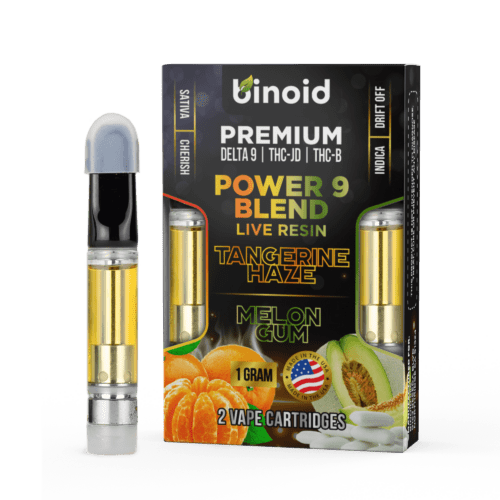
Power 9 Blend Live Resin Cartridge – 2 Pack Combo (Limited Time Sale)
$40.99$89.99 -
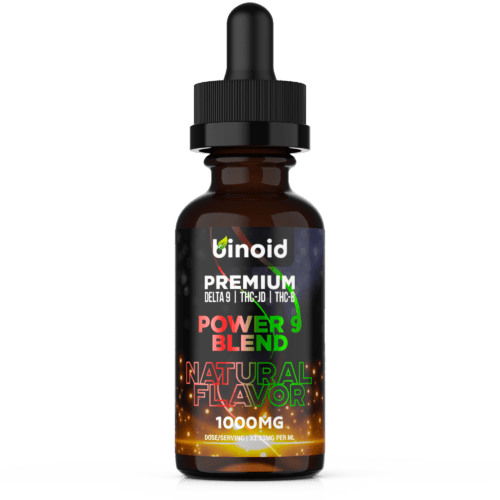
Power 9 Blend Tincture – 1000mg
$34.99$59.99
Choosing Between Delta 9 and HHC: What’s Right for You?
At the end of the day, the choice between Delta 9 and HHC comes down to what kind of experience you’re looking for.
If you want the classic cannabis high—the one that’s been tried and tested for decades—Delta 9 is hard to beat. It’s strong, reliable, and widely understood.
If you’re looking for something a little smoother, with less intensity and a more balanced feel, HHC might be the better option. It offers a unique experience that sits comfortably between Delta 8 and Delta 9, making it a great choice for both newcomers and seasoned users looking to switch things up.
Many people find that they don’t have to choose just one. Having both in your rotation allows you to tailor your experience based on the moment, whether that’s a laid-back evening or a more social setting.
Final Thoughts: The Future of Cannabinoids
The comparison between Delta 9 and HHC is really just one piece of a much larger puzzle. As research continues and new cannabinoids enter the market, the options available to consumers will only keep expanding.
What we’re seeing right now is a shift toward personalization. Instead of a one-size-fits-all approach, cannabis is becoming a highly customizable experience. From Delta 8 to THC-P to THCA products, each cannabinoid adds another layer to what’s possible.
HHC’s rise is a perfect example of this evolution. It’s not here to replace Delta 9—it’s here to complement it, offering a different kind of high for different kinds of users.
For anyone navigating the world of hemp derived cannabinoids, the best approach is simple: stay curious, stay informed, and don’t be afraid to try something new. Whether you stick with Delta 9, explore HHC, or dive into the full spectrum of cannabinoids available through brands like Binoid CBD, there’s never been a better time to find your perfect high.
To Buy HHC Products Click Here
Recommended products
-
Delta 9P Tincture – 1000mg
$29.99$79.99 -
Full Spectrum Capsules 750MG
$30.99$74.99