In the rapidly accelerating timeline of cannabis culture evolution, we have officially moved past the era of the “one-size-fits-all” high. There was a time, not so long ago, when the goal was singular: maximum intensity. You sought out the stickiest flower, the highest THC percentages, and the most immersive “couch-lock” possible. But as our collective understanding of the plant has matured, so too has our demand for nuance. The modern enthusiast is no longer just looking to get high; they are looking to curate their consciousness with the precision of a high-end stereo system. They are looking for specific molecular frequencies that align with their lifestyle, whether that means a deep midnight meditation or a high-velocity afternoon of creative productivity.
This shift toward intentionality has brought two fascinating molecules into a head-to-head comparison: the undisputed heavyweight champion, Delta 9 THC, and its sleek, caffeinated cousin, THCV. While they share a similar name and a common botanical origin, they offer vastly different experiences. One is the “Soul” of the plant—the immersive, euphoric standard that has defined the industry for decades. The other is the “Speedster”—a rare, exhilarating compound often referred to as “Diet Weed” or “Weed Coffee” for its unique ability to energize the mind while suppressing the munchies. In this deep-dive guide, we are stripping away the jargon to explore how these two hemp-derived cannabinoids differ, how they interact with your biology, and why brands like Binoid CBD are leading the charge in bringing this molecular diversity to your doorstep.
To Buy Delta 9 THC Products Click Here
Recommended products
-
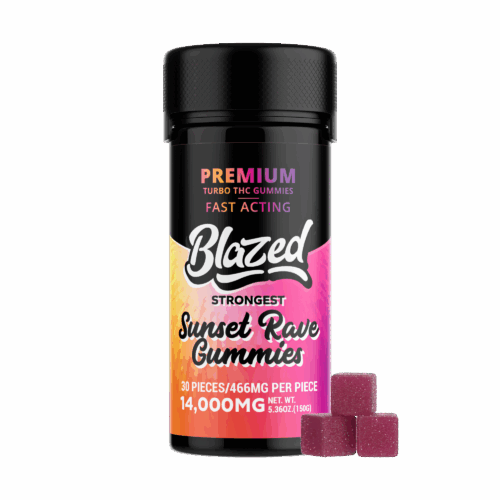
14,000MG Turbo THC Gummies – Blazed
$49.99$84.99 -
13,000mg Good Luck Gummies
$47.99$79.99 -
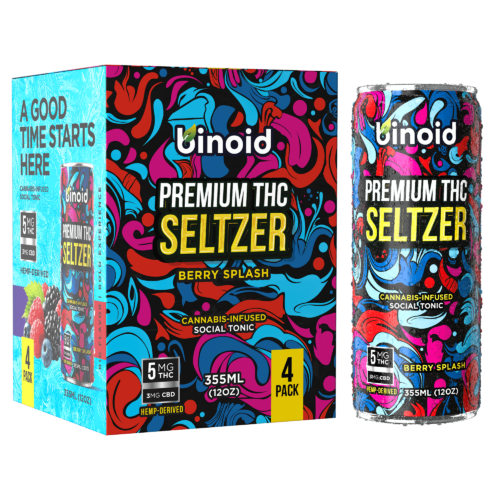
THC Seltzer – Good Vibes Cannabis Drink (4 Pack)
$19.99$29.99

The Molecular Baseline: What Exactly is Delta 9 THC?
To understand the newcomer, we must first pay respects to the legend. Delta 9 tetrahydrocannabinol, or Delta 9, is the primary psychoactive compound that has served as the botanical heartbeat of cannabis for millennia. Whether it is sourced from traditional marijuana or extracted from compliant hemp, Delta 9 is the molecule responsible for the classic, multi-sensory “high.” It is the gold standard for euphoria, known for its ability to enhance music, intensify flavors, and provide a systemic sense of physical and mental relaxation. In the context of THCA products, Delta 9 is the destination—the active form that THCA converts into once heat is applied to the equation.
Biologically, Delta 9 is a powerful agonist of the CB1 receptors in your brain. It binds tightly to these receptors, triggering a significant release of dopamine and a shift in perception. This is why Delta 9 feels so “complete.” It touches the mind and the body in equal measure, often resulting in a heavy physical “hum” and a dreamy, introspective mental state. For decades, the goal of cultivation was to maximize this specific molecule. But as the cannabis culture evolution has progressed, we’ve realized that sometimes, the “total immersion” of Delta 9 is more than the moment requires. Sometimes, we want the elevation without the “fog,” and that is where THCV enters the frame.
The Rare High-Velocity Variant: What is THCV?
THCV, or tetrahydrocannabivarin, is a rare cannabinoid that is structurally similar to Delta 9 but functionally worlds apart. While Delta 9 has a five-carbon alkyl side chain, THCV has a shorter, three-carbon chain. In the world of organic chemistry, this tiny structural shift is a game-changer. It changes how the molecule “shakes hands” with your receptors. THCV is often found in landrace Sativa strains from regions like Africa, but until recently, it was nearly impossible to find in concentrated forms. Thanks to the innovation at Binoid CBD, this “speedster” molecule is now a staple of the modern hemp marketplace.
The most fascinating aspect of THCV is its biphasic nature. At low doses, it actually acts as an antagonist to the CB1 receptor—the opposite of Delta 9. This means it can actually “dampen” some of the heavier effects of THC. However, at higher doses, it switches gears and acts as an agonist, providing a psychoactive experience that is distinctively different from its cousin. THCV is often described as “lucid.” It provides a sharp, buzzy, and incredibly clear-headed lift. If Delta 9 is a warm, weighted blanket, THCV is a shot of high-end espresso. It is the choice for the “active” smoker—the person who wants to hit the gym, finish a project, or engage in a social event without the dreaded “burnout” or the irresistible urge to raid the pantry.
The Munchie Paradox: Hunger vs. Suppression
Perhaps the most famous point of contention between these two molecules is their effect on appetite. We are all familiar with the Delta 9 “munchies.” Because Delta 9 stimulates the CB1 receptors so effectively, it triggers a surge in ghrelin—the hormone that tells your brain you are starving, even if you just finished a five-course meal. It enhances the taste and smell of food, making the most mundane snack feel like a culinary masterpiece. For many, this is a cherished part of the ritual, but for the health-conscious consumer, it can be a significant hurdle to their goals.
THCV has earned the nickname “Diet Weed” for exactly the opposite reason. Research suggests that THCV may actually suppress appetite by blocking the rewarding sensations we get from eating. For many users, a THCV-dominant session results in a focused, energized state where the thought of food simply doesn’t occur. This makes it a revolutionary tool in cannabis culture evolution. It allows enthusiasts to enjoy the euphoric benefits of hemp-derived cannabinoids while maintaining their fitness and nutritional discipline. It is a “functional” high that aligns with a high-performance lifestyle, offering a way to unplug the stress of the day without plugging into a bag of chips.
The Biological Tempo: Onset, Peak, and the “Clean” Comedown
When navigating the offerings of Binoid CBD, it’s important to understand the “tempo” of each molecule. Delta 9 is a deep, resonant bass note. Whether you are using THCA products that convert upon inhalation or taking a hemp-derived Delta 9 gummy, the experience tends to be “slow and steady.” The peak is expansive, and the comedown is often characterized by a lingering sleepiness or a “fuzzy” mental state. This is perfect for the end of the day, but it can be a liability if you have a 2:00 PM meeting or a mountain to climb.
THCV operates at a much higher frequency. The high is often described as “fast-acting” and “fast-fading.” It provides an immediate jolt of mental clarity and a “racy” (but usually not anxious) energy. Because it doesn’t bind as stubbornly to the receptors as Delta 9, the comedown is remarkably clean. There is rarely a “hangover” or a feeling of being mentally drained. Users often report feeling “sharper” after the effects wear off. This “clean clear” is why THCV is becoming the preferred daytime cannabinoid for professionals and creatives who need to stay on their toes while still enjoying a shift in perspective.
Recommended products
-
Delta 9 THC Gummies
$30.99$54.99 -
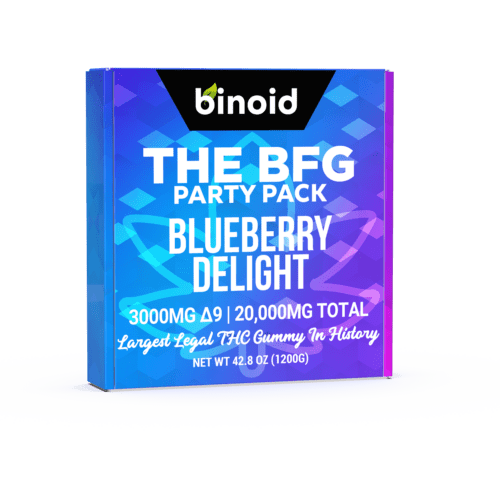
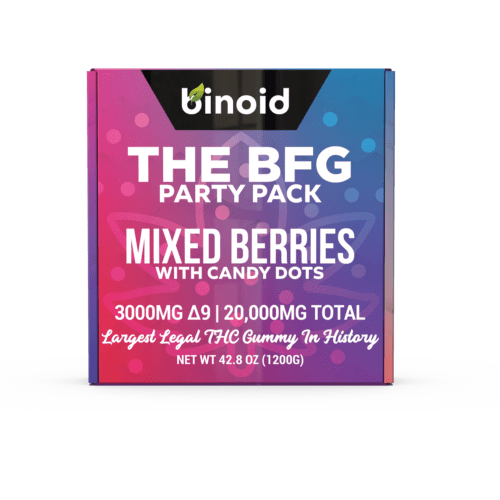
The BFG – 3000mg Delta 9 THC Gummy
$128.99$239.99 -
The BFG w/Candy Dots – 3000mg Largest Legal Gummy
$129.99$239.99
Euphoria vs. Focus: Choosing Your Mental Lane
The choice between Delta 9 and THCV is ultimately a choice between “Immersion” and “Engagement.” When you reach for a Delta 9 products, you are choosing to lean back. You are looking for euphoria, for a sense of wonder, and for a physical relaxation that allows you to disconnect from the “static” of the outside world. It is a meditative state that favors introspection and sensory indulgence. It is the “Soul” of the cannabis experience, and it is a necessary part of the human need to decompress.
When you reach for THCV, you are choosing to lean in. You are looking for focus, for a “flow state,” and for a motivational boost that makes tasks feel more engaging. Many users find that THCV is the ultimate “productivity hack.” It provides a tunnel-vision focus that is perfect for artistic endeavors, gaming, or even deep-cleaning the house. In the cannabis culture evolution, THCV represents the maturation of the market—a move away from “intoxication” and toward “optimization.” It proves that cannabinoids can be used as precision instruments for the mind.
The Entourage Effect: Why Binoid’s Blends are Winning
While the individual profiles of these molecules are impressive, the true magic of the modern era happens in the “Stack.” Brands like Binoid CBD have mastered the art of the multi-cannabinoid blend, pairing THCV with Delta 9 or Delta 8 to create a “Surround Sound” experience. This is known as the Entourage Effect—the idea that cannabinoids work better together than they do in isolation.
A THCV/Delta 9 blend is a masterclass in balance. The THCV provides the “spark” and the “clarity,” ensuring that the energy remains focused and active. The Delta 9 provides the “warmth” and the “euphoria,” preventing the energy from feeling too clinical or “jagged.” Together, they offer a high-fidelity high that is both immersive and functional. It allows you to feel the classic “Soul” of the plant while moving at the “Speed” of modern life. These blends are the cutting edge of hemp-derived cannabinoids, offering a bespoke frequency that you simply can’t find in raw, unrefined flower.
The Legal Landscape: Navigating Compliance in 2026
One of the most remarkable aspects of the cannabis culture evolution is the fact that both Delta 9 and THCV are now accessible to a nationwide audience through the legal hemp framework. Under the 2018 Farm Bill, hemp-derived products are legal as long as they contain less than 0.3% Delta 9 THC by dry weight. This has allowed for the creation of high-potency THCA products and Delta 9 gummies that are federally compliant while still delivering the authentic experience consumers crave.
THCV follows a similar legal path. As a naturally occurring hemp derivative, it is federally legal across the vast majority of the United States. This accessibility is what has allowed Binoid CBD to become a household name for enthusiasts. However, as we move through 2026, the legal map remains a patchwork of state-level regulations. Some regions have moved to restrict certain “alternative” cannabinoids, while others have embraced the regulated marketplace. Being a responsible consumer in this era means staying informed about your local laws and always sourcing from brands that provide clear, third-party lab reports (COAs) to ensure total purity and compliance.
Precision Dosing: Mastering the Speedster and the Soul
Because these two molecules have such different potencies and effects, dosing is an art form. Delta 9 requires a “Low and Slow” approach, especially for those new to THCA products. A little goes a long way, and the physical “weight” of the high can be surprising if you aren’t prepared for it. With Delta 9, the goal is often to find the “Plateau”—the level of immersion that feels restorative without becoming overwhelming.
THCV requires a “Titration” approach. Because its effects are so lucid and fast-acting, many users prefer to “sip” on a THCV vape throughout the afternoon to maintain a consistent level of focus. It is much harder to “overdo it” with THCV because it lacks the heavy sedating properties of its cousin. However, because it can be quite stimulating, it is best enjoyed in the morning or early afternoon. Using THCV too late in the evening might result in a brain that is too “awake” to settle into sleep, even if your body feels ready for bed.
Recommended products
-
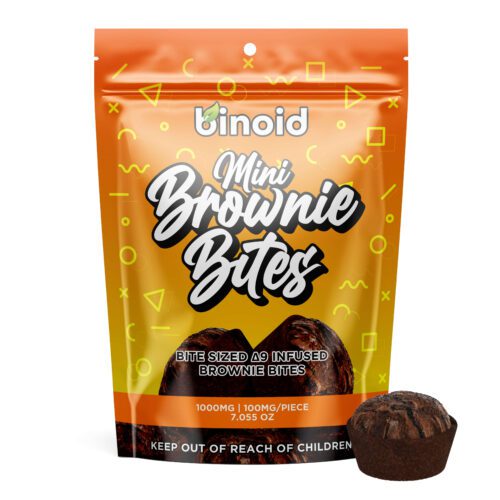
Delta 9 Mini Brownie Bites – 1000MG (Limited Supply)
$34.99$39.99 -
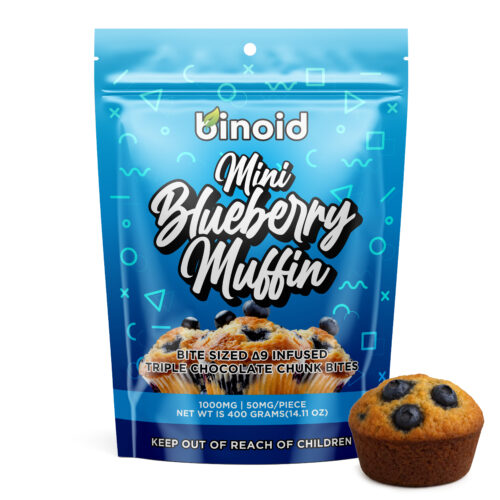
Delta 9 Mini Blueberry Muffin Bites – 1000MG (Limited Supply)
$34.99$39.99 -
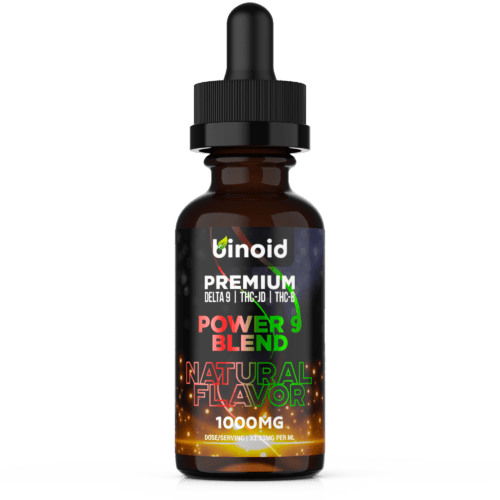
Power 9 Blend Tincture – 1000mg
$34.99$59.99 -
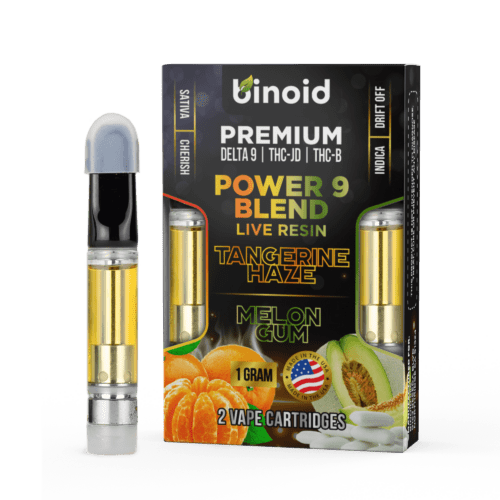
Power 9 Blend Live Resin Cartridge – 2 Pack Combo (Limited Time Sale)
$40.99$89.99
Who is the Delta 9 User?
In the current cannabis culture evolution, Delta 9 remains the primary choice for the “Traditionalist” and the “Night-Owl.” It is the molecule for those who view cannabis as a reward at the end of a long day. If your goal is to:
-
Deeply relax after a high-stress workday.
-
Enhance the flavor of a gourmet meal.
-
Get lost in a classic film or a complex album.
-
Experience a total physical “reset” and deep sleep. …then Delta 9 (or the activated form of THCA products) is your definitive soulmate.
Who is the THCV User?
THCV is the premier choice for the “Modern Optimizer” and the “Active Enthusiast.” It is the molecule for those who want to integrate hemp-derived cannabinoids into a busy, high-functioning lifestyle. If your goal is to:
-
Boost creativity and focus during a project.
-
Get an extra “spark” of motivation before a workout.
-
Socialize with friends without feeling “spacey” or tired.
-
Enjoy a high-fidelity buzz without the hunger of the munchies. …then THCV is the speedster you’ve been looking for.
Final Thoughts: Finding Your Ground in the Molecular Era
The debate between Delta 9 and THCV isn’t about which molecule is “better”—it’s about which molecule fits the “Now.” We are no longer living in an era of botanical guesswork. We are living in an era of molecular choice. Through the innovation of brands like Binoid CBD, we have the power to decide exactly how we want to feel, how long we want to stay there, and what we want to do while we’re elevated.
Whether you are seeking the immersive, euphoric “Soul” of Delta 9 or the sharp, energetic “Speed” of THCV, the goal is the same: a safe, high-quality, and intentional experience. The cannabis culture evolution is a journey toward self-optimization, and these two molecules are the primary tools for that journey. So, check your local regulations, grab a trusted lab report, and find the frequency that resonates with your life. The molecular era is here, and the view from the top is clearer than ever.
To Buy THCV Products Click Here
Recommended products
-
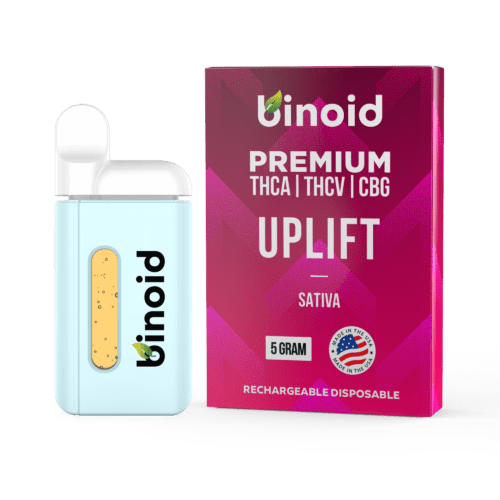
THCV 5 Gram Disposable Vape – Uplift/Unwind
$53.99$69.99 -
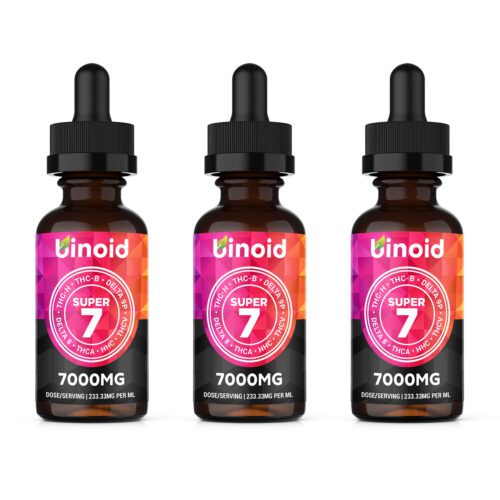
Super 7 Tincture Bundle – 7000mg
$109.99$159.99 -
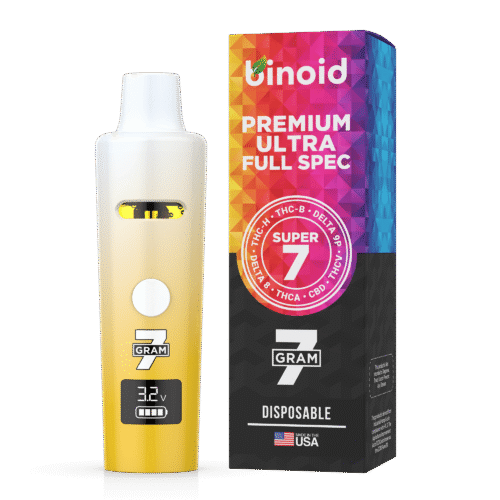
Super 7 UFS Disposable Vape – 7 Gram
$63.99$89.99