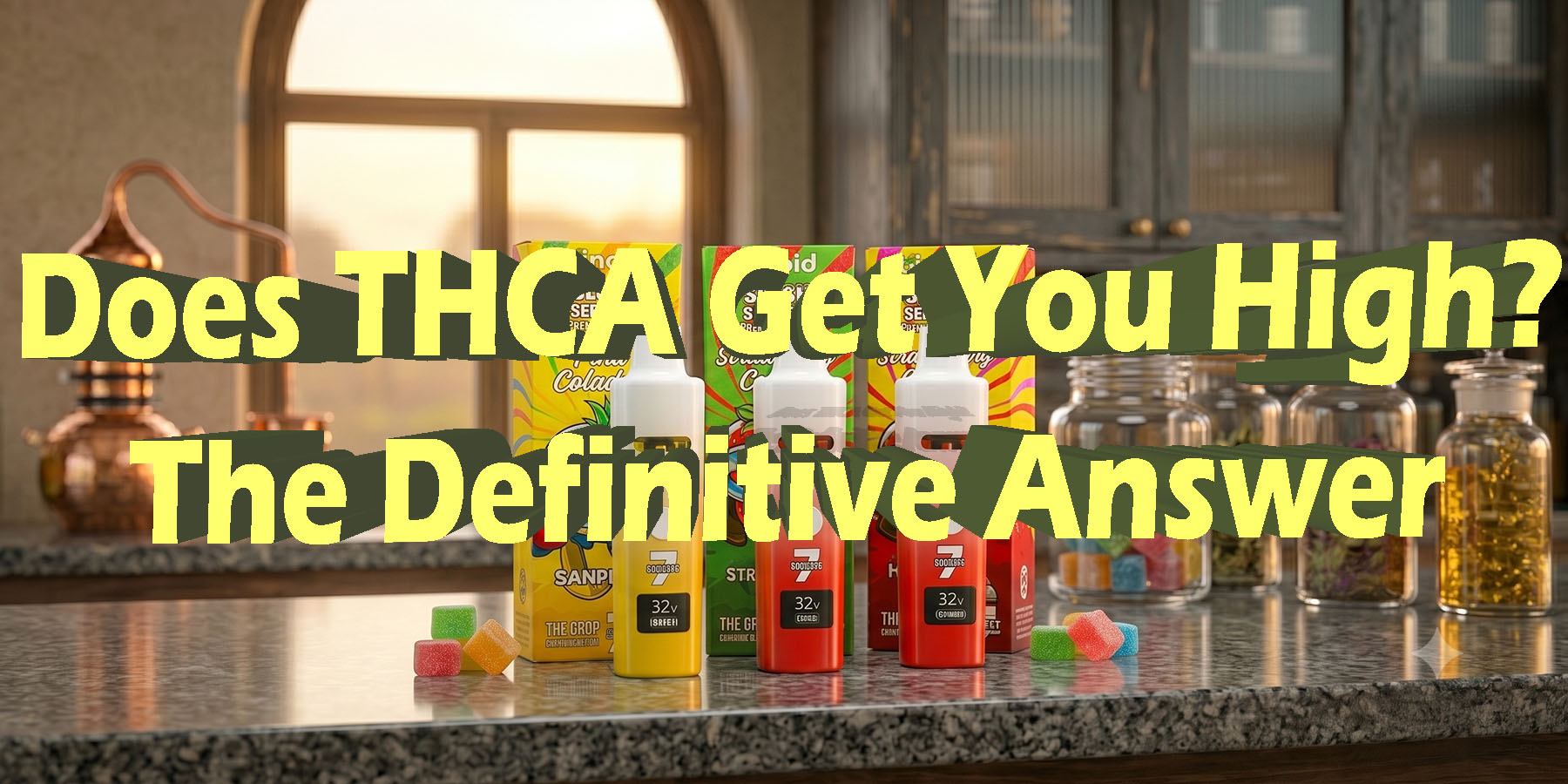
The Question Everyone Asks and Almost Nobody Answers Correctly
There is a specific kind of confusion that has taken root in the hemp-derived cannabinoid market, and it centers on a three-letter acronym that has become simultaneously one of the most searched and most misunderstood terms in the entire category. Does THCA get you high? The honest answer requires more nuance than either the breathless marketing copy on some low-effort product pages or the reflexive skepticism of cannabis purists tends to offer. THCA, in its raw, unheated form, does not intoxicate you. But THCA, once it encounters heat, transforms into something that absolutely does. This is not a contradiction. It is chemistry, and understanding it properly is the difference between shopping this category as an informed consumer and shopping it as someone repeating a rumor they read on a forum.
The confusion is understandable, because the hemp industry has not always done a great job explaining itself. Product labels list “THCA” as the dominant cannabinoid, sometimes at concentrations north of 20 or even 30 percent, and a first-time buyer reasonably wonders whether that number represents psychoactive potential or something else entirely. The answer lives at the intersection of molecular structure and thermal chemistry, and once you understand it, the entire THCA product category — flower, diamonds, vape cartridges, and beyond — becomes dramatically easier to navigate with confidence rather than guesswork.
To Buy THCA Products Click Here
Recommended products
-
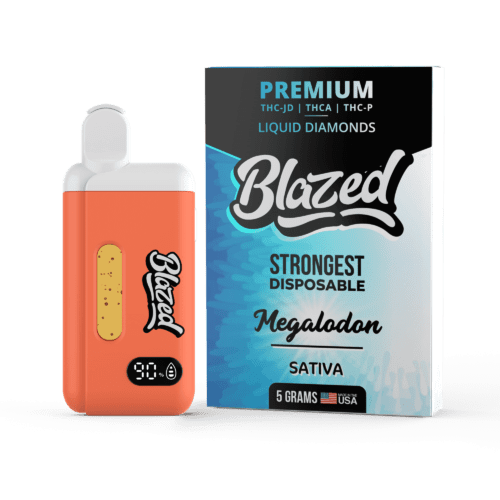
5 Gram Disposable – Blazed
$51.99$79.99 -
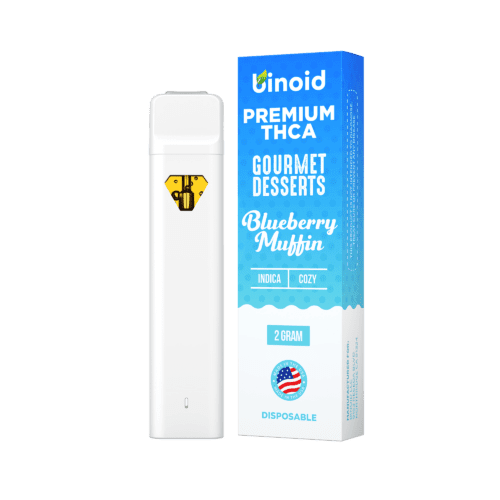
THCA Disposable 2 Gram – Gourmet Desserts
$37.99$73.00 -
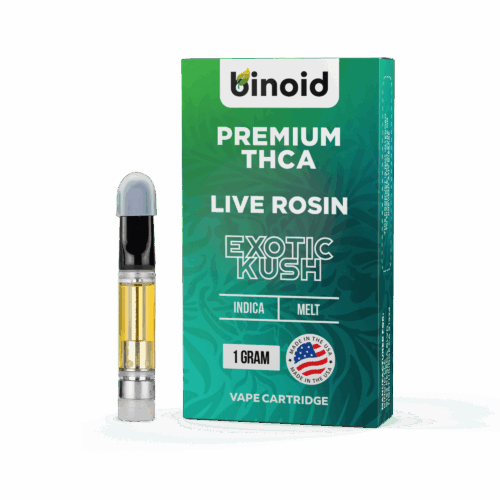
THCA Vape Cartridge – Live Rosin
$30.99$59.99 -
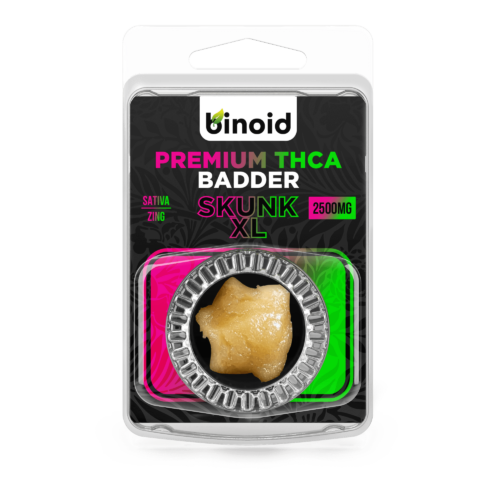
THCA Badder – 2500mg
$37.99$59.99
The Molecule Before the Fire: Why Raw THCA Doesn’t Intoxicate
Tetrahydrocannabinolic acid, the full name behind the acronym, is the compound that cannabis and hemp plants actually biosynthesize as they grow. It is not a lesser or synthetic version of THC — it is the original molecule, the one nature produces first, before anything is smoked, vaporized, or baked. Structurally, THCA is nearly identical to delta 9 THC, sharing the same carbon backbone and the same alkyl side chain that governs much of cannabinoid receptor activity. The critical difference is a single carboxyl group (-COOH) attached to the THCA molecule — a small addition, chemically speaking, but one with outsized consequences for how the compound behaves once it enters the human body.
That carboxyl group is the entire reason raw THCA doesn’t get you high. The endocannabinoid system, and specifically the CB1 receptor network concentrated in the central nervous system, is shaped to accept molecules of a very particular geometry. Delta 9 THC fits that geometry precisely, binding efficiently and triggering the cascade of effects associated with cannabis intoxication. THCA‘s extra carboxyl group creates steric bulk that physically interferes with that binding process — the molecule is, in a sense, wearing an outfit that doesn’t fit through the door. This is why chewing on raw cannabis leaves, or juicing unheated flower (a practice some wellness circles have experimented with), produces no psychoactive effect whatsoever, regardless of how much THCA the plant material contains.
Decarboxylation: The Chemical Event That Changes Everything
The transformation from non-intoxicating THCA into psychoactive delta 9 THC happens through a process called decarboxylation, and it is triggered by one thing: heat. When THCA is exposed to temperatures above roughly 220°F, the carboxyl group breaks away as carbon dioxide gas, and what remains is the leaner, receptor-compatible structure of delta 9 THC. This reaction happens almost instantly when flower meets flame, more gradually inside a vaporizer’s heating chamber, and slowly but thoroughly when cannabis-infused ingredients are baked into edibles at oven temperatures over an extended period. In every case, the underlying event is identical — a single chemical bond breaking under thermal stress, converting an inert precursor into an active compound.
This is precisely why the answer to “does THCA get you high” has to be split into two parts. Raw, unheated THCA flower sitting in a jar is not psychoactive. The moment you light it, vaporize it, or otherwise decarboxylate it, you are no longer really consuming THCA at all — you are consuming the delta 9 THC that THCA became. There is no separate, exotic “THCA high” that differs neurochemically from a conventional THC experience. Once decarboxylation is complete, the resulting molecule behaves exactly like the delta 9 THC found in any other cannabis product, activating the same CB1 receptors and producing the same general family of effects: shifts in sensory perception, changes in mood, an altered relationship with time. What varies is the format, the terpene profile, and the individual’s own tolerance and biochemistry — not the fundamental pharmacology once heat has done its work.
Recommended products
-
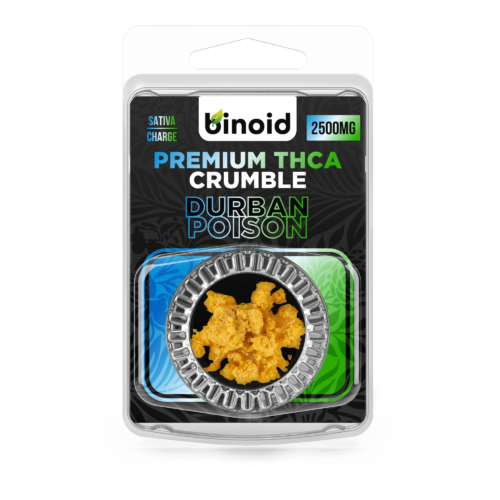
THCA Crumble – 2500mg
$37.99$59.99 -
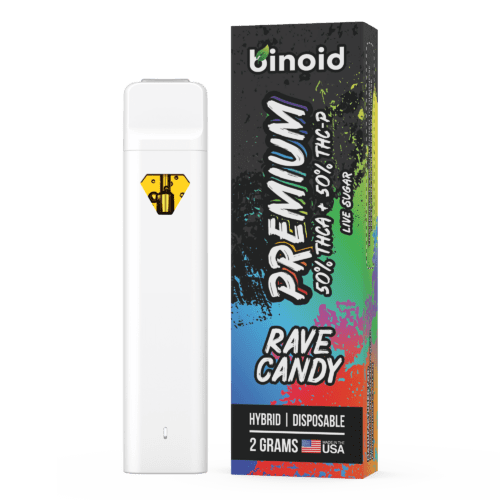
Live Sugar THCA + THC-P Disposable Vape – Pure 50/50
$39.99$69.99 -
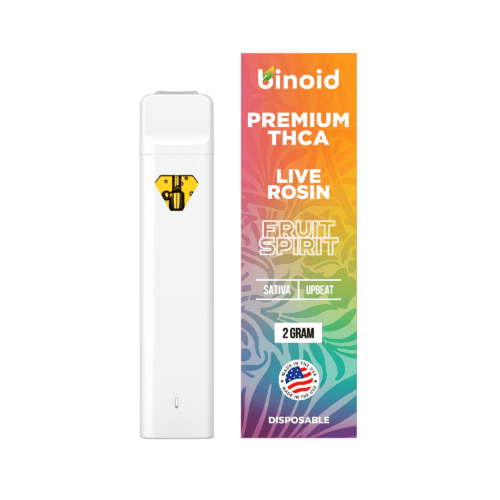
2 Gram THCA Disposable Vapes – Live Rosin
$39.99$73.00 -
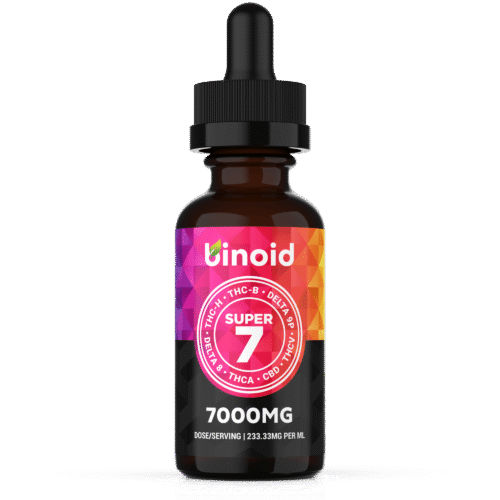
Super 7 Tincture – 7000mg
$39.99$59.99
Why the Legal Framework Allows This to Exist at All
None of this would matter commercially if the law hadn’t created a specific lane for it, and understanding that lane matters just as much as understanding the chemistry. The 2018 Farm Bill legalized hemp federally, defining it as cannabis containing no more than 0.3% delta 9 THC by dry weight. Critically, that definition measures delta 9 THC specifically — not THCA. A raw flower sample can test at 20 percent THCA or higher and still fall within the federal hemp definition, provided its already-converted delta 9 THC concentration remains below the 0.3% threshold at the moment of testing. This is the statutory gap that gave rise to the entire THCA flower and concentrate market, and it’s why high-THCA hemp products can be sold nationally in a way that traditional, delta-9-dominant cannabis cannot.
It’s worth being straightforward about the fact that this framework has drawn scrutiny. Some regulators have floated the idea of applying a “total THC” testing methodology that accounts for THCA’s potential to convert, which would functionally close this pathway if formally adopted. As of now, that interpretation hasn’t been universally codified into federal law, but it’s a live regulatory conversation, and it’s one reason sourcing from a brand that treats compliance documentation seriously — rather than as an afterthought — matters more in this category than in almost any other corner of the hemp market. BinoidCBD.com has built its THCA product line around exactly that kind of rigor, pairing every batch with current, accredited lab documentation rather than leaving compliance to chance.
What Actually Happens When You Consume It: The Experience Itself
Setting the legal architecture aside, the experiential question is the one most people actually care about, and it deserves a direct answer. Smoking or vaporizing THCA flower produces effects that are, for all practical purposes, indistinguishable from smoking traditional dispensary cannabis with a comparable delta 9 THC yield after decarboxylation. Consumers describe the onset as fast — typically within minutes — with effects that build over the following half hour and taper over one to three hours depending on the dose, the individual’s tolerance, and the specific cultivar’s terpene profile. This is the entourage effect at work: the interplay between cannabinoids and terpenes that shapes the qualitative character of the experience, making one THCA flower strain feel more energizing while another leans toward something heavier and more sedating, even at similar potency numbers.
THCA diamonds and concentrates push this further into connoisseur territory. These crystalline structures can test above 95% THCA, meaning that once decarboxylated, they deliver an extremely concentrated dose of delta 9 THC — not a product for a first-time consumer, and one that rewards genuine familiarity with personal tolerance. Vape cartridges and disposables occupy a middle ground, offering more measured, incremental dosing through repeated short draws, which many newer consumers find easier to calibrate than a full bowl of flower or a dab of concentrate. Across all of these formats, the underlying mechanism never changes: heat converts THCA into delta 9 THC, and delta 9 THC is what produces the effects people are actually asking about when they ask whether THCA “works.”
Recommended products
-
Epic Clouds 5 Gram Disposable Vape – Code Red
$53.99$87.99 -
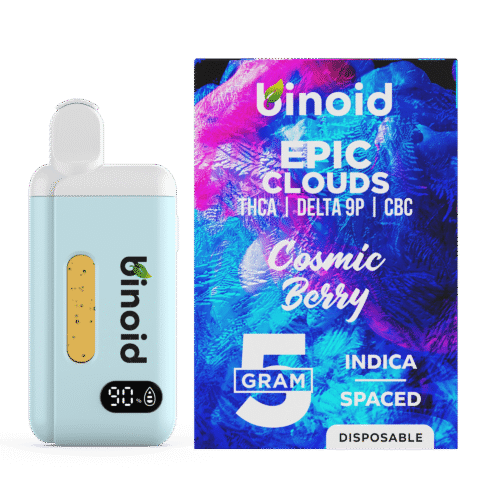
Epic Clouds 5 Gram Disposable Vape – Cosmic Berry
$53.99$87.99 -
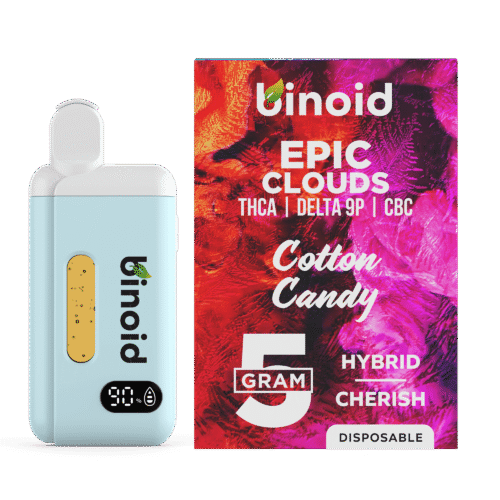
Epic Clouds 5 Gram Disposable Vape – Cotton Candy
$55.99$87.99 -
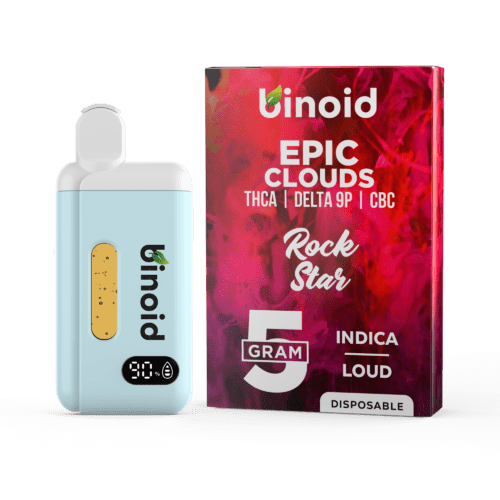
Epic Clouds 5 Gram Disposable Vape – Rock Star
$55.99$87.99

Reading a COA With This Question in Mind
Because the THCA-versus-delta-9 distinction is fundamentally a testing and labeling question, the certificate of analysis becomes an unusually important document in this specific product category — arguably more important here than almost anywhere else in the hemp space. A properly structured COA from an ISO 17025-accredited laboratory should report THCA and delta 9 THC as separate line items, along with a calculated total THC figure that reflects the product’s full psychoactive potential once decarboxylation occurs. A consumer who understands how to read this distinction can predict, with real accuracy, what a given THCA flower or concentrate will deliver once it’s actually consumed — rather than relying on marketing language or guesswork.
This is exactly the standard Binoid CBD has built its THCA catalog around at Binoidcbd.com, publishing batch-specific COAs that break out both raw THCA content and post-conversion total THC potential, so that the numbers on the label translate directly into an accurate expectation of the experience. A COA that only reports “THCA” without any accompanying total THC calculation is telling you less than you need to know — it’s showing you the precursor without showing you what that precursor becomes. Brands that skip this step aren’t necessarily being deceptive, but they’re leaving the consumer to do chemistry homework that a properly formatted lab report should have already done for them.
The Definitive Answer, Stated Plainly
So: does THCA get you high? In its raw, unheated state, no — and anyone claiming otherwise is either confused about the chemistry or being deliberately imprecise for marketing purposes. Apply heat, through smoking, vaporizing, or baking, and the answer flips entirely, because you are no longer dealing with THCA at all — you’re dealing with the delta 9 THC it became the instant that carboxyl group broke away. The entire THCA product category exists in the space between those two chemical states: a molecule that is federally compliant while dormant and fully psychoactive the moment it’s activated by the exact process every method of cannabis consumption naturally triggers.
For the consumer navigating this category with genuine curiosity rather than confusion, the practical takeaway is straightforward. Treat any THCA product — flower, diamonds, vape cartridge, or otherwise — as something that will deliver a real, delta-9-equivalent experience once consumed in any conventional way, and shop accordingly: start low, respect the potency implied by the total THC figure on an accredited COA, and choose a source that has already done the work of explaining that number honestly. That last part is where sourcing integrity stops being a nice-to-have and becomes the actual foundation of a good experience. Across its THCA flower, concentrate, and vape lineup, Binoid CBD has treated that transparency as non-negotiable — which is, in the end, the only real answer to whether a THCA product is going to deliver what it promises.
To Buy THCA Products Click Here
Recommended products
-
2 Gram THCA Disposable Hash Rosin – Blazed
$37.99$59.99 -
THCA Hash Rosin Dabs – 1000mg
$33.99$59.99 -
1 Gram THCA Disposable Hash Rosin – Blazed
$31.99$67.99 -
High THC-P 2 Gram Disposable Vape – Strain Series
$41.99$73.99