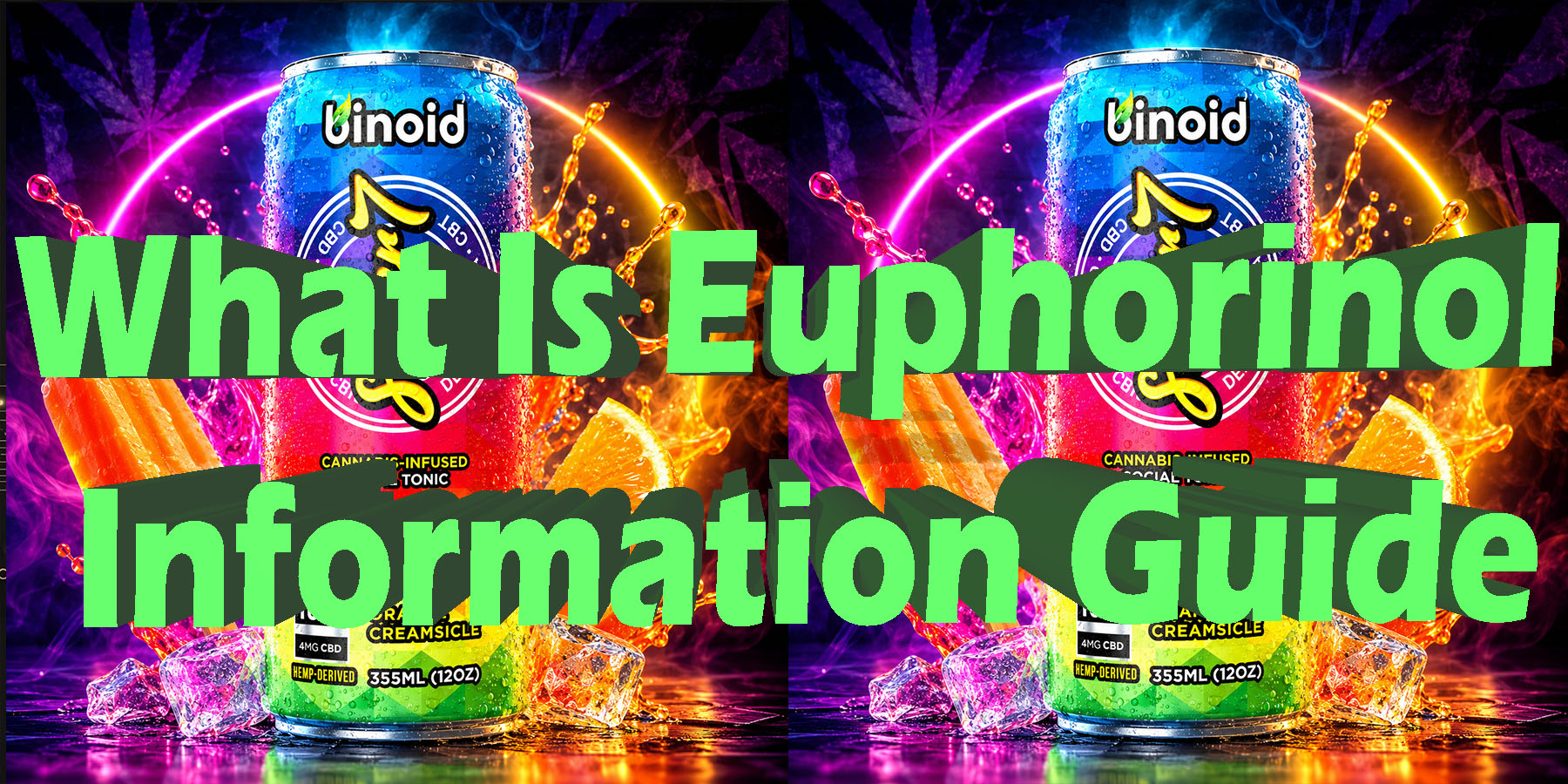
The Cannabinoid That Arrived With a Nickname
Every few months the hemp-derived cannabinoid market produces a new name that travels faster than the evidence behind it, and the latest to make the rounds is a three-letter abbreviation: the EPN cannabinoid, sold under the brand name Euphorinol. It arrived the way most novelties do, through wholesale spec sheets, vape-shop newsletters, and retailer blog posts promising a compound that delivers an uplifting experience without the heaviness some consumers associate with traditional THC.
The nickname did a lot of the heavy lifting. “Super Sativa” is a marvelous piece of branding, compressing an entire consumer mythology about daytime energy, creative focus, and clear-headed euphoria into two words that fit neatly on a disposable vape label. It is also, like most great branding, a promise that outpaces the paperwork. This feature does what good magazine journalism does with a hyped subject: it describes the thing fairly, tests the claims against what is actually documented, and hands the sophisticated reader the tools to decide for themselves. Binoid CBD, whose catalog at Binoid CBD is built around products it can document rather than merely describe, has not added Euphorinol to its lineup, and that turns out to be a useful lens for the whole conversation.
TO BUY THC PRODUCTS CLICK HERE
Recommended products
-
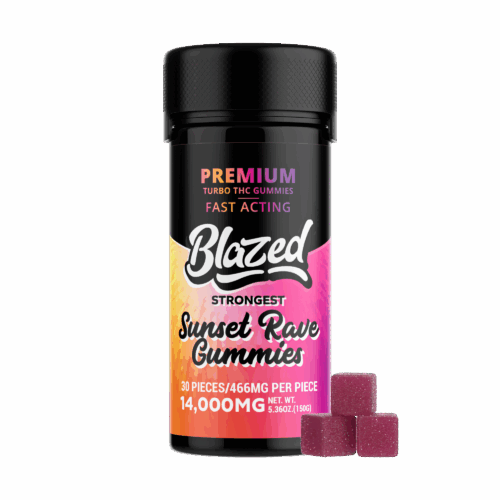
14,000MG Turbo THC Gummies – Blazed
$49.99$84.99 -
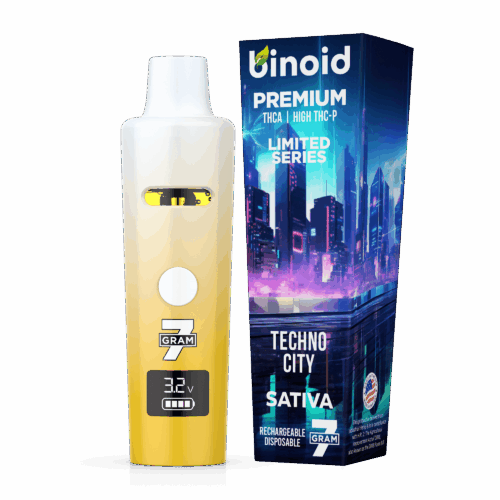
7 Gram THCA + High THC-P Disposable Vape – Limited Series
$67.99$109.99 -
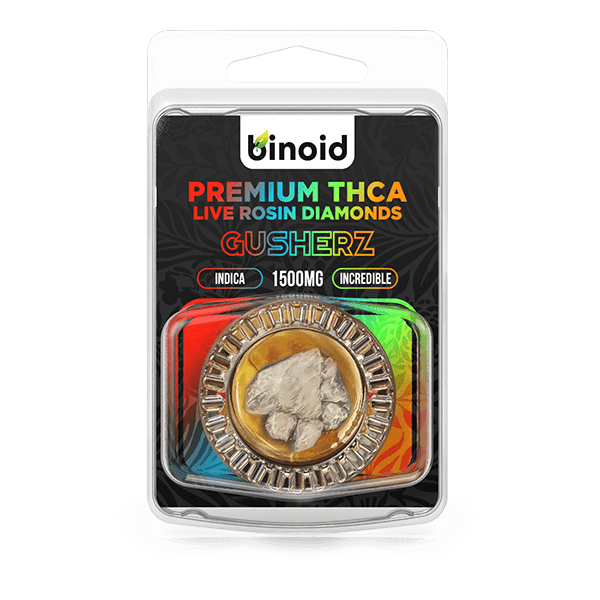
THCA Diamonds 1500mg – Live Rosin
$30.99$59.99 -
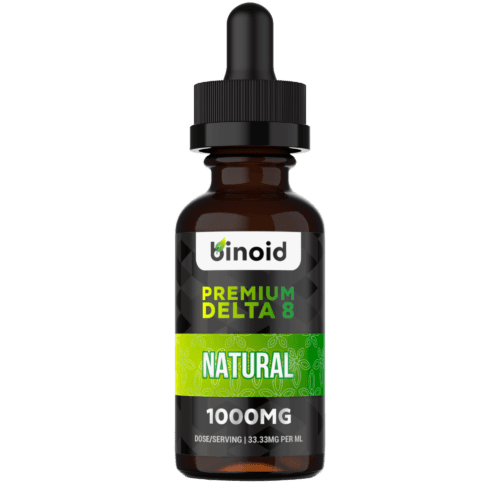
Delta 8 THC Tincture (1000mg, 2500mg, 5000mg)
$25.99$44.99
Anatomy of a Name: What Euphorinol Is Claimed to Be
So what is it, exactly? As the suppliers who sell it tell the story, EPN is a newly discovered, semi-synthetic cannabinoid derived from hemp and marketed under the Euphorinol name, positioned as a non-THC, non-traditional analogue built to deliver uplifting, Sativa-like effects. The phrase semi-synthetic carries real weight in that sentence. It signals that the starting point is a hemp-derived molecule which is then modified through laboratory chemistry, rather than a compound the plant biosynthesizes on its own in its trichomes the way it produces THCA or CBG.
That places EPN in the same broad family as many of the modern hemp-derived cannabinoids the market has embraced in recent years, and in a very different category from the classical phytocannabinoids. One supplier document supplies a full chemical name, “tetrahydromethylisopentyl-ethylcannabinol,” which reads like a THC-style scaffold with altered side-chain groups. That is an interpretation drawn from the name alone, however, and not something a published molecular structure has confirmed. vapetmwsimg
The distinction between a naturally occurring cannabinoid and a semi-synthetic one matters more than the marketing language lets on. A compound the plant makes can be traced from cultivar to trichome to extract, and its behavior has been mapped by years of independent research. A compound created through a conversion step inherits the quality of its starting material, the precision of its reaction chemistry, and the thoroughness of its purification, and every one of those variables is invisible to the person holding the finished product. This is not an indictment of semi-synthetic chemistry, which has produced some of the most interesting products in the modern hemp market. It is simply a reminder that when the molecule is made rather than grown, the documentation has to do the work that the plant’s own chemistry would otherwise do.
The Super Sativa Pitch: What Consumers Are Being Told to Expect
The experiential claims around Euphorinol are where the story gets interesting, and also where it gets slippery. One retailer guide describes effects similar to mild-to-moderate cannabis intoxication, including mood elevation, mild euphoria, relaxation, and altered sensory perception, and stronger than standard delta-8 THC at comparable doses. Other sellers pitch an almost opposite picture, with a functional, uplifting experience that feels clear and energizing without brain fog. Reported timing is more consistent across sources, with a medium onset of roughly ten to thirty minutes and a duration of three to four hours. A discerning reader will notice that “relaxation” and “energizing clarity” are not the same experience, and that the gap between them is a good indication of how little standardized description exists for this compound. EPN Cannabinoid: What Is Euphorinol & Why It’s Different +2
The “Super Sativa” label deserves its own moment of skepticism. The sativa-versus-indica taxonomy is a piece of cannabis folklore that chemists and botanists have long treated as an imperfect shorthand, because the character of any experience is shaped far more by the full cannabinoid and terpene profile, the dose, the delivery format, and the individual consumer than by a plant-shape label. Invoking “Sativa” for a laboratory-modified compound is therefore less a pharmacological statement than a mood board. It tells you what the brand wants you to imagine, which is bright mornings, creative sessions, and conversation that improvises well, and it does so without committing to anything a lab could verify. That is not unusual in this industry. It is, however, exactly the kind of language an intelligent consumer should learn to translate.
Recommended products
-
13,000mg Good Luck Gummies
$47.99$79.99 -
THCA Crumble – 2500mg
$37.99$59.99 -
Live Sugar THCA + THC-P Disposable Vape – Pure 50/50
$39.99$69.99 -
Super 7 Tincture – 7000mg
$39.99$59.99

The Evidence Gap: What Hasn’t Been Published
Here is the part of the story that the enthusiastic product pages tend to skip. In my search for primary research on this compound, I found no peer-reviewed studies on EPN, and the sources that describe it openly acknowledge how thin the record is. The same retailer guide that praises its effects concedes that clinical pharmacokinetics data is limited and that effects are documented mainly from user reports and early-stage manufacturer testing. A supplier white paper calling it a breakthrough with a “Sativa-selective” profile is, by its nature, a sales document, and it should be weighed as one. One trade article aimed at retailers is refreshingly blunt on the point, noting that Euphorinol remains new and relatively untested. elevatedhazevtmvending
None of this means the compound is dangerous or that its fans are wrong about what they feel. It means that every confident claim about its “no tolerance buildup” profile, its potency relative to other cannabinoids, or its clean-headed character rests on anecdote and manufacturer assertion rather than independent measurement. For a consumer, that is the difference between a product with a known experiential envelope and one where you are, to some degree, the research subject. The molecular science that makes cannabinoids fascinating, such as receptor binding, metabolic pathways, and the way a modified side chain can change an experience, is precisely the science that has not yet been done in public for this particular molecule. Curiosity is a fine instinct. It simply deserves to be paired with patience.
The Certificate of Analysis Problem
If the research record is thin, the certificate of analysis should be the consumer’s safety net, and this is where the Euphorinol paper trail raises its own questions. The COA circulated by one reseller reports a composition of 40.42% CBD and 28.50% CBG with no detectable THC. That is useful information about a hemp-derived material, but it is not a measurement of EPN itself. A certificate that lists the cannabinoids everyone already knows how to test for, while the headline compound goes unquantified, tells you what the product contains besides the thing you are buying it for. As far as I could find, no publicly available document explains how an accredited laboratory identified and quantified EPN against a verified reference standard. vtmvending
That distinction is not pedantry, it is the whole ballgame. A laboratory can only quantify a molecule it can recognize, and recognition requires a reference standard that the lab can run alongside the sample. Without that, a potency figure for a novel compound is more of an estimate than a result. This is why the reader’s three questions about any COA are always the same: who produced it, how current is it, and does it actually measure the thing on the label. Binoidcbd.com has built its reputation on answering all three with batch-specific, accessible documentation from independent, ISO-accredited laboratories, covering potency, residual solvents, heavy metals, and microbial safety across its catalog. For an emerging compound with no public research behind it, that standard is not optional decoration. It is the minimum price of admission.
Recommended products
-
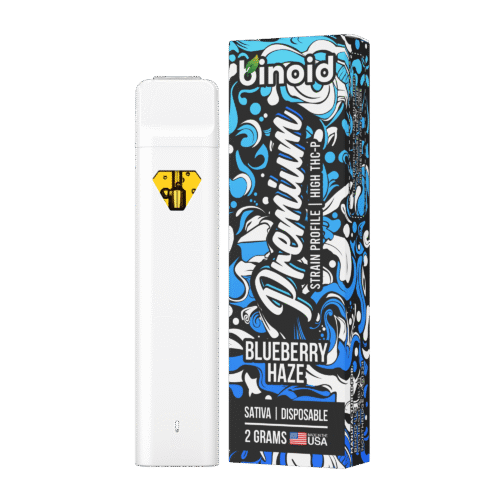
High THC-P 2 Gram Disposable Vape – Strain Series
$41.99$73.99 -
Super 7 Gummies – Summer Slush Series
$37.99$49.99 -
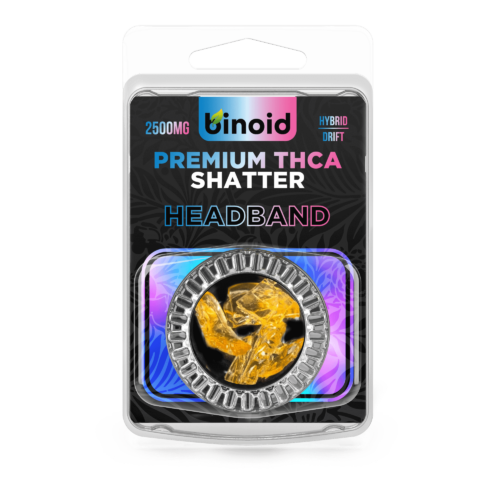
THCA Shatter – 2500mg
$37.99$59.99 -
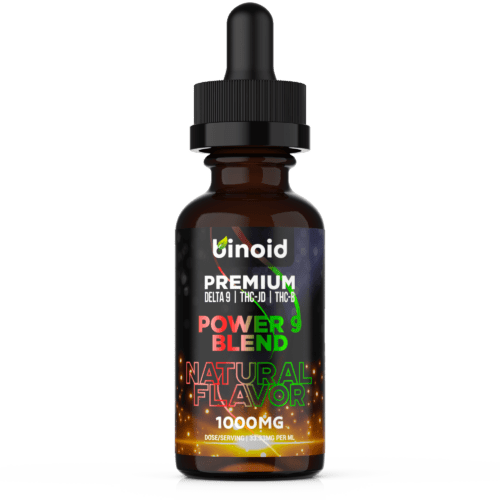
Power 9 Blend Tincture – 1000mg
$34.99$59.99

Legal Status: A Moving Target
Sellers generally describe Euphorinol as legal. One guide states that it is developed for the hemp market, derived or produced in ways that keep delta-9 THC below 0.3% in the final product, and currently unscheduled under federal law and legal in most states, though state-level regulations evolve quickly. That is a fair summary of the argument, and it is also an argument rather than a ruling. The 2018 Farm Bill defined hemp by its delta-9 THC concentration, and the semi-synthetic cannabinoid category has always lived in the interpretive space between the statute’s language and its intent. elevatedhaze
Two realities make this space particularly slippery. First, individual states have shown a growing willingness to restrict or ban hemp-derived cannabinoids regardless of federal framing, which means a compound can be perfectly accessible in one zip code and prohibited in the next. Second, federal attention to intoxicating hemp products has been intensifying, and a compound whose chemistry involves laboratory modification will naturally draw questions about whether it fits comfortably inside the definition of hemp at all. This article is not legal advice, and anyone who sells or buys a novel cannabinoid should confirm its current status with qualified counsel. The practical lesson is that legal ambiguity and sparse documentation tend to travel together, and a brand’s willingness to wade into both is a statement about its priorities.
Why the Starting Material Still Decides Everything
A recurring theme in the best hemp journalism is that the finished product can never be better than the biomass and the chemistry behind it, and that principle applies with extra force to semi-synthetic compounds. Hemp is a bioaccumulator, a plant that readily absorbs whatever its soil and water contain, so the agricultural origin of a CBD isolate or distillate determines the ceiling for everything downstream. When that material is then converted through an isomerization or modification reaction, any impurities, residual catalysts, or reaction byproducts carry forward, and no amount of polishing at the end can fully restore what the starting material lacked. This is why Binoid CBD sources its hemp from domestic, USA-made farms operating under state and federal agricultural oversight, and why it treats third-party testing as an integral step in the process rather than a retrospective safety net.
That philosophy is visible across the catalog at Binoidcbd.com, including the novel cannabinoid formulations the brand has chosen to carry, such as Delta 8, THC-P, and THC-H products, each of which arrives with lab documentation a consumer can actually read. It is also why the absence of Euphorinol from the shelf is not a gap in curiosity so much than a reflection of standards. A brand that insists on batch-specific, ISO-accredited verification for everything it sells will naturally be cautious about a compound whose identity, purity, and potency cannot yet be confirmed in public. That caution is not hostility to innovation. It is the discipline that allows a brand to say, with a straight face, that what is on the label is what is in the product.
Where to Spend Your Curiosity Instead
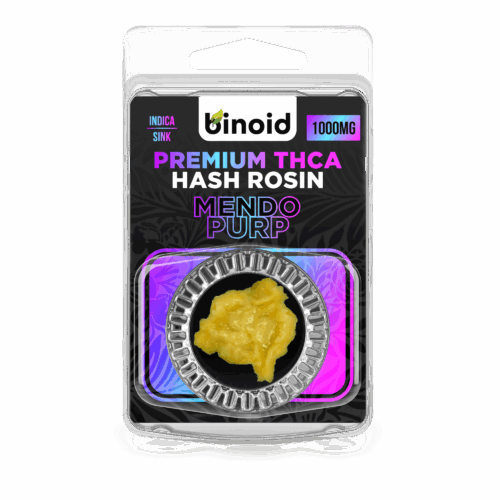
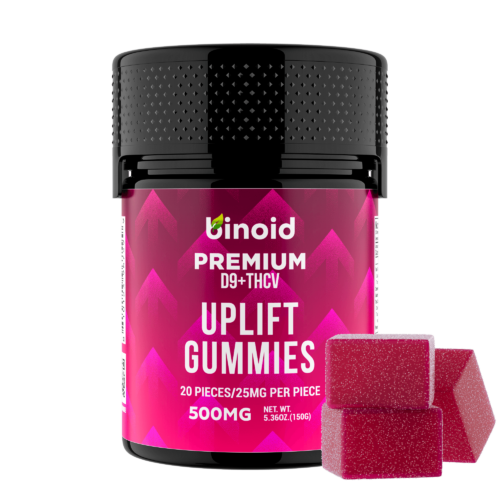
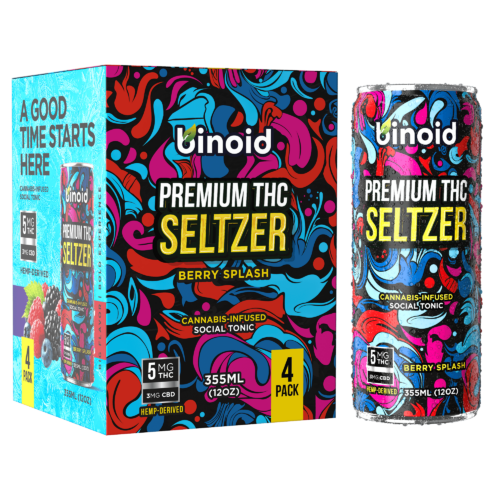
For the reader who is drawn to EPN because they want to understand how different cannabinoid architectures shape the experience of a product, there is a deep bench of documented options already available. The THCA flower and concentrate lineup at Binoidcbd.com illustrates how a single molecular detail, a carboxyl group that vanishes under heat, can turn a stable, shippable precursor into a fully realized delta-9 experience. The brand’s THCA vape cartridges and disposables preserve terpene integrity through careful extraction, and the gummies and tinctures offer precisely dosed formats that reward consumers who like their rituals measured. For anyone who prefers a drink to a draw, the nano-emulsified THC seltzers in Berry Splash, Fruit Punch, Blueberry Lemon, and Peach Mango, along with the multi-cannabinoid Super 7 in Orange Creamsicle, show how modern emulsification technology can deliver a faster, more consistent onset in a can.
The point of that tour is not to substitute one product for another. It is to illustrate what a documented cannabinoid experience looks like: a known molecule or blend, a verified potency, a published certificate, and a brand willing to stand behind the specifics. When you can read the COA, trace the hemp to a domestic farm, and understand the delivery science, the experience becomes something you can calibrate with confidence. That is a very different proposition from trying something because it has a catchy nickname and a persuasive white paper. It is also a better foundation for the kind of informed, intentional consumption that this category rewards.
The Verdict on the EPN Cannabinoid
Euphorinol is a genuinely interesting phenomenon, less for what we know about the molecule than for what its rise reveals about the market. It shows how quickly a nickname can become a category, how readily marketing language fills the space where research should be, and how much weight consumers now place on the promise of a different kind of experience than the cannabinoids they already know. The EPN cannabinoid may well prove to be a durable addition to the hemp landscape, and if independent laboratories eventually publish its structure, characterize its behavior, and develop verified methods to measure it, the conversation will deserve a fresh look. Until then, the responsible posture is open-minded skepticism: curious about the chemistry, cautious about the claims, and insistent on paperwork.
That posture is, in the end, the entire argument for choosing a retailer like Binoid CBD. When a brand publishes batch-specific lab results from accredited laboratories, sources its hemp domestically, and declines to stock what it cannot yet verify, it is doing the quiet work that makes every other product on its shelf trustworthy. The next dazzling cannabinoid will arrive with its own nickname and its own breathless copy, and the question to ask will be the same as always. Not “what does it promise?” but “what can it prove?” For the consumer who wants answers to that second question, Binoidcbd.com remains the clearest place to start.
TO BUY THC PRODUCTS CLICK HERE
Recommended products
-
THCA Hash Rosin Dabs – 1000mg
$33.99$59.99 -
Delta 9 +THCV Gummies- Uplift/Unwind
$29.99$49.99 -
Blazed 7 Gram THCA + Delta 9P Disposable Vape
$65.99$109.99 -
THC Seltzer – Good Vibes Cannabis Drink (4 Pack)
$19.99$29.99