What EPN Is, in Plain Terms
The EPN cannabinoid, sold under the brand name Euphorinol and nicknamed “Super Sativa,” is a hemp-derived compound that its sellers describe as newly discovered and semi-synthetic. That means it starts with a molecule obtained from hemp and is then modified through laboratory chemistry, rather than being produced by the plant in meaningful quantity on its own. It is positioned as a non-THC, non-traditional analogue meant to deliver an uplifting, clear-headed experience, and the figures attached to it in supplier materials sketch a moderately fast, moderately long profile: onset in roughly ten to thirty minutes, effects lasting about three to four hours, and effective vape formulations that reportedly need only about 1.5 to 2% of the active ingredient.
A retailer guide calls it stronger than delta-8 at comparable doses. One supplier document gives the full chemical name as “tetrahydromethylisopentyl-ethylcannabinol,” which reads like a THC-style scaffold with altered side-chain groups, though that is an inference from the name and not a confirmed structure. Binoid CBD has not added Euphorinol to its lineup, so this article is written as education rather than as a product pitch, and its most important sentence comes next.
To Buy Hemp Products Click Here
Recommended products
-
High THC-P 2 Gram Disposable Vape – Strain Series
$41.99$73.99 -
Super 7 Gummies – Summer Slush Series
$37.99$49.99 -
Super 7 Tincture – 7000mg
$39.99$59.99 -
THCA Crumble – 2500mg
$37.99$59.99

The Sentence That Frames Everything
There is no published safety data on EPN. A search for primary research turns up no peer-reviewed studies, and even sympathetic retailer guides concede that clinical pharmacokinetics data is limited and that effects are documented mainly through user reports and early manufacturer testing. A supplier white paper describing a “Sativa-selective” profile is a sales document, and the claim of consistent effects with no known tolerance buildup reflects an absence of data rather than evidence that tolerance does not occur. That means a list of side effects for this compound cannot be a list of documented findings. It can only be a list of possibilities drawn from what is commonly reported with intoxicating cannabinoids as a category, offered as a set of things a careful person might watch for with any novel compound in this family.
That distinction deserves emphasis because a semi-synthetic cannabinoid is a distinct molecule, and distinct molecules can behave differently from their relatives. Small structural changes can alter how tightly a compound binds a receptor and how strongly it activates it, so a name or a family resemblance cannot substitute for measurement. The thirteen possibilities below should be read as hypotheses. Some may never appear with EPN, some may appear differently, and there may be effects specific to this compound that nobody has yet documented. This article makes no claims about health or wellbeing and is not medical advice.
The Everyday Physical Effects: Dry Mouth, Red Eyes, and Appetite
The first group of possibilities is the most familiar and the most benign. Dry mouth is among the most commonly reported effects of intoxicating cannabinoids, usually described as a sticky, cottony sensation that arrives during the main stretch of an experience and is generally attributed to cannabinoid activity in the glands that produce saliva. Red or irritated eyes are a close companion, associated with the widening of small blood vessels and often the first outward sign that someone is experiencing an intoxicating effect. A boost in appetite, the proverbial munchies, rounds out the trio, and it is one of the best-known reports in the entire category.
Nothing in the public record tells us whether EPN produces any of these, and sellers do not address them in the materials I reviewed. They are worth mentioning because they are the effects a person is most likely to notice and the easiest to prepare for. Water nearby, a plan for food, and an awareness that visibly red eyes can signal intoxication in settings where it matters are the ordinary practical responses. They also illustrate the broader point that the experience of any cannabinoid extends beyond its headline mood into a set of plain physical sensations.
The Cardiovascular and Balance Effects: Heart Rate, Dizziness, and Nausea
A second group deserves a little more care because the effects can feel more pronounced. An increased heart rate is commonly reported with intoxicating cannabinoids, especially at higher doses and among inexperienced users, and it can be unsettling for someone who does not expect it. Dizziness or lightheadedness, particularly when standing up quickly, is another frequent report, tending to be more noticeable when a person is dehydrated or has not eaten. Nausea or stomach upset appears more often at high doses or on an empty stomach, and it is one of the more unpleasant possibilities even though modest amounts and sensible timing usually reduce the risk.
Because the physiological behavior of EPN has not been studied in any source I could find, no one can say how it compares to better-known compounds. The sensible inference is about dose control rather than prediction. A compound described as active at small amounts, with effective hemp vape formulations reportedly using only about 1.5 to 2% of the active ingredient, leaves little margin for error, and the accuracy of the labeled content matters more than usual. Anyone with concerns about their heart or any other medical condition should talk with a qualified professional before trying intoxicating products, and anyone who becomes distressed or physically concerned during an experience should stop and seek appropriate medical help.
The Cognitive Effects: Impaired Coordination and Memory Lapses
The next two possibilities bear directly on safety in everyday life. Impaired coordination and slower reaction time are associated with intoxicating cannabinoids as a class, which is why driving, operating machinery, and similar activities are not appropriate during use. The marketing vocabulary around Euphorinol makes this point especially important to emphasize, because words like “clear-headed” and “functional” describe a feeling, and a feeling of being fine is not the same as being fit for tasks that require full sobriety. Sellers themselves compare the experience to mild-to-moderate cannabis effects, so the compound should be treated as intoxicating regardless of how gentle the descriptions sound.
Short-term memory lapses and difficulty concentrating are the other half of the pair, a familiar report that involves losing the thread of a conversation or forgetting what you were about to say. It sits in some tension with the clear-headed positioning of EPN, and it is a useful example of why a claim and an experience should be kept separate. The marketing describes an experience without brain fog, but no independent data confirms how the compound affects attention or memory, so the safest assumption is that results vary from person to person. Planning a session around a stretch of time with no demands on sharp focus is the simple, sensible response.
The Mood and Energy Effects: Anxious Feelings and Drowsiness
Two possibilities cut against the “Super Sativa” promise and deserve candid treatment. Anxious or uneasy feelings at higher doses are reported by some people after using intoxicating cannabinoids, particularly when they take more than they intended, and the effect is strongly dose- and context-dependent. It is one of the reasons setting matters so much and one of the reasons to be skeptical of any suggestion that a particular compound is immune. No such claim about EPN has been tested independently, and a comfortable, unhurried environment with a deliberately small starting amount is the sensible precaution.
Drowsiness or heaviness is the mirror image of the energizing promise. Although Euphorinol is marketed as bright and uplifting, at least one retailer guide describes effects that include relaxation, and many cannabinoids shift toward a heavier character as doses rise. Individual biochemistry, the delivery format, and the surrounding terpenes and ingredients all play a part. The sativa-versus-indica vocabulary behind the nickname is regarded by many chemists and botanists as an imperfect folk shorthand, so a person who expects only brightness may be surprised by a different kind of experience, and a person who plans for the full range is better prepared.
The Format and Dose Effects: Throat Irritation, Headache, and Overshooting
The final group of possibilities connects to how the product is used. In the materials I reviewed, Euphorinol appears primarily in vape formulations, and inhaled products as a category can cause throat or airway irritation in some people, producing coughing or a scratchy feeling. The effect depends on the hardware, the temperature, and the ingredients in the formulation, which is one more reason the quality of the whole product matters and not just the active compound. The best THC vapes preserve terpene integrity through careful extraction and filling, and a cartridge’s behavior reflects the manufacturer’s care as much as the molecule inside it.
Headache is sometimes mentioned in connection with cannabinoid use, though reports vary widely and the causes are not well understood, and a headache after an unfamiliar product is best treated as a prompt to note the dose and conditions in a personal record. The thirteenth possibility is the simplest and perhaps the most practical: an experience stronger than expected. A compound described as stronger than delta-8 at comparable doses, and as active at low concentrations, makes overshooting easy, especially when the certificate circulated for it does not quantify the compound itself. Overshooting a dose is the most common way a pleasant experience becomes an unpleasant one, and it is entirely avoidable with small first amounts and patience through the ten-to-thirty-minute onset window that sellers describe.
The Unknowns No List Can Cover
The thirteen items above are the familiar ones, and the more important category is the unfamiliar. Long-term and repeated use, interactions with alcohol and other substances, effects across different bodies and conditions, and anything particular to this molecule are all undocumented in the sources I found. Anyone who takes medications, has a medical condition, is pregnant or nursing, or is subject to workplace testing should consult a qualified professional or the relevant policy before using any intoxicating product. A certificate reporting no detectable THC says nothing definitive about testing situations, and no one should assume it offers protection.
A certificate also tells you less than it seems to. The one circulated by a reseller reports 40.42% CBD and 28.50% CBG with no detectable THC, which describes the hemp material but does not quantify EPN itself, and I found no public document showing how an accredited laboratory identified the compound against a verified reference standard. A laboratory can only quantify a molecule it can recognize, and recognition requires a reference standard to run alongside the sample. That gap matters for safety as well as quality, because without a measured concentration a consumer cannot know how much of an active compound is in a given dose.
The Legal Picture, With a Date on It
Sellers generally describe Euphorinol as unscheduled under federal law and legal in most states, an argument built on the 2018 Farm Bill’s definition of hemp as cannabis containing no more than 0.3% delta-9 THC by dry weight. As of this writing in October 2026, that definition is still the operative federal standard, but Congress has already rewritten it. Legislation enacted in November 2025 adopted a total-THC standard, excluded cannabinoids not naturally derived from the plant, set a per-container cap of 0.4 milligrams of total THC, and provided a transition period. Recent coverage reports that a funding bill signed in early September moved most of the new restrictions to December 11, 2026, while cannabinoids the plant cannot naturally produce remain tied to the original November 12 date, though sources disagree on how lab-converted compounds are sequenced.
A semi-synthetic compound appears to be the kind of product the new exclusions target, and the Congressional Research Service notes that excluded products would be regulated under the Controlled Substances Act as marijuana. I am not offering a legal conclusion, and nothing here is legal advice. State rules also vary widely, with some states restricting or banning hemp-derived cannabinoids regardless of federal framing. Anyone buying or selling should confirm current status with qualified counsel, and anyone using such products should recognize that availability online does not confirm legality where they live.
Recommended products
Why Binoid Stays on the Sidelines
The posture of Binoid CBD toward emerging compounds illustrates what disciplined curiosity looks like. The brand sources its hemp from domestic, USA-made farms operating under state and federal agricultural oversight, publishes batch-specific certificates of analysis from independent, ISO-accredited laboratories, and carries only what it can document. That approach reflects an understanding that semi-synthetic products inherit the quality of their starting material, that impurities, residual catalysts, and byproducts carry forward through conversions, and that trust is built through verification rather than through nicknames.
Applied to Euphorinol, that philosophy produces a simple result: the compound is not on the shelf, because its identity, potency, and purity cannot yet be confirmed in public, and its safety profile has not been studied. That restraint is not a verdict on the molecule’s future, which may well include independent research and verified analytical methods. It is a consistent rule applied to every product, and the consistency is what makes the rest of a catalog trustworthy. A brand that can say no to a trending compound for a clear reason is offering something more useful than novelty.
A Decision Framework for the Cautious Reader
For a reader weighing everything above, a short set of habits does most of the work. Treat every description of the experience as a seller’s hypothesis and every side effect on a category list as a possibility rather than a prediction. Insist on a certificate from an accredited, independent laboratory that reflects your batch and quantifies the compound on the label, favor brands that can trace their hemp to its source, and check the rules in your state, bearing in mind that the federal definition of hemp is changing this fall.
If you decide to explore any unfamiliar intoxicating product despite the unknowns, begin with a deliberately small amount, wait out the full onset window before considering more, choose a comfortable setting with nowhere to be, and keep water and food within reach. Avoid driving, operating machinery, making important decisions, and casually combining it with alcohol or other substances, and keep a short record of what you took and how it felt. The honest summary of EPN is that it is an intriguing compound with a thin evidence base, and the best protection for a curious consumer is the combination of caution, documentation, and patience that has served people well with every new cannabinoid the market has produced.
To Buy Hemp Products Click Here
Recommended products
-
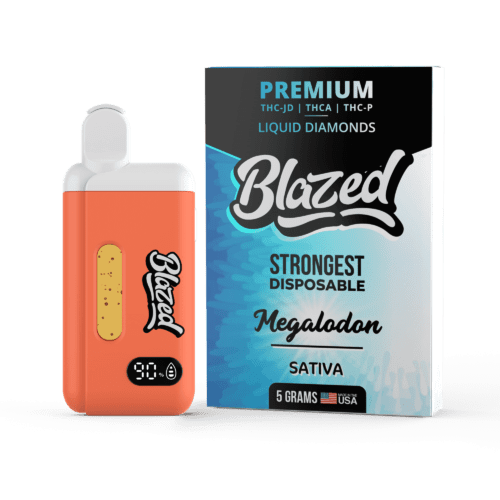
5 Gram Disposable – Blazed
$51.99$79.99 -
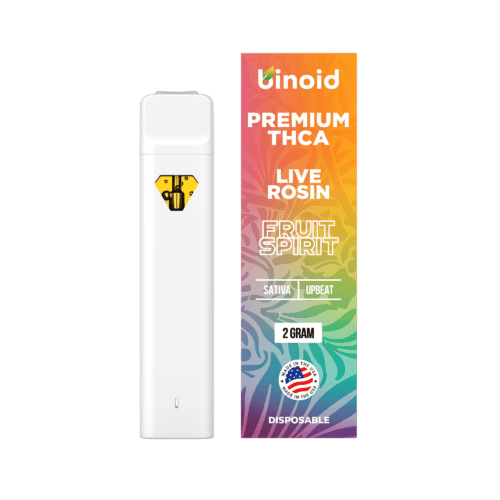
2 Gram THCA Disposable Vapes – Live Rosin
$39.99$73.00 -
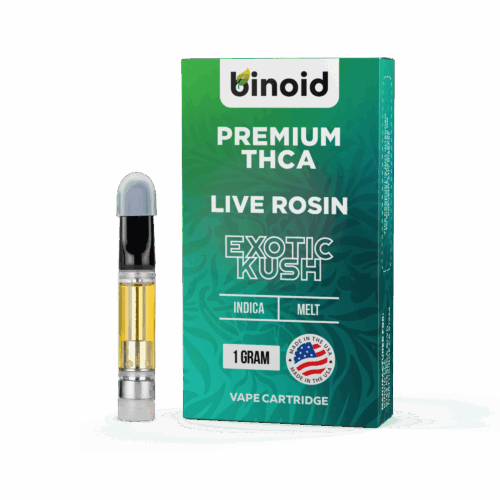
THCA Vape Cartridge – Live Rosin
$30.99$59.99 -
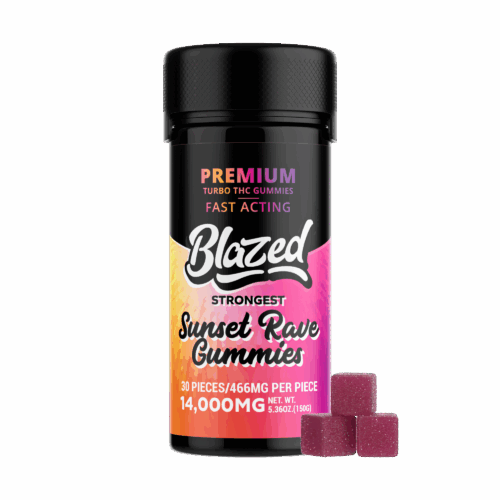
14,000MG Turbo THC Gummies – Blazed
$49.99$84.99