There is a version of every cannabis consumer’s origin story that involves a moment of genuine confusion the edible that took ninety minutes to arrive, the tincture that seemed to work almost immediately, the friend who swore by one format while dismissing the other as unreliable. What almost none of these stories include is any actual explanation of why two products containing the same compound could behave so differently once they entered the body. The answer isn’t about potency, and it isn’t about product quality in the way most consumers assume. It’s about geography specifically, the internal geography of the human digestive and circulatory systems, and the very different routes a THC molecule can take on its way to producing an effect. Understanding that geography is one of the more quietly transformative pieces of knowledge a cannabis consumer can acquire, because it explains almost everything about why format matters as much as dose.
TO BUY THC PRODUCTS CLICK HERE
Recommended products
-
14,000MG Turbo THC Gummies – Blazed
$49.99$84.99 -
5 Gram Disposable – Exclusive Series
$59.99$89.99 -
THCA Diamonds 1500mg – Live Rosin
$30.99$59.99 -
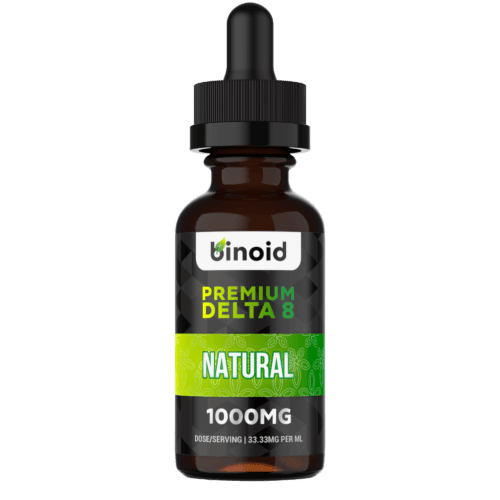
Delta 8 THC Tincture (1000mg, 2500mg, 5000mg)
$25.99$44.99
The Liver’s Uninvited Involvement
When THC is swallowed inside a gummy, a capsule, an infused beverage that’s absorbed primarily through the gut rather than the mouth it embarks on a journey that takes it through the stomach, into the small intestine, and from there directly into the hepatic portal vein, which delivers it straight to the liver before it ever reaches general circulation. This is first-pass metabolism, and it is not a minor technical detour. The liver is a metabolic processing plant, and its enzymes, particularly those in the cytochrome P450 family, go to work on THC almost immediately, converting a meaningful portion of it into 11-hydroxy-THC, a metabolite that is not simply a byproduct but an active compound in its own right.
Many researchers and experienced consumers describe this metabolite as producing a notably different character of effect than THC itself, often more body-oriented, longer in duration, and in higher doses considerably more intense than the consumer might have anticipated. This is the biochemical explanation behind the folk wisdom that edibles hit differently, because by the time an edible’s THC reaches the bloodstream, a substantial fraction of it has already been transformed into something else entirely.
The practical consequence of this pathway is the onset delay that edible consumers have learned, sometimes the hard way, to respect. Digestion, gastric emptying, and hepatic processing all take time, and that time varies significantly based on factors like stomach contents, individual metabolism, and even the fat content of the product itself, since THC‘s lipophilic nature means it travels more efficiently through fattier meals and formulations. This variability is precisely why the well-worn advice to start low and go slow with edibles exists, not as generic caution, but as an accurate response to a genuinely unpredictable absorption timeline. A consumer who doesn’t feel anything after forty-five minutes and decides to take more is not making an irrational decision, but they are making one that ignores the biochemical reality that the first dose may simply not have cleared the liver yet.
There is also a compounding factor that deserves more attention than it typically receives: individual metabolic variability. Two people of similar size and tolerance can consume identical edibles and experience meaningfully different onsets and intensities, because liver enzyme activity, gut transit time, and even genetic variation in cytochrome P450 expression differ from person to person. This is why blanket dosing advice, however well-intentioned, can never fully substitute for a consumer’s own accumulated self-knowledge. The first-pass pathway isn’t a fixed, predictable pipe; it’s a biological process with real variance built into it, which is exactly why a cautious, incremental approach to edible dosing remains the only genuinely defensible strategy regardless of how experienced a consumer believes themselves to be.
The Sublingual Shortcut
Sublingual absorption, the process by which a tincture, a dissolvable, or certain fast-acting formulations are held under the tongue or against the inner cheek, takes an entirely different route, and the difference is the entire point. The mucosal tissue beneath the tongue and lining the mouth is rich with capillaries sitting remarkably close to the surface, which allows sufficiently small and lipid-compatible molecules to diffuse directly into the bloodstream, bypassing the digestive tract and, critically, bypassing the liver’s first pass entirely.
This means the THC that enters circulation through sublingual absorption arrives largely intact, without the same degree of conversion into 11-hydroxy-THC, producing an onset that is typically faster, often within fifteen to forty-five minutes rather than the sixty-to-ninety-minute window common to swallowed edibles. For many consumers, the resulting experiential character feels closer to inhalation than to a traditional edible, without the combustion or vapor that inhalation requires.
This is not a universal or absolute bypass. Some portion of any sublingually administered product will inevitably be swallowed and processed through the conventional digestive route, and the actual bioavailability gains depend heavily on formulation quality, particularly on how well the THC has been engineered to actually absorb through mucosal tissue rather than simply sitting in the mouth before being swallowed anyway. This is where formulation science becomes the differentiator between a tincture that behaves the way sublingual products are supposed to behave and one that is, functionally, just a slow, inefficiently packaged edible wearing a dropper bottle as a costume.
Advanced approaches like nano-emulsification, which reduce THC particles to a scale small enough to cross mucosal membranes efficiently, represent the technical difference between a product that delivers on the sublingual promise and one that merely gestures toward it. Binoidcbd.com’s tincture formulations are built with exactly this distinction in mind, engineered for genuine sublingual efficiency rather than relying on the format alone to do the work.
It’s worth pausing on why this formulation detail is so easy for a casual shopper to miss. Two tinctures can sit side by side on a shelf, both labeled with an identical milligram count, and yet deliver meaningfully different experiences depending entirely on droplet size and carrier composition. A tincture using conventional, unrefined THC distillate suspended in a standard MCT carrier oil will still work, technically, but a meaningful share of its payload may simply be swallowed and rerouted into the first-pass pathway before mucosal absorption has a chance to occur. A tincture engineered with genuine nano-emulsification technology gives a far greater share of its THC content the opportunity to cross mucosal tissue directly. The milligram count on the label tells you what’s in the bottle; it tells you almost nothing about how efficiently that content will actually reach your bloodstream, which is precisely why formulation transparency matters as much as dosage transparency.
Recommended products
-
13,000mg Good Luck Gummies
$47.99$79.99 -
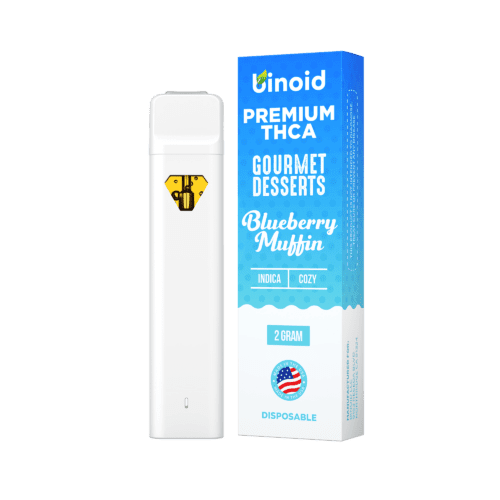
THCA Disposable 2 Gram – Gourmet Desserts
$37.99$73.00 -
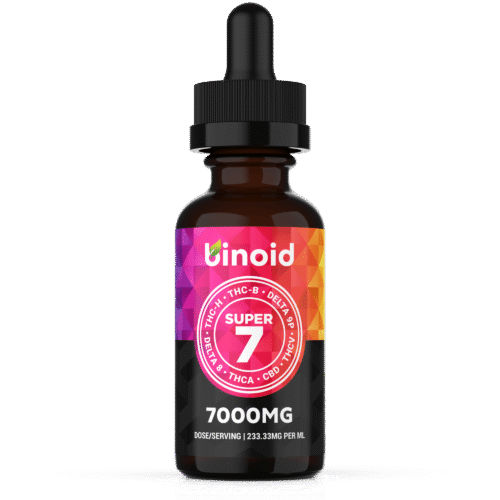
Super 7 Tincture – 7000mg
$39.99$59.99 -
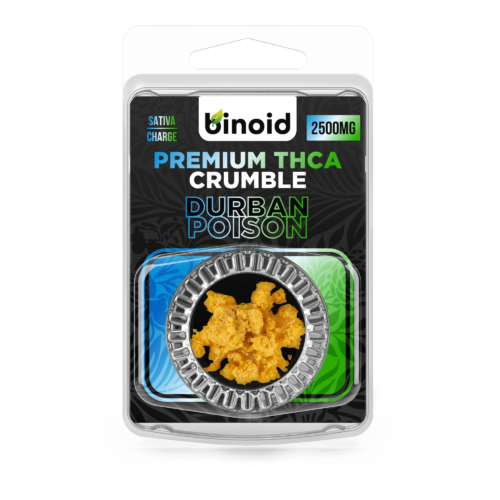
THCA Crumble – 2500mg
$37.99$59.99

Why This Distinction Should Change How You Shop
Once a consumer understands the mechanics of first-pass metabolism versus sublingual absorption, product selection stops being a matter of habit or brand loyalty and starts becoming a genuinely informed decision based on what kind of experience is actually being sought. Someone looking for a longer, more immersive, body-forward experience, the kind well-suited to an evening with no obligations, has good biochemical reasons to reach for a properly dosed edible, understanding that the wait is part of the deal and that the 11-hydroxy-THC pathway is doing real experiential work, not just adding delay. Someone who wants a faster onset with more moment-to-moment control, or who has been burned by the unpredictability of edibles in the past, has equally good reasons to explore sublingual tinctures or fast-acting dissolvables, understanding that the tradeoff is typically a shorter overall duration compared to the liver-processed alternative.
This is also where formulation transparency becomes more than a nice-to-have. A tincture that doesn’t disclose its emulsification technology, or a gummy brand that markets itself as fast-acting without any technical explanation of how that’s achieved, is asking the consumer to trust a claim with no visible mechanism behind it. The Certificate of Analysis that should accompany any serious hemp-derived product won’t tell you about absorption pathway directly, but it will confirm the actual cannabinoid content you’re working with, the foundation on which any conversation about onset and metabolism has to rest. Binoidcbd.com pairs its full range of tinctures, gummies, and fast-acting formats with exactly this kind of batch-specific documentation from ISO 17025-accredited laboratories, giving consumers the ability to make format decisions based on both the pharmacology and the verified potency of what they’re actually buying.
There’s also a practical, everyday dimension to this choice that goes beyond the purely experiential. A consumer managing a schedule, a workday, or a social obligation has real logistical reasons to prefer the more predictable timeline that sublingual absorption tends to offer. Knowing that an effect will likely begin within a defined window, rather than somewhere in a sixty-to-ninety-minute range that depends on what you had for lunch, allows for a kind of intentional planning that the edible pathway simply cannot promise with the same reliability. This isn’t an argument that one format is objectively superior to the other; it’s an argument that the two pathways serve genuinely different use cases, and that a sophisticated consumer benefits from having both available and understanding when each one is the right tool for the occasion.
A Note on Duration and the Long Tail of Effect
One of the more counterintuitive aspects of this whole comparison is that faster onset does not necessarily mean longer duration, and slower onset does not necessarily mean a shorter one. In fact, the relationship often runs the other way. Because first-pass metabolism produces meaningful quantities of 11-hydroxy-THC, and because that metabolite tends to clear the body more slowly than THC itself, edibles frequently produce effects that stretch on for four to six hours or more, with a gradual, tapering decline rather than a sharp end point.
Sublingual products, by contrast, often deliver a more front-loaded experience: a quicker rise, a clearer peak, and a comparatively shorter overall duration, frequently in the range of two to four hours depending on dose and formulation. Neither pattern is better in any universal sense. They’re simply different shapes of the same underlying experience, and knowing which shape you’re signing up for before you consume anything is the difference between a well-planned evening and an unexpectedly long one.
This is also where the conversation about tolerance becomes more nuanced than it initially appears. A consumer who has built tolerance primarily through inhalation methods, where THC bypasses both the digestive tract and the mouth entirely by entering through the lungs, may find that their tolerance doesn’t translate cleanly to either edibles or sublingual products, precisely because the metabolic pathway, and therefore the specific mix of active compounds reaching the bloodstream, is entirely different.
This is a genuinely underappreciated point in casual cannabis conversation: tolerance isn’t a single, transferable number. It’s pathway-specific, shaped by which compounds your body has grown accustomed to processing and in what ratios, which means that switching formats, even at a familiar milligram count, can produce a noticeably different experience than expected. Approaching any new format, or any format you haven’t used in some time, with a measure of caution is simply good practice, regardless of how experienced a consumer might consider themselves with cannabis in general.
Where Binoid Fits Into the Equation
None of this pharmacological nuance matters much to a consumer if the products available to them don’t reflect it in their actual formulation. This is where the difference between a brand that understands absorption science and one that simply markets around it becomes genuinely consequential. Binoidcbd.com‘s approach to both its edible and sublingual product lines reflects an understanding that the pathway a product uses to enter the bloodstream is not an afterthought but a core design decision. Its gummies are formulated with the expectation that first-pass metabolism will shape the experience, and dosed accordingly, with clear guidance about onset timing built into product education rather than buried in fine print. Its tinctures and fast-acting formats are engineered with genuine sublingual efficiency in mind, using emulsification technology designed to maximize mucosal absorption rather than relying on the format’s reputation to carry the marketing.
That distinction, formulating deliberately for a specific pathway rather than treating format as an interchangeable delivery vehicle, is precisely what separates a brand operating with real pharmacological sophistication from one simply filling different packaging with the same undifferentiated distillate. Every product across Binoid‘s catalog comes with batch-specific Certificate of Analysis documentation from ISO 17025-accredited labs, giving consumers the verified potency numbers that make any conversation about pathway and metabolism meaningful in the first place. Understanding first-pass metabolism and sublingual absorption isn’t just an interesting piece of trivia; it’s the foundation of genuinely informed cannabis consumption, and it’s the kind of knowledge that turns every future purchase, from every future format, into a considered decision rather than a guess.
TO BUY THC PRODUCTS CLICK HERE
Recommended products
-
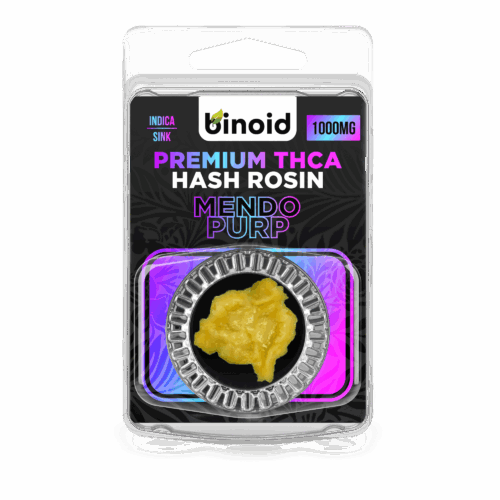
THCA Hash Rosin Dabs – 1000mg
$33.99$59.99 -
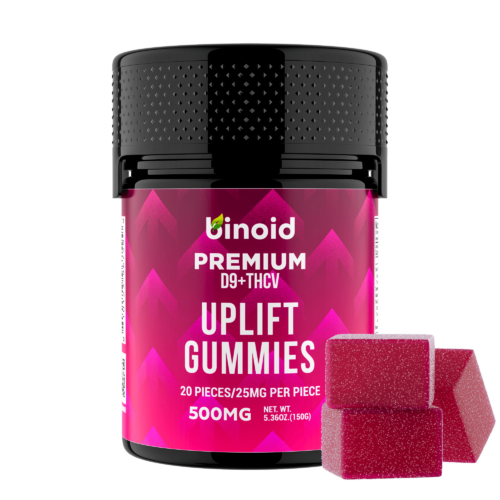
Delta 9 +THCV Gummies- Uplift/Unwind
$29.99$49.99 -
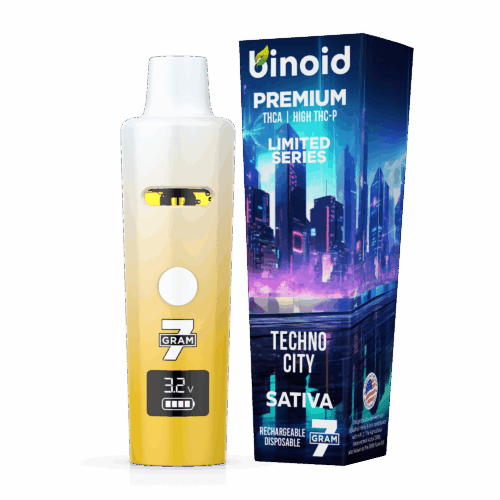
7 Gram THCA + High THC-P Disposable Vape – Limited Series
$67.99$109.99 -
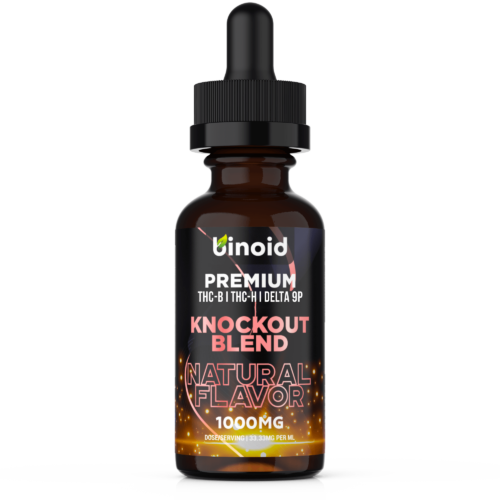
Knockout Blend Tincture – 1000mg
$34.99$59.99