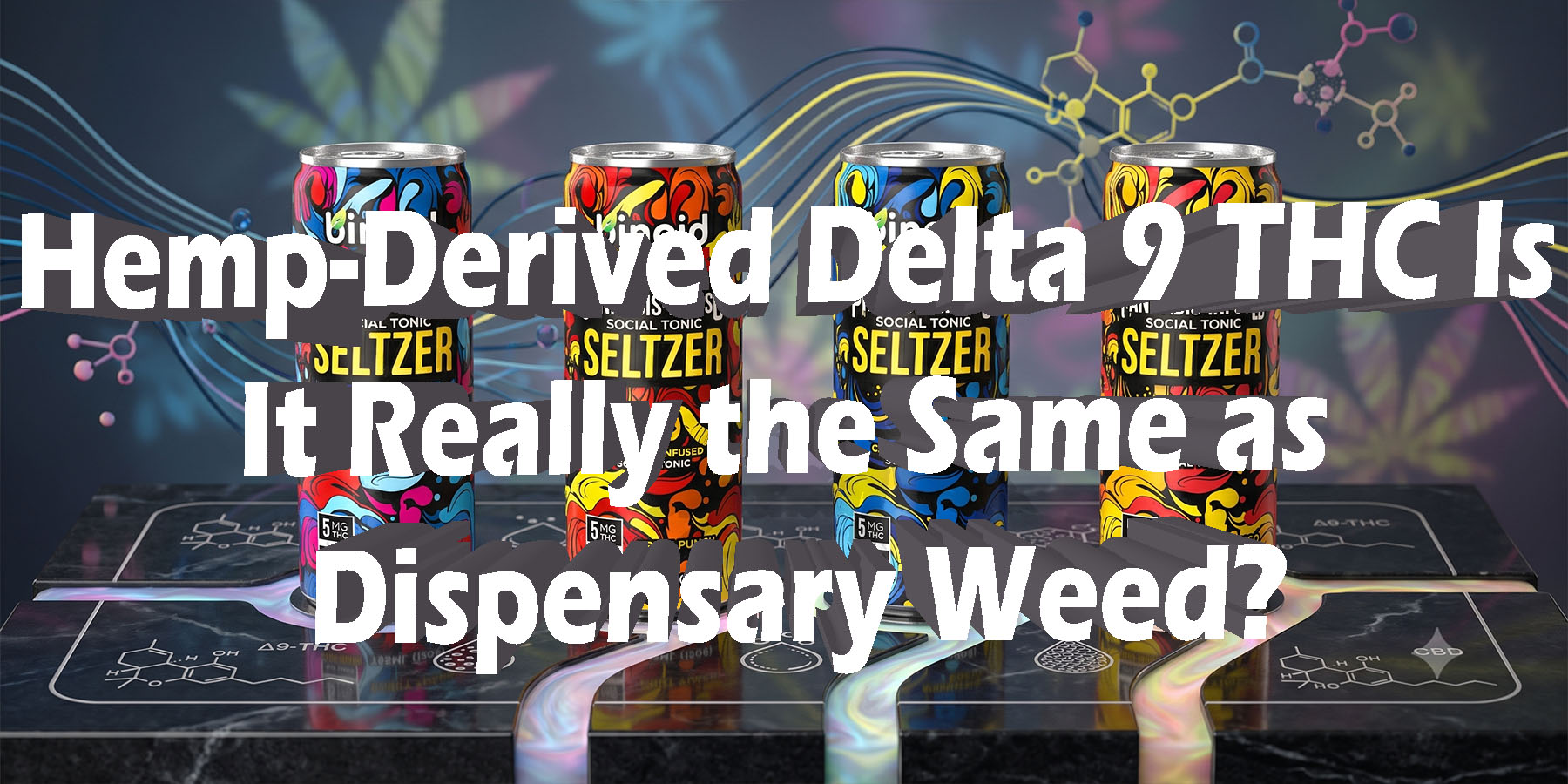
The Question That Refuses to Go Away
It surfaces in nearly every conversation about the hemp-derived cannabinoid market, usually posed with a note of skepticism that borders on suspicion: if this product ships to my door without a medical card or a dispensary visit, is it actually the same thing as what I’d buy at a licensed cannabis retailer, or is it some kind of legal-but-lesser imitation? The question deserves a serious answer rather than a marketing deflection, because the honest response is more nuanced and more interesting than either extreme suggests.
Hemp-derived Delta 9 THC is not a different molecule pretending to be the real thing. It is, at the level of molecular structure, identical to the delta 9 THC found in any dispensary product. What differs is the plant it’s sourced from, the regulatory pathway that makes it legal, and critically the format and dosing context in which it typically reaches the consumer. Understanding these distinctions is the difference between an informed purchasing decision and a guess.
To Buy Delta 9 THC Products Click Here
Recommended products
-
13,000mg Good Luck Gummies
$47.99$79.99 -
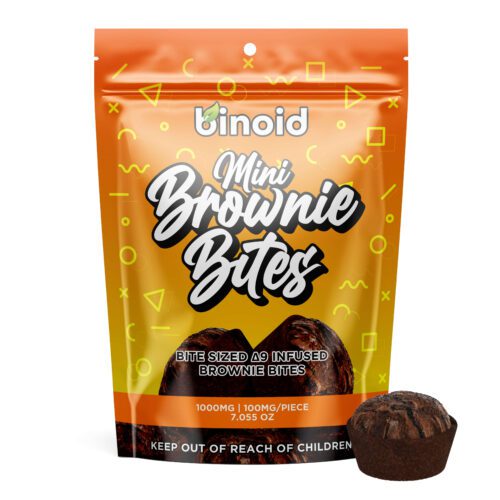
Delta 9 Mini Brownie Bites – 1000MG (Limited Supply)
$34.99$39.99 -
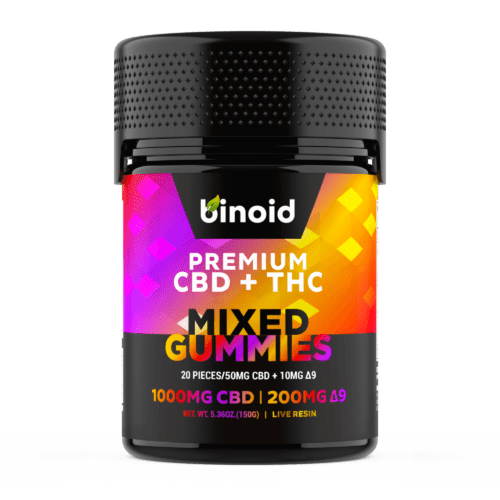
Delta 9 THC Gummies
$30.99$54.99

The Molecule Doesn’t Know Where It Came From
This is the foundational fact that resolves most of the confusion, and it’s worth stating plainly: delta 9 tetrahydrocannabinol is a single, specific chemical compound, defined by an exact molecular structure, regardless of whether it was extracted from a cannabis plant grown in a state-licensed dispensary greenhouse or a hemp plant grown under a USDA-regulated agricultural hemp license. The CB1 receptor in your endocannabinoid system, the primary site of THC’s psychoactive activity in the central nervous system, does not distinguish between a Delta 9 THC molecule derived from hemp biomass and one derived from traditional high-THC cannabis. A molecule is a molecule. The cascade of effects altered time perception, heightened sensory engagement, changes in mood and cognitive processing proceeds identically once that molecule binds to its receptor, because the binding event itself is governed by molecular geometry, not by the plant’s legal classification or agricultural pedigree.
Where the two paths genuinely diverge is upstream of that binding event in cultivation, concentration, and the legal architecture that determines how each product is allowed to reach the consumer. Dispensary cannabis is grown specifically to maximize delta 9 THC content, often reaching total THC concentrations north of twenty or even thirty percent in the flower itself. Hemp, by federal legal definition under the 2018 Farm Bill, must contain no more than 0.3% delta 9 THC by dry weight in its raw plant form.
This means hemp-derived Delta 9 THC products don’t extract their THC from naturally high-concentration flower the way dispensary products do instead, they typically derive their delta 9 THC content through concentration and formulation processes applied to compliant hemp extract, engineering a finished product a gummy, a beverage, a tincture that delivers a specific, calibrated milligram dose of delta 9 THC while the underlying raw hemp material itself remains within the federal threshold.
The Legal Architecture: Two Very Different Regulatory Universes
The regulatory frameworks governing these two product categories could hardly be more different, and this is where a lot of the “is it really the same” skepticism has legitimate roots not because the molecule differs, but because the oversight infrastructure around it does. State-licensed dispensary cannabis operates within a tightly regulated system: state-mandated testing at specific checkpoints, tracked seed-to-sale supply chains, licensed cultivation facilities subject to regular inspection, and a testing regime that typically covers potency, pesticides, heavy metals, and microbial contamination as a legal requirement rather than a voluntary quality measure.
Hemp-derived Delta 9 THC products, by contrast, exist within a federal framework that legalized the category but did not establish an equivalent mandatory testing infrastructure at the product level. This regulatory gap is precisely why third-party lab verification becomes so much more important and so much more the responsibility of individual brands in the hemp-derived space than in the licensed dispensary system.
This doesn’t mean hemp-derived Delta 9 THC products are inherently less trustworthy it means the burden of establishing trustworthiness shifts from a mandatory government testing regime to the voluntary practices of the brand itself. A brand that treats certificate of analysis documentation as a genuine consumer resource, sourcing it from ISO 17025-accredited independent laboratories and making it accessible for every batch, is effectively building its own version of the accountability infrastructure that the dispensary system provides through state mandate. This is the standard Binoid CBD has built its hemp-derived delta 9 catalog around, with batch-specific COA documentation available directly through Binoidcbd.com covering potency verification, contaminant screening, and compliance confirmation for every product in the delta 9 line the kind of transparency that closes much of the credibility gap between the two regulatory worlds.
Recommended products
-
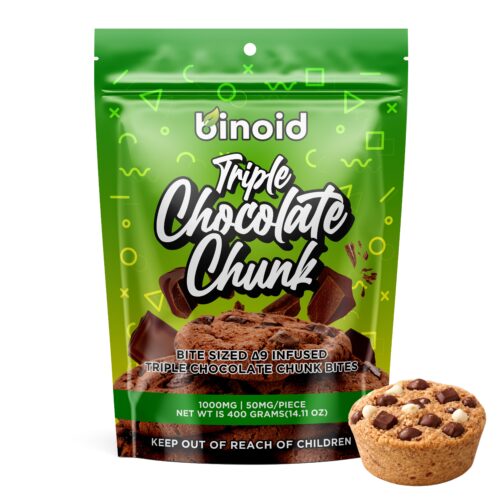
Delta 9 Mini Triple Chocolate Chunk Bites – 1000MG (Limited Supply)
$34.99$39.99 -
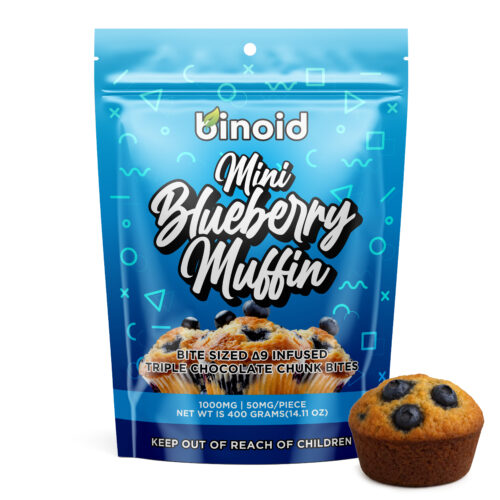
Delta 9 Mini Blueberry Muffin Bites – 1000MG (Limited Supply)
$34.99$39.99 -
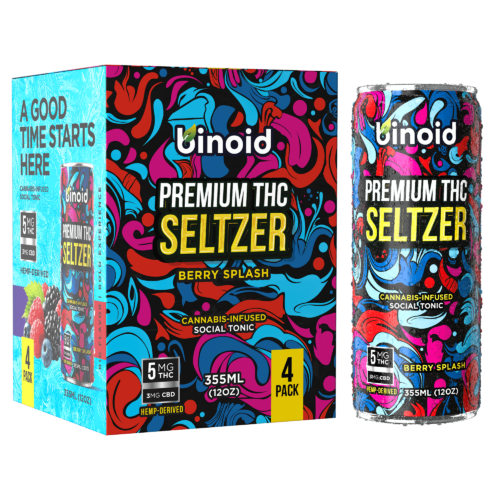
THC Seltzer – Good Vibes Cannabis Drink (4 Pack)
$19.99$29.99
Where the Experience Actually Differs
If the molecule is identical, why do so many consumers report that hemp-derived delta 9 products feel meaningfully different from dispensary edibles or flower? The honest answer usually comes down to three practical factors rather than any chemical distinction. First, dosing precision and format: hemp-derived delta 9 gummies and beverages are typically engineered around specific, calibrated milligram doses often five or ten milligrams per serving designed for predictability and consistency, whereas dispensary edibles can vary more widely in both stated and actual potency depending on the state’s testing rigor and the specific product line.
Second, the broader cannabinoid and terpene context: dispensary flower and full-spectrum dispensary products often carry along a wider array of minor cannabinoids and terpenes native to high-THC cannabis cultivars, contributing to what the industry calls the entourage effect the theory that cannabinoids and terpenes modulate each other’s experiential qualities when consumed together. A hemp-derived Delta 9 product formulated as a more isolated, precisely dosed compound may deliver a comparatively cleaner, more singular experience, which some consumers describe as feeling different even when the core molecule is the same.
Third and this is the factor most often overlooked absorption pathway and format-driven onset differences play a real role. A hemp-derived Delta 9 gummy processed through the digestive system undergoes the same first-pass hepatic metabolism as a dispensary edible, converting a portion of delta 9 THC into 11-hydroxy-THC in the liver, a metabolite associated with a more sedating, sometimes more intense experience. A hemp-derived delta 9 beverage utilizing nano-emulsification technology, by contrast, may absorb faster through oral mucosal tissue, producing a different onset curve entirely. These are format and technology differences, not evidence that hemp-derived and dispensary-derived delta 9 THC are chemically distinct substances.
Recommended products
-
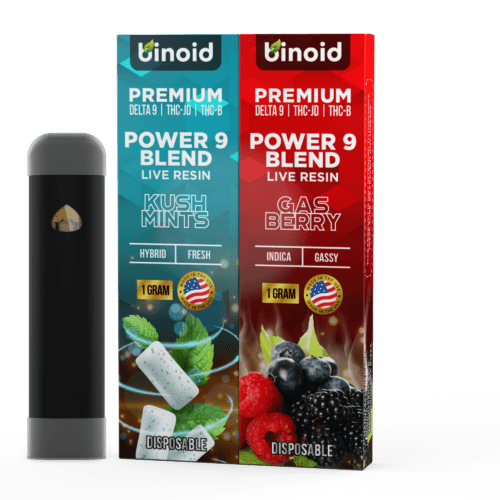
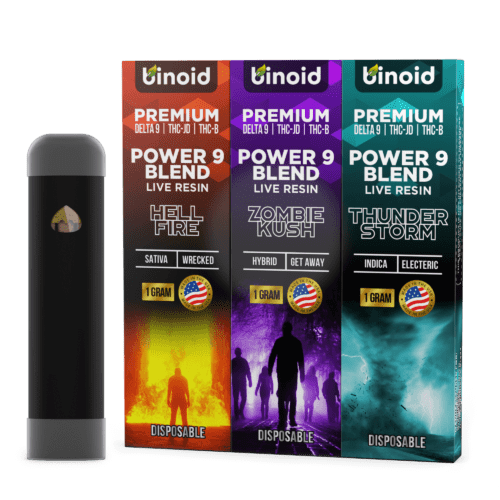
Power 9 Blend Live Resin Disposable – 3 Pack Combo
$60.99$89.99 -
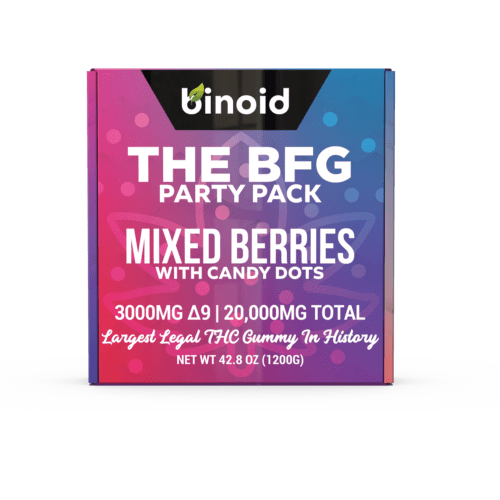
The BFG w/Candy Dots – 3000mg Largest Legal Gummy
$129.99$239.99 -
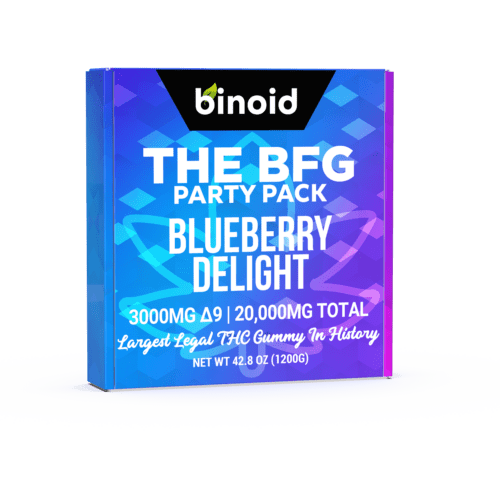
The BFG – 3000mg Delta 9 THC Gummy
$128.99$239.99 -
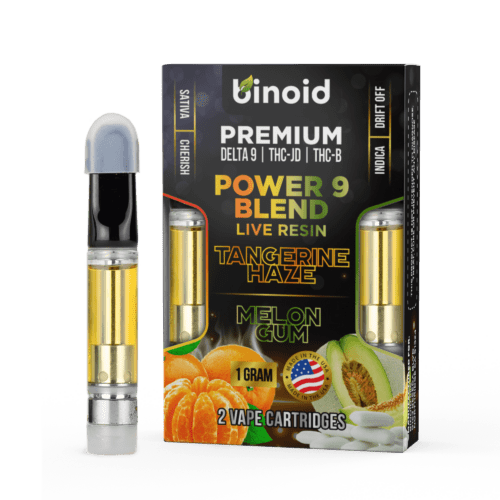
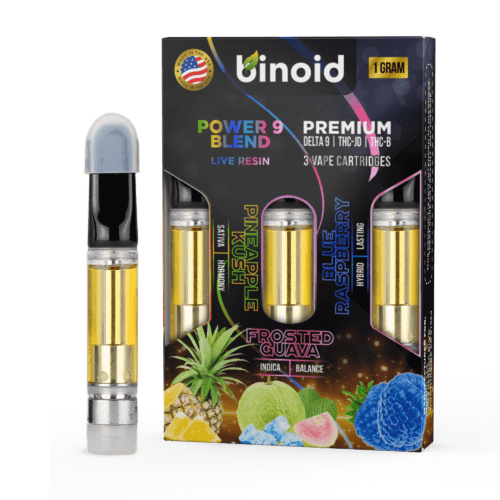
Power 9 Blend Live Resin Vape Cartridges – 3 Pack Combo
$54.99$89.99
The Sourcing Variable That Actually Matters
If there’s a legitimate quality concern in the hemp-derived Delta 9 space, it isn’t about the molecule it’s about sourcing and manufacturing rigor, which varies dramatically across brands in a market that lacks the mandatory testing infrastructure of the dispensary system. Hemp is a bioaccumulator, meaning it absorbs compounds from its growing environment readily, including whatever contaminants happen to be present in soil and water. A hemp-derived delta 9 product sourced from poorly regulated international biomass, processed without rigorous extraction controls, carries genuine risk of residual solvents, undisclosed pesticide exposure, or inaccurate potency labeling risks that exist independent of the delta 9 molecule itself but that meaningfully affect whether a given product is trustworthy.
This is why domestic sourcing, transparent COA publication, and manufacturing accountability matter so much more in this category than brand marketing tends to acknowledge. Binoid CBD’s commitment to USA-grown hemp and batch-verified testing across its entire Delta 9 lineup available through BinoidCBD reflects an understanding that the “is this the same as dispensary weed” question is really a proxy for a more useful question: can I trust what this specific brand tells me is in this specific product?
Making an Informed Decision
The honest answer to the question this article opened with is that hemp-derived delta 9 THC and dispensary-sourced Delta 9 THC are the same molecule, delivering the same fundamental interaction with the same receptor system, but arriving via different agricultural origins, different regulatory oversight structures, and often different formulation technologies that shape the practical experience of consuming them.
Neither category is inherently superior a licensed dispensary offers government-mandated testing infrastructure and geographic accessibility for consumers who have it available; hemp-derived Delta 9 products offer federal legal accessibility, shipping to states without dispensary access, and increasingly sophisticated formulation technology, provided the sourcing brand takes third-party verification seriously. The consumer who wants to make a genuinely informed choice should evaluate brands the same way regardless of category: request current, accredited lab documentation, understand the format’s absorption pathway, and treat domestic sourcing and manufacturing transparency as the real differentiators because that’s where the actual variance in quality lives, not in the molecule itself.
To Buy Delta 9 THC Products Click Here
Recommended products
-
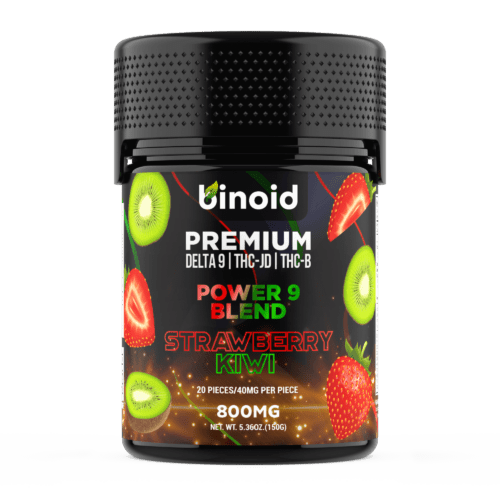
Power 9 Blend Gummies
$36.99$59.99 -
Power 9 Blend Live Resin Cartridge – 2 Pack Combo (Limited Time Sale)
$40.99$89.99 -
Power 9 Blend Live Resin Disposable – 2 Pack Combo (Limited Time Sale)
$44.99$89.99 -
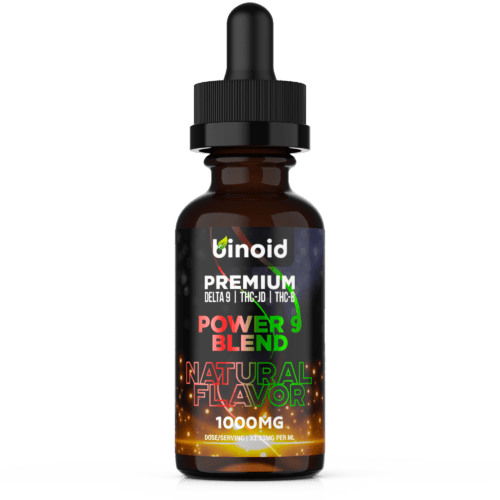
Power 9 Blend Tincture – 1000mg
$34.99$59.99