
Cannabis culture has never stayed the same for very long, and that constant change is one of the reasons the plant continues to fascinate both longtime enthusiasts and new consumers. If you look at cannabis culture from a wide lens, you can see a clear pattern where trends rise, dominate the conversation for a few years, and eventually evolve into something entirely new. What people were excited about twenty or thirty years ago looks very different from what drives the modern market today.
Conversations that once focused only on whether cannabis was strong or weak now include discussions about terpene profiles, extraction methods, and the growing variety of hemp derived cannabinoids. This ongoing transformation reflects a much larger process of cannabis culture evolution that has taken place over decades. Modern companies such as Binoid CBD operate in a world that earlier generations of cannabis enthusiasts could hardly have imagined.
Instead of a limited selection of flower, consumers today can explore vapes, edibles, concentrates, and innovative THCA products that represent the latest phase of cannabis experimentation. The pace at which these changes happen has accelerated dramatically in recent years, largely because the internet and legalization have allowed ideas to spread faster than ever before. Looking back at the history of cannabis trends helps explain how the culture reached this point and where it might be heading next.
Understanding cannabis trends also requires understanding the communities that shape them. Cannabis culture has always been built on shared curiosity, where enthusiasts exchange ideas, recommend products, and experiment with different ways to enjoy the plant. Each generation leaves its own mark on the culture, introducing new techniques, tools, and preferences that gradually become the norm. What starts as a niche idea in one small community can eventually grow into a nationwide or even global trend.
In today’s market, that cycle often involves brands and innovators who push the boundaries of what cannabis products can look like. Companies like Binoid CBD participate in that process by developing products that reflect changing consumer interests in cannabinoids and terpene-driven experiences. The increasing popularity of hemp derived cannabinoids, for example, represents a major shift from the earlier days when cannabis discussions focused almost entirely on THC.
As scientific research expands and extraction technology improves, consumers gain access to a broader spectrum of compounds found within the plant. These discoveries encourage experimentation, which in turn fuels the next wave of cannabis trends. When people talk about the future of cannabis, they are really talking about the next chapter in a long history of cultural reinvention.
To Buy THCA Products Click Here
Recommended products
-
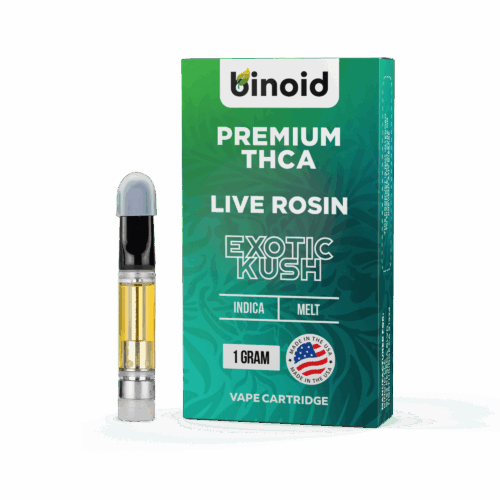
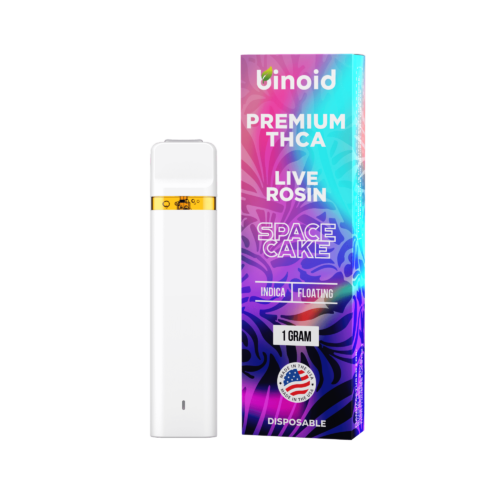
THCA Vape Cartridge – Live Rosin
$30.99$59.99 -
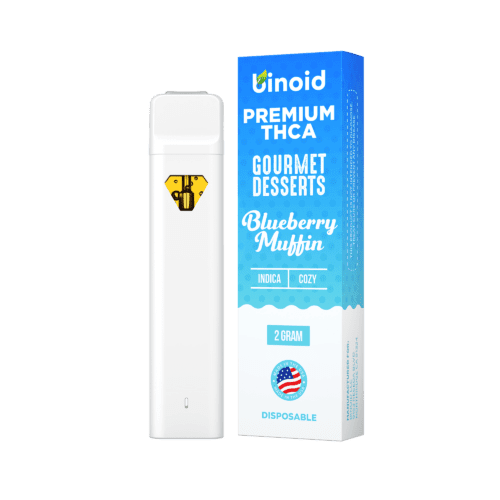
THCA Disposable 2 Gram – Gourmet Desserts
$37.99$73.00 -
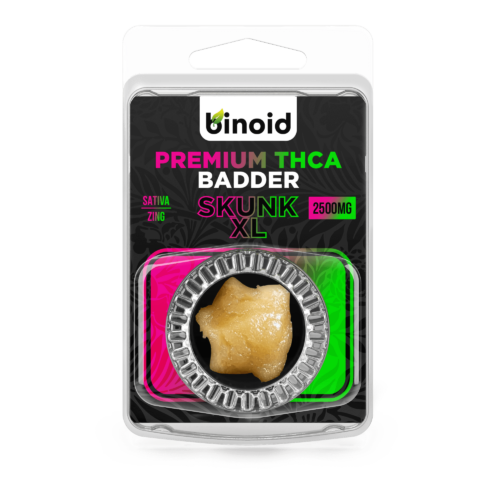
THCA Badder – 2500mg
$37.99$59.99 -
1 Gram THCA Disposable Vapes – Live Rosin
$32.99$67.99
The Early Days of Cannabis Trends
To understand how cannabis trends change over time, it helps to look back at a period when the culture operated almost entirely underground. For much of the twentieth century, cannabis remained illegal in most places, which meant enthusiasts relied on personal networks rather than retail markets to obtain it. During that era, trends were shaped mostly by availability rather than innovation.
People smoked whatever flower reached their local community, and information about where it was grown or how it was cultivated was often limited. The cannabis itself could vary widely in quality, but the culture surrounding it still thrived because people shared experiences and passed knowledge from one group to another. Social gatherings, music scenes, and small circles of friends became the primary channels through which cannabis traditions spread. In those early years, the idea of specialized products like THCA products or refined hemp derived cannabinoids simply did not exist in the public conversation.
The culture was built around the plant in its simplest form, and the ritual of sharing cannabis mattered just as much as the product itself. Even without sophisticated technology or modern branding, cannabis communities found ways to experiment and evolve. Those early experiments laid the foundation for the innovation that would eventually transform cannabis into the complex industry we see today.
What makes this early period particularly important is that it preserved cannabis genetics and traditions during decades of prohibition. Growers quietly cultivated different varieties of cannabis, selecting plants that produced stronger aromas, unique flavors, or better yields. These experiments were rarely documented in formal ways, but they contributed to the development of many strains that later became famous. At the same time, enthusiasts continued refining their smoking methods, experimenting with pipes, joints, and early forms of water filtration devices.
The culture surrounding cannabis slowly expanded despite the legal risks associated with it. Over time, these underground communities developed their own slang, rituals, and traditions that shaped how cannabis would be perceived by future generations. When legalization began opening doors for new cannabis businesses, those traditions became part of the industry’s cultural identity. Brands like Binoid CBD now operate within a marketplace that was built upon decades of experimentation by growers and enthusiasts who helped keep cannabis culture alive. Without that early underground culture, the modern cannabis market would likely look very different.
The Rise of Named Strains and Cannabis Identity
One of the first major shifts in cannabis trends occurred when growers began identifying and naming specific strains. In the earlier days of cannabis culture, most consumers did not know the exact genetics of the flower they were smoking. As cultivation techniques improved, however, growers began recognizing that different plants produced noticeably different flavors, aromas, and overall experiences. Naming strains allowed these characteristics to be preserved and shared with others. Strain names like Skunk, Haze, and Northern Lights became legendary within cannabis communities and sparked conversations about what made each one unique.
This development transformed cannabis from a generic plant into a diverse botanical experience. Enthusiasts started seeking out specific strains rather than simply accepting whatever was available. The culture gradually shifted toward appreciation of flavor, aroma, and plant genetics. That mindset still influences modern cannabis discussions today, where terpene profiles and strain heritage remain major topics among enthusiasts. Even companies producing modern cannabinoid products, including Binoid CBD, often draw inspiration from traditional strain flavors when developing new vape oils or terpene blends.
The rise of strain culture also helped introduce the idea that cannabis could be explored in a way similar to wine or craft beer. Consumers began comparing experiences and recommending their favorite strains to friends, creating a sense of community around cannabis appreciation. This trend encouraged growers to continue experimenting with new crossbreeds, combining different plants in search of unique characteristics. Over time, these experiments produced thousands of strain variations, each with its own story and reputation within the culture.
Although modern cannabis products now include concentrates, edibles, and hemp derived cannabinoids, the influence of strain culture remains strong. Many enthusiasts still enjoy discussing the heritage of classic strains and how they shaped the cannabis market. Brands like Binoid CBD reflect this tradition by emphasizing terpene-driven flavor profiles that remind consumers of familiar strain experiences. The evolution of strain culture demonstrates how cannabis trends often grow from simple curiosity into lasting cultural traditions.
Recommended products
-
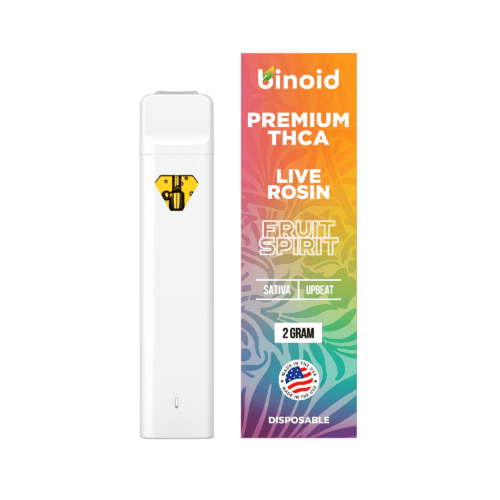
2 Gram THCA Disposable Vapes – Live Rosin
$39.99$73.00 -
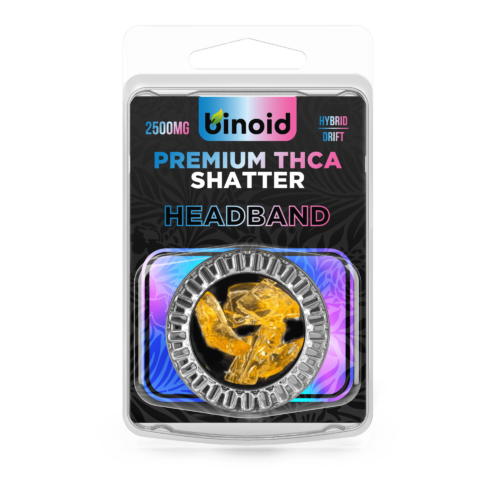
THCA Shatter – 2500mg
$37.99$59.99 -
Live Sugar THCA + THC-P Disposable Vape – Pure 50/50
$39.99$69.99 -
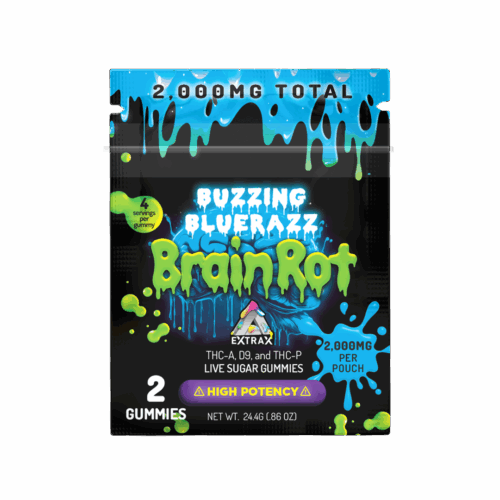
THCA Live Sugar 2 Pack Gummies – 2,000mg
$6.99$8.99

The Concentrate Boom and New Consumption Methods
As cannabis cultivation and extraction techniques improved, another major trend emerged in the form of concentrates. Instead of consuming cannabis only as dried flower, enthusiasts began exploring products that captured cannabinoids and terpenes in more refined forms. Concentrates like hash, wax, and shatter introduced an entirely new dimension to cannabis consumption. These products allowed people to experience stronger cannabinoid concentrations and more intense flavor profiles. The rise of concentrates also encouraged the development of new tools and equipment designed specifically for these products.
Dab rigs, specialized torches, and advanced vaporization devices became common features within cannabis culture. This wave of innovation demonstrated how quickly cannabis trends could evolve when technology entered the picture. The ability to extract cannabinoids more efficiently opened the door to experimentation with different textures, consistencies, and terpene combinations. Even today, the concentrate boom continues influencing modern cannabis product design.
The innovation that came from the concentrate movement eventually led to new types of cannabinoid products and formulations. As extraction techniques became more precise, companies gained the ability to isolate specific compounds from the cannabis plant. This technological advancement made it possible to create products that highlight individual cannabinoids rather than relying solely on raw plant material. The discovery of hemp derived cannabinoids and the development of modern THCA products both grew from this period of experimentation.
Brands like Binoid CBD have embraced these advancements by offering products that showcase different cannabinoids and terpene profiles in convenient formats. The concentrate revolution showed that cannabis could be refined and reimagined in ways that extended far beyond traditional smoking methods. It also proved that innovation within the cannabis industry would likely continue expanding as technology improves.
The Vape Era and the Shift Toward Convenience
One of the most influential cannabis trends of the past decade has been the rise of vaporization technology. Vape cartridges and disposable devices quickly gained popularity because they offered a convenient alternative to traditional smoking methods. Instead of rolling joints or packing bowls, consumers could simply inhale from a compact device designed to deliver cannabinoids through vapor rather than smoke. The appeal of this format extended beyond convenience, as vaping also allowed companies to control flavor profiles and cannabinoid concentrations with greater precision.
As the vape market expanded, cannabis brands began experimenting with different terpene combinations and cannabinoid blends. This level of customization introduced a new way for enthusiasts to explore cannabis experiences. Companies like Binoid CBD have embraced this trend by developing vape products that feature various hemp derived cannabinoids and carefully designed terpene profiles. These products reflect the growing sophistication of cannabis consumers who enjoy exploring different flavor and cannabinoid combinations.
The popularity of vape technology also helped bring cannabis culture into new social spaces. Because vape devices are portable and discreet, they allowed enthusiasts to enjoy cannabis in situations where traditional smoking methods might not have been practical. This shift contributed to the normalization of cannabis within everyday life. The vape era also demonstrated how quickly trends can reshape the cannabis market when new technology becomes widely available.
Many consumers who once relied on flower as their primary consumption method now incorporate vape products into their routines. The evolution of vape technology continues influencing cannabis product development, including innovations involving hemp derived cannabinoids and THCA products. Brands like Binoid CBD remain part of this movement by refining hardware and formulations that align with modern consumer preferences.
The Modern Era of Cannabinoid Exploration
In recent years, one of the most exciting developments within cannabis culture has been the exploration of cannabinoids beyond THC and CBD. Researchers have identified dozens of additional compounds within the cannabis plant, many of which are only now being studied in detail. This discovery sparked a wave of experimentation within the cannabis industry as companies began exploring how these cannabinoids could be incorporated into consumer products.
The rise of hemp derived cannabinoids represents a major turning point in cannabis culture evolution because it expanded the range of experiences available to consumers. Instead of focusing exclusively on THC potency, enthusiasts can now explore different cannabinoid profiles and combinations. This shift has encouraged brands to develop innovative product lines that highlight these compounds. Binoid CBD has become well known for experimenting with hemp derived cannabinoids and introducing consumers to new formulations that showcase the complexity of the cannabis plant.
The popularity of THCA products is another example of how quickly cannabis trends can evolve once new scientific knowledge becomes widely understood. THCA is a naturally occurring compound found in raw cannabis plants that converts into THC when heated. As consumers became more familiar with this process, interest in THCA products began growing within the cannabis community. These products allow enthusiasts to explore cannabinoids in forms that closely resemble traditional cannabis experiences while still fitting within certain hemp-derived markets.
Companies like Binoid CBD have helped bring these products to a wider audience by developing accessible formats that align with modern cannabis trends. The growing curiosity surrounding cannabinoids suggests that cannabis culture will likely continue evolving as research and technology uncover new possibilities within the plant. Every discovery encourages further experimentation, which in turn leads to the next wave of trends that shape the cannabis market.
Recommended products
-
THCA Crumble – 2500mg
$37.99$59.99 -
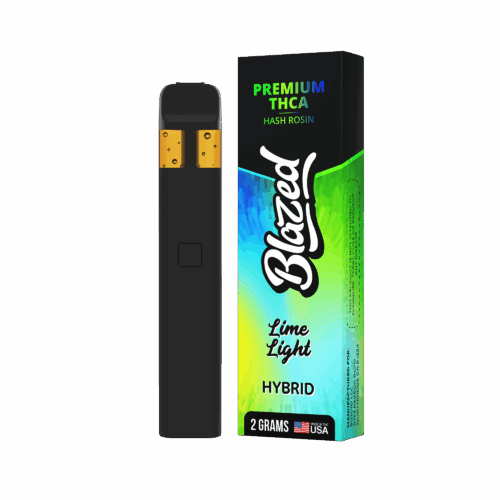
2 Gram THCA Disposable Hash Rosin – Blazed
$37.99$59.99 -
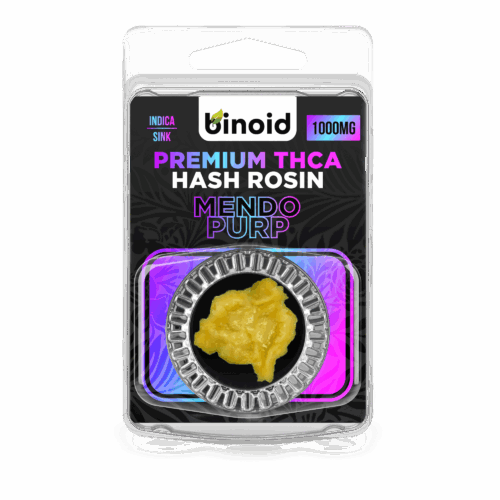
THCA Hash Rosin Dabs – 1000mg
$33.99$59.99 -
1 Gram THCA Disposable Hash Rosin – Blazed
$31.99$67.99


Looking Ahead: The Future of Cannabis Trends
The history of cannabis trends shows that the culture surrounding the plant is constantly reinventing itself. Each generation approaches cannabis with new ideas, new technologies, and new expectations about what the experience should look like. As legalization continues expanding and research into cannabinoids grows, the pace of innovation within the cannabis industry will likely accelerate even further. Consumers are becoming more knowledgeable about terpene profiles, cannabinoid combinations, and extraction methods, which encourages brands to keep experimenting.
Companies like Binoid CBD represent the modern side of this evolution by exploring hemp derived cannabinoids, refining vape technology, and developing new THCA products that reflect changing consumer interests. The next decade of cannabis culture may introduce entirely new compounds, consumption devices, or product formats that reshape the market once again.
At the same time, many of the traditions that shaped cannabis culture in the past will likely remain part of its identity. People will probably continue sharing cannabis with friends, discussing favorite strains, and exploring new flavors and aromas within the plant. The difference is that those experiences will now exist alongside advanced extraction techniques and cannabinoid innovations that expand the possibilities of what cannabis can become.
The ongoing cycle of experimentation and curiosity ensures that cannabis trends will never remain static for very long. As new discoveries emerge and consumer preferences continue evolving, the cannabis industry will keep reinventing itself in ways that reflect the creativity of the people who love the plant. From underground flower markets to modern hemp derived cannabinoids and innovative products from brands like Binoid CBD, the story of cannabis trends is still being written.
To Buy THCA Products Click Here
Recommended products
-
Strain Series 7 Gram Disposable Vape
$63.99$109.99 -
Exclusive Series 5 Gram Disposable Vape – Alaskan Lights
$55.99$89.99 -
7 Gram THCA + High THC-P Disposable Vape – Limited Series
$67.99$109.99 -
Super 7 THC Beverage – One of a Kind (4 Pack)
$24.99$37.99