Somewhere in a well-lit laboratory, a chemist is looking at two molecules that are, structurally speaking, almost identical twins. Same core ring structure. Same essential architecture. Same general family tree. And yet, when tested against human cannabinoid receptors, one produces a psychoactive response measured in single-digit milligrams while the other requires ten times that amount to achieve a comparable effect.
The difference between them is not some exotic structural feature or a complex rearrangement of atoms. It is, almost absurdly, a matter of counting specifically, counting the number of carbon atoms strung together in a single chain hanging off the side of the molecule. This is the alkyl side chain, and understanding its role in cannabinoid potency is one of the more genuinely illuminating rabbit holes available to anyone serious about understanding what they’re actually consuming when they pick up a hemp-derived THC product.
TO BUY THC PRODUCTS CLICK HERE
Recommended products
-
High THC-P 2 Gram Disposable Vape – Strain Series
$41.99$73.99 -
14,000MG Turbo THC Gummies – Blazed
$49.99$84.99 -
THCA Diamonds 1500mg – Live Rosin
$30.99$59.99 -
Delta 8 THC Tincture (1000mg, 2500mg, 5000mg)
$25.99$44.99
The Anatomy of a Cannabinoid: Where the Side Chain Lives
Every classical cannabinoid THC, CBD, CBN, and their many derivatives and isomers shares a common structural backbone built around a resorcinol core and a cyclohexene ring fused together into the recognizable cannabinoid skeleton. What differentiates one cannabinoid from another, chemically speaking, often comes down to relatively small variations layered onto that shared foundation: the position of a double bond, the presence or absence of a hydroxyl group, the specific ring fusion geometry. But one of the most consequential variables in this molecular family is the alkyl side chain a straight chain of carbon and hydrogen atoms attached at a specific position on the resorcinol ring, extending outward from the core structure like an arm reaching toward the receptor it’s about to interact with.
In classic Delta 9 THC, this side chain is a pentyl group, meaning it consists of five carbon atoms in a row. This five-carbon chain has been the default architecture around which the vast majority of cannabis research, both scientific and cultural, has been built for the better part of a century, simply because pentyl-chain cannabinoids are what the plant most abundantly produces. But cannabis biosynthesis, it turns out, is not limited to a single side-chain length, and neither is the chemistry laboratories use to manipulate cannabinoid precursors. Vary the number of carbons in that chain, and you get an entirely different family of compounds each with its own receptor-binding characteristics, its own potency profile, and its own place in the increasingly sophisticated hemp-derived cannabinoid marketplace.
The Propyl Story: What Happens When You Shorten the Chain
Shorten that pentyl chain by two carbons, down to a three-carbon propyl group, and you get THCV tetrahydrocannabivarin a compound whose behavior at the CB1 receptor diverges meaningfully from its five-carbon cousin. The shortened side chain changes the molecule’s binding geometry in ways that reduce its efficiency at activating CB1 in the same manner as Delta 9 THC, producing a compound that research has characterized as behaving more like a partial agonist or even, at certain doses, an antagonist at that receptor site. This is not a subtle distinction. It represents a fundamentally different interaction profile at the same receptor family, driven entirely by the length of that carbon chain and the way it alters how the molecule fits into the receptor’s binding pocket.
This propyl-versus-pentyl comparison is the clearest illustration available of why alkyl side chain length matters so much to cannabinoid pharmacology. The core scaffold barely changes. The receptor family being engaged barely changes. What changes is a structural detail so seemingly minor that a casual observer might dismiss it as a footnote and yet that detail is responsible for one of the most significant behavioral divergences in the entire cannabinoid family tree.
Recommended products
-
13,000mg Good Luck Gummies
$47.99$79.99 -
THCA Crumble – 2500mg
$37.99$59.99 -
Live Sugar THCA + THC-P Disposable Vape – Pure 50/50
$39.99$69.99 -
Super 7 Tincture – 7000mg
$39.99$59.99

The Phorol Frontier: What Happens When You Lengthen the Chain
Now go the other direction. Extend the side chain beyond the standard five-carbon pentyl length to seven carbons, and you enter the “phorol” class of cannabinoids the structural category that gave rise to THC-P, one of the most talked-about cannabinoids to emerge in the hemp-derived market over the past several years. Research examining THCP’s receptor-binding characteristics found that this extended seven-carbon side chain correlates with substantially increased binding affinity at the CB1 receptor compared to standard pentyl-chain THC a finding that generated considerable excitement precisely because it offered a mechanistic explanation for why longer-chain cannabinoids might produce more pronounced effects at comparable doses.
The underlying logic here connects to basic principles of receptor-ligand interaction that extend well beyond cannabinoid science into pharmacology broadly. A receptor’s binding pocket is a three-dimensional space with a specific shape, and a ligand in this case, a cannabinoid molecule needs to fit into that space with sufficient precision and surface contact to trigger the conformational change that produces a biological signal. A longer alkyl side chain provides more surface area for hydrophobic interaction within the binding pocket, potentially creating a tighter, more stable receptor-ligand complex than a shorter chain would achieve. This is a simplified way of describing what is, in reality, a considerably more nuanced piece of structural biology, but the core principle holds: carbon chain length directly influences how snugly a cannabinoid molecule sits within its receptor, and that snugness translates into functional differences in potency and effect.
Beyond Chain Length: The Variables That Complicate the Simple Story
It would be intellectually dishonest to present alkyl side chain length as the sole determinant of cannabinoid potency, because the reality is considerably more layered than a single structural variable can fully explain. Receptor binding affinity is only the first step in a longer chain of pharmacological events that ultimately determines subjective experience a molecule can bind a receptor with extraordinary affinity and still produce a modest effect if its downstream signaling efficiency, its metabolic stability, or its ability to cross the blood-brain barrier lags behind its binding characteristics. Bioavailability, the proportion of a consumed compound that actually reaches systemic circulation in an active form, varies considerably across cannabinoids independent of side chain length, shaped by factors like lipophilicity, first-pass hepatic metabolism, and the specific delivery format through which the compound is consumed.
This is part of why the cannabinoid research and formulation community has grown increasingly cautious about oversimplified potency claims the kind of marketing shorthand that treats “longer side chain” as a direct proxy for “stronger high” without acknowledging the considerable additional complexity involved. A cannabinoid with excellent receptor binding affinity but poor bioavailability in a given delivery format may produce a less pronounced experience than a lower-affinity compound delivered through a format engineered for superior absorption. This is precisely why formulation expertise matters as much as raw cannabinoid chemistry a brand that understands both the receptor pharmacology and the practical delivery science can produce a considerably more consistent, predictable product than one relying on chain-length claims alone.
Recommended products
-
Super 7 Gummies – Summer Slush Series
$37.99$49.99 -
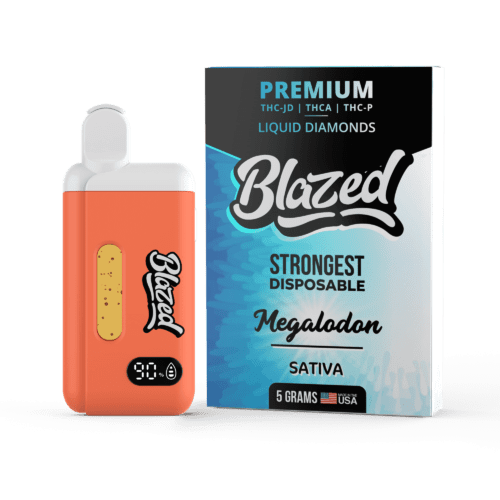
5 Gram Disposable – Blazed
$51.99$79.99 -
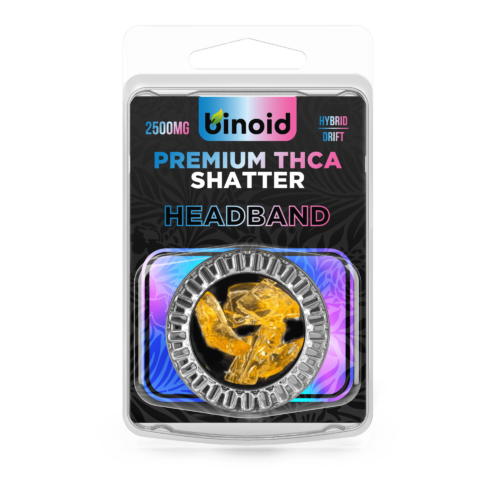
THCA Shatter – 2500mg
$37.99$59.99 -
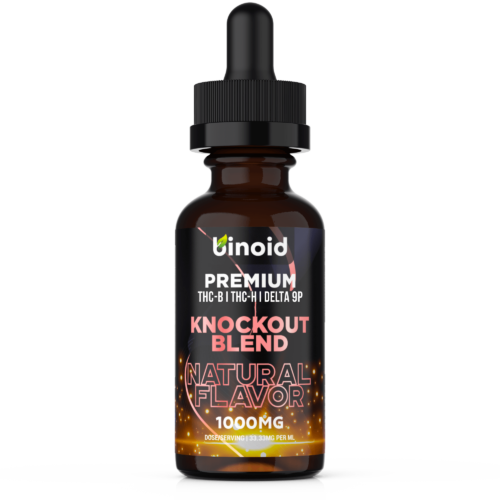
Knockout Blend Tincture – 1000mg
$34.99$59.99

Isomerization and the Manufacturing Reality of Chain-Length Chemistry
Understanding alkyl side chain science also illuminates why the manufacturing process behind novel cannabinoids matters so profoundly to the quality of the finished product. Compounds like THCP are not typically extracted directly from cannabis biomass in commercially meaningful quantities the plant produces them, but only in trace amounts insufficient for large-scale product formulation. Instead, these extended-chain cannabinoids are typically produced through isomerization processes that begin with more abundant precursor compounds, most commonly CBD derived through supercritical CO2 extraction, and apply precise catalytic chemistry to restructure the molecule into the desired configuration.
This is technically demanding chemistry that requires exacting control over reaction conditions, catalyst selection, and purification protocols. A manufacturing process that achieves the correct alkyl chain modification cleanly, without generating a significant volume of unwanted reaction byproducts or incompletely converted precursor material, produces a distillate that behaves predictably and consistently from batch to batch. A less rigorous process can produce a chemically messier result one where the labeled cannabinoid is present, but so are a range of related compounds and residual catalysts whose individual contributions to the finished product’s effects are considerably harder to characterize or predict.
This is precisely why third-party laboratory testing becomes non-negotiable for any cannabinoid product built around chain-length-modified compounds. A certificate of analysis from an ISO 17025-accredited laboratory provides the only objective verification that a THCP, THCV, or other chain-length-variant product actually contains the concentration of the target cannabinoid claimed on the label, free of the kind of manufacturing residue that a less careful production process might leave behind. BinoidCBD.com builds its entire novel cannabinoid catalog around exactly this standard, ensuring that the sophisticated chemistry behind chain-length-engineered compounds is matched by an equally sophisticated commitment to verification and transparency.
What This Means for the Consumer Standing at the Shelf
For the consumer navigating the modern hemp-derived cannabinoid marketplace, alkyl side chain science offers something genuinely useful: a framework for understanding why different cannabinoids in the catalog behave so differently from one another, even when they share an obvious family resemblance in name and marketing presentation. THCV’s shortened propyl chain explains its distinct, often described as more clear-headed and less sedating, interaction with the CB1 receptor. THCP’s extended phorol chain explains the substantially elevated potency that has made it one of the most sought-after novel cannabinoids in recent years, and by extension explains why THCP products typically carry lower recommended starting doses than their standard THC counterparts. Standard Delta 9 and Delta 8 THC, with their familiar pentyl chains, remain the calibration point against which the entire category is understood.
This is not merely academic trivia it is practical knowledge that directly informs dosing decisions, product selection, and reasonable expectations about what a given cannabinoid experience will actually feel like. The consumer who understands that a seven-carbon side chain correlates with meaningfully enhanced receptor binding affinity approaches a THCP product with appropriately calibrated caution around dosing, rather than assuming it behaves identically to the Delta 9 THC products they may already be familiar with. Exploring the full range of chain-length-variant cannabinoids available through BinoidCBD from THCP’s elevated intensity to the broader family of isomerized and hydrogenated compounds built on this same underlying chemistry becomes a considerably more informed exercise once the basic principle is understood: in the world of cannabinoid molecules, a few extra carbons can change everything.
TO BUY THC PRODUCTS CLICK HERE
Recommended products
-
THCA Hash Rosin Dabs – 1000mg
$33.99$59.99 -
Delta 9 +THCV Gummies- Uplift/Unwind
$29.99$49.99 -
7 Gram THCA + High THC-P Disposable Vape – Limited Series
$67.99$109.99 -
Beast Mode Blend Tincture – 1000mg
$34.99$59.99