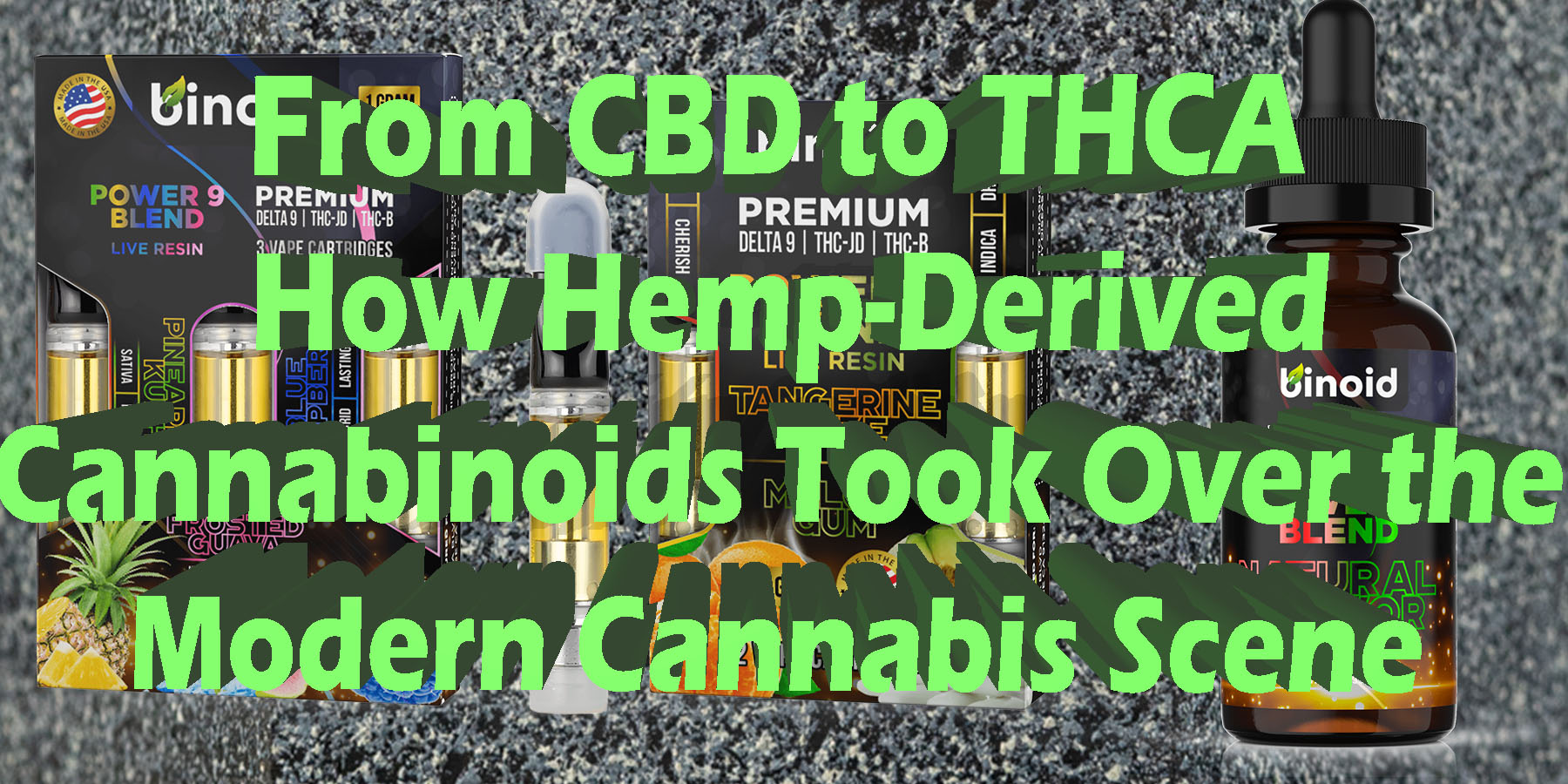
Cannabis culture has always evolved in waves. Every generation discovers the plant in a new way, whether through underground counterculture, medical research, or the explosion of legalization across the United States. Over the past few years, however, one of the biggest shifts has not come from traditional dispensaries or state-licensed cannabis markets. Instead, it has come from hemp.
What began as a niche corner of the industry focused primarily on CBD oils and wellness supplements has transformed into a rapidly expanding ecosystem of potent compounds, innovative products, and entirely new consumer experiences. Today, hemp derived cannabinoids like THCA, Delta-8 THC, Delta-9 THC from hemp, and a growing list of minor cannabinoids have reshaped the conversation around legal cannabis alternatives.
This shift represents more than just a product trend. It reflects a deeper change in how consumers approach cannabis, how companies innovate within the legal framework of hemp, and how cannabis culture evolution continues to blur the lines between traditional marijuana and federally compliant hemp products. For brands like Binoid CBD and others operating in the modern hemp space, the rise of these compounds has created a new frontier where science, culture, and accessibility collide.
To understand why hemp derived cannabinoids have become such a powerful force in the cannabis world, it helps to explore where the movement started, how the science works, and why products like THCA products are now leading a new era of cannabis experiences.
To Buy THCA Products Click Here
Recommended products
-
14,000MG Turbo THC Gummies – Blazed
$49.99$84.99 -
13,000mg Good Luck Gummies
$47.99$79.99 -
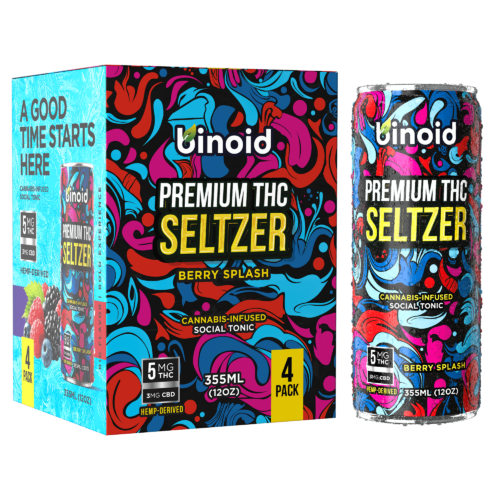
THC Seltzer – Good Vibes Cannabis Drink (4 Pack)
$19.99$29.99 -
Super 7 THC Beverage – One of a Kind (4 Pack)
$24.99$37.99



The Moment Hemp Changed Everything
The rise of hemp derived cannabinoids can largely be traced back to a single turning point: the 2018 Farm Bill. Before that legislation passed in the United States, hemp existed in a confusing legal gray area despite having been cultivated for thousands of years around the world for fiber, food, and medicinal uses.
The Farm Bill fundamentally changed that landscape by federally legalizing hemp and defining it as cannabis containing less than 0.3% Delta-9 THC by dry weight. While the primary goal of the law was to support agricultural hemp production, it inadvertently sparked a wave of innovation across the cannabinoid industry.
Suddenly, researchers, extractors, and product developers began looking deeper into the hemp plant and discovering something fascinating. Hemp contained far more than just CBD. In fact, cannabis plants contain over one hundred different cannabinoids, many of which were barely studied or commercially explored.
That realization opened the door to a completely new market.
Companies began isolating, synthesizing, and refining cannabinoids derived from hemp. At first the focus stayed on CBD, which became one of the fastest-growing wellness products in the country. Soon after, however, new cannabinoids began entering the conversation. Delta-8 THC appeared in vape cartridges and edibles, followed by compounds like Delta-10, HHC, and THCP.
Then came the compound that truly changed everything: THCA.
Understanding Hemp Derived Cannabinoids
To understand why hemp derived cannabinoids have grown so rapidly, it is important to understand what cannabinoids actually are.
Cannabinoids are naturally occurring chemical compounds found in the cannabis plant. They interact with the human body’s endocannabinoid system, a network of receptors that helps regulate mood, sleep, appetite, and many other physiological processes.
The two most well-known cannabinoids are THC and CBD. THC is responsible for the psychoactive effects associated with marijuana, while CBD is widely known for its non-intoxicating wellness properties.
However, these are only the beginning.
Modern cannabis science has identified dozens of additional cannabinoids that each have unique characteristics and potential effects. These include compounds like CBG, CBN, CBC, THCV, and many more.
Hemp derived cannabinoids are simply cannabinoids that originate from legally cultivated hemp plants. Because hemp is federally legal under certain THC thresholds, these cannabinoids can often be produced and sold in ways that traditional cannabis products cannot.
This distinction has fueled a massive surge in product development. Instead of relying solely on state-licensed dispensaries, hemp brands have been able to create innovative products that can be shipped across many parts of the country.
As a result, hemp derived cannabinoids have become one of the most dynamic sectors of the cannabis industry.
Recommended products
-
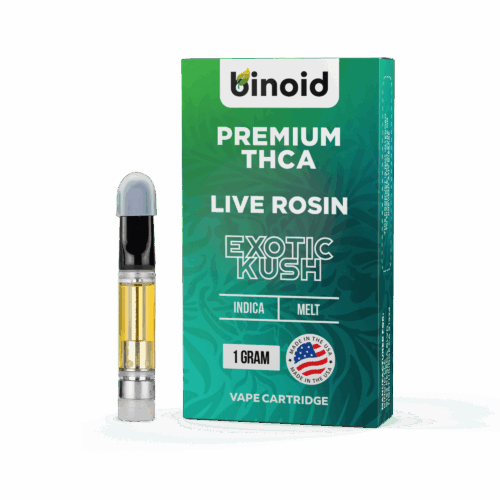
THCA Vape Cartridge – Live Rosin
$30.99$59.99 -
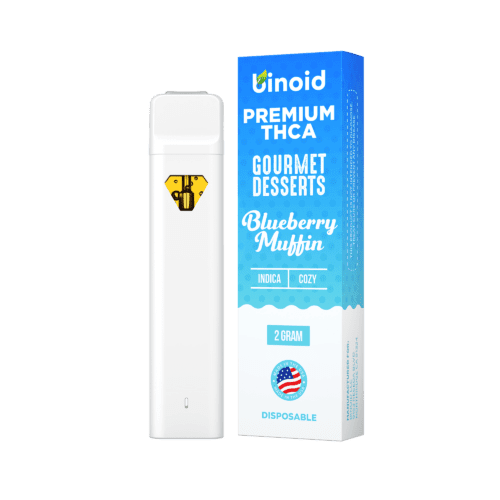
THCA Disposable 2 Gram – Gourmet Desserts
$37.99$73.00 -
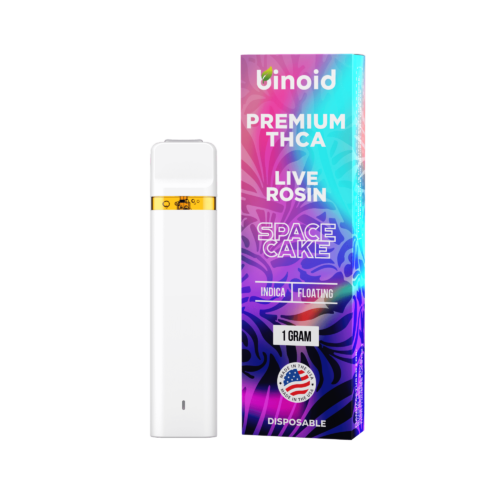
1 Gram THCA Disposable Vapes – Live Rosin
$32.99$67.99 -
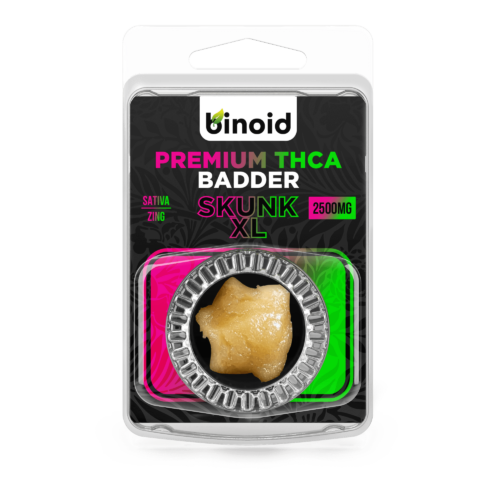
THCA Badder – 2500mg
$37.99$59.99
Why Consumers Are Embracing Hemp Alternatives
The popularity of hemp derived cannabinoids did not happen by accident. Consumer demand played a major role in the rapid growth of the market.
For many people, traditional cannabis markets remain inaccessible due to state regulations, limited dispensary locations, or legal restrictions. Hemp products created an alternative pathway for consumers who were curious about cannabis but did not have convenient access to dispensaries.
Another major factor is convenience.
Hemp derived cannabinoids are often available online, allowing customers to browse products, read lab results, and have items delivered directly to their door. This accessibility has dramatically expanded the potential customer base.
In addition, the diversity of hemp products has exploded. Instead of being limited to traditional flower or basic edibles, consumers can now explore a wide spectrum of experiences including:
• Vape cartridges
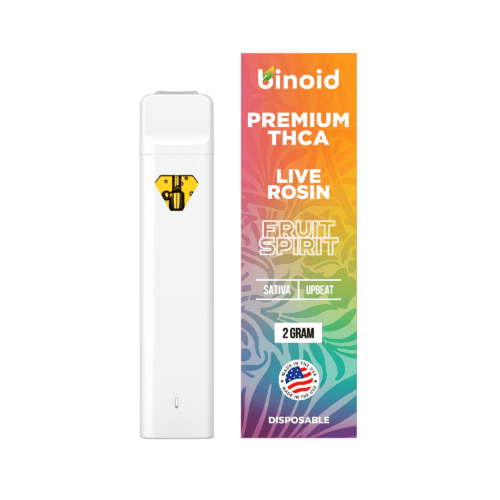
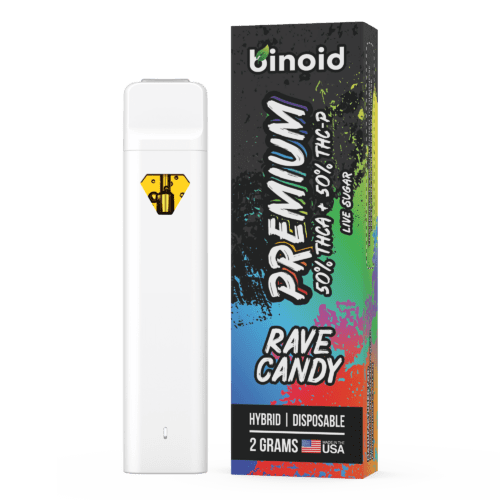
• Disposable vapes
• Gummies and edibles
• Tinctures
• THCA flower
• Concentrates
• Infused beverages
Brands like Binoid CBD have played an important role in shaping this ecosystem by introducing carefully crafted cannabinoid products that combine innovation with lab-tested transparency.
The result is a market that feels both experimental and refined at the same time, attracting longtime cannabis enthusiasts as well as newcomers.
The Emergence of THCA Products
Among the many hemp derived cannabinoids gaining attention, THCA has quickly become one of the most talked-about.
THCA, or tetrahydrocannabinolic acid, is the raw precursor to THC found in cannabis plants. In its natural state, THCA is not psychoactive. However, when exposed to heat through smoking, vaping, or cooking, THCA converts into Delta-9 THC through a process known as decarboxylation.
This transformation is the key reason THCA products have exploded in popularity.
Because THCA itself is not Delta-9 THC in its raw form, certain hemp products containing high levels of THCA can still remain compliant with the legal definition of hemp as long as the Delta-9 THC content remains below the required threshold before heating.
For consumers, this means THCA flower can deliver an experience extremely similar to traditional cannabis once it is smoked or vaporized.
In other words, the line between hemp and marijuana has become increasingly complex.
This legal and scientific nuance has allowed THCA products to become one of the fastest growing categories in the hemp market, especially among experienced cannabis users who want a more authentic flower experience.
Innovation Driving the Hemp Cannabinoid Boom
One of the most exciting aspects of the rise of hemp derived cannabinoids is the sheer level of innovation happening across the industry.
Cannabis extraction technology has advanced dramatically over the past decade. Modern labs can isolate cannabinoids with incredible precision, allowing formulators to experiment with combinations that were previously impossible.
This has led to the creation of multi-cannabinoid blends designed to enhance specific effects.
For example, some products combine Delta-9 THC from hemp with cannabinoids like CBG or CBN to create unique profiles tailored for relaxation, creativity, or sleep support. Others focus on high-potency THCA concentrates designed for experienced consumers seeking powerful effects.
Terpenes, the aromatic compounds responsible for the flavor and scent of cannabis strains, have also become an important part of the innovation process. By carefully pairing cannabinoids with terpene profiles, brands can recreate familiar strain experiences or design entirely new flavor combinations.
Companies like Binoid CBD have embraced this approach by developing products that merge hemp derived cannabinoids with strain-inspired terpene blends, creating experiences that appeal to both connoisseurs and casual users.
This focus on flavor, potency, and customization has pushed hemp products far beyond the early days of basic CBD tinctures.
Recommended products
-
2 Gram THCA Disposable Vapes – Live Rosin
$39.99$73.00 -
Live Sugar THCA + THC-P Disposable Vape – Pure 50/50
$39.99$69.99 -
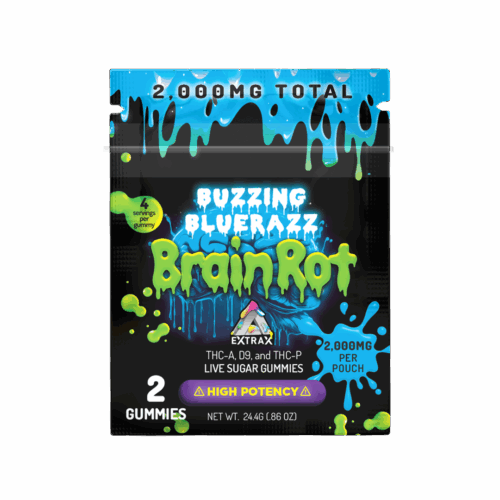
THCA Live Sugar 2 Pack Gummies – 2,000mg
$6.99$8.99 -
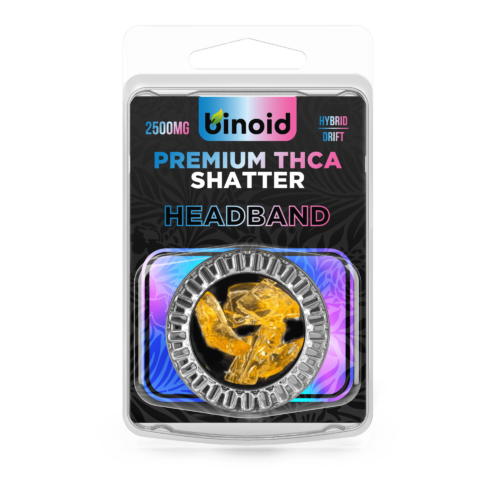
THCA Shatter – 2500mg
$37.99$59.99
Hemp Cannabinoids and the Evolution of Cannabis Culture
The emergence of hemp derived cannabinoids has not only transformed the product landscape but has also reshaped cannabis culture itself.
Historically, cannabis culture revolved around underground communities, music scenes, artistic expression, and shared rituals among enthusiasts. Over time, legalization introduced dispensaries, branded products, and a more mainstream consumer base.
Hemp has introduced yet another layer to this cultural evolution.
Because hemp products can often be purchased online or in retail environments outside traditional dispensaries, they have brought cannabis-like experiences to entirely new audiences. Vape shops, smoke shops, wellness stores, and online retailers have all become part of the cannabis ecosystem.
At the same time, younger consumers are approaching cannabis with a different mindset than previous generations. Many are interested in exploring cannabinoids for mood enhancement, relaxation, or creative inspiration without necessarily identifying as traditional cannabis users.
This shift reflects a broader cannabis culture evolution where the plant is no longer confined to one identity.
Instead, cannabis now intersects with wellness trends, lifestyle branding, social media influence, and a growing curiosity about plant-based compounds.
The Role of Education and Transparency
As hemp derived cannabinoids continue to grow in popularity, education has become one of the most important elements of the industry.
Because many cannabinoids are relatively new to mainstream consumers, clear information about potency, effects, and lab testing is essential.
Responsible companies provide detailed certificates of analysis from third-party laboratories that verify cannabinoid content and ensure products are free from harmful contaminants.
Transparency builds trust, particularly in a market where regulations can vary from state to state.
Consumers today are more informed than ever. They want to know exactly what they are putting into their bodies and how those products are made.
Brands that prioritize transparency and education often stand out in a crowded market. Binoid CBD, for example, emphasizes lab testing and product consistency, which helps customers feel confident exploring new hemp derived cannabinoids.
Education also plays a role in helping consumers understand the differences between compounds like Delta-8 THC, Delta-9 THC from hemp, and THCA products.
As knowledge spreads, the stigma surrounding cannabis continues to fade.
Challenges Facing the Hemp Cannabinoid Industry
Despite its rapid growth, the hemp cannabinoid industry also faces several challenges.
One of the biggest issues is regulatory uncertainty. While the Farm Bill created the foundation for hemp legalization, it did not fully anticipate the explosion of cannabinoid innovation that would follow.
As a result, federal and state agencies continue to debate how certain hemp products should be regulated. Some states have introduced restrictions on specific cannabinoids, while others maintain more open policies.
This patchwork of regulations can create confusion for both businesses and consumers.
Another challenge involves quality control.
Because the industry expanded so quickly, not every manufacturer follows the same standards. Products without proper testing or quality assurance can undermine consumer trust.
This is why reputable brands emphasize third-party testing, transparent sourcing, and responsible manufacturing practices.
As the market matures, stronger standards and clearer regulations will likely help stabilize the industry and encourage long-term growth.
Recommended products
-
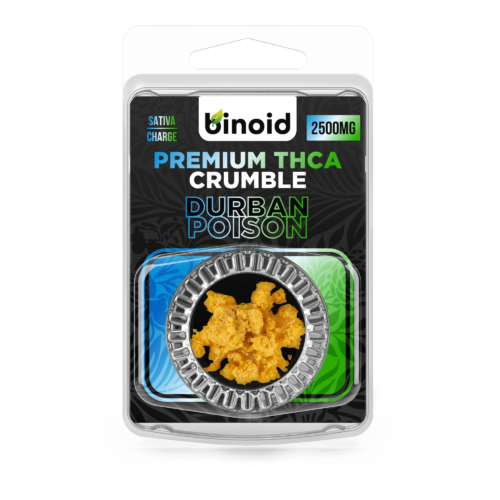
THCA Crumble – 2500mg
$37.99$59.99 -
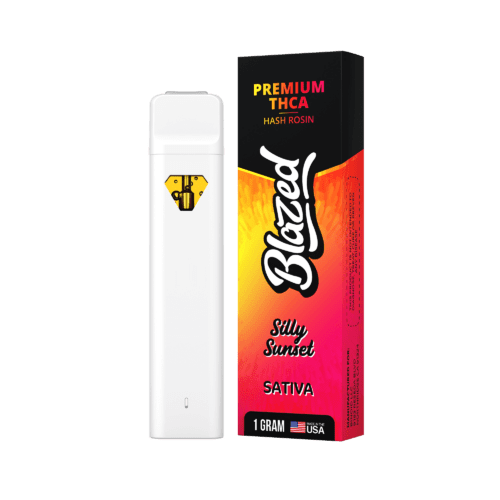
1 Gram THCA Disposable Hash Rosin – Blazed
$31.99$67.99 -
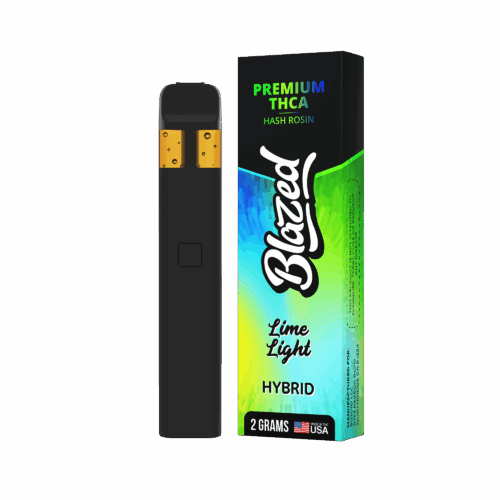
2 Gram THCA Disposable Hash Rosin – Blazed
$37.99$59.99 -
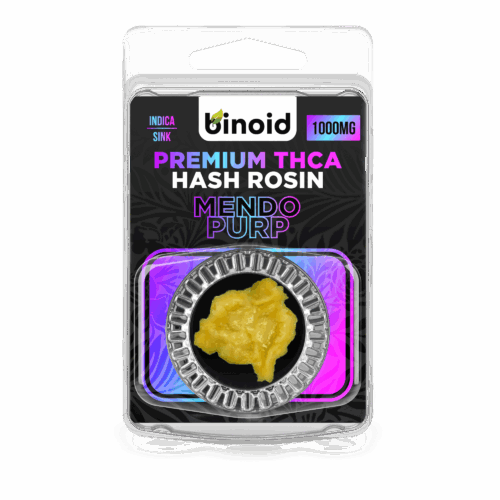
THCA Hash Rosin Dabs – 1000mg
$33.99$59.99
What the Future Holds for Hemp Derived Cannabinoids
Looking ahead, the future of hemp derived cannabinoids appears incredibly dynamic.
Scientific research continues to uncover new cannabinoids and explore how they interact with the human body. As these discoveries unfold, new product categories will likely emerge.
THCA products are already redefining the hemp flower market, but they may only be the beginning. Future innovations could include advanced cannabinoid blends, improved delivery methods, and products designed for highly specific experiences.
Technology will also play a role.
Advancements in extraction, purification, and formulation will allow companies to create more precise cannabinoid profiles. Consumers may eventually see products customized to their personal preferences or desired effects.
At the same time, cannabis culture evolution will continue to shape how these products are perceived and used. The line between hemp and traditional cannabis may become increasingly blurred as both industries grow and influence each other.
For consumers, this means more options, more accessibility, and more opportunities to explore the complex world of cannabinoids.
A New Chapter in the Cannabis Story
The rise of hemp derived cannabinoids represents one of the most fascinating chapters in modern cannabis history.
What started as a wellness-focused CBD market has transformed into a vibrant industry filled with innovation, experimentation, and cultural change. Compounds like THCA have redefined what hemp products can offer, while brands like Binoid CBD continue to push the boundaries of product development.
At its core, this movement reflects the natural evolution of cannabis itself. As science uncovers new compounds and consumers become more curious about the plant’s potential, the cannabis landscape will keep shifting in unexpected ways.
For longtime enthusiasts, hemp cannabinoids offer exciting new experiences to explore. For newcomers, they provide an accessible introduction to the broader world of cannabis.
Either way, one thing is clear: the era of hemp derived cannabinoids is just getting started.
To Buy THCA Products Click Here
Recommended products
-
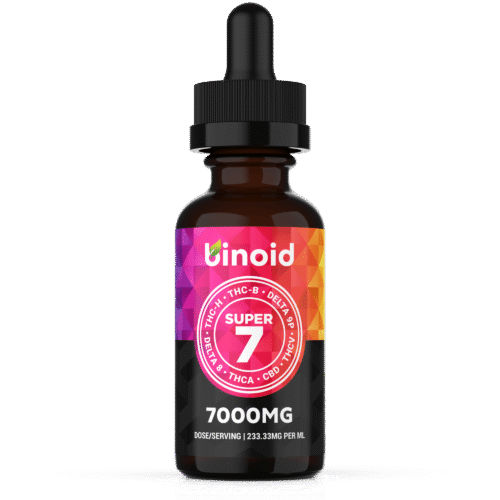
Super 7 Tincture – 7000mg
$39.99$59.99 -
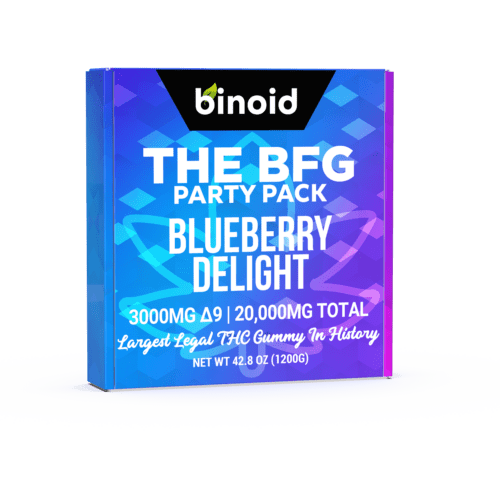
The BFG – 3000mg Delta 9 THC Gummy
$128.99$239.99 -
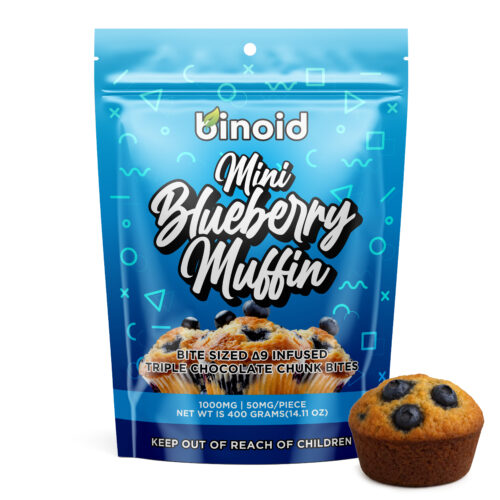
Delta 9 Mini Blueberry Muffin Bites – 1000MG (Limited Supply)
$34.99$39.99 -
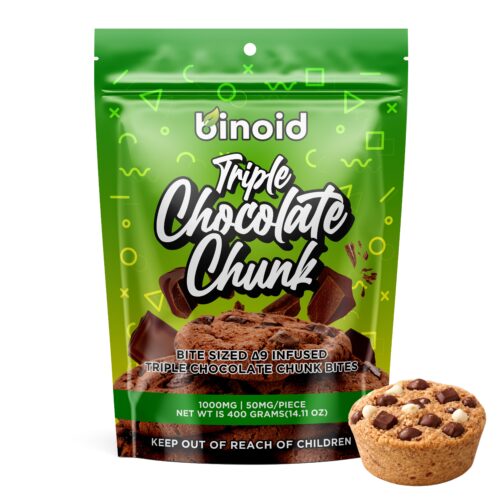
Delta 9 Mini Triple Chocolate Chunk Bites – 1000MG (Limited Supply)
$34.99$39.99