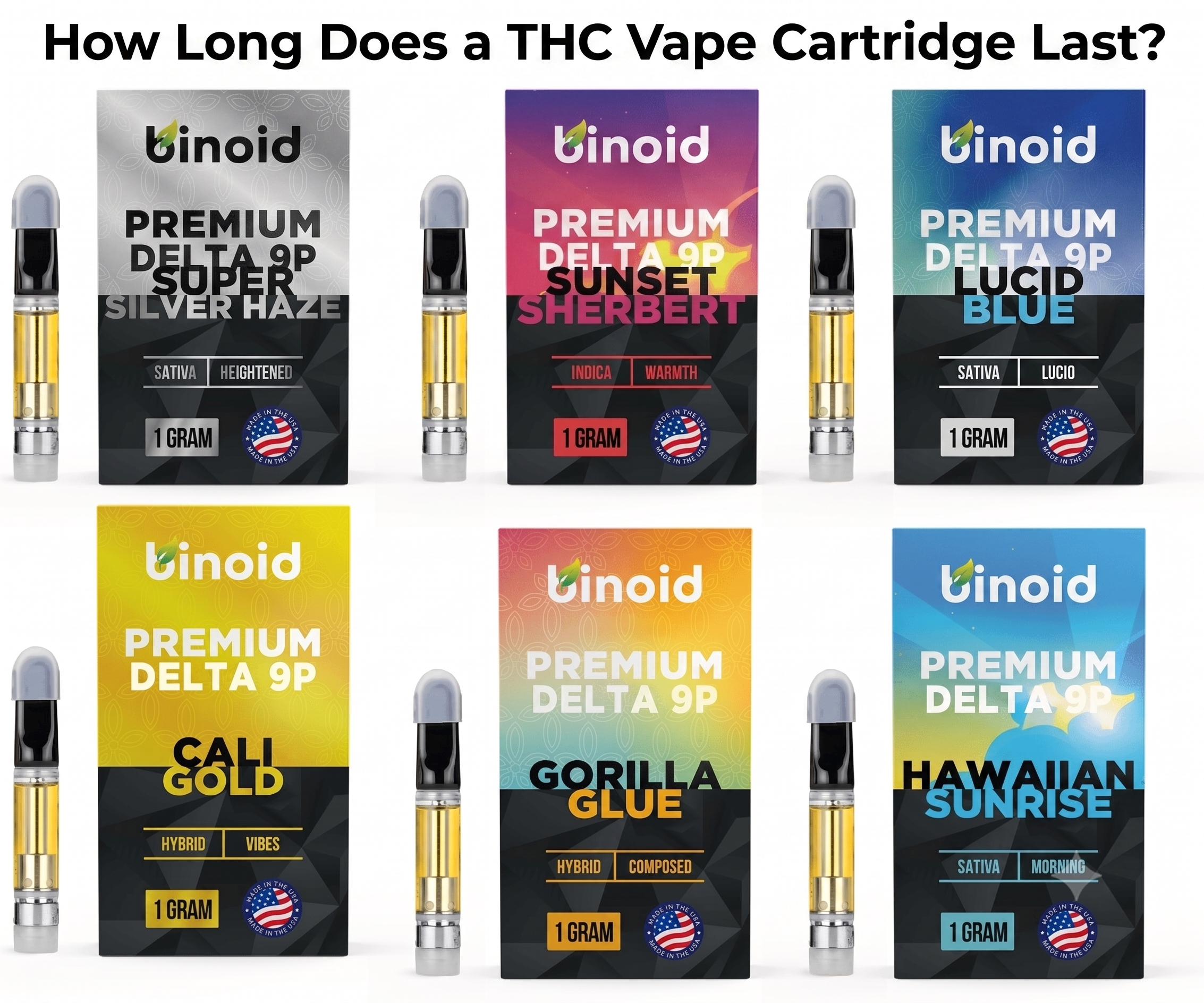
The Question Behind the Question
Ask ten different THC vape consumers how long a cartridge lasts and you will receive ten genuinely different answers not because any of them are lying, but because the question itself is more architecturally complex than it first appears. A 500mg THC vape cartridge might last a casual weekend user the better part of a month. That same cartridge, in the hands of someone who vapes daily and heavily, might be gone in three days. The math seems simple until you start pulling on the variables that shape it, at which point it becomes apparent that lifespan is not a fixed property of the cartridge at all it is an emergent outcome of hardware quality, distillate formulation, inhalation behavior, storage conditions, and the molecular integrity of the oil sitting inside the tank.
Understanding how long a THC vape cart lasts is, in other words, less about consulting a chart and more about understanding the system you are operating. This guide intends to build that understanding from the ground up beginning with the molecular and mechanical realities of the cartridge itself, and ending with the practical intelligence that separates consumers who get excellent value from their vapes from those who wonder, perpetually, where it all went.
The stakes of that understanding are higher than they might appear. The premium vape cartridges and disposables available through BinoidCBD.com represent a meaningful investment not just financially, but in terms of the formulation care, terpene sourcing, and quality verification that went into producing them. A cartridge that is mismanaged, stored carelessly, or used in ways that accelerate waste is not just an economic inefficiency. It is a failure to fully realize a product that someone spent considerable effort making exceptional. Getting the most from a Binoid THC vape cartridge is, ultimately, the final chapter of the quality story and it begins with knowing what you are actually working with.
To Buy THC Vape Click Here
Recommended products
-
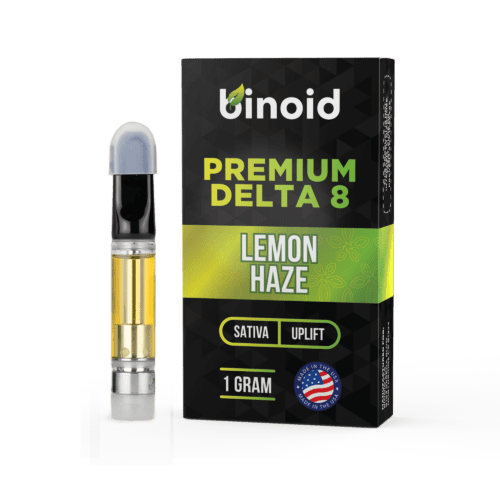
Delta 8 THC Vape Cartridge
$26.99$39.99 -
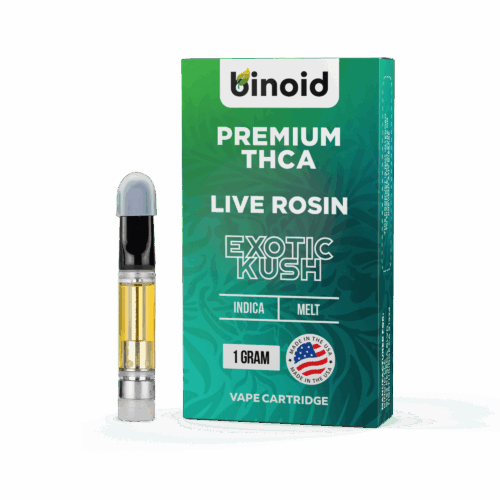
THCA Vape Cartridge – Live Rosin
$30.99$59.99 -
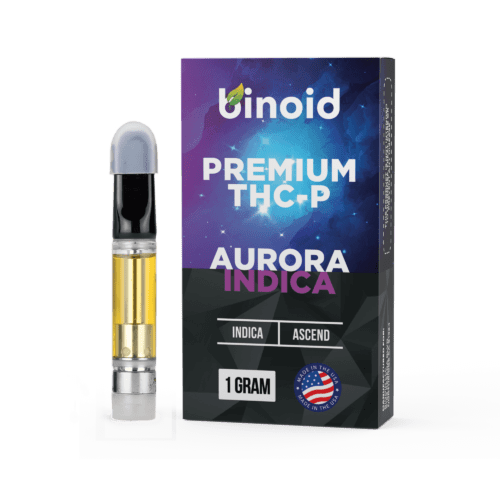
THC-P Vape Cartridge
$29.99$59.99
The Anatomy of a Cartridge: Hardware, Oil, and the Relationship Between Them
A THC vape cartridge is, at its core, a precision-engineered miniature delivery system a tank, a heating element, a wick, a mouthpiece, and a battery connection, all conspiring to convert a concentrated liquid extract into inhalable vapor with the consistency and efficiency that the modern cannabis consumer has come to expect as a baseline. The tank, typically constructed from borosilicate glass or medical-grade polycarbonate, houses the distillate.
The heating element a ceramic or quartz coil in virtually every premium formulation converts electrical energy from the battery into thermal energy that vaporizes the oil. The wick, usually made from cotton or ceramic porous material, draws oil from the tank to the coil through capillary action, maintaining a consistent feed rate that keeps the hit clean and the flavor intact. Each of these components has a lifespan, a failure mode, and a set of environmental conditions under which it performs optimally and understanding those variables is the first step toward understanding how long a THC vape cart lasts in practice.
The distillate itself the concentrated cannabis oil that constitutes the product’s active payload is the most consequential variable in the longevity equation, and it is where the quality gap between premium brands and budget alternatives becomes most visible. A well-formulated distillate, like those used across Binoid CBD’s vape cartridge and disposable lineup, begins with high-purity hemp-derived extract that has been processed through methods designed to preserve both potency and terpene integrity.
The viscosity of the oil is calibrated to work in concert with the hardware’s wick and coil geometry thick enough to feed consistently without flooding, fluid enough to vaporize cleanly at the coil temperatures the cartridge is designed to operate at. A distillate that is too thin wastes oil through leakage and flooding; one that is too thick starves the coil and produces the dry, harsh hits that experienced vapers immediately recognize as a hardware-oil mismatch. This calibration, invisible to the naked eye, is one of the most significant expressions of formulation expertise a vape brand can demonstrate.
The heating element’s role in longevity is worth examining in detail, because coil quality is perhaps the most underappreciated factor in how cleanly and completely a cartridge delivers its contents over its entire lifespan. A ceramic coil, the standard in premium cartridge construction, distributes heat more evenly and at lower peak temperatures than older wire-based alternatives which means more of the distillate’s volatile terpene fraction survives the vaporization process intact, and less of the oil undergoes thermal degradation at the coil surface rather than reaching the consumer as intended vapor.
A coil that runs hot burns through oil faster than the consumer experiences it a subtle form of waste that inflates apparent consumption rates and degrades flavor progressively from the first hit. When Binoid CBD specifies ceramic coil hardware in its cartridge and disposable formulations, this is not an aesthetic preference. It is a quality decision with direct implications for how long the cartridge lasts and how good every hit within that lifespan actually is.
The Numbers: What 500mg and 1g Actually Mean in Practice
The industry standard unit of measurement for THC vape cartridges is the milligram fill weight the total mass of oil contained in the tank, with common sizes running from 500mg (0.5g) to 1000mg (1g), and occasionally larger in the disposable format. These numbers are frequently misunderstood by consumers who conflate them with dose counts, when in reality they describe total oil volume rather than number of usable pulls. The practical translation depends on a cluster of variables: the average duration of each inhalation, the temperature setting of the battery being used, the viscosity of the oil and its interaction with the hardware, and the efficiency of the coil at converting oil to vapor rather than allowing it to burn or leak.
A 500mg cartridge, operated at a moderate temperature with two-to-three-second draws, will typically yield somewhere in the range of 150 to 200 individual puffs under reasonable conditions. A 1g cartridge, all else being equal, doubles that range. These figures are approximations rather than guarantees, because inhalation behavior alone can compress or expand that range by forty percent in either direction but they provide a useful framework for setting expectations before a cartridge is purchased.
Translating puff counts into calendar time requires one additional variable: frequency of use. A consumer who takes five or six draws per day from a 500mg cartridge is looking at a product lifespan of roughly three to five weeks, assuming consistent hardware performance and reasonable storage conditions throughout. A consumer taking twenty or more draws per day from that same cartridge will exhaust it in a week or less. A very light or occasional user someone who reaches for a vape once or twice in an evening, a few times per week can extend a half-gram cartridge into a six-to-eight-week experience without any unusual effort.
The range across these scenarios is not narrow, which is precisely why how long a THC vape cart lasts is such a genuinely variable question and why framing it in terms of personal usage patterns rather than a single universal answer is the only intellectually honest approach. What remains constant across all usage patterns, however, is that a higher-quality cartridge will extract more usable vapor from its fill volume than a cheaper alternative, meaning that the premium product delivers more value per milligram even before the experiential quality difference is factored in.
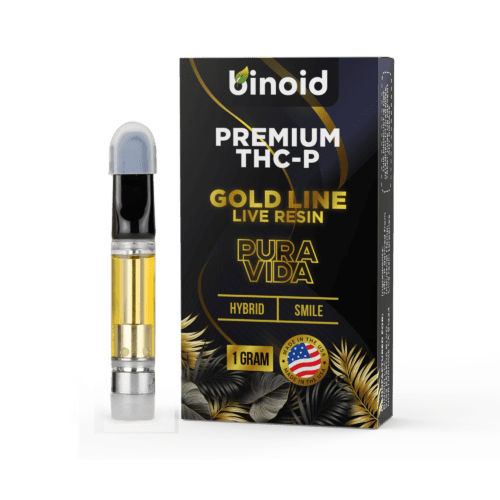
The Molecular Timeline: How THC Oil Changes Inside the Cartridge Over Time
A question that the lifespan conversation rarely addresses with sufficient rigor is the distinction between a cartridge’s functional lifespan how long it takes to consume the oil and its molecular lifespan: how long the oil inside remains at peak quality before environmental factors begin degrading the cannabinoids and terpenes it contains. These two timelines can diverge significantly, particularly for consumers who purchase cartridges in quantity and cycle through them slowly, or who store cartridges for extended periods between use cycles. Understanding the molecular degradation pathways that act on THC distillate over time is essential context for any consumer who wants to get not just the most pulls from a cartridge, but the best experience from each of those pulls throughout the product’s useful life.
THC, as a molecule, has a well-documented set of environmental adversaries. Photooxidation the degradation of cannabinoids driven by exposure to UV and visible light is among the most aggressive of these forces, capable of converting THC into CBN (cannabinol) within hours of direct sunlight exposure. The terpene fraction of a well-formulated distillate is even more vulnerable than the cannabinoids themselves: these volatile aromatic compounds are, by their chemical nature, designed to evaporate, and a cartridge stored in a warm or light-exposed environment will lose measurable terpene content well before the consumer notices any reduction in vapor volume.
What they will notice is a progressive flattening of flavor the layered, strain-specific aromatic complexity that defines a premium live resin-infused cartridge from BinoidCBD.com gradually giving way to something blunter, harsher, and less interesting. This is not hardware failure. It is molecular degradation, and it is entirely preventable through proper storage practice.
Heat is the accelerant that compounds every other form of degradation. A cartridge left in a warm car even for thirty minutes on a summer afternoon can lose a measurable percentage of its terpene load in that single exposure event, and the distillate itself may begin to thin in ways that promote leakage through the cartridge’s seals. Oxygen, the third member of the degradation triumvirate, acts more slowly but no less consequentially: oxidative conversion of THC into less potent compounds is a continuous background process that intensifies with every breach of the cartridge’s sealed environment and accelerates in the presence of warmth.
A premium Binoid vape cartridge that has been stored correctly upright, at consistent room temperature, away from light and heat will deliver a molecularly superior experience on its hundredth draw as on its first. One that has been left in a jacket pocket through a week of temperature swings will have already surrendered a portion of what made it exceptional before the consumer realizes anything has changed.
Usage Behavior: The Variables You Control
Of all the factors that determine how long a THC vape cart lasts, the ones that fall most directly under the consumer’s control are inhalation behavior and temperature management two variables that most users never explicitly consider, yet that collectively exert more influence on cartridge lifespan than any other single factor. Inhalation duration is the most immediately impactful: a two-second draw from a properly calibrated 510-thread cartridge at moderate voltage will vaporize roughly the same amount of oil as a five-second draw, but the longer draw delivers far more vapor per pull meaning fewer pulls are needed to reach the same experiential destination, and the cartridge’s total pull count is preserved.
The consumer who takes long, slow draws and gives the coil thirty seconds between hits to cool and re-wick is operating the cartridge closer to its design efficiency. The consumer who chain-vapes in rapid succession is overheating the coil, burning through oil faster than the wick can replenish it, and degrading both the flavor profile and the hardware integrity simultaneously.
Battery voltage is the second major behavioral variable, and one that an astonishing number of consumers set once and never revisit. Most 510-thread batteries the universal standard compatible with the vape cartridge lineup at BinoidCBD.com offer adjustable voltage settings, typically ranging from 2.4 volts to 4.0 volts or higher. Lower voltage settings produce smaller, cooler vapor clouds that preserve more of the distillate’s terpene fraction and extend the life of the coil; higher settings produce denser, warmer hits that consume oil more rapidly and run the risk of burning the oil at the coil surface rather than vaporizing it cleanly.
For premium distillates with complex terpene profiles like the live resin-infused formulations in Binoid’s cartridge lineup lower voltage settings are not just a lifespan strategy. They are a flavor strategy, allowing the aromatic complexity of the strain-specific terpene blend to express itself fully rather than being scorched into an undifferentiated warmth that communicates nothing about what made the cultivar interesting in the first place. The sweet spot for most premium distillates sits between 2.4 and 3.2 volts warm enough to vaporize efficiently, cool enough to preserve the experiential integrity of the formulation.
The practice of priming a new cartridge before the first use is a simple behavioral intervention that pays outsized dividends across the entire subsequent lifespan. Priming involves attaching a new cartridge to the battery and taking two or three gentle, unpowered draws puffs without activating the heating element before the first live hit. This draws oil from the tank into the wick through capillary action, ensuring the coil is fully saturated before it receives its first thermal event.
A dry or under-saturated coil on first use is the single most common cause of the harsh, burnt-taste first hits that lead consumers to assume a cartridge is defective when the actual problem is a thirty-second fix. It is also a coil longevity issue: a dry coil running hot burns the wick material in ways that are not fully reversible, creating a degraded baseline experience that persists throughout the cartridge’s life. Take the thirty seconds. Prime the cartridge. The entire subsequent experience improves.
Recommended products
-
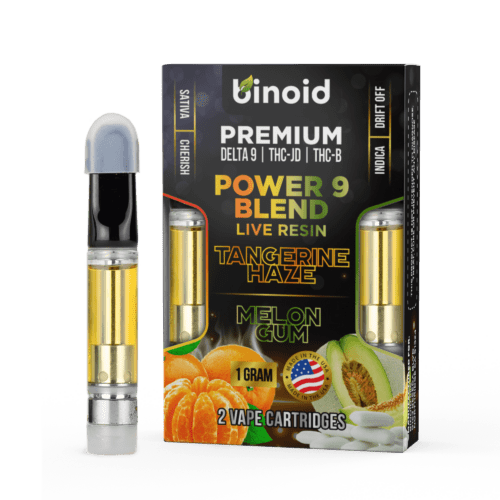
Power 9 Blend Live Resin Cartridge – 2 Pack Combo (Limited Time Sale)
$40.99$89.99 -
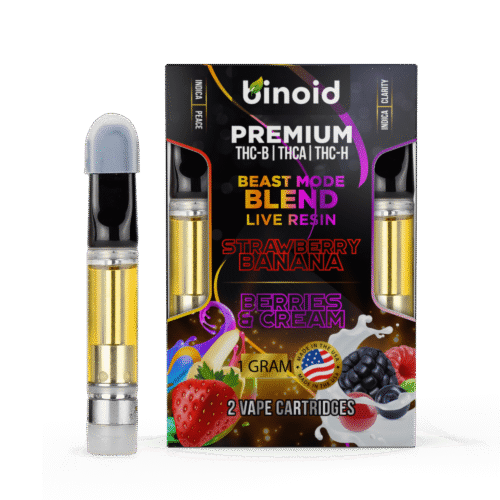
Beast Mode Blend Live Resin Cartridge – 2 Pack Combo (Limited Time Sale)
$40.99$89.99
Storage as Stewardship: The Protocol That Protects Your Investment
The optimal storage position for a THC vape cartridge is one of the most straightforward and most consistently ignored pieces of advice in the consumer cannabis space: store it upright, mouthpiece facing up, at all times when not in active use. This is not a preference it is a function of viscosity physics. Cannabis distillate is a thick, slow-moving liquid at room temperature, and gravity is the consumer’s ally when the cartridge is vertical.
Upright storage keeps the oil pooled at the bottom of the tank, away from the mouthpiece and in consistent contact with the wicking system, ensuring that every draw initiates from a properly fed coil rather than one that has been partially starved by oil pooling in the wrong location. Storing a cartridge on its side in a drawer, in a bag, lying flat on a surface allows oil to migrate toward the mouthpiece end, where it can work past the seal and produce the unpleasant leakage that consumers occasionally blame on the hardware when the actual cause is positional mismanagement.
Temperature consistency matters more than temperature perfection. The target storage environment for a THC vape cartridge is a consistently cool, dark location a drawer, a cabinet, a dedicated storage case where the ambient temperature stays reasonably stable across the day. Rapid thermal cycling, the expansion and contraction the cartridge experiences when moved between cold and warm environments repeatedly, creates micro-stresses in the cartridge’s glass and ceramic components that can eventually compromise seal integrity and coil performance. The distillate inside responds to cold by thickening and potentially developing cloudiness a visual change that alarms some consumers but is typically reversible through gentle warming between the palms for thirty seconds before use. The practical takeaway is consistent room temperature, away from direct heat sources and cold drafts, in a position the cartridge can maintain without being disturbed.
Light exclusion is the final and most frequently underestimated element of a complete cartridge storage protocol. The science here is unambiguous: UV radiation is among the most efficient drivers of cannabinoid degradation known to cannabis researchers, and the transparent glass tanks of most premium cartridges while structurally superior to plastic alternatives offer essentially no UV protection. A cartridge sitting on a windowsill, or in a transparent case that receives afternoon sun, is undergoing continuous photooxidative degradation even when it is not in use. The solution is simple and requires no specialized equipment: keep the cartridge in a drawer, a case, or any opaque container when not actively vaping. This single habit, applied consistently, preserves the terpene profile and cannabinoid potency of the oil across the entire lifespan of the cartridge delivering the same quality experience on the last draw that the first draw promised.
The Lifespan Difference Between Product Tiers: Why Quality Pays Forward
There is a calculation that every experienced vape consumer eventually performs, usually after one too many disappointing interactions with budget cartridges: the cost-per-usable-hit analysis. The arithmetic is straightforward. A lower-priced cartridge that leaks, floods, produces inconsistent vapor delivery, and reaches a degraded experience state well before the oil is exhausted may cost less per milligram than a premium alternative but if it delivers sixty percent of its oil as usable, quality vapor rather than ninety percent, the effective cost per satisfying hit is often higher, not lower.
Add the terpene degradation that accompanies inferior formulation and hardware, and the experiential delta between a budget cartridge and a premium one compounds across every use occasion rather than holding constant. The vape cartridges available through BinoidCBD.com are not priced as a luxury proposition for its own sake. They are priced to reflect the actual cost of the sourcing, formulation, hardware specification, and third-party verification that produce a cartridge whose lifespan numbers are real rather than theoretical.
The live resin distinction deserves particular emphasis in the context of longevity and value. Live resin-infused cartridges in which the terpene fraction of the distillate is derived from fresh-frozen plant material harvested at peak cannabinoid and terpene expression, rather than from dried and cured biomass that has already lost a significant portion of its volatile compounds carry a richer, more complex aromatic profile that remains discernible and pleasurable across a longer use arc than cartridges built from conventional distillate and added botanical terpenes.
The flavor of a well-made live resin cartridge does not flatten out at the halfway mark the way a lesser formulation often does. The entourage effect the modulating and enhancing interaction between cannabinoids and terpenes that shapes the qualitative character of the experience remains active throughout the cartridge’s life because the compounds producing it are present at meaningful concentrations rather than at the trace levels that survive lesser extraction and formulation processes. This is what Binoid’s live resin-infused vape offerings deliver: not just a product that lasts longer in calendar terms, but one whose quality holds across that lifespan in ways that budget alternatives are structurally incapable of matching.
Troubleshooting the Common Lifespan Killers
The most common complaint among vape consumers who feel their cartridges are not lasting as long as expected is not actually a product failure it is a behavioral one, and it has a name: ghosting. Ghosting occurs when a consumer takes a pull and then draws again immediately, before the coil has had adequate time to cool and the wick has had adequate time to re-saturate with fresh oil from the tank. The second and third hits in rapid succession are drawing on a partially dry coil, which means a portion of the energy being applied is burning wicking material and degrading coil integrity rather than vaporizing oil into usable vapor.
The consumer registers these hits as less satisfying, pulls more frequently to compensate, and exhausts the cartridge significantly faster than its design efficiency would otherwise allow. The solution a thirty-to-sixty-second rest between draws requires only patience, and it extends both the cartridge’s lifespan and the quality of every individual hit within it.
Coil flooding is the second most common lifespan complaint, and it is almost always a storage or temperature management failure rather than a hardware defect. When oil thins due to warmth and pools around the ceramic heating element rather than being wicked cleanly, the result is a gurgling, uneven pull accompanied by the unpleasant experience of liquid entering the mouthpiece. Flooding wastes oil the excess that pools at the coil cannot be efficiently vaporized and often ends up expelled or evaporated without delivering its cannabinoid payload and it degrades coil performance in ways that can become permanent if the flooding is severe or repeated.
The corrective is straightforward: store the cartridge upright at consistent room temperature, and if flooding has already occurred, hold the cartridge upright for several minutes before use to allow the excess oil to drain back into the tank through gravity. In most cases, this simple repositioning resolves the symptom entirely without requiring any hardware intervention.
Clogging the partial or complete blockage of the mouthpiece airflow pathway by condensed vapor residue is the third most commonly reported issue, and it is one that disproportionately affects cartridges used in cold environments or stored without adequate temperature management. When vapor cools rapidly in the mouthpiece or airflow channel, it can recondense as a viscous residue that accumulates over time and eventually restricts airflow to the point of rendering the cartridge temporarily unusable.
The remedy is gentle heat application to the exterior of the mouthpiece not a lighter flame, which risks damaging the hardware, but the warmth of the palms or a brief exposure to the gentle heat of a hair dryer on its lowest setting. This softens the condensate, restores airflow, and returns the cartridge to full function. Preventing clog buildup proactively is a matter of storing the cartridge in a warm enough environment that condensate does not form to begin with which circles back, as so much of the lifespan conversation does, to the foundational importance of consistent temperature management.
Recommended products
-
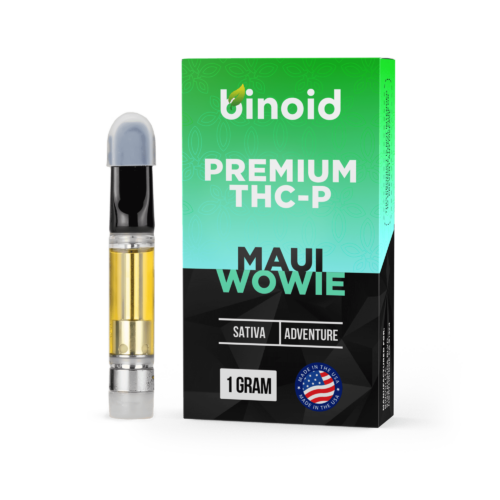
THC-P Vape Cartridge – Maui Wowie
$29.99$59.99 -
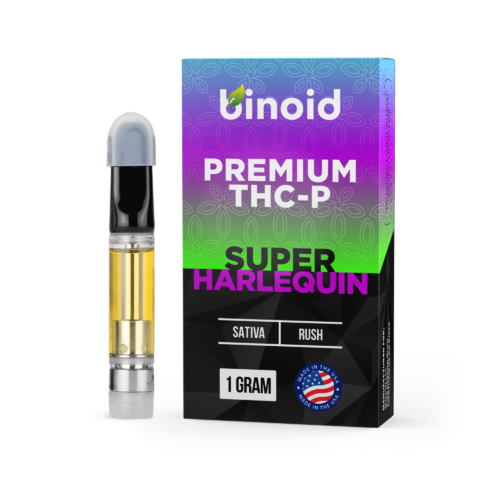
THC-P Vape Cartridge – Super Harlequin
$29.99$59.99 -
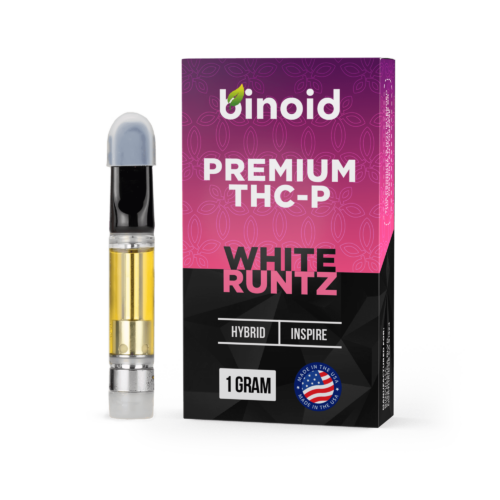
THC-P Vape Cartridge – White Runtz
$29.99$59.99
The Honest Answer: A Framework, Not a Formula
So how long does a THC vape cart last? The intellectually complete answer is that a 500mg cartridge, used by a moderate consumer at optimal temperature settings with proper storage and mindful inhalation behavior, will deliver between 150 and 200 quality draws across a period of two to six weeks. A 1g cartridge extends those parameters proportionally. A heavy daily user will compress that window considerably; a light or occasional user will stretch it well beyond the average.
What makes a Binoid CBD cartridge specifically worth discussing in those terms is that the quality floor on each of those draws the consistency of vapor production, the integrity of the terpene profile, the reliability of the hardware holds across the entire range in ways that cheaper alternatives structurally cannot replicate. The first draw and the hundredth draw from a properly stored, well-operated Binoid vape cartridge are not identical, but they are recognizably related members of the same experiential family rather than strangers separated by progressive degradation.
The variables that govern how long a THC vape cart lasts are not mysterious, and they are not beyond the consumer’s influence. Hardware quality and distillate formulation set the ceiling; storage discipline, temperature management, and inhalation behavior determine how close to that ceiling the actual experience lands. Investing in a premium cartridge from BinoidCBD.com one backed by domestically sourced hemp, ISO-accredited third-party testing, ceramic hardware, and live resin terpene integration where applicable is the decision that sets the ceiling high.
Everything else is the work of preserving what that decision made possible. The best vape cartridge is not simply the one with the most oil or the most potent distillate. It is the one whose quality the consumer encounters fully, draw after draw, through the entire arc of its life and that outcome is, more than anything else, a collaboration between the brand that built it and the consumer who understood how to treat it.
To Buy THC Vape Click Here
Recommended products
-
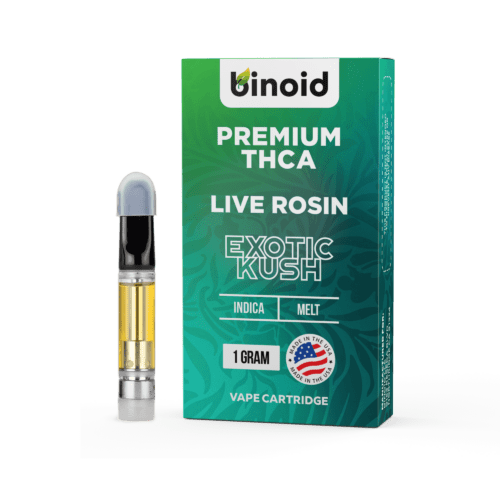
THCA Vape Cartridge Exotic Kush – Live Rosin
$30.99$59.99 -
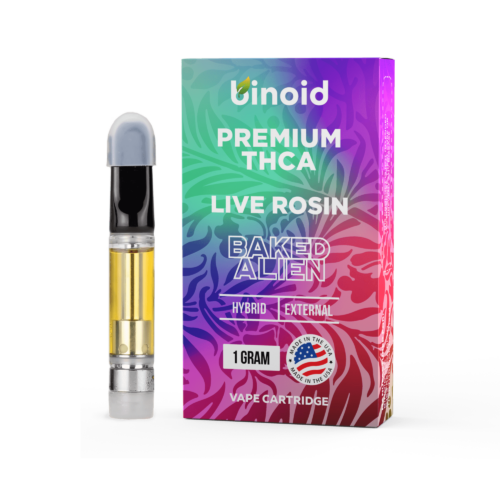
THCA Vape Cartridge Baked Alien – Live Rosin
$30.99$59.99 -
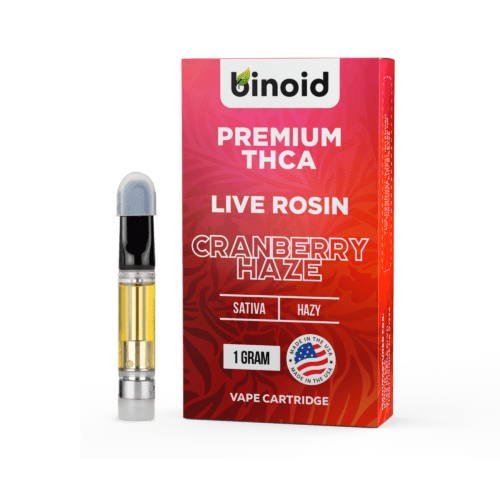
THCA Vape Cartridge Cranberry Haze – Live Rosin
$30.99$59.99 -
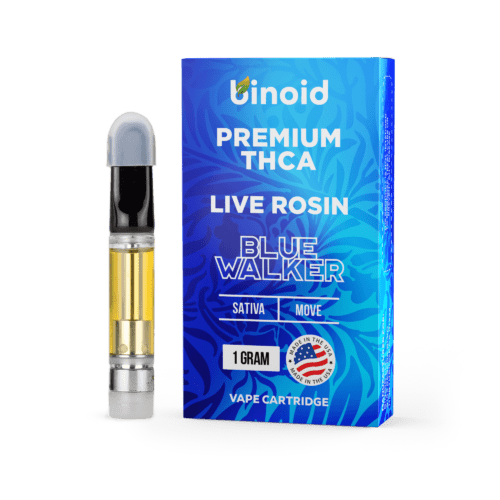
THCA Vape Cartridge Blue Walker – Live Rosin
$30.99$59.99