The Question Everyone Is Actually Asking
There is a version of this question that is purely logistical the kind asked by someone planning an evening around a specific window of availability, or a first-time user who wants to know what they’re committing to before they commit. But there is a deeper version of the same question that is really asking something more interesting: what is the shape of this experience, what determines its contours, and what can I do to understand and guide it? How long does a THC vape high last is, on the surface, a simple query. Beneath that surface, it opens into a genuinely fascinating conversation about pulmonary absorption, endocannabinoid receptor dynamics, individual metabolic variation, and the particular alchemy that makes inhaled hemp-derived cannabinoids one of the most immediate and characterful ways to engage with this class of compounds.
The short answer because it would be dishonest to bury it is that the experience of a THC vape typically lasts between one and four hours, with the peak intensity arriving within minutes of inhalation and tapering gradually from there. But the short answer is almost useless without context, because within that range lives an enormous amount of variation shaped by factors that are specific to you, your biology, the product you’re using, and how you’re using it.
The consumer who takes two small draws from a vape cartridge containing a mild concentration of Delta 8 THC and the consumer who takes several extended pulls from a high-potency Delta 9 or THC-P disposable are technically doing the same activity inhaling a vaporized cannabinoid but they are having experiences that differ in intensity, duration, and qualitative character as significantly as a glass of wine differs from a double pour of barrel-proof whiskey. Understanding why requires a brief detour through the science of how inhaled cannabinoids actually work.
To Buy THC Vape Click Here
Recommended products
-
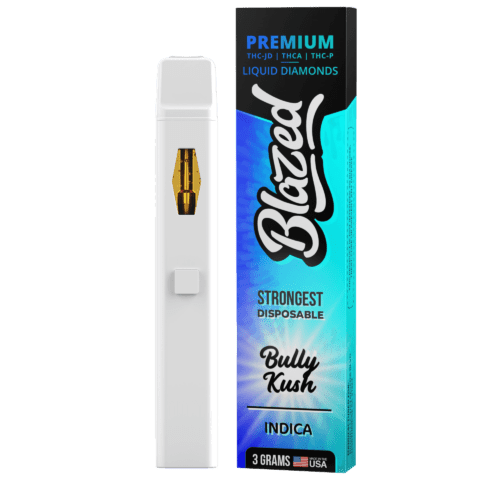
THCA + Delta 9P 3 Gram Disposable – Blazed
$37.99$69.99 -
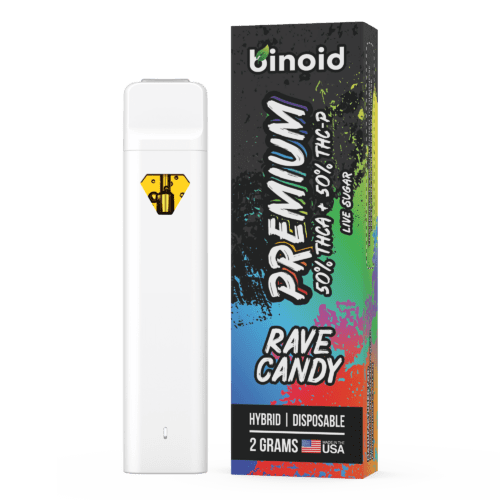
Live Sugar THCA + THC-P Disposable Vape – Pure 50/50
$39.99$69.99 -
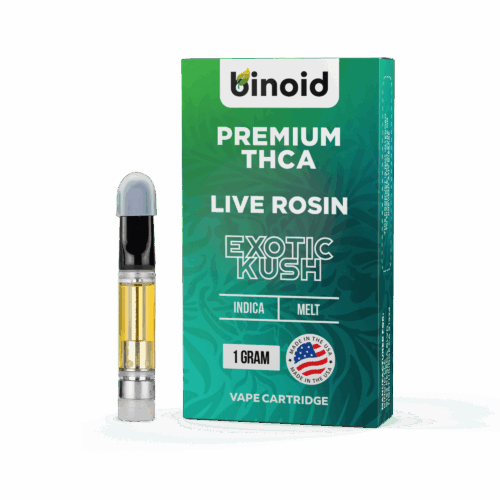
THCA Vape Cartridge – Live Rosin
$30.99$59.99 -
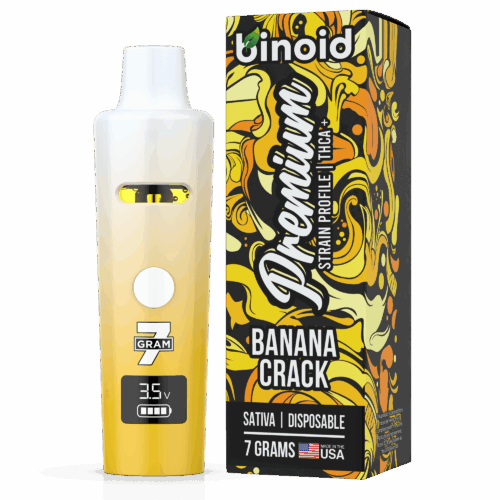
Strain Series 7 Gram Disposable Vape
$63.99$109.99
What Happens in the First Five Minutes
The reason vaping occupies such a distinctive position among cannabinoid delivery formats is the speed and efficiency of pulmonary absorption the biological mechanism by which compounds inhaled into the lungs enter the bloodstream. When vapor from a THC vape cartridge or disposable is inhaled, the aerosolized cannabinoid molecules travel through the bronchial passages and into the alveoli: the tiny, highly vascularized air sacs deep in the lungs where the business of gas exchange takes place.
The walls of the alveoli are extraordinarily thin only a single cell thick and they are threaded with a dense capillary network that provides essentially direct access to the circulatory system. Cannabinoids absorbed here bypass the digestive tract entirely, which means they also bypass first-pass liver metabolism: the enzymatic processing that significantly reduces the bioavailability of orally consumed cannabinoids like edibles and capsules.
The practical consequence of this bypass is twofold and significant. First, a much higher percentage of the inhaled cannabinoid reaches systemic circulation relative to what was consumed bioavailability estimates for inhaled THC range broadly, but many researchers place the figure between twenty-five and fifty percent, compared to the six to fifteen percent typically attributed to oral ingestion. Second, and more consequentially for the experiential timeline, the onset is nearly instantaneous from a human-perception standpoint.
Cannabinoids reaching the brain via the bloodstream begin occupying CB1 receptors in the central nervous system within seconds to minutes of inhalation. Most consumers report feeling the first clear signal of a THC vape experience within two to ten minutes of their first draw a responsiveness that the edible format, with its thirty-minute to two-hour onset window, cannot approach. This speed is both the vape’s greatest appeal and the characteristic that most demands the consumer’s respect and attention.
The Arc of the Experience: Peak, Plateau, and Taper
Understanding the timeline of a THC vape high requires thinking not just in terms of total duration but in terms of the experience’s internal shape the way it rises, stabilizes, and recedes. The onset phase, as described above, is rapid: intensity builds over the first fifteen to thirty minutes following inhalation, climbing toward a peak that most consumers reach within the first half-hour. This peak is where the full character of the specific cannabinoid its particular relationship with the endocannabinoid system, its distinctive qualitative texture is most clearly expressed.
A Delta 8 THC cartridge at its peak tends to deliver a clear, composed elevation that many users describe as warm and sociable without the sharp edges that can accompany stronger compounds. A Delta 9 THC vape at peak expresses a more classically intense psychoactive quality. A formulation featuring THC-P or HHC some of the more potent hemp-derived cannabinoids appearing in premium product lines delivers something with considerably more amplitude, and should be approached accordingly.
From the peak, the experience transitions into a plateau phase that represents the experience at its most sustained and, for many consumers, its most enjoyable. Intensity remains elevated but is no longer climbing, which tends to produce a more navigable, workable quality the phase in which conversation flows easily, creative thoughts feel generative, and the particular pleasure of the experience settles into something that feels less like an event and more like an environment.
This plateau typically lasts between thirty minutes and an hour and a half, shaped by the amount consumed, the potency of the formulation, and the individual’s metabolic rate and cannabinoid tolerance. The taper that follows is gradual rather than abrupt a slow recession of intensity over the course of another hour or more, during which the more acute qualities of the high fade while a background note of ease and relaxation often persists. Total duration from first inhalation to full return to baseline typically falls in the range of one to four hours, with higher-potency products and larger consumed volumes skewing toward the longer end.
Recommended products
-
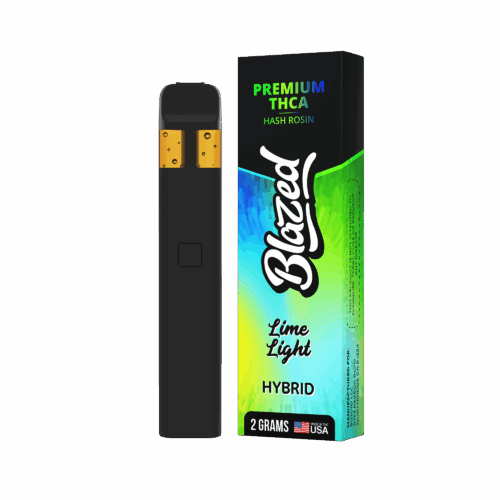
2 Gram THCA Disposable Hash Rosin – Blazed
$37.99$59.99 -
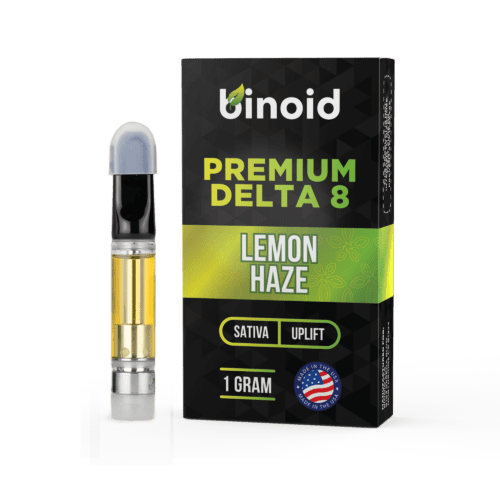
Delta 8 THC Vape Cartridge
$26.99$39.99 -
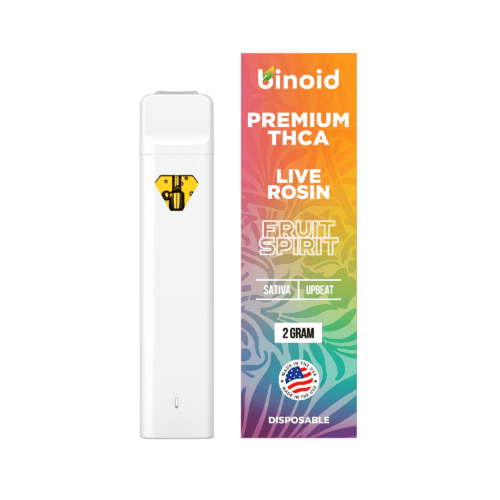
2 Gram THCA Disposable Vapes – Live Rosin
$39.99$73.00 -
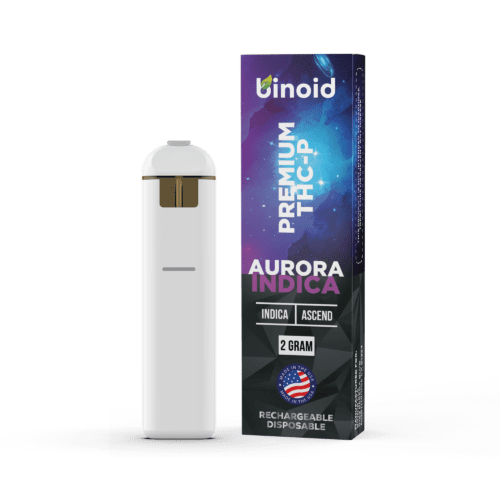
THC-P Rechargeable Disposable – 2 Gram
$31.00$59.99
The Variables That Shape Your Specific Timeline
The range of one to four hours is real, and it is wide for reasons that are not arbitrary. The factors that determine where your particular experience falls within that range are numerous and interact with each other in ways that make prediction more of an art than a science. The most significant variable is cannabinoid potency and type the specific compound or combination of compounds in the product you’re using, and the concentration at which they’re delivered. A cartridge containing Delta 8 THC at modest concentration produces a noticeably shorter and gentler arc than a high-potency formulation blending Delta 9 with minor cannabinoids like CBN or THC-O. The molecular differences between these compounds the specific ways each binds to and activates CB1 and CB2 receptors, the duration of that binding, and the downstream signaling cascades each initiates translate directly into the experiential timeline.
Individual metabolism is the second major variable, and it is the one most frequently underestimated by consumers who read a product description and assume the stated experience will replicate identically across all users. The cytochrome P450 enzyme system, primarily in the liver, is responsible for metabolizing THC into its active and inactive metabolites, and the activity level of this system varies considerably from person to person based on genetics, age, body composition, and concurrent consumption of other substances that use the same enzymatic pathways.
A fast metabolizer will process cannabinoids more quickly, producing a shorter, potentially less intense experience. A slow metabolizer will find the same dose lingering noticeably longer, often with greater cumulative intensity. Tolerance functions as a related but distinct variable: a regular vape user’s endocannabinoid system has downregulated its CB1 receptor density and sensitivity in response to consistent activation, which means a comparable dose will produce a reduced and potentially shorter experience relative to what a first-time or occasional user would encounter.
The consumption volume and rhythm within a session is a variable entirely within the consumer’s control, and it is the one with the most direct, immediate influence on both duration and intensity. Each additional draw from a vape cartridge or disposable adds to the cannabinoid load in the system, extending and deepening the experience in a cumulative fashion that is not always linear.
The common error particularly among consumers less experienced with the vape format is to continue drawing during the early onset phase before the full effect of initial consumption has arrived, effectively stacking doses in a way that produces more intensity and duration than intended. The most experienced vape consumers tend to take a measured initial draw, allow fifteen to twenty minutes for the effect to manifest clearly, and then make an intentional decision about whether to add to the experience. This disciplined approach is not restrictive it is simply what allows the consumer to remain the author of their own experience rather than a passenger in it.
Vape Cartridges vs. Disposables: Format Distinctions That Matter
Within the vaping format itself, there is a meaningful distinction between vape cartridges pre-filled vessels designed to attach to a compatible battery and disposable vapes self-contained, single-unit devices that combine battery and cartridge in one integrated form factor. From a pure cannabinoid-delivery standpoint, the two formats are functionally equivalent: both vaporize a liquid distillate containing hemp-derived cannabinoids, and both produce an inhalable aerosol that delivers those cannabinoids via the pulmonary pathway described above. The experiential timeline for a given compound at a given concentration will be essentially the same regardless of which hardware format delivers it.
Where the distinction between vape cartridges and disposables becomes relevant is in the dimensions of convenience, consistency, and consumer control. A disposable vape offers unmatched ease of use no battery to charge, no cartridge to attach or swap, no hardware maintenance of any kind. It is a genuinely self-contained experience, ideal for the consumer who prioritizes portability and simplicity, or who is exploring a specific compound for the first time and doesn’t want to invest in a broader hardware setup before knowing whether the format suits them.
The trade-off is control: a disposable’s draw resistance and vapor temperature are fixed by the device’s design, limiting the consumer’s ability to adjust the intensity of each draw. A vape cartridge paired with a quality variable-voltage battery provides a degree of customization lower temperatures preserve terpene profiles and produce lighter, more flavorful draws; higher temperatures produce denser vapor and more cannabinoid delivery per draw that appeals to the more experienced or experimentally-minded consumer.
Binoid CBD’s lineup at Binoidcbd.com addresses both preferences with a depth and quality that makes the choice between them feel like a genuine selection rather than a compromise on either side. Their cartridge offerings span an impressive range of cannabinoid formulations covering Delta 8, Delta 10, HHC, THC-P, and proprietary blends designed around specific experiential profiles with distillate quality and terpene integrity that set a clear standard for what this format can deliver. Their disposable line offers the same formulation quality in a form factor designed for maximum convenience, built with hardware reliability that eliminates the leaking, clogging, and inconsistent draw performance that plagued earlier generations of disposable vapes in the hemp space.
Recommended products
-
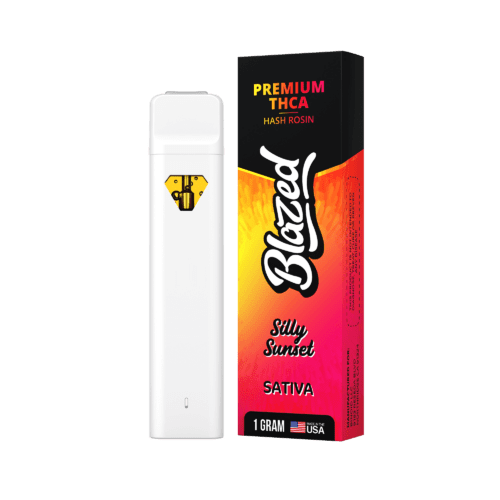
1 Gram THCA Disposable Hash Rosin – Blazed
$31.99$67.99 -
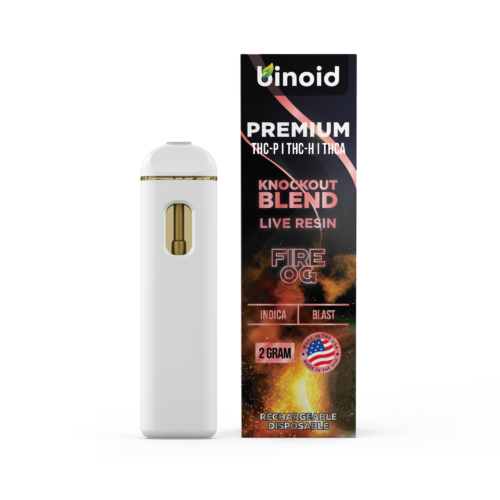
Knockout Blend Live Resin Disposable – 2 Gram
$33.99$59.99 -
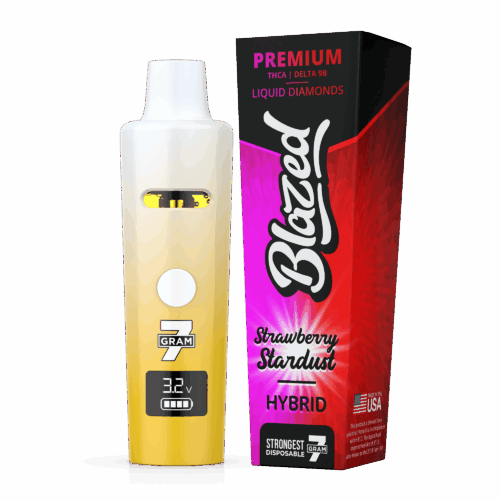
Blazed 7 Gram THCA + Delta 9P Disposable Vape
$65.99$109.99 -
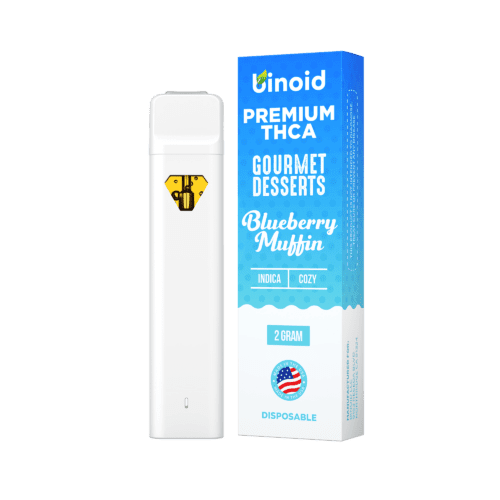
THCA Disposable 2 Gram – Gourmet Desserts
$37.99$73.00
The Role of Terpenes in Shaping Duration and Quality
Any serious discussion of the THC vape experience that omits terpenes is leaving something genuinely important on the table. Terpenes are the aromatic compounds present in the hemp plant and in plants generally that contribute to flavor, scent, and, according to a growing body of research, a meaningful modulation of the cannabinoid experience itself. The entourage effect hypothesis, which has accumulated considerable supporting evidence over the past decade, proposes that terpenes work synergistically with cannabinoids to influence the character and quality of the endocannabinoid system’s response not just the flavor of the vapor, but the shape of the high itself.
In practical terms, a vape formulation rich in myrcene a terpene prevalent in many indica-leaning hemp cultivars tends to produce an experience with more body and sedative quality, often associated with a longer, more settled arc. Formulations heavy in limonene or pinene tend toward the brighter, more energetic end of the spectrum, with experiences that feel cleaner and more mentally active. Caryophyllene, a terpene notable for its direct interaction with CB2 receptors, adds an anti-inflammatory, grounding quality to formulations in which it appears.
The best vape products in 2026 and Binoid CBD’s cartridge and disposable lines are exemplary in this regard use strain-derived or botanically sourced terpene profiles that are deliberately selected to complement the primary cannabinoid and shape the experiential arc in an intentional direction. When you’re shopping at Binoidcbd.com and a cartridge’s product description mentions a specific strain profile or terpene blend, that information is not decorative. It is a genuine guide to what the experience will feel like and, to a degree, how long it will last.
Managing the Experience: What to Do When It Runs Long
For all the sophistication that the modern hemp-derived cannabinoid vape market has developed, the reality remains that even well-prepared, experienced consumers occasionally find themselves in a session that has extended further or intensified more than intended. This is not a crisis it is a pharmacological fact of a category in which potency has increased rapidly and individual tolerance varies considerably. Having a framework for managing the experience when it drifts outside the intended range is simply part of being a sophisticated consumer of these products.
The most reliable interventions are also the most prosaic: water, food, a comfortable environment, and the deliberate decision to stop drawing from the device. CBD taken in isolation in tincture or capsule form has been reported by many consumers to soften the intensity of a THC experience, a phenomenon that researchers attribute to CBD’s complex modulating relationship with CB1 receptor signaling. This is not a guarantee, and it is not a medical recommendation it is a piece of anecdotal knowledge that circulates widely in informed consumer communities and has some mechanistic plausibility behind it.
The more foundational strategy, however, is prevention: starting with a conservative initial dose from any new vape cartridge or disposable, allowing time for the experience to declare itself fully before adding to it, and choosing products from brands like Binoid CBD whose potency labeling and formulation transparency give you the information you need to make genuinely informed decisions before you’ve already committed to the experience.
Recommended products
-
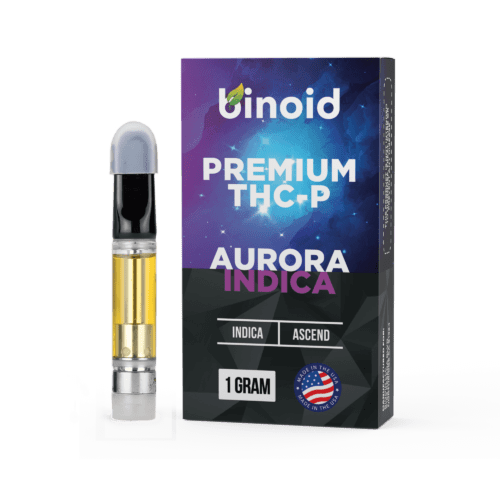
THC-P Vape Cartridge
$29.99$59.99 -
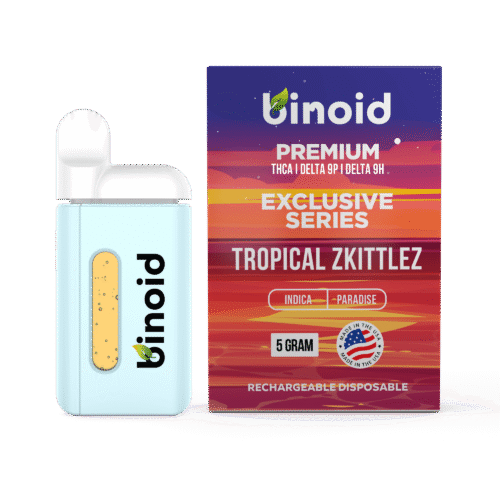
5 Gram THCA Disposable Vape – Exclusive Series
$55.99$89.99 -
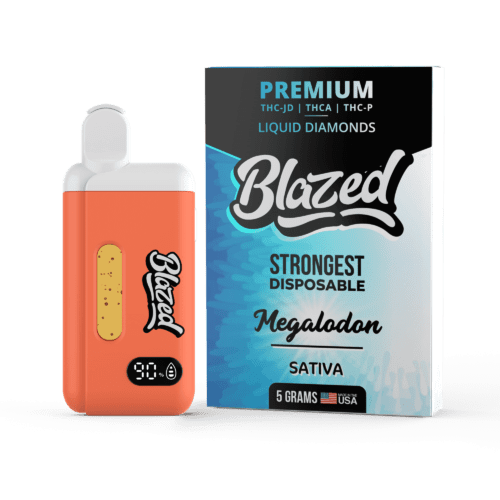
5 Gram Disposable – Blazed
$51.99$79.99 -
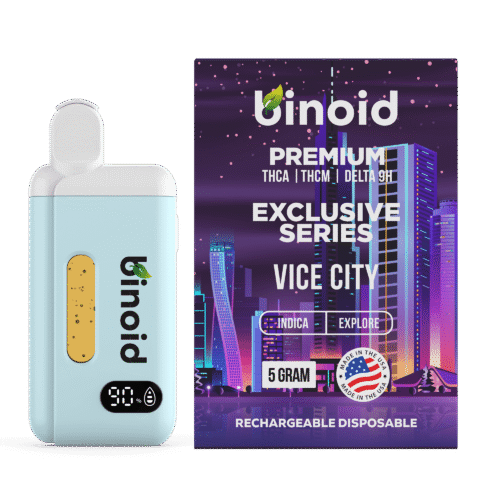
Exclusive Series 5 Gram Disposable Vape – Vice City
$55.99$89.99
Choosing Products That Respect Your Time and Your Experience
The final word on how long a THC vape high lasts returns, inevitably, to the quality of the product producing that high. The most painstaking personal calibration in the world cannot overcome the fundamental uncertainty introduced by a product whose stated potency bears little relationship to its actual cannabinoid concentration, or whose terpene profile has been constructed from synthetic compounds that produce a superficially pleasant vapor but none of the nuanced experiential modulation that genuine plant-derived terpenes provide. In a market where this kind of quality gap remains common, the selection of a brand and source becomes a precondition for the kind of predictable, enjoyable, and personally calibrated experience that makes vaping a sophisticated lifestyle choice rather than a gamble.
Binoid CBD has earned its position at the top of this category through consistent investment in the dimensions that matter: hemp-derived cannabinoid distillate of verified purity and potency, terpene profiles selected with genuine expertise, hardware that performs reliably and safely, and third-party laboratory documentation that converts stated quality into verifiable fact. The full catalog at Binoidcbd.com spanning vape cartridges, disposables, tinctures, gummies, and an expanding range of novel cannabinoid formulations represents what this industry looks like when a brand decides to treat its customers as intelligent adults who deserve real information, real quality, and a real experience. The question of how long the high lasts is ultimately yours to answer through experience. The question of where to start that inquiry has a clearer answer.
To Buy THC Vape Click Here
Recommended products
-
7 Gram THCA + High THC-P Disposable Vape – Limited Series
$67.99$109.99 -
Slush Series 7 Gram THCA Disposable Vape – Grape Slush
$59.99$109.99 -
7 Gram THCA Disposable Vape – Slush Series – Blazed x Binoid
$59.99$99.99