
The Plateau Every Experienced Consumer Eventually Hits
There is a specific and slightly disorienting moment in the life of a longtime cannabis consumer when a dose that once produced a full, rolling wave of effect starts to feel like little more than a ripple. It is not a failure of the product. It is not a sign that something is wrong with the formulation, the extraction method, or the brand behind it. It is simply tolerance the endocannabinoid system’s well-documented tendency to adapt to regular cannabinoid exposure by downregulating CB1 receptor density and sensitivity over time.
For the person experiencing it for the first time, this plateau can be genuinely confusing, prompting a kind of recalibration that no amount of casual internet advice seems to address with any real precision. Most consumer-facing content about THC edibles is written for the beginner, and understandably so, because beginners are the ones most at risk of an unpleasant overconsumption experience. But the seasoned consumer who has built a meaningful tolerance over months or years of regular use is left with comparatively little guidance, despite facing a genuinely different set of considerations than someone trying their first gummy.
Understanding how to navigate high-tolerance dosing is less about chasing an ever-escalating number on a label and more about understanding the underlying mechanisms that govern how THC edibles behave in a body that has adapted to their presence. It requires a working knowledge of pharmacokinetics, an honest relationship with one’s own consumption patterns, and a willingness to think about the entire edible experience potency, format, timing, and tolerance management as an integrated system rather than a series of independent variables. This is the conversation that experienced consumers deserve, and it is one that premium retailers like BinoidCBD.com are increasingly positioned to support through transparent product formulation and genuinely informative brand education.
To Buy THC Edibles Click Here
Recommended products
-
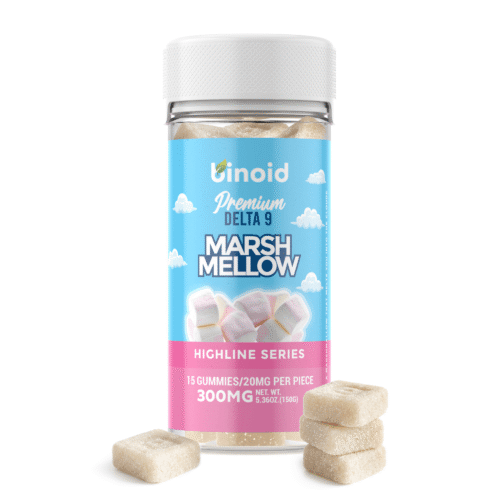
Delta 9 THC Marshmellow
$39.99$49.99 -
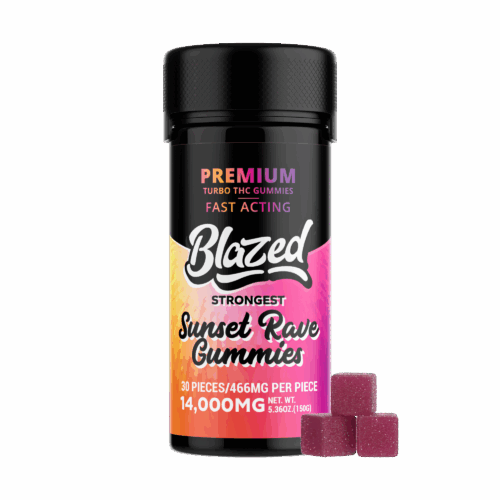
14,000MG Turbo THC Gummies – Blazed
$49.99$84.99 -
Visual Gummies – Moon Melt
$43.99$59.99 -
13,000mg Good Luck Gummies
$47.99$79.99


The Biology of Adaptation: Why Your Body Stops Responding the Way It Used To
Tolerance is not a mysterious or vaguely defined phenomenon. It is a specific, receptor-level adaptation that occurs when the endocannabinoid system is repeatedly exposed to exogenous cannabinoids like delta 9 THC. The CB1 receptor, concentrated throughout the central nervous system, is the primary site where THC exerts its characteristic psychoactive effects. With frequent activation, the body responds the way biological systems generally respond to sustained stimulation: it adjusts.
Receptor density can decrease, and the internalization and recycling dynamics of the receptors themselves can shift, meaning that the same quantity of THC binding to a smaller or less responsive receptor population produces a comparatively muted effect. This is not unique to cannabis. It is a pattern the body follows across numerous receptor systems, and understanding it as a predictable physiological response rather than a personal failing or a sign of diminishing product quality is the first step toward dosing intelligently as tolerance builds.
What makes edibles a particularly interesting case study within this broader tolerance conversation is the role of first-pass hepatic metabolism. When THC is consumed orally, it travels through the digestive system and is processed by the liver before entering systemic circulation, where enzymes convert a portion of the delta 9 THC into 11-hydroxy-THC a metabolite that is widely understood to be more potent and to cross the blood-brain barrier with notable efficiency.
This means that edibles, tolerance considerations aside, already produce a categorically different experience than inhaled formats, with a delayed onset, an extended duration, and a qualitative character that many experienced consumers describe as heavier or more full-bodied. For the high-tolerance consumer, this metabolic pathway does not disappear or diminish in the same way that receptor sensitivity does; the liver continues converting THC to 11-hydroxy-THC regardless of how adapted the CB1 receptor population has become, which is precisely why tolerance to edibles can feel like a more nuanced and layered phenomenon than tolerance to smoked or vaporized cannabis.
The Titration Mindset: Thinking in Increments, Not Absolutes
The single most useful conceptual shift for a high-tolerance consumer is moving away from thinking about dosing as a fixed number and toward thinking about it as a process of titration a deliberate, incremental approach to finding the threshold where a meaningful experiential effect reliably occurs. This is a fundamentally different mindset than the one most beginner-oriented content promotes, which understandably emphasizes starting low and waiting patiently. The experienced, high-tolerance consumer already knows their baseline. What they are actually solving for is the point at which additional milligrams stop producing proportional returns, and where the curve of experience relative to dose begins to flatten out or, in some cases, shift qualitatively rather than simply intensifying.
This is where paying close attention to one’s own consumption history becomes genuinely valuable. A consumer who tracks their experience over time noting not just the quantity consumed but the format, the time since their last meal, their hydration status, and the specific product’s cannabinoid profile builds a dataset that is far more useful than any generic dosing chart could ever be.
Products formulated with a full cannabinoid and terpene profile, rather than an isolated THC distillate alone, often behave differently in a high-tolerance context because of the entourage effect the phenomenon by which multiple cannabinoids and terpenes appear to modulate and enhance each other’s effects when consumed together. A consumer who has built significant tolerance to isolated delta 9 THC products may find that a full-spectrum formulation, of the kind found across BinoidCBD.com’s edible lineup, produces a noticeably different and often more satisfying response, simply because the additional compounds are interacting with a broader set of physiological pathways than THC alone.
Recommended products
-
Super 7 Gummies – Summer Slush Series
$37.99$49.99 -
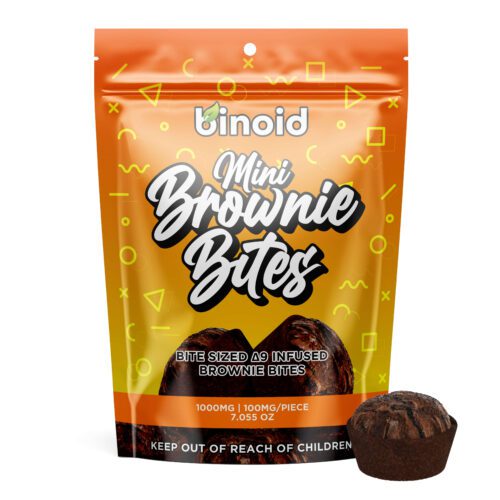
Delta 9 Mini Brownie Bites – 1000MG (Limited Supply)
$34.99$39.99 -
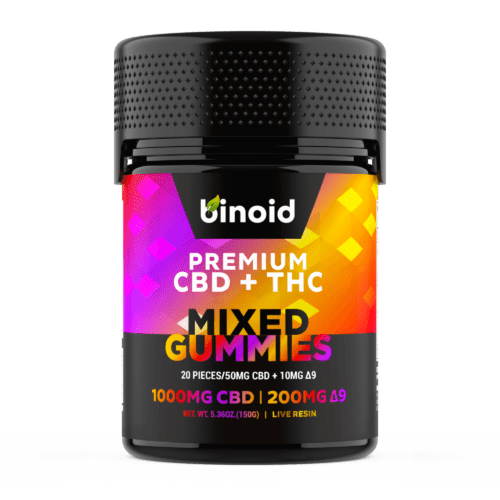
Delta 9 THC Gummies
$30.99$54.99 -
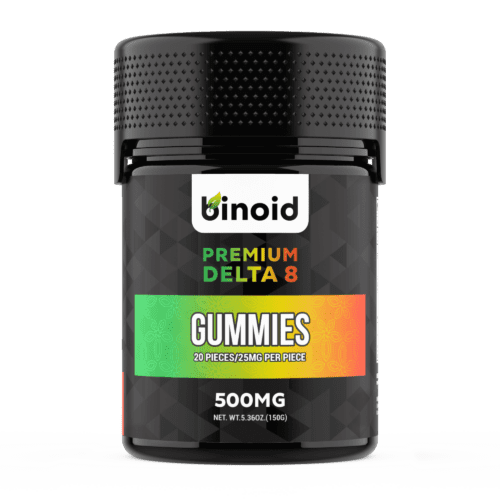
Delta 8 THC Gummies
$29.99$44.99

Format Matters More Than Most High-Tolerance Consumers Realize
One of the most underappreciated tools available to the experienced consumer navigating tolerance is format diversification. Consuming the same product, in the same format, at the same time of day, repeatedly, tends to accelerate the specific tolerance pathway associated with that consumption pattern. Rotating between formats moving between gummies, tinctures, and occasionally beverages introduces enough variability in absorption speed, onset curve, and metabolic pathway that some experienced consumers report a kind of reset effect, even without formally taking a tolerance break. This is not a scientifically guaranteed outcome, and it should not be treated as a substitute for genuine rest periods when tolerance has climbed meaningfully. But it reflects a broader truth about how the endocannabinoid system responds to variability versus routine, and it is a strategy worth understanding even if a full break is not immediately practical.
THC tinctures, for instance, offer a sublingual absorption pathway that bypasses a portion of the first-pass hepatic metabolism that gummies undergo, producing a somewhat faster onset and a different qualitative character than an edible processed entirely through the digestive tract. A high-tolerance consumer who has plateaued on gummies alone may find that incorporating a tincture into their rotation reintroduces a sense of novelty and effect that a straight increase in gummy dosage would not reliably produce.
Similarly, THC beverages formulated with nano-emulsification technology that breaks THC into water-compatible particles for faster mucosal absorption offer an onset profile distinct enough from a standard gummy that experienced consumers frequently report a meaningfully different experience even at comparable milligram totals. BinoidCBD.com’s range across gummies, tinctures, and nano-emulsified beverages gives the high-tolerance consumer genuine flexibility to experiment across formats rather than simply escalating within a single one.
The Case for Deliberate Tolerance Breaks
No conversation about high-tolerance dosing is complete without an honest acknowledgment of the tolerance break colloquially known in cannabis culture as a “t-break.” The physiological logic here is straightforward: if tolerance is built through sustained CB1 receptor downregulation, then a period of abstinence allows the receptor population to gradually normalize, restoring sensitivity and, in many cases, meaningfully reducing the dose required to achieve a given effect. Research into cannabinoid receptor recovery timelines suggests that meaningful downregulation reversal can begin within a period of days to a few weeks of abstinence, though the exact timeline varies considerably based on the duration and intensity of prior use, individual physiology, and genetic factors governing receptor expression.
For the consumer who has built a substantial tolerance over an extended period of regular use, a deliberate break planned around a period when the absence of THC’s effects will not create scheduling or social friction is often the single most effective tool available, more reliable than any incremental dosage increase. This is not a matter of willpower or moral discipline; it is simply an acknowledgment of how the underlying biology works, and experienced consumers who treat tolerance breaks as a routine part of a sustainable, long-term relationship with cannabis tend to report a more consistent and satisfying experience over time than those who simply escalate their dosing indefinitely in pursuit of the effect they remember from earlier in their consumption history.
Recommended products
-
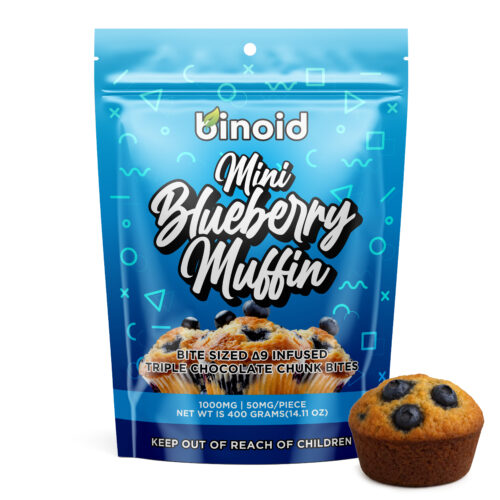
Delta 9 Mini Blueberry Muffin Bites – 1000MG (Limited Supply)
$34.99$39.99 -
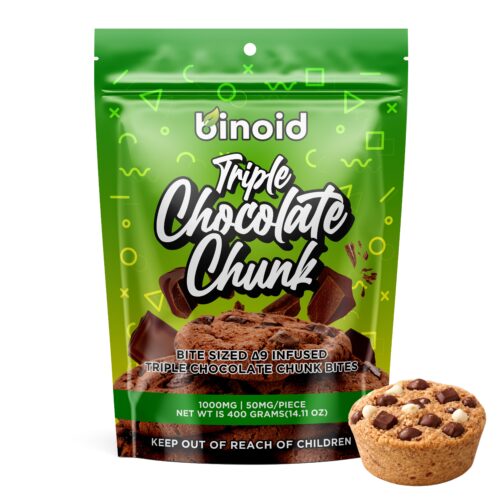
Delta 9 Mini Triple Chocolate Chunk Bites – 1000MG (Limited Supply)
$34.99$39.99 -
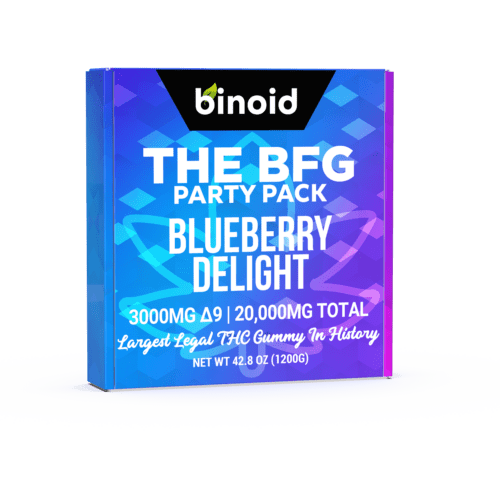
The BFG – 3000mg Delta 9 THC Gummy
$128.99$239.99 -
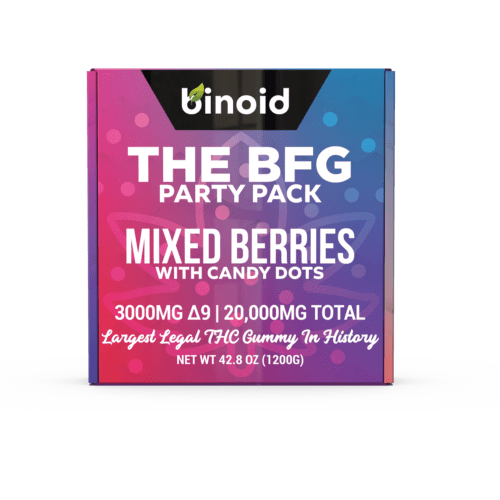
The BFG w/Candy Dots – 3000mg Largest Legal Gummy
$129.99$239.99
Why Product Quality and Consistency Matter Even More at High Tolerance
There is a temptation, once tolerance has climbed significantly, to assume that product quality becomes a secondary consideration that at a certain dosage level, one edible is functionally interchangeable with another. This assumption is exactly backward. The high-tolerance consumer, precisely because they require a larger quantity of active compound to achieve a meaningful effect, is more exposed than anyone to the consequences of inconsistent dosing, unreliable potency labeling, or a poorly formulated product that fails to deliver what its packaging claims.
A gummy that is supposed to contain a specific milligram quantity but is manufactured without rigorous quality control might deliver meaningfully less or more than stated, and for a high-tolerance consumer already operating near the upper end of their comfortable range, that kind of variance is not a trivial inconvenience. It is the difference between a calibrated, intentional experience and an unpredictable one.
This is precisely why sourcing from a brand with rigorous, batch-specific certificate of analysis documentation becomes more important, not less, as tolerance and dosage increase. A COA from an ISO 17025-accredited laboratory provides verifiable confirmation of a product’s actual cannabinoid content, allowing the high-tolerance consumer to titrate with genuine precision rather than guessing at how much of a stated dose is actually reaching their system. BinoidCBD.com publishes batch-specific COA documentation across its full edible catalog, giving experienced consumers the kind of verifiable data that makes intelligent, high-tolerance dosing possible rather than a matter of trial, error, and hope.
Building a Sustainable High-Tolerance Framework
The consumer who has built a genuine tolerance to THC edibles is not facing a problem to be solved through brute-force escalation. They are facing an invitation to engage with cannabis more intelligently to think in terms of titration rather than fixed dosing, to diversify format rather than simply increasing quantity, to build in periodic breaks that allow the endocannabinoid system to recalibrate, and to prioritize verified, consistent, lab-documented products over anything sourced without transparent quality assurance. This is a more sophisticated relationship with cannabis than the one most beginner content assumes its readers want, but it is precisely the relationship that experienced, discerning consumers are looking to build.
None of this requires abandoning the pleasures that drew the consumer to edibles in the first place the extended, full-bodied experience, the discretion, the absence of combustion, the layered complexity of a well-formulated gummy or tincture. It simply requires approaching dosage with the same intentionality that a serious consumer already brings to product selection, format preference, and sourcing standards. For those navigating this plateau, the products and documentation available through BinoidCBD.com offer both the formulation diversity and the verifiable transparency that make a genuinely intelligent, high-tolerance dosing strategy possible one built on data and self-knowledge rather than guesswork and escalation.
To Buy THC Edibles Click Here
Recommended products
-
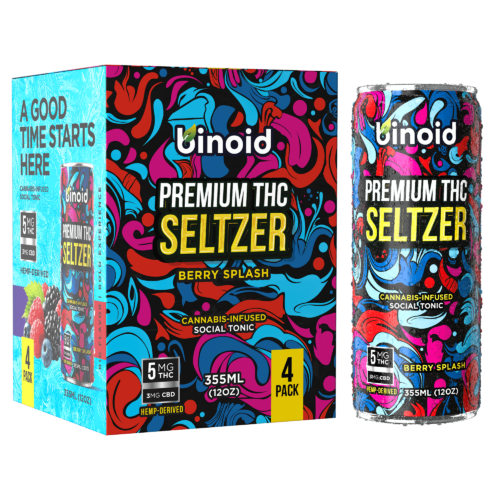
THC Seltzer – Good Vibes Cannabis Drink (4 Pack)
$19.99$29.99 -
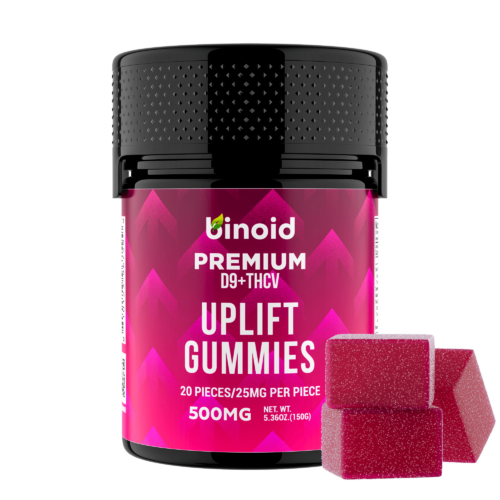
Delta 9 +THCV Gummies- Uplift/Unwind
$29.99$49.99 -
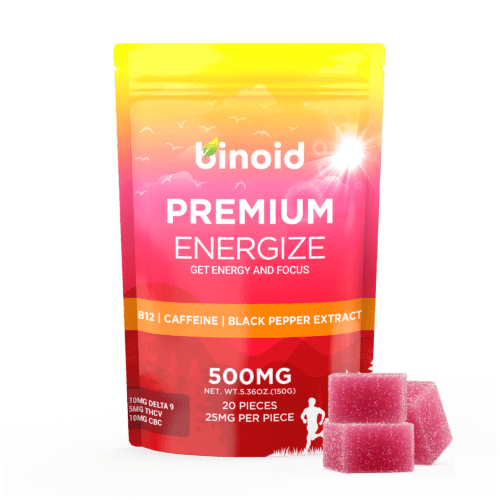
Functional THC Gummies
$33.99$59.99