The Consumer Who Outgrows a Single Format
There is a predictable arc to how most cannabis consumers relate to product formats over time. It usually begins with a single entry point a vape cartridge picked up out of curiosity, or a bottle of gummies recommended by a friend and for a while, that single format is sufficient. It does the job, delivers a reasonably consistent experience, and there’s no obvious reason to complicate things.
But for consumers who stay engaged with the category long enough to develop real preferences, a more sophisticated question eventually surfaces: what happens when you stop thinking about vapes, gummies and tinctures as competing options and start thinking about them as complementary tools, each suited to a different moment, a different onset requirement, a different duration of effect? This is the logic behind layering THC products not stacking doses recklessly, but understanding how different delivery formats can be sequenced and combined intentionally to shape an experience with far more precision than any single format allows on its own.
This is a more advanced conversation than most cannabis content is willing to have, largely because it requires genuine pharmacological literacy rather than surface-level product description. But it’s exactly the kind of conversation that a maturing, connoisseur-oriented consumer base has been asking for, and it’s one that BinoidCBD‘s full-spectrum catalog spanning vapes, tinctures, gummies, and beverages built on consistent, lab-verified formulations is particularly well positioned to support, precisely because layering only works safely when every format in the stack is dosed accurately and documented transparently.
TO BUY THC PRODUCTS CLICK HERE
Recommended products
-
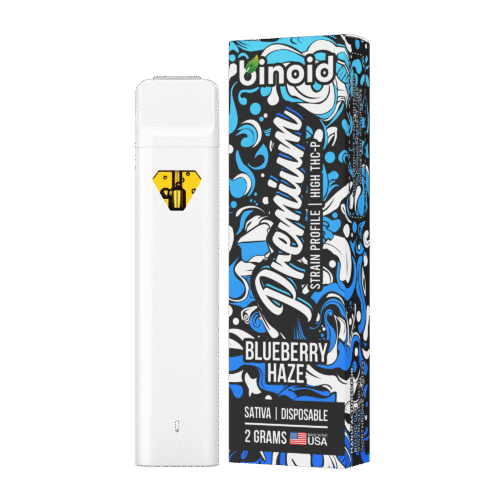
High THC-P 2 Gram Disposable Vape – Strain Series
$41.99$73.99 -
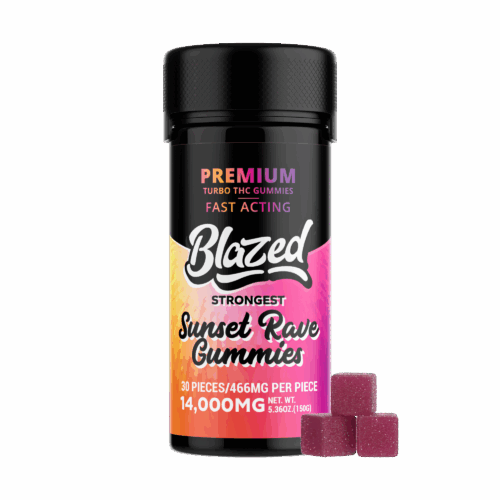
14,000MG Turbo THC Gummies – Blazed
$49.99$84.99 -
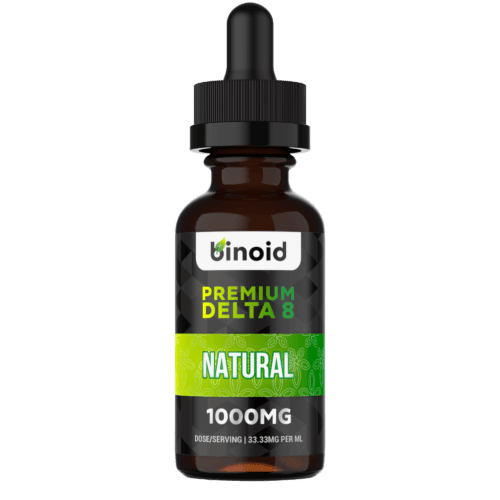
Delta 8 THC Tincture (1000mg, 2500mg, 5000mg)
$25.99$44.99 -
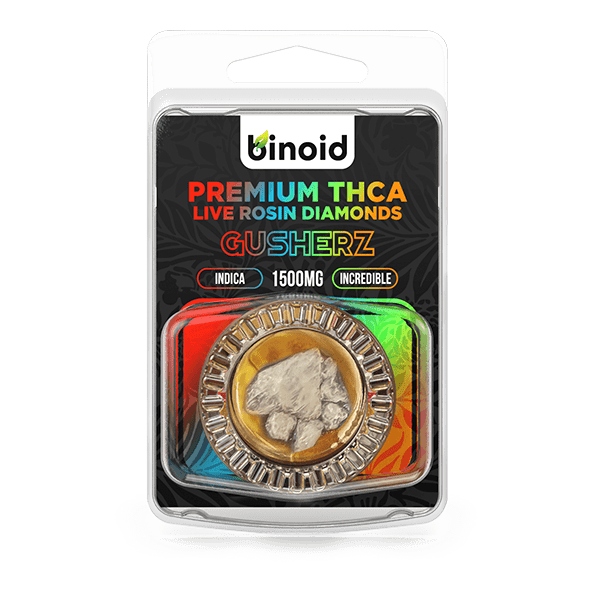
THCA Diamonds 1500mg – Live Rosin
$30.99$59.99
Why Onset and Duration Are the Real Variables That Matter
To understand format layering, you first have to understand that different THC delivery methods aren’t just different vehicles for the same experience they produce meaningfully different pharmacokinetic profiles, and those differences are the entire foundation on which intentional layering is built. Vaporized THC enters the bloodstream through the lungs, bypassing the digestive system and liver entirely on its initial pass, which produces an onset that many consumers describe as beginning within minutes and peaking relatively quickly, though the effects also tend to taper off faster than other formats. This makes vapor an excellent tool for immediate, controllable dosing the format equivalent of a precision instrument rather than a slow-building wave.
Tinctures occupy a genuinely interesting middle ground. When held under the tongue for sublingual absorption, a meaningful portion of the THC content crosses the mucosal membrane directly into the bloodstream, producing an onset that’s typically faster than an edible but slower and gentler than vapor often somewhere in the fifteen-to-forty-five-minute range, depending on formulation and individual physiology. Any tincture volume that gets swallowed rather than absorbed sublingually follows the slower digestive pathway instead, which means tinctures can actually straddle two different onset curves within a single dose, depending on exactly how they’re administered.
Edibles, including gummies, follow an entirely different route. Once swallowed, THC must pass through the digestive system and undergo first-pass hepatic metabolism in the liver, where a significant portion of delta 9 THC is converted into 11-hydroxy-THC a metabolite that is itself psychoactive, and one that many consumers report as producing a more intense, more body-oriented, and notably longer-lasting effect than the parent compound. This is why edibles carry their well-known reputation for delayed onset, often taking anywhere from forty-five minutes to two hours to fully register, followed by an experience that can extend for four to eight hours or longer. Understanding this liver-mediated conversion isn’t a minor technical detail it’s the single most important variable explaining why an edible dose that “isn’t working” after thirty minutes often catches up all at once, and why patience with this format specifically is not optional.
The Architecture of an Intentional Layer
Once these three onset-and-duration profiles are understood individually, the logic of layering starts to make intuitive sense. A commonly cited approach among experienced consumers involves beginning with a modest vape session to establish an immediate baseline effect a way of confirming, within minutes, roughly where the experience is heading before committing to anything with a longer runway. From there, a tincture dose taken shortly after can begin building toward a fuller, more sustained middle phase of the experience as the initial vapor effects begin their faster decline, creating a smoother transition rather than an abrupt drop-off. An edible, introduced early in this sequence specifically because of its delayed onset, can then arrive to extend and anchor the overall experience well after the vapor and tincture effects have faded, effectively stretching a single session’s arc across several hours with far more shape and intention than any one format could provide alone.
The critical discipline in this approach is sequencing based on onset time, not based on when a consumer happens to feel like reaching for the next product. Because edibles take the longest to register, any edible component of a layered session needs to be initiated early often at or near the very start of the session specifically so its delayed effects arrive on schedule rather than stacking unpredictably on top of an already-building vape or tincture effect. This is the single most common mistake among consumers experimenting with layering for the first time: underestimating an edible’s onset window, assuming it “isn’t working,” and introducing additional doses across multiple formats before the first edible has even begun to register. The result is rarely a smoothly layered experience and far more often an unpredictable and uncomfortable overshoot.
Recommended products
-
Super 7 Gummies – Summer Slush Series
$37.99$49.99 -
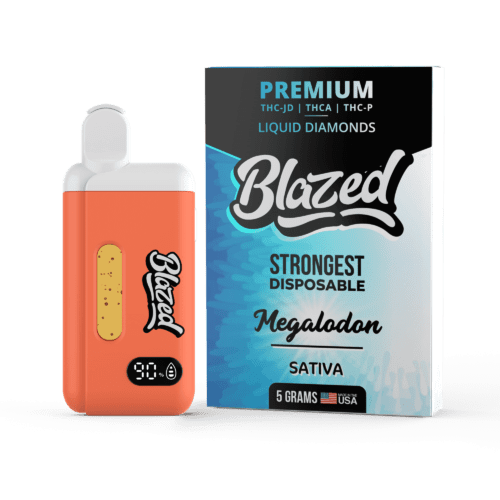
5 Gram Disposable – Blazed
$51.99$79.99 -
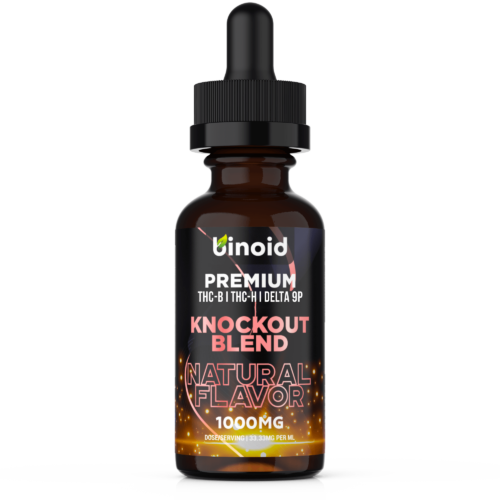
Knockout Blend Tincture – 1000mg
$34.99$59.99 -
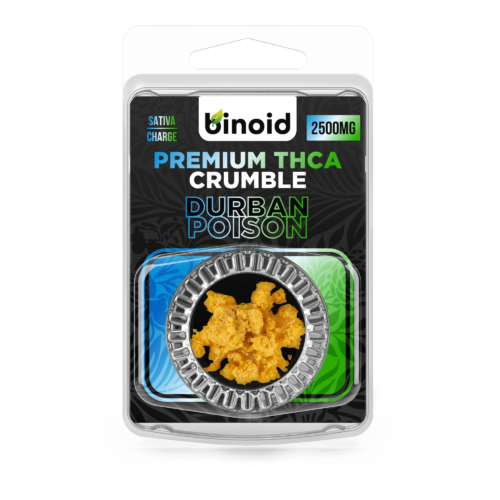
THCA Crumble – 2500mg
$37.99$59.99

Dosing Discipline: The Non-Negotiable Foundation
None of this layering logic functions safely without accurate, consistent dosing information for every product involved, which is precisely why sourcing matters as much in this conversation as the pharmacology itself. A vape cartridge, tincture, and gummy each need to carry a certificate of analysis that accurately reflects milligram-level potency, because layering calculations depend entirely on knowing, with confidence, how much THC each format is actually delivering rather than what a label optimistically claims. A tincture whose actual concentration deviates significantly from its stated potency doesn’t just produce an inaccurate dose in isolation it throws off the entire architecture of a layered session, since every subsequent format is being added on top of a baseline the consumer has miscalculated from the start.
This is where Binoid CBD‘s consistency across its product categories becomes practically relevant rather than simply a brand talking point. A consumer building a layered session from vape, tincture, and gummy products sourced from a single brand with uniform testing standards and batch-specific COA documentation across every category is working with a far more predictable set of variables than one assembling a stack from multiple brands with inconsistent testing rigor. The distillate quality, the accuracy of the labeled potency, and the manufacturing consistency from batch to batch all compound across a layered session in ways that make sourcing discipline more important here than in almost any single-format use case.
Starting doses matter enormously in this context as well. A consumer new to layering should treat their very first attempt as a calibration exercise rather than a full experience starting with the lowest reasonable dose in each format, spacing the introduction of each product generously, and paying close attention to how their own body responds to each layer before assuming the next session can be scaled up. Individual factors including tolerance, metabolism, body composition, and even what someone has eaten that day all influence how these layered effects compound, which means there’s no universal formula that translates cleanly from one person’s experience to another’s.
Format Pairings Worth Understanding More Deeply
Certain pairings within a layered approach carry their own specific logic worth examining individually. Pairing a vape session with a tincture, for instance, tends to produce a smoother overall arc than pairing a vape with an edible, simply because the onset gap between vapor and tincture is narrower and the transition between the two feels more continuous rather than producing a noticeable lull while waiting for a delayed edible to register. Consumers seeking a more social, moderate experience an evening gathering, for example often gravitate toward this vape-and-tincture combination specifically because it avoids the multi-hour tail that a gummy introduces, offering a more contained window of effect that concludes at a predictable point in the evening.
Pairing a tincture with a gummy, on the other hand, tends to appeal to consumers building toward a longer, more sustained experience a lazy weekend afternoon, for instance, where an extended, gently building effect is the actual goal rather than something to be avoided. Because both formats share a broadly similar mechanism, involving at least partial absorption through the digestive or hepatic pathway, the resulting experience tends to feel more continuous and less segmented than a vape-based layer, with the tincture essentially bridging the gap until the edible’s delayed effects take over the second half of the session. Full three-format layering, involving vape, tincture, and edible together, is generally best reserved for consumers who already have individual experience with each format on its own, since it requires the most confident understanding of personal tolerance and timing to execute without overshooting.
Building Your Own Framework
The consumer question at the center of this entire conversation isn’t really “which format is best” it’s “what shape do I want this particular experience to take, and which combination of formats gets me there most reliably.” A quick, contained effect for a specific task or moment points toward vapor alone or a light vapor-tincture pairing. A longer, more immersive session calls for the tincture-and-edible architecture, sequenced with the edible’s delayed onset firmly in mind. And any first attempt at combining formats deserves to be treated as data-gathering rather than a fully calibrated plan, with conservative doses and close attention to individual response guiding every subsequent adjustment.
What makes this kind of intentional layering possible at all is confidence in the accuracy of what’s actually in each product confidence that only comes from consistent, accredited, batch-specific lab testing across every format a consumer is combining. That’s the foundation BinoidCBD has built its full-catalog approach around, offering vape, tincture, and edible lines developed under the same sourcing and testing standards so that a consumer assembling a layered session isn’t left guessing about whether the numbers on one label mean the same thing as the numbers on another. The science of format layering rewards patience, documentation, and a genuine understanding of pharmacokinetics and the consumer willing to engage with all three walks away with a level of control over their cannabis experience that a single format simply can’t offer.
TO BUY THC PRODUCTS CLICK HERE
Recommended products
-
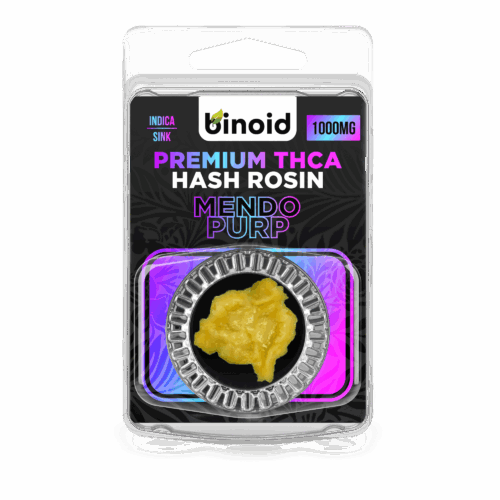
THCA Hash Rosin Dabs – 1000mg
$33.99$59.99 -
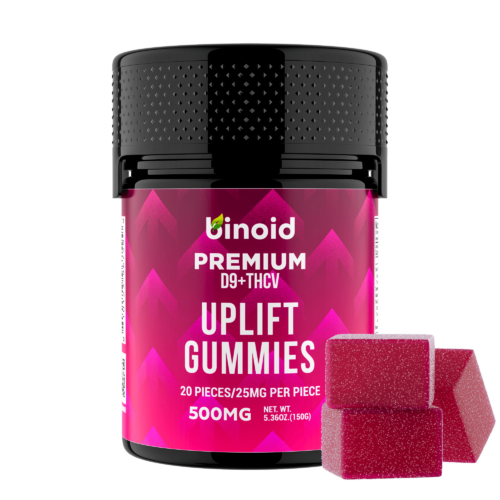
Delta 9 +THCV Gummies- Uplift/Unwind
$29.99$49.99 -
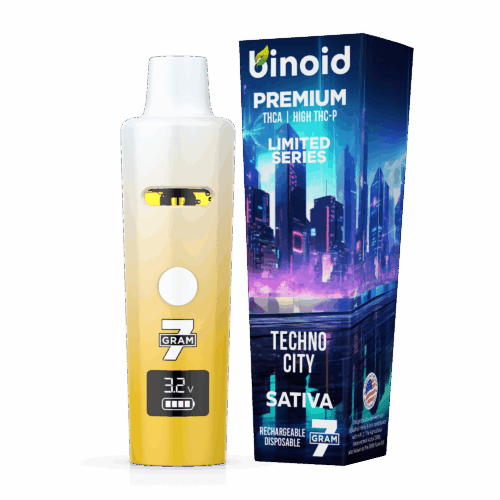
7 Gram THCA + High THC-P Disposable Vape – Limited Series
$67.99$109.99 -
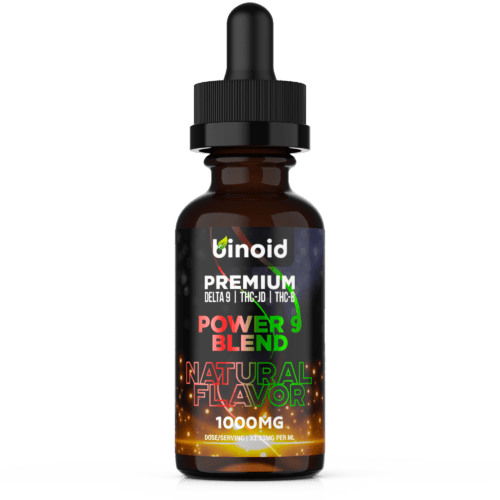
Power 9 Blend Tincture – 1000mg
$34.99$59.99