Ask any two cannabis consumers to describe the same THC product and you will often get two genuinely different stories one person reporting a fast, clean onset with effects that arrived within minutes and faded gently over a couple of hours, the other describing a delayed, muted experience that took nearly an hour to register and dissipated almost as soon as it settled in. Assuming both products were formulated identically and dosed identically, the variable separating those two experiences is rarely the product itself.
It is bioavailability the proportion of a consumed compound that actually reaches systemic circulation and becomes available to interact with the body’s receptors and it is shaped as much by the choices a consumer makes before, during, and after consumption as by anything happening inside the product itself. Understanding bioavailability is not an academic exercise. It is the single most practical piece of knowledge a THC consumer can apply to get more consistent, more predictable, and often more prolonged results from products they have already paid for.
TO BUY THC PRODUCTS CLICK HERE
Recommended products
-
14,000MG Turbo THC Gummies – Blazed
$49.99$84.99 -
THCA Badder – 2500mg
$37.99$59.99 -
7 Gram THCA + High THC-P Disposable Vape – Limited Series
$67.99$109.99 -
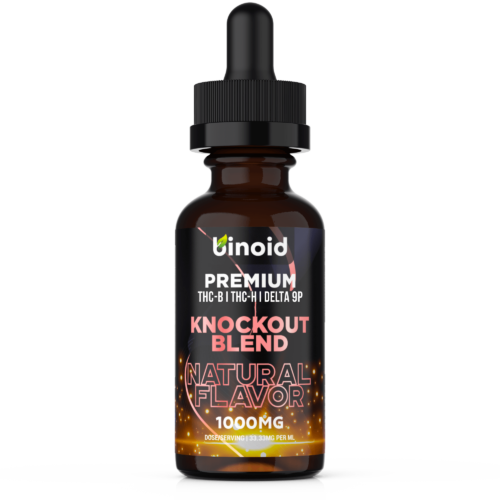
Knockout Blend Tincture – 1000mg
$34.99$59.99
The Biology of Why Format Determines Everything
THC’s relationship with the human body begins with a fundamental chemical fact: the molecule is lipophilic, meaning it dissolves readily in fat and poorly in water. This single property explains nearly every major difference in how various THC formats behave once consumed. When THC is swallowed as part of an edible or gummy, it travels through the digestive tract and is absorbed primarily in the small intestine before passing through the portal vein directly into the liver a route known as first-pass hepatic metabolism.
There, liver enzymes convert a significant portion of the THC into 11-hydroxy-THC, a metabolite that is not merely a byproduct but an active compound in its own right, one that crosses the blood-brain barrier with notable efficiency and is frequently described by experienced consumers as producing a heavier, more body-oriented, longer-lasting effect than the original THC molecule. This is why edibles reliably take longer to onset commonly ninety minutes to two hours but frequently deliver an experience that outlasts inhaled formats by several hours, sometimes stretching past the six-hour mark for a substantial dose.
Inhaled formats, including vape cartridges and THCA flower that undergoes decarboxylation at the moment of use, bypass the digestive tract and liver almost entirely. THC absorbed through the lungs enters the bloodstream directly through the pulmonary capillary network, producing onset within minutes rather than hours. But that speed carries a tradeoff: because the liver’s first-pass conversion is largely avoided, the 11-hydroxy-THC metabolite that gives edibles their characteristic staying power is produced in much smaller quantities, and the resulting experience while faster to arrive also tends to resolve more quickly, typically within one to three hours depending on dose and individual physiology. Sublingual and beverage formats occupy a genuinely distinct middle territory, and understanding why requires looking at the specific technology each relies on.
Sublingual Absorption and the Case for the Under-the-Tongue Hold
THC tinctures designed for sublingual use exploit a route of absorption that differs meaningfully from either inhalation or standard digestion. The tissue beneath the tongue is thin, richly supplied with capillaries, and sits in close proximity to the bloodstream, which allows a meaningful percentage of THC to be absorbed directly through the oral mucosa when a tincture is held in place rather than swallowed immediately. This route partially bypasses first-pass hepatic metabolism, producing an onset generally faster than a swallowed edible often in the fifteen-to-forty-five-minute range while still allowing for some liver conversion of whatever portion of the dose is eventually swallowed along with saliva.
The practical bioavailability implication is straightforward and frequently ignored: a tincture held under the tongue for sixty to ninety seconds before swallowing delivers meaningfully more of its payload through the sublingual route than one that is swallowed immediately after application, where nearly the entire dose defaults to the slower, less efficient digestive pathway. This single behavioral adjustment patience measured in seconds rather than minutes is one of the most underutilized bioavailability tools available to any tincture user, and it costs nothing beyond a slightly longer pause before swallowing.
The carrier oil used in a tincture formulation is not a passive vehicle but an active participant in absorption efficiency, because THC’s fat-solubility means it partitions preferentially into lipid-rich carriers like medium-chain triglyceride oil rather than remaining suspended in an aqueous environment where it would clump and separate. A well-formulated tincture, of the kind found across Binoidcbd.com‘s product range, uses carrier oils specifically selected for their capacity to keep cannabinoids evenly suspended and available for absorption rather than settling unpredictably at the bottom of the bottle a detail that directly affects whether the dose on the label matches the dose actually delivered from drop to drop.
Recommended products
-
13,000mg Good Luck Gummies
$47.99$79.99 -
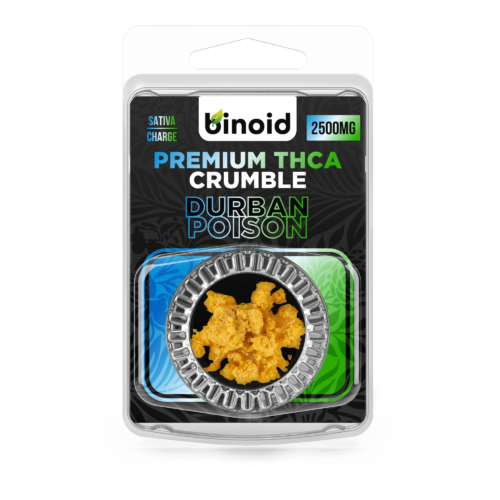
THCA Crumble – 2500mg
$37.99$59.99 -
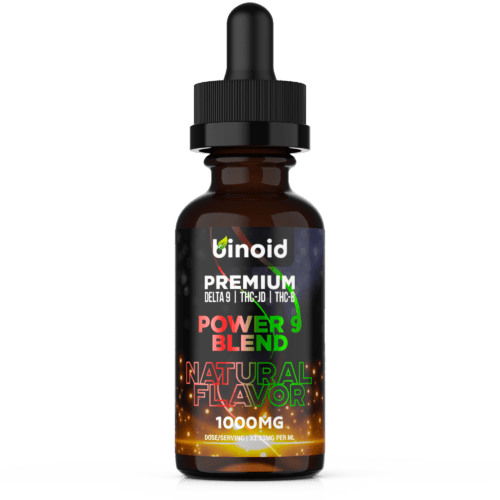
Power 9 Blend Tincture – 1000mg
$34.99$59.99

The Beverage Breakthrough: Nano-Emulsification Explained
THC beverages, including seltzers and other drinkable formats, represent the most technically sophisticated solution yet developed for the bioavailability problem, precisely because they confront THC’s water-hating chemistry head-on rather than working around it. Through a process called nano-emulsification, THC molecules are broken down into extraordinarily small particles and encapsulated in an amphiphilic shell a structure with one end attracted to water and the other attracted to fat allowing the resulting particles to suspend stably in an aqueous beverage rather than separating or clumping.
These nano-sized particles cross the mucosal membranes of the mouth and digestive tract with unusual speed and efficiency, producing an onset that many consumers describe as beginning within fifteen to thirty minutes, meaningfully faster than a standard edible while still delivering an experience that many describe as smoother and more predictable than inhalation.
The bioavailability tip here is less about consumer behavior and more about product selection: not all beverages marketed as containing THC actually use genuine nano-emulsification technology, and formulations that rely on standard oil-based suspension rather than true particle encapsulation tend to reproduce the same inconsistent, delayed-onset problems that have historically plagued cannabis drinks. Checking whether a beverage brand discloses its emulsification technology, as Binoid does across its seltzer and Super 7 beverage lines, is a genuinely useful piece of due diligence before purchase.
Practical Levers Every Consumer Can Pull
Beyond format selection, several consistent, evidence-supported variables influence how efficiently THC is absorbed regardless of delivery method, and the most significant of these is dietary fat. Because THC is lipophilic, consuming it alongside a meal containing even a modest amount of dietary fat a handful of nuts, a piece of cheese, a spoonful of nut butter meaningfully increases absorption for orally consumed formats including edibles, gummies, and swallowed tincture doses, because fat stimulates the release of bile acids that help solubilize and transport lipophilic compounds through the intestinal wall.
This effect has been observed consistently enough that it functions as one of the more reliable pieces of practical guidance in the entire bioavailability conversation: an edible taken on a completely empty stomach with no accompanying fat will generally produce slower, less complete, and more variable absorption than the identical edible taken alongside a small fat-containing snack.
Hydration status plays a secondary but real role, particularly for inhaled and sublingual formats, where adequate hydration supports the mucosal tissue function that facilitates absorption through oral and respiratory membranes. Individual metabolic factors including liver enzyme activity, body composition, and simply how much prior experience a consumer has with THC introduce a layer of variability that no amount of format or timing optimization can fully eliminate, which is why bioavailability guidance should be understood as a set of tools for improving consistency and predictability rather than a precise formula guaranteeing identical results for every person.
Choosing Your Format with Bioavailability in Mind
The consumer decision that emerges from all of this is less about which format is objectively superior and more about matching format to intention. Someone seeking a fast-onset, moderate-duration experience for a specific window of time a social evening, an active afternoon is generally better served by an inhaled format or a genuinely nano-emulsified beverage, where the fifteen-to-thirty-minute onset window allows for confident, responsive dosing. Someone seeking a longer, more sustained experience, particularly for evening or overnight use, may find that a well-timed edible or a properly held sublingual tincture dose, especially one taken alongside a small fat-containing snack, delivers the extended duration that the 11-hydroxy-THC pathway is uniquely capable of producing.
Across every format, the products available through BinoidCBD.com are formulated with these absorption pathways explicitly in mind carrier oils selected for lipid-based cannabinoid delivery in tinctures, genuine nano-emulsification technology in the beverage line, and potency information verified through accredited, batch-specific certificate of analysis documentation that lets a consumer confirm exactly what dose they are working with before applying any of these bioavailability strategies. The molecule does not change from one format to the next. What changes is the journey it takes to reach the bloodstream and understanding that journey, more than any other single piece of cannabis knowledge, is what separates an inconsistent experience from one a consumer can actually plan around.
TO BUY THC PRODUCTS CLICK HERE
Recommended products
-
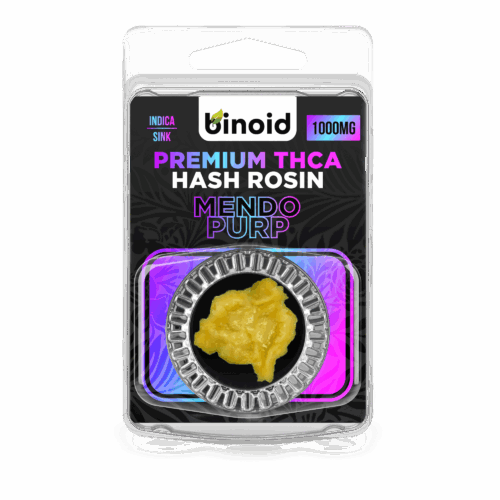
THCA Hash Rosin Dabs – 1000mg
$33.99$59.99 -
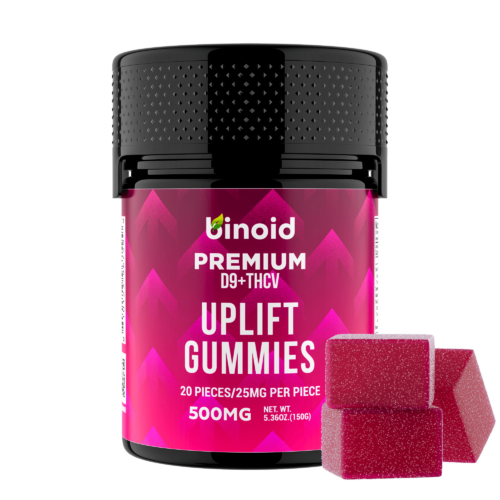
Delta 9 +THCV Gummies- Uplift/Unwind
$29.99$49.99 -
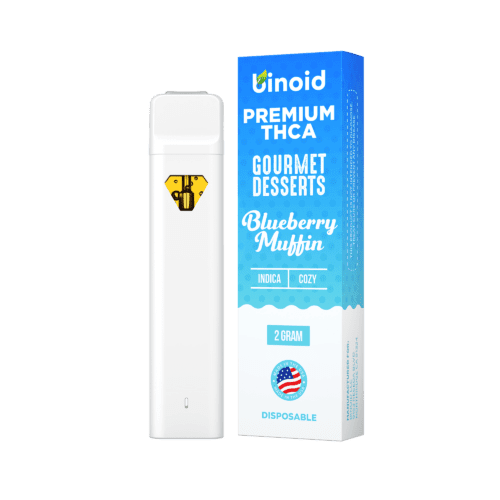
THCA Disposable 2 Gram – Gourmet Desserts
$37.99$73.00 -
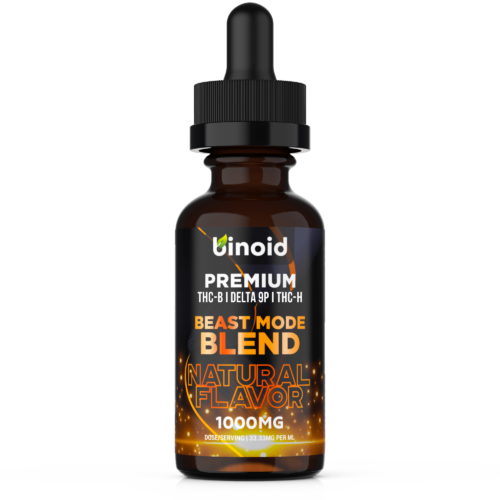
Beast Mode Blend Tincture – 1000mg
$34.99$59.99