
There is a specific kind of literacy that separates the cannabinoid consumer who merely shops from the one who genuinely understands what they’re purchasing, and it has nothing to do with knowing the difference between Delta 8 and Delta 10 or being able to recite the entourage effect from memory. It has to do with a document most consumers glance at for three seconds, if they look at it at all: the certificate of analysis, or COA, the third-party laboratory report that stands as the single most objective piece of evidence available in an industry otherwise built on label claims, marketing copy, and the occasional aspirational number printed on a box. Learning how to read a cannabis COA is not a niche skill reserved for industry insiders. It is, arguably, the single most valuable piece of consumer education available to anyone spending real money in the hemp-derived cannabinoid market, and it is a skill that takes considerably less time to acquire than most people assume.
The uncomfortable truth underlying this entire conversation is that the hemp cannabinoid industry operates without a mandatory, standardized federal testing regime. There is no FDA equivalent quietly verifying that every gummy, tincture, and vape cartridge on the market actually contains what its label claims. That verification burden falls, by default, onto individual brands choosing to test voluntarily and onto consumers willing to do the work of interpreting what those tests actually show. A brand’s decision to publish comprehensive, current, third-party COAs is not a regulatory obligation. It’s a choice, and the quality and transparency of that choice tells you almost everything you need to know about how seriously a company takes the product it’s putting into your body.
TO BUY THC PRODUCTS CLICK HERE
Recommended products
-
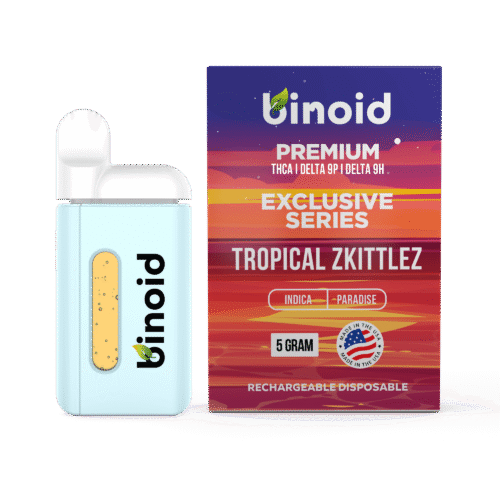
5 Gram THCA Disposable Vape – Exclusive Series
$55.99$89.99 -
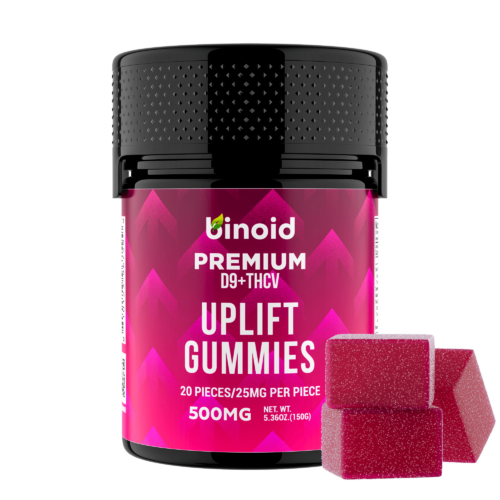
Delta 9 +THCV Gummies- Uplift/Unwind
$29.99$49.99 -
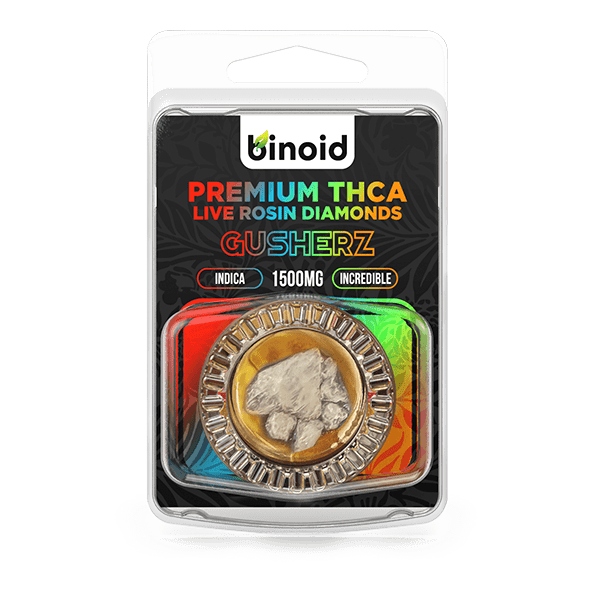
THCA Diamonds 1500mg – Live Rosin
$30.99$59.99 -
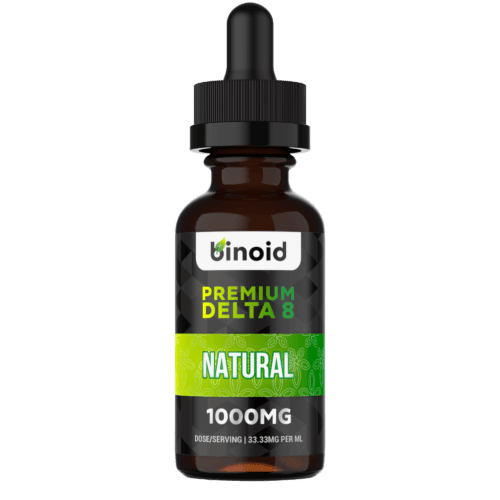
Delta 8 THC Tincture (1000mg, 2500mg, 5000mg)
$25.99$44.99
The Laboratory Question: Who Actually Ran This Test
Before a single number on a COA means anything, the first question a discerning consumer should ask is who produced the document in the first place. Not every laboratory operates to the same standard, and the credential that separates a rigorous, trustworthy lab from a rubber-stamp operation is ISO 17025 accreditation. This certification requires a laboratory to demonstrate documented technical competence, maintain calibrated equipment against traceable standards, and participate in ongoing interlaboratory comparison programs that catch systemic errors before they become industry-wide problems. A COA from an ISO 17025-accredited facility carries genuine evidentiary weight. A COA from an unaccredited lab, however professional it might look at first glance, is essentially an unverified claim wearing the visual costume of scientific rigor, and the difference between the two is not a subtle one once you know to look for it.
Independence matters just as much as accreditation. A laboratory that is financially connected to the brand whose products it’s testing, whether through ownership, exclusive contracts, or informal financial relationships, introduces an obvious conflict of interest into the testing process, regardless of how well-intentioned the individual chemists involved might be. The most trustworthy COAs come from laboratories with no ownership stake in the outcome, testing products submitted through the same blind or semi-blind protocols they’d apply to any other client’s samples. BinoidCBD.com works exclusively with independent, accredited testing partners specifically because this separation is not a nice-to-have detail buried in fine print, it’s the entire foundation on which a COA’s credibility rests, and cutting corners here undermines every other piece of information the document contains.
Reading the Cannabinoid Panel: Potency, Precision, and the Margin of Truth
The cannabinoid potency section is usually the first thing consumers look at, and understandably so, since it answers the most immediate question: does this product actually contain what the label says it does. A well-constructed cannabinoid panel breaks down concentration by individual compound, typically measured in milligrams per gram or as a percentage of total weight, covering not just the primary cannabinoid a product is marketed around but the full spectrum of compounds present, including trace cannabinoids that might not appear on the front label at all.
What matters here is not just whether the numbers exist, but whether they align reasonably closely with what the product claims. Some variance between label and lab result is normal and expected across the industry, but a consumer should be looking for consistency within an accepted tolerance range, generally within about ten to twenty percent of the stated dose depending on product category, rather than results that diverge wildly from what’s printed on the packaging.
This is also where a well-informed consumer starts distinguishing between total cannabinoid content and specifically regulated cannabinoids like Delta 9 THC, since federal hemp compliance hinges on that 0.3% Delta 9 threshold established under the 2018 Farm Bill. A THCA flower product, for instance, might show enormous total THCA content while still reporting a Delta 9 THC concentration low enough to remain federally compliant in its unprocessed form, and understanding this distinction is essential to interpreting the panel correctly rather than being alarmed or reassured by the wrong number entirely. BinoidCBD.com structures its published COAs to make this distinction transparent and legible, presenting both total cannabinoid content and specifically regulated compounds in a format that doesn’t require a chemistry degree to interpret correctly.
Recommended products
-
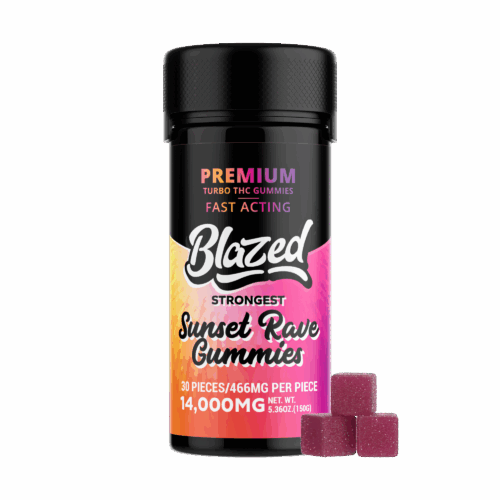
14,000MG Turbo THC Gummies – Blazed
$49.99$84.99 -
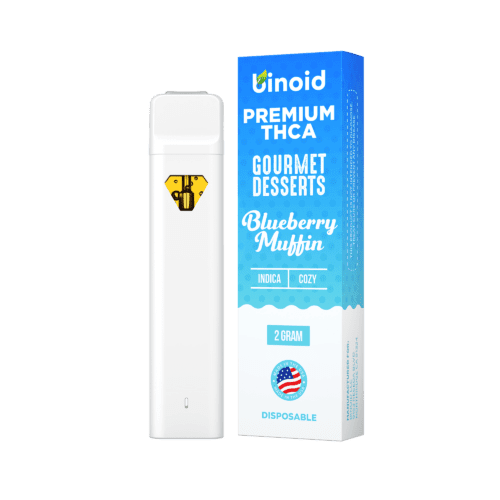
THCA Disposable 2 Gram – Gourmet Desserts
$37.99$73.00 -
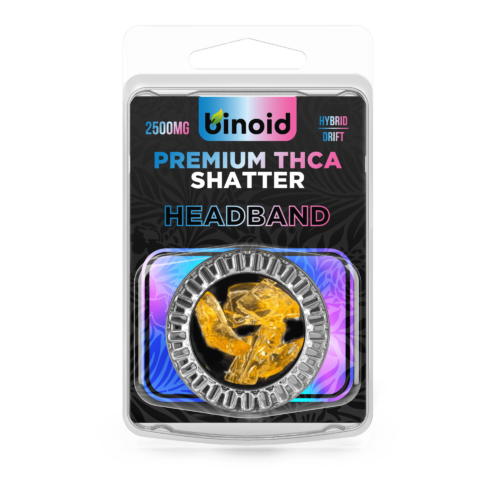
THCA Shatter – 2500mg
$37.99$59.99 -
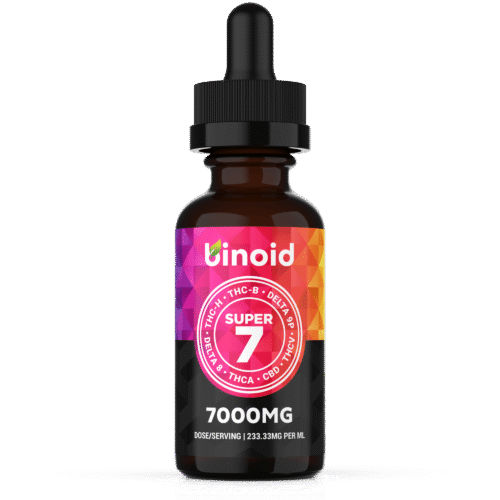
Super 7 Tincture – 7000mg
$39.99$59.99
The Safety Panels: Heavy Metals, Pesticides, and Microbial Screening
Potency numbers get the most attention, but the safety panels buried further down the document are arguably more important, because these are the tests that verify a product isn’t going to introduce something genuinely harmful into your body regardless of how accurately dosed it might be. Heavy metal screening checks for the presence of lead, arsenic, cadmium, and mercury, contaminants that hemp’s status as a bioaccumulator plant makes a genuine and documented concern rather than a theoretical one. These metals can be absorbed from contaminated soil or water during cultivation, and their presence in a finished product reflects agricultural conditions entirely outside a consumer’s ability to observe or evaluate independently, which is exactly why laboratory verification exists to fill that gap.
Pesticide residue testing serves a similar function, screening for agricultural chemicals that may have been applied during cultivation and that can persist through extraction and processing if not properly removed. Residual solvent testing matters specifically for extracted products, verifying that whatever solvent was used during extraction, whether that’s CO2, ethanol, or a hydrocarbon like butane or propane, has been properly purged from the finished product rather than lingering at concentrations that could pose a health concern.
Microbial testing rounds out the safety panel, screening for mold, yeast, and harmful bacteria that can develop during improper storage, handling, or processing at any stage of the supply chain. Every one of these panels should report results in comparison against established action limits, and a trustworthy COA will clearly indicate pass or fail status against those limits rather than simply listing raw numbers without context. Binoid CBD publishes comprehensive safety panels across its entire catalog, treating this documentation as a floor rather than an optional add-on, and that comprehensiveness is precisely what a rigorous cannabinoid brand’s testing protocol should look like.
Terpene Panels and the Details That Reveal Genuine Craftsmanship
Not every COA includes terpene testing, and its presence or absence tells you something meaningful about how a brand approaches product development. A comprehensive terpene panel breaks down the specific aromatic compounds present in a product, from abundant terpenes like myrcene and limonene down to trace compounds that contribute subtle complexity to a cultivar’s overall character.
For products marketed around live resin extraction or specific strain profiles, a terpene panel becomes essential verification that the claimed complexity actually exists in the tested batch rather than being an assumption riding on marketing language alone. A distillate-based product reintroducing terpenes for flavor purposes should ideally disclose that reintroduction, and a genuine live resin product should show terpene concentrations meaningfully higher than what a comparable distillate would report, giving consumers a concrete, verifiable way to distinguish authentic formulation claims from marketing embellishment.
BinoidCBD.com’s live resin and premium flower lines include terpene panel documentation specifically because this level of detail matters to the connoisseur-minded consumer who has learned to value the aromatic and experiential complexity that terpenes contribute beyond raw cannabinoid content. It’s a small addition to the overall document, but it reflects a brand culture that treats laboratory transparency as a genuine communication tool rather than a defensive compliance measure applied at the minimum necessary threshold.
Recommended products
-
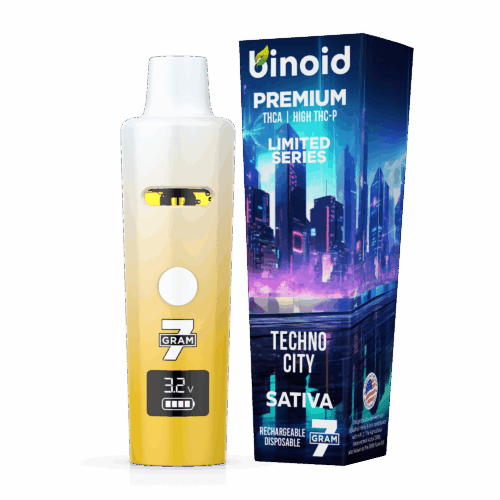
7 Gram THCA + High THC-P Disposable Vape – Limited Series
$67.99$109.99 -
13,000mg Good Luck Gummies
$47.99$79.99 -
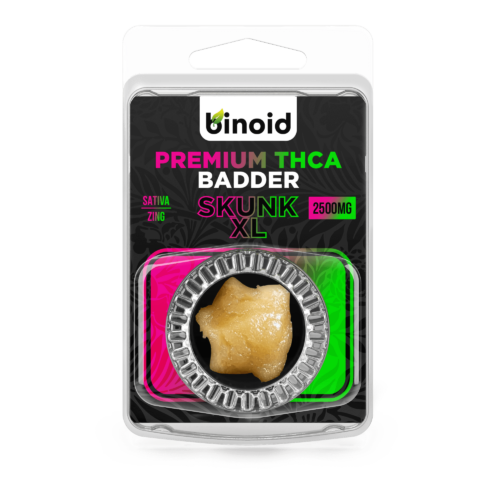
THCA Badder – 2500mg
$37.99$59.99 -
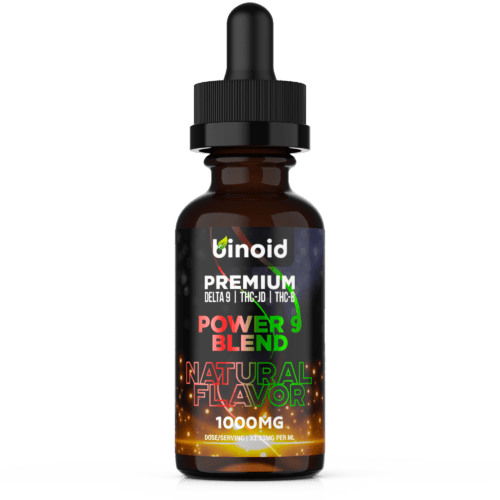
Power 9 Blend Tincture – 1000mg
$34.99$59.99

Batch Numbers, Dates, and the Question of Currency
A COA is only as useful as its relevance to the specific product in your hands, which is why batch-specific testing matters enormously more than a single COA applied generically across a brand’s entire product line. Every legitimate COA should include a batch or lot number that corresponds to a specific production run, along with a testing date that allows consumers to evaluate how current the documentation actually is. A COA from eighteen months ago, applied to a product manufactured last month, tells you essentially nothing reliable about what’s actually in the package you’re holding, since formulation adjustments, supplier changes, and manufacturing variance can all shift a product’s actual composition meaningfully over time without necessarily being reflected in an outdated document.
The best brands make batch-specific COA lookup genuinely accessible, allowing a consumer to search by the batch number printed on their specific product packaging and pull up documentation that corresponds exactly to what they purchased, rather than a generic reference document. This is precisely the standard BinoidCBD.com has built into its product pages, with batch-specific COAs searchable directly alongside each listing, giving consumers the ability to verify currency and relevance rather than taking a brand’s general reputation on faith. This kind of accessible, searchable documentation architecture separates brands that treat transparency as a genuine operating principle from those simply checking a compliance box with the minimum effort required.
Putting It All Together: Reading a COA Like a Professional
Once a consumer understands the individual components, reading a complete COA becomes less intimidating and considerably more useful as an actual purchasing tool. The practiced eye starts with the laboratory credentials, confirming ISO 17025 accreditation and independence from the brand being tested. It moves to the cannabinoid panel, checking that reported concentrations align reasonably with label claims and that regulated compounds like Delta 9 THC fall within compliant thresholds.
It reviews the safety panels methodically, looking for clear pass or fail indicators against heavy metals, pesticides, residual solvents, and microbial contaminants. It checks the terpene panel, where applicable, against the product’s marketed claims about flavor and formulation complexity. And finally, it confirms batch specificity and testing currency, verifying that the document in front of them actually corresponds to the specific product they’re evaluating rather than a generic brand-wide reference.
This entire process takes perhaps five minutes once the framework is understood, and it transforms the certificate of analysis from an intimidating wall of chemistry jargon into what it was always meant to be: a genuinely useful consumer tool that turns purchasing decisions from guesswork into verified confidence. BinoidCBD.com‘s decision to make comprehensive, current, batch-specific COAs a standard feature across its entire catalog reflects an understanding that this kind of transparency isn’t a burden to be minimized but an opportunity to build exactly the kind of informed, trusting relationship that a maturing cannabinoid market increasingly demands from the brands competing within it.
TO BUY THC PRODUCTS CLICK HERE
Recommended products
-
THCA + Delta 9P 3 Gram Disposable – Blazed
$37.99$69.99 -
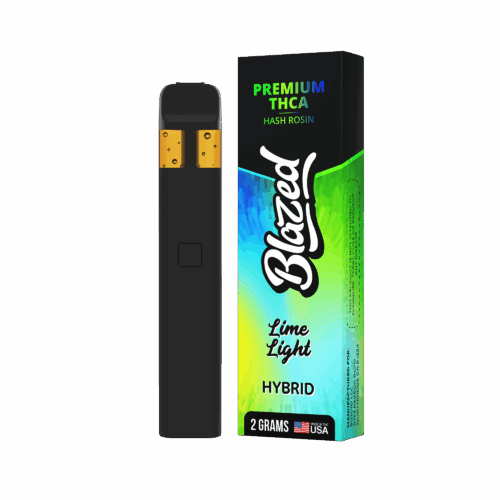
2 Gram THCA Disposable Hash Rosin – Blazed
$37.99$59.99 -
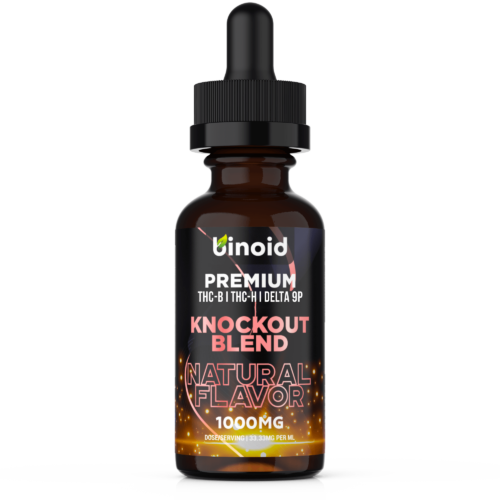
Knockout Blend Tincture – 1000mg
$34.99$59.99