
There is a specific, sinking feeling that arrives somewhere around the third or fourth pull from a cartridge that used to be excellent. The vapor tastes wrong not bad exactly, just off, like a song played slightly out of key. Maybe there’s a faint acrid note where there used to be citrus. Maybe the draw feels thin, or conversely, wet and gurgling in a way it never did before. Most people push through it anyway, finish the session, and quietly wonder whether they imagined the whole thing. They did not imagine it. A THC vape cartridge is not an inert object that sits patiently on a shelf waiting to be used; it is a small chemical system in constant, slow motion, and that system can degrade, destabilize, or occasionally fail outright in ways that are both detectable and worth understanding before you take another pull.
Knowing how to tell if a THC vape cartridge has gone bad is a skill that almost nobody teaches explicitly, which is strange given how much money and trust consumers place in these devices. The signs are there visual, olfactory, tactile, and experiential but they’re scattered across categories that most people have never been taught to evaluate together. This is less about paranoia and more about literacy. A cartridge that has been mishandled, stored improperly, or simply pushed past its reasonable shelf life will tell you, if you know what to look and taste for. The goal here isn’t to make anyone anxious about their gear. It’s to make them fluent in reading it.
To Buy THC Vape Cartridges Click Here
Recommended products
-
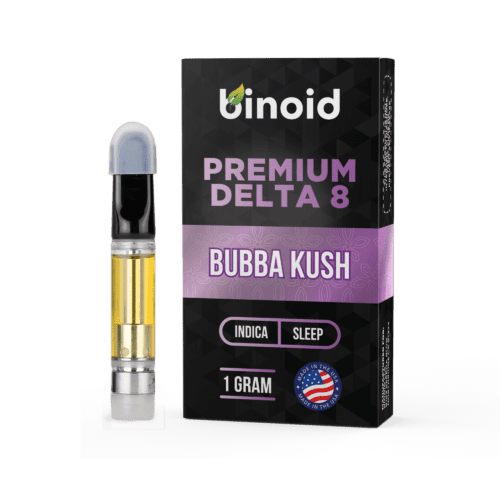
Delta 8 THC Vape Cartridge – Bubba Kush
$26.99$59.99 -
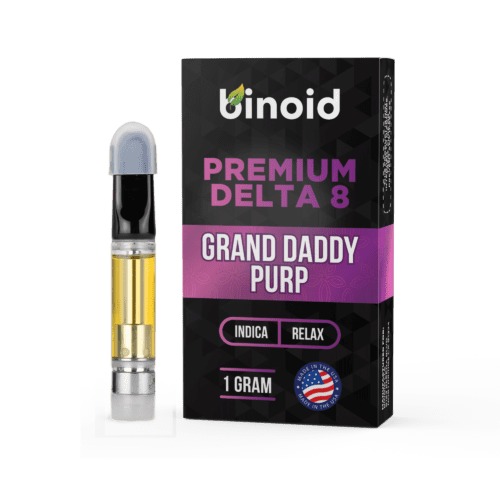
Delta 8 THC Vape Cartridge – Grand Daddy Purp
$26.99$54.99 -
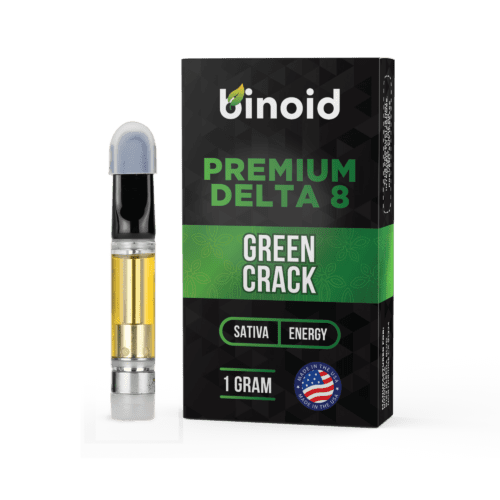
Delta 8 THC Vape Cartridge – Green Crack
$26.99$59.99 -
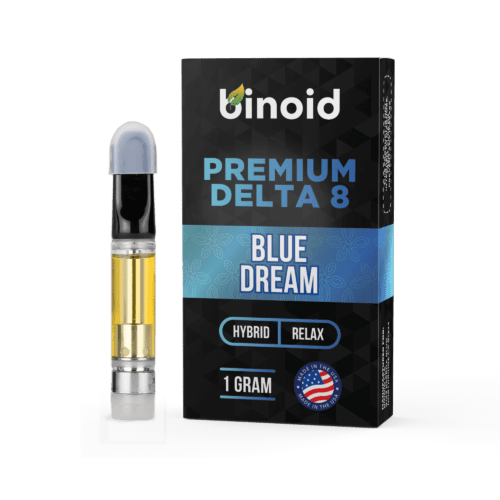
Delta 8 THC Vape Cartridge – Blue Dream
$26.99$54.99
The Discoloration Tell: What Your Eyes Can Catch First
Cannabis oil in a fresh, high-quality cartridge tends to sit somewhere in the golden-to-amber spectrum, with clarity and a kind of light-catching translucence that mirrors good olive oil more than anything murky or opaque. This baseline matters because color shift is often the earliest, most visible signal that something has changed at the molecular level. Distillate that has begun to oxidize a process triggered by repeated exposure to heat, light, or air tends to darken over time, shifting toward a deeper amber or even a brownish hue that wasn’t there when the cartridge was new. This isn’t always dangerous, but it is diagnostic: oxidation degrades cannabinoid potency and strips away the more delicate terpene compounds responsible for flavor and aroma, meaning a darkened cartridge is very likely also a weaker, blander one.
Cloudiness presents a slightly different puzzle, and it’s one of the more commonly misread signals in the entire category. A cartridge that has been stored somewhere cold a car during a winter commute, a bag left outside can develop a temporary cloudy or crystallized appearance as certain cannabinoids and terpenes fall out of solution at lower temperatures. This is frequently reversible; gentle warming, achieved by holding the cartridge between your palms for thirty seconds to a minute, will often restore clarity as the compounds redissolve. But persistent cloudiness that doesn’t resolve with warming, especially if it’s accompanied by visible separation oil pooling unevenly, or a layer that looks distinctly different from the rest of the liquid suggests a formulation that has genuinely broken down rather than one that’s simply cold. The distinction matters, and it’s worth taking the thirty seconds to check before assuming the worst.
Sediment or visible particulate matter is a less ambiguous warning sign and one that shouldn’t be explained away. A well-formulated distillate, properly filtered and manufactured under controlled conditions, should not develop floating specks or a gritty residue at the bottom of the tank. When this appears, it often points to either an unstable formulation from the outset or a breakdown of some component within the oil and neither scenario is one you want to vape your way through. Cartridges built on precise, quality-controlled distillate the kind of standard maintained across BinoidCBD.com‘s vape lineup are formulated specifically to resist this kind of visual degradation, but no cartridge from any brand is entirely immune if it’s mishandled after purchase.
The Nose Knows: Aroma as an Early Warning System
Long before flavor fully announces itself in the vapor, aroma tells the story, and it’s worth actually smelling a cartridge before using it, particularly if it’s been sitting around for a while or subjected to less-than-ideal storage. Fresh, properly preserved vape oil carries a bright, distinct terpene signature the citrus-forward sharpness of limonene, the earthy depth of myrcene, the peppery bite of caryophyllene, whatever combination defines that particular formulation’s profile. These aromatic compounds are volatile by nature, which is precisely what makes them so expressive and precisely what makes them so vulnerable to degradation. Heat accelerates their evaporation dramatically; a cartridge left in a hot car for even a short window can lose a measurable percentage of its terpene content, and that loss is detectable on smell alone as a kind of flattening, a muting of whatever complexity used to be there.
More concerning than a muted aroma is an aroma that has actively shifted toward something chemical, plasticky, or burnt in character without ever having been used. This can indicate a coil or heating element interacting poorly with the oil, sometimes due to a manufacturing defect, sometimes due to residue buildup from prior use, and sometimes due to the oil itself reacting with the hardware over an extended period of storage. A cartridge that smells like burning plastic before you’ve even engaged the battery is not a cartridge to troubleshoot it’s a cartridge to set aside entirely. This is a rare failure mode with reputable hardware, but rare doesn’t mean nonexistent, and a moment spent smelling before inhaling is a genuinely useful habit regardless of which brand’s cartridge you’re holding.
There’s a subtler version of this same principle that applies to terpene profiles that smell right in isolation but wrong in combination a kind of aromatic dissonance that experienced consumers learn to recognize over time. This typically happens when a formulation has been reworked, cut, or blended with lower-quality components at some point after its original production, and it’s one of the reasons that sourcing from a brand with rigorous, consistent manufacturing standards genuinely matters. When you buy from Binoid CBD, you’re buying into a formulation process designed to be reproducible batch after batch, which means the aroma profile you smell on your first cartridge should be the aroma profile you smell on your fifth, months later, assuming proper storage in between.
Recommended products
-
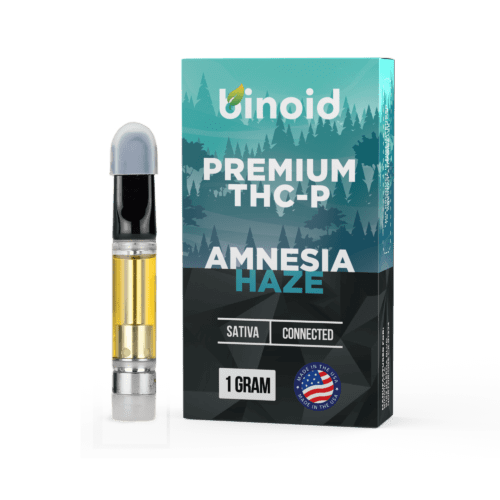
THC-P Vape Cartridge – Amnesia Haze
$30.99$59.99 -
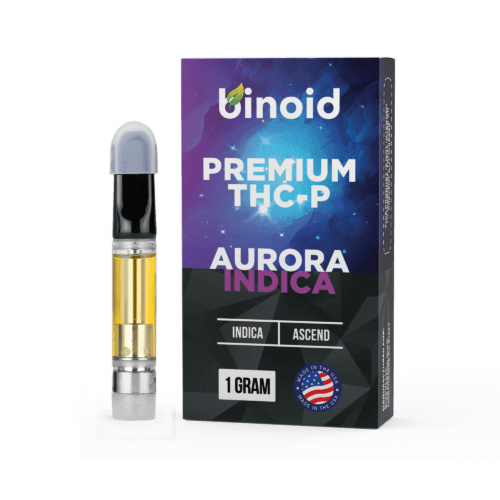
THC-P Vape Cartridge – Aurora Indica
$30.99$59.99 -
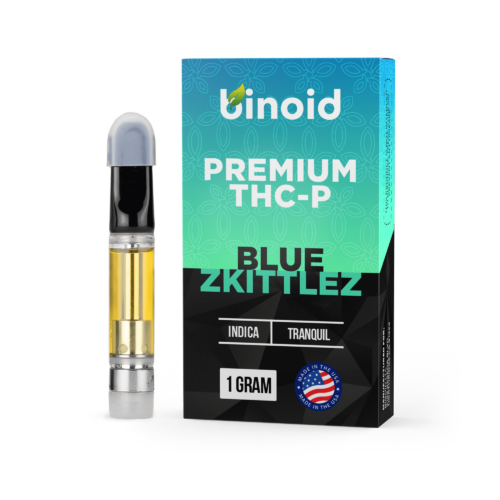
THC-P Vape Cartridge – Blue Zkittlez
$29.99$59.99 -
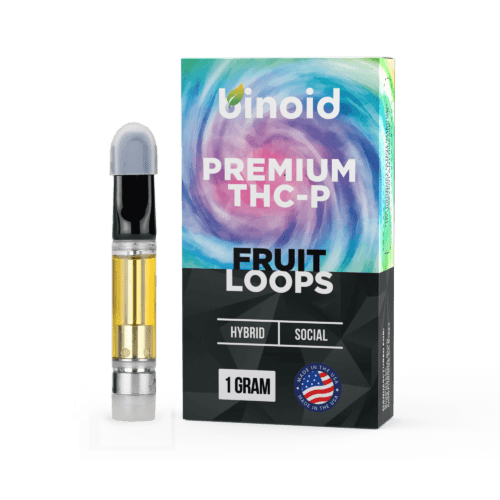
THC-P Vape Cartridge – Fruit Loops
$30.99$59.99
The Performance Problem: How a Failing Cartridge Actually Vapes
Sensory cues matter, but the most unambiguous evidence that a cartridge has gone bad often shows up in how it performs once you actually use it. Coil flooding is among the most common and most diagnostic failure modes, occurring when oil has thinned usually due to heat exposure to the point where it pools around the heating element faster than it can be properly wicked and vaporized. The telltale signs are a gurgling sound during the draw, an uneven or sputtering vapor output, and in more severe cases, the unpleasant sensation of liquid oil actually reaching your mouth. This is not a hardware malfunction in the traditional sense; it’s a viscosity problem rooted in how the oil has been treated since it left the factory, and it’s almost always preventable through proper upright storage and temperature control.
A weak, thin, or nonexistent vapor cloud from a cartridge that used to produce robust, satisfying draws is another significant signal, particularly when it happens gradually rather than as a sudden hardware failure. This pattern often indicates that volatile terpenes and lighter cannabinoid compounds have evaporated out of the formulation over time, leaving behind a heavier, less vapor-forward residue that the coil struggles to atomize effectively. Harshness on the throat is a related but distinct symptom a scratchy, coughing-inducing draw where there used to be a smooth one frequently points to degraded terpene content, since terpenes play a meaningful role in moderating how smoothly vapor interacts with the throat and lungs. When smoothness disappears without any change in your own tolerance or technique, the cartridge itself has changed, and that change is worth taking seriously rather than pushing through out of frustration or a reluctance to waste product.
Perhaps the most subjective but still meaningful indicator is a noticeable falloff in the actual experiential effect relative to what you remember from earlier use of the same cartridge. Cannabinoids do degrade over extended periods, particularly under poor storage conditions, gradually converting into less potent or differently acting compounds. THC exposed to light and oxygen over time can convert toward CBN, for instance, which carries an entirely different experiential character than fresh THC. A cartridge that once delivered a bright, engaged, clearly THC-forward effect but now produces something duller, heavier, or simply less pronounced at the same dose is very likely showing the downstream consequence of cannabinoid degradation, even if nothing about its appearance or aroma seemed obviously wrong beforehand.
Hardware Fatigue: When the Problem Isn’t the Oil at All
It’s worth acknowledging that not every disappointing cartridge experience traces back to the oil itself sometimes the hardware is the culprit, and distinguishing between the two is part of genuine troubleshooting literacy. Coils have a finite functional lifespan, and repeated heating cycles gradually degrade the wicking material and heating element regardless of how well the oil inside has been preserved. A cartridge nearing the end of its hardware life often exhibits many of the same symptoms as degraded oil weak vapor, harsh draws, inconsistent flavor which is why isolating variables matters. If a fresh cartridge from the same batch, stored properly, exhibits the same symptoms as the one giving you trouble, the oil formulation is the more likely culprit. If a well-preserved cartridge that has simply seen extensive use starts underperforming while a newer one from the same box performs normally, the coil itself has likely reached the end of its useful life.
Physical damage to the cartridge housing represents a more clear-cut hardware issue, and it’s one that deserves immediate attention rather than troubleshooting. Micro-fractures in ceramic or glass housing, sometimes invisible to casual inspection, can develop from thermal stress rapid temperature swings between hot and cold environments or from simple physical impact during transport or storage. These fractures can compromise the seal integrity of the cartridge, allowing oil to leak, air to intrude in ways that accelerate oxidation, or in rare cases, allowing the connection between the tank and the battery to become unstable. A cartridge that leaks oil around its threading, even slightly, should be treated as compromised hardware regardless of how the oil inside smells or looks, because the seal failure itself introduces contamination risk that no amount of high-quality distillate can offset.
Battery-cartridge compatibility issues occasionally masquerade as bad cartridges as well, particularly with 510-thread devices where voltage output varies significantly between battery models. A cartridge paired with a battery running hotter than the oil’s viscosity and terpene profile were designed for can produce burnt, harsh vapor that has nothing to do with the cartridge’s actual condition the fix here is adjusting voltage or switching batteries, not discarding a perfectly good cartridge. This is why cartridges designed with specific formulation parameters in mind, the kind of engineering consistency found across BinoidCBD.com’s hardware-paired product lines, tend to perform predictably across a wider range of standard battery outputs, reducing the likelihood that a compatibility mismatch gets misread as product failure.
Recommended products
-
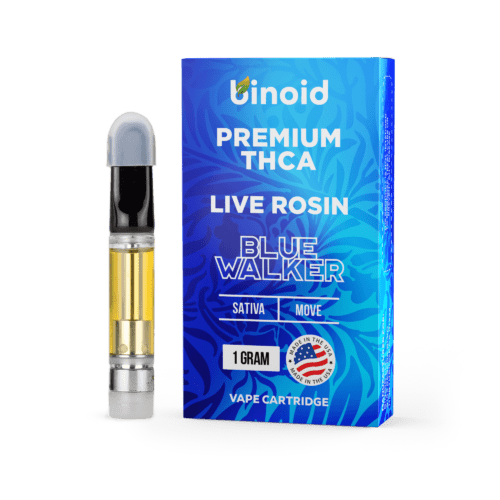
THCA Vape Cartridge Blue Walker – Live Rosin
$30.99$59.99 -
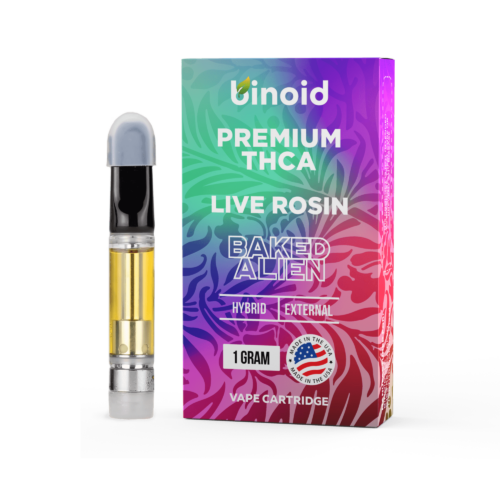
THCA Vape Cartridge Baked Alien – Live Rosin
$30.99$59.99 -
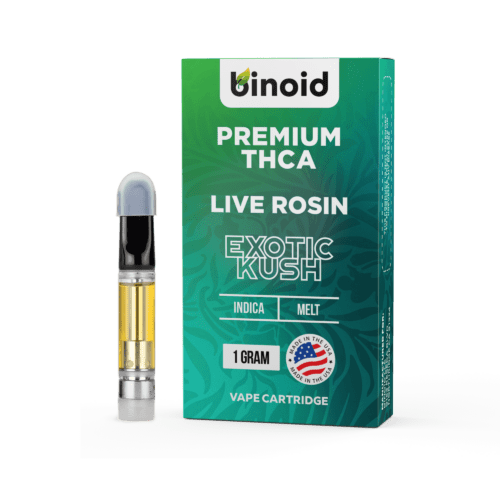
THCA Vape Cartridge Exotic Kush – Live Rosin
$30.99$59.99 -
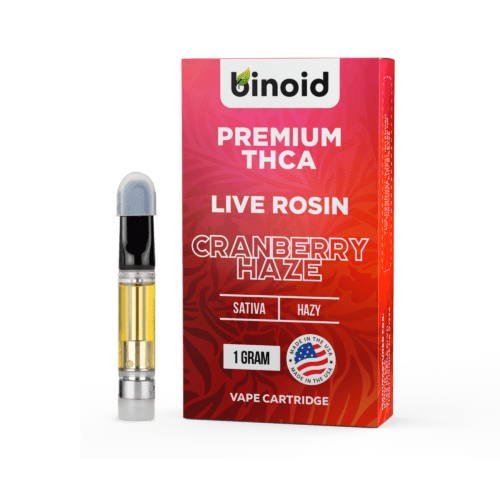
THCA Vape Cartridge Cranberry Haze – Live Rosin
$30.99$59.99
Building the Habit: A Practical Framework for Ongoing Evaluation
The consumer who wants to genuinely protect their investment in premium vape products benefits from treating evaluation as a habit rather than a one-time inspection performed only when something already feels wrong. This starts at the moment of purchasenoting the color, clarity, and aroma of a cartridge when it’s fresh creates a baseline against which future changes become immediately noticeable rather than gradually normalized. A quick visual and olfactory check before each session, taking perhaps ten seconds, catches most of the significant warning signs before they become a genuinely unpleasant vaping experience or, in worse cases, something that raises actual safety questions.
Storage discipline does more preventive work than any troubleshooting checklist ever could. Keeping cartridges upright, away from direct heat and light, in a stable-temperature environment dramatically slows every degradation pathway described above oxidation, terpene evaporation, cannabinoid conversion, and coil flooding are all accelerated by poor storage and meaningfully slowed by good storage. This is a low-effort, high-return practice, and it’s the single biggest lever most consumers have over how long a cartridge stays in its optimal condition.
Sourcing matters just as much as storage, and this is where the conversation returns to something more fundamental than troubleshooting technique. A cartridges built from properly extracted, third-party tested distillate, filled under controlled manufacturing conditions, and paired with hardware engineered specifically for that formulation starts from a position of stability that lower-quality, opaque-sourcing alternatives simply cannot match.
Binoid CBD‘s approach batch-specific certificate of analysis documentation, ISO 17025-accredited lab verification, and manufacturing consistency across its vape catalog doesn’t make a cartridge immune to the effects of poor storage after purchase, but it does mean the starting point is as stable and well-formulated as the category currently allows. The consumer who understands what a healthy cartridge looks, smells, and performs like, and who pairs that literacy with products sourced from a transparent, quality-obsessed brand, is a consumer who has meaningfully reduced the odds of ever encountering the sinking, off-key third pull in the first place and who knows exactly what to do if they ever do.
To Buy THC Vape Cartridges Click Here
Recommended products
-
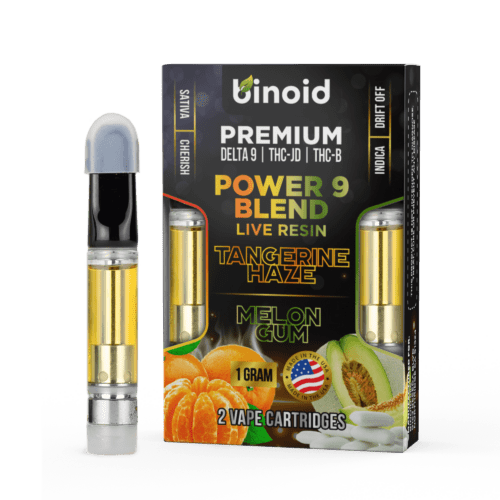
Power 9 Blend Live Resin Cartridge – 2 Pack Combo (Limited Time Sale)
$40.99$89.99 -
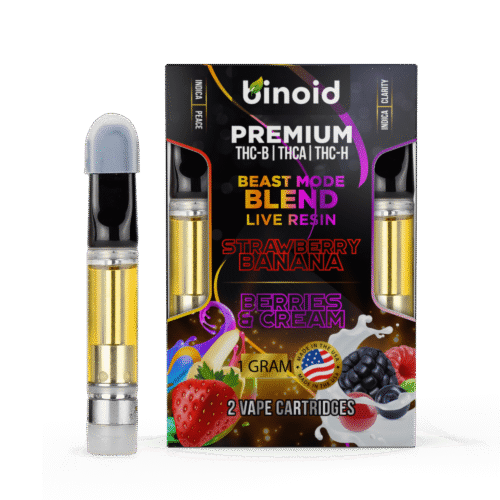
Beast Mode Blend Live Resin Cartridge – 2 Pack Combo (Limited Time Sale)
$40.99$89.99 -
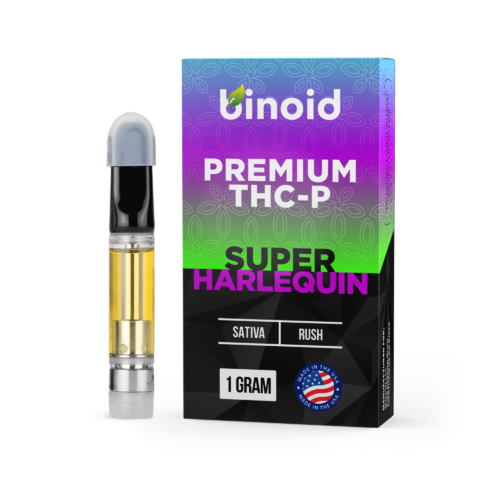
THC-P Vape Cartridge – Super Harlequin
$29.99$59.99 -
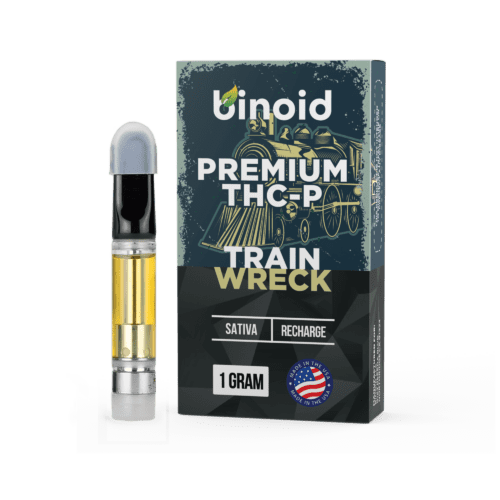
THC-P Vape Cartridge – Trainwreck
$30.99$59.99