How a Name Becomes a Category
In the hemp-derived cannabinoid market, novelty travels through paper before it travels through people. A compound appears on a supplier’s spec sheet, migrates into a price list, gets paraphrased by a retailer’s educational blog, and is suddenly something customers are asking about at the counter. Euphorinol, the hemp-derived EPN cannabinoid marketed under the “Super Sativa” nickname, is a textbook example of that pathway.
A note of candor is warranted at the outset: I was unable to find a verifiable origin story for this compound, with no dated launch, no named research team, and no peer-reviewed paper to anchor the narrative. What can be traced is the pattern by which it has been presented to the trade, and that pattern says a great deal about how the modern hemp market manufactures momentum. Binoid CBD has not added Euphorinol to its lineup, so this feature approaches the subject as an observer of the supply chain rather than a participant in it.
TO BUY CANNABINOID PRODUCTS CLICK HERE
Recommended products
-
14,000MG Turbo THC Gummies – Blazed
$49.99$84.99 -
7 Gram THCA + High THC-P Disposable Vape – Limited Series
$67.99$109.99 -
THCA Diamonds 1500mg – Live Rosin
$30.99$59.99 -
Delta 8 THC Tincture (1000mg, 2500mg, 5000mg)
$25.99$44.99
The Anatomy of a Spec Sheet Pitch
Read enough of the supplier-facing material on Euphorinol and a clear template emerges. The compound is introduced as a newly discovered, semi-synthetic, hemp-derived cannabinoid, positioned as a non-THC analogue and given the Super Sativa nickname. A full chemical name appears in at least one document, “tetrahydromethylisopentyl-ethylcannabinol,” lending a veneer of technical heft. Then come the numbers: effective vape formulations reportedly require only about 1.5 to 2% of the active ingredient, onset arrives in ten to thirty minutes, and the experience lasts three to four hours. Taken together, these elements form a compact, buyer-friendly package: a name, a nickname, a differentiator, a dose, and a timeline.
That compression is not accidental. Spec sheets are written to be skimmed by busy buyers, and the ones that travel furthest are the ones that distill a product into a handful of memorable, comparable claims. The pitch also leans on contrast, positioning the compound against familiar names in the category and describing it as stronger than delta-8 at similar doses. For a wholesale buyer, a template like that is genuinely useful, because it makes a new product legible at a glance. The trouble is that legibility and verification are different things, and a sheet can be perfectly clear while resting on claims no independent party has tested.
Why Wholesale Buyers Lean In
Understanding the rise of a compound like this means understanding the incentives of the people who stock it, and some of that is straightforward market logic rather than anything sinister. The hemp-derived cannabinoid market has been defined by a steady succession of novel compounds, with Delta 8, Delta 10, THC-P, THC-H, and others each taking a turn in the spotlight, and retailers have learned that newness itself drives traffic. In a crowded field where many shops stock nearly identical gummies and cartridges, a distinctive name is a way to stand out. A low inclusion rate in vape formulations also keeps the formulation story simple, and the claim of legality in most states removes an obvious barrier. These are my inferences about buyer psychology, not documented findings, but they fit the pattern the market has followed repeatedly.
There is also the matter of consumer appetite. Shoppers who have tried the established options and are curious about what comes next create demand for anything that promises a different experience, and the “clear-headed, uplifting” positioning speaks directly to a segment of the audience that wants brightness without heaviness. A supplier who offers that story, together with a catchy nickname and a ready-made spec sheet, is handing retailers a turnkey way to answer a question customers are already asking. It is easy to see why the name spread. It is just as important to ask what, beyond the story, a retailer is actually being handed.
The Branding Layer: Why “Super Sativa” Works
Few elements of the Euphorinol rollout are as effective as the nickname. “Super Sativa” compresses an entire consumer mythology into two words that fit on a label, a menu card, or a search query. Sativa, in popular cannabis culture, evokes daytime energy, creativity, and sociability, and “Super” amplifies it into a superlative. The effect is to give a laboratory-modified molecule the instant emotional resonance of a beloved plant archetype, borrowing decades of consumer folklore in a single stroke. The technical name, by contrast, is a mouthful that no shopper will repeat, which is exactly why the abbreviation and brand name exist.
The irony is that the sativa-versus-indica distinction is considered by many chemists and botanists to be a loose and imperfect shorthand, since the character of an experience is shaped by the complete cannabinoid and terpene profile, the dose, the format, and the individual. A nickname that invokes a plant taxonomy to describe a semi-synthetic compound is therefore doing branding work rather than scientific work. That is not a criticism so much as an observation: in a market where the evidence is thin, the story carries the product, and the story is built to be remembered.
Recommended products
-
5 Gram Disposable – Blazed
$51.99$79.99 -
13,000mg Good Luck Gummies
$47.99$79.99 -
THCA Crumble – 2500mg
$37.99$59.99 -
Super 7 Tincture – 7000mg
$39.99$59.99

The Echo Chamber Effect
One of the more revealing features of the Euphorinol landscape is how similar the claims sound from source to source. Retailer guides repeat the same selling points found in the supplier materials: the uplifting, clear-headed character, the potency relative to delta-8, the consistent effects, the absence of known tolerance buildup. A reader who encounters these claims across several websites could easily conclude that they have been independently confirmed, when in reality they often trace back to a single origin. What looks like corroboration can be repetition.
This is a general hazard of information in emerging product categories, and it deserves to be named plainly. A white paper that describes a “Sativa-selective” profile is, by its nature, a sales document. A retailer guide that concedes limited pharmacokinetics data is being candid about the gap, and a trade article aimed at retailers describes the compound as new and relatively untested. Weighed together, the honest summary is that the effect claims rest on manufacturer assertion and user reports, and that the number of websites repeating them says more about distribution than about evidence.
The Paperwork That Didn’t Keep Pace
If the research record is thin, the certificate of analysis is supposed to be the buyer’s safeguard, and this is where the paper trail grows more complicated. The COA circulated by one reseller reports a composition of 40.42% CBD and 28.50% CBG with no detectable THC. That tells a buyer something about the underlying hemp material, but it does not quantify EPN itself, and I found no public document explaining how an accredited laboratory identified and measured the compound against a verified reference standard. A laboratory can only quantify a molecule it can recognize, and recognition requires a reference standard to run alongside the sample.
For a wholesale purchaser, that gap is not an academic detail. A buyer who stocks a product on the strength of a certificate that does not measure the headline ingredient is taking on a documentation risk that no spec sheet can offset. The right questions are simple and consistent: who produced the certificate, does it reflect the specific batch, and does it quantify the compound on the label. This is the standard that Binoidcbd.com applies across its catalog, with batch-specific results from independent, ISO-accredited laboratories covering potency, residual solvents, heavy metals, and microbial safety, and it is the standard against which any emerging compound should be measured.
The Regulatory Weather
The final piece of the supply-chain picture is the legal backdrop, which sellers generally describe in reassuring terms. Euphorinol is characterized as unscheduled under federal law and legal in most states, an argument that rests on the 2018 Farm Bill’s definition of hemp and the compound’s low delta-9 THC content. It is a fair summary of the position its sellers take, and it is also a position rather than a ruling. State rules diverge widely, some states restrict or prohibit hemp-derived cannabinoids regardless of federal framing, and federal attention to intoxicating hemp products has been intensifying.
A semi-synthetic compound adds its own complexity, since a molecule created through laboratory modification invites questions about whether it belongs inside the statutory definition of hemp at all. For a wholesale buyer, regulatory exposure is inventory exposure: stock that is lawful in one market today may be restricted in the next. This article is not legal advice, and anyone buying or selling a novel cannabinoid should confirm its current status with qualified counsel. The prudent assumption is that this is a moving target and that the cost of being wrong falls on the party holding the product.
Recommended products
-
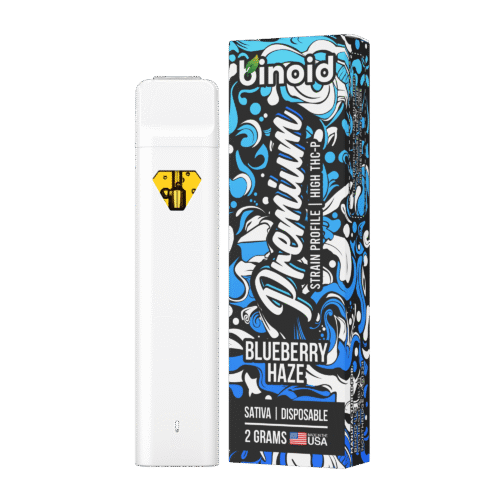
High THC-P 2 Gram Disposable Vape – Strain Series
$41.99$73.99 -
Super 7 Gummies – Summer Slush Series
$37.99$49.99 -
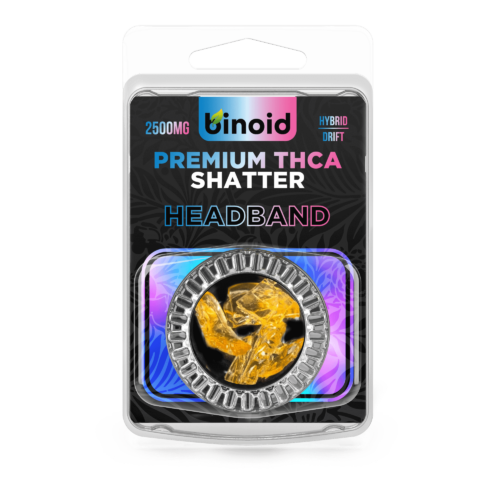
THCA Shatter – 2500mg
$37.99$59.99 -
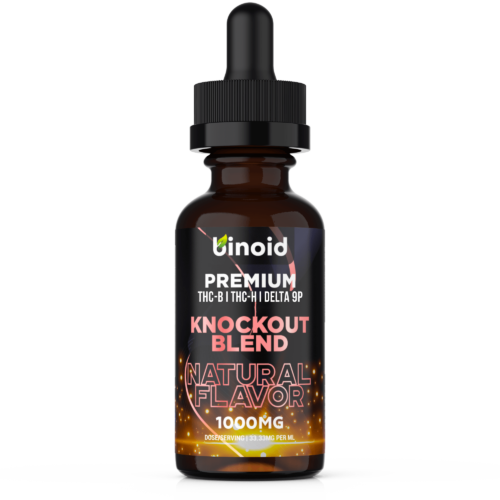
Knockout Blend Tincture – 1000mg
$34.99$59.99

What Disciplined Retailers Do With a Hot New Name
The way a brand responds to a fast-rising compound reveals its priorities, and Binoid CBD offers a useful contrast. The brand sources its hemp from domestic, USA-made farms under state and federal agricultural oversight, maintains dynamic compliance monitoring, and geo-restricts shipping where state law requires. It carries novel cannabinoids, including Delta 8, Delta 10, THC-P, and THC-H, but only with lab documentation a consumer can actually read. That discipline matters because semi-synthetic chemistry inherits the quality of its starting material: impurities, residual catalysts, and byproducts carry forward through a conversion, and no amount of final polishing can fully restore what a poor starting material lacked.
Seen in that light, passing on Euphorinol is not a failure of curiosity. It is the application of a consistent rule, that a product earns shelf space when its identity, potency, and purity can be confirmed in public. A retailer that holds that line gives up the short-term advantage of being first to a trend and gains the long-term advantage of being able to say, truthfully, that everything it sells can be traced and verified. In a market where trust is the scarcest resource, that is a trade worth making.
Where the Story Goes Next
Predicting the trajectory of a young compound is a speculative exercise, but the plausible paths are worth naming. In one, independent researchers and accredited laboratories eventually publish the structure, develop verified analytical methods, and characterize how the molecule behaves, converting a spec-sheet phenomenon into a documented member of the cannabinoid family. In another, regulators narrow the space in which semi-synthetic hemp compounds can operate, reshaping the market around it. In a third, Euphorinol follows the arc of many novelty cannabinoids, enjoying a season of attention before the next name arrives to claim the spotlight.
Which path unfolds will depend less on marketing than on evidence and policy, and the compound’s champions would be well served by supporting the first. Transparent research, quantified certificates, and clear provenance would do more for its credibility than any nickname. Until then, the most accurate description of its rise is that it is a story about distribution: a compelling pitch, efficiently circulated, that has outrun the documentation needed to back it.
A Decision Framework for Buyers and Consumers
For a retailer weighing whether to stock a compound like this, and for a consumer deciding whether to try it, the same short list of questions applies. Start by asking where each claim originates, and whether it comes from independent measurement or from the seller’s own materials. Request a certificate of analysis from an accredited, independent laboratory that reflects the specific batch and actually quantifies the headline compound, and be wary of documents that report only the neighbors. Confirm the hemp’s origin and the manufacturer’s process controls, check the compound’s status in every jurisdiction where it will be sold or used, and seek qualified legal advice where the answer is not clear.
For consumers, add the practical layer: begin with a very small amount, wait out the full onset window before considering more, treat the experience as intoxicating, and keep a simple record of how it goes. The enthusiasm around Euphorinol is understandable, and the curiosity behind it is healthy. The most reliable way to indulge that curiosity is to let documentation lead, favoring products and brands whose contents you can read, whose origins you can trace, and whose standards do not bend to the news cycle. The nickname may get a product onto the spec sheet, but it is the paperwork that earns it a place in your cart.
TO BUY CANNABINOID PRODUCTS CLICK HERE
Recommended products
-
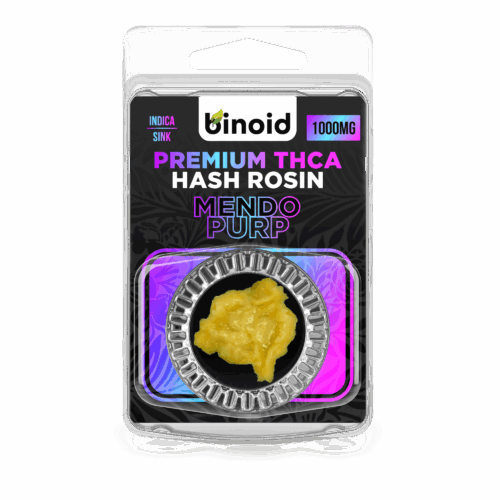
THCA Hash Rosin Dabs – 1000mg
$33.99$59.99 -
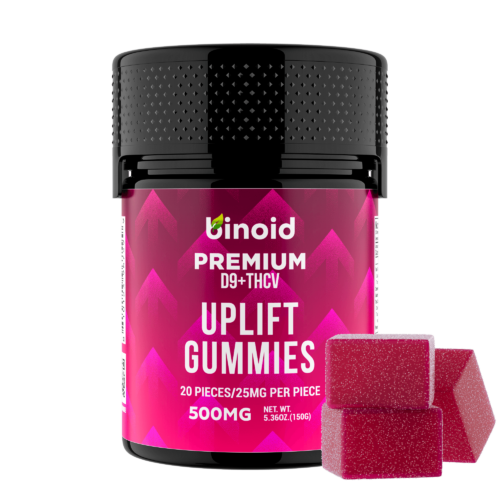
Delta 9 +THCV Gummies- Uplift/Unwind
$29.99$49.99 -
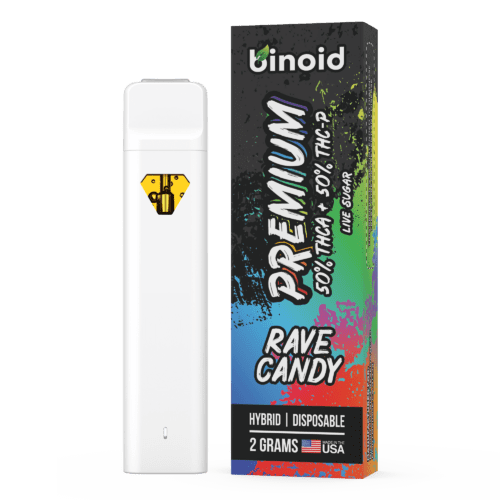
Live Sugar THCA + THC-P Disposable Vape – Pure 50/50
$39.99$69.99 -
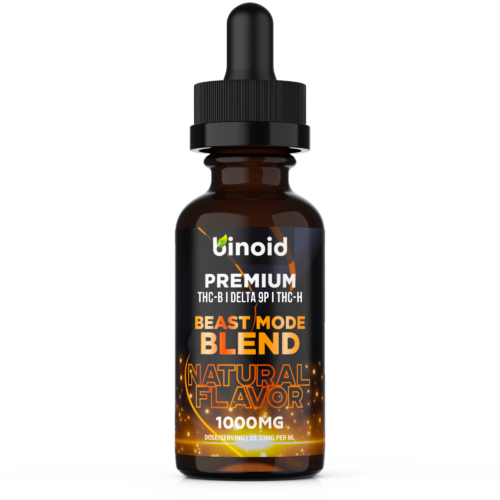
Beast Mode Blend Tincture – 1000mg
$34.99$59.99