There is something almost paradoxical at the heart of the modern hemp market a product that sits on legal shelves, ships freely across state lines, and delivers an experience that most consumers would describe as indistinguishable from the cannabis they have been hearing about for decades, yet which is technically, by the letter of federal law, something else entirely.
That product is THCA flower, and understanding what it actually is not in the reductive, label-adjacent sense that most brands offer, but in the precise molecular, agricultural, and experiential sense is the most useful thing a first-time buyer can do before spending a dollar. The gap between what THCA flower is marketed as and what it actually is, chemically and experientially, is narrower than skeptics assume and more interesting than proponents typically explain. This guide exists to close that gap entirely.
To Buy THCA Flower Click Here
The Molecule Before the Moment: What THCA Actually Is
To understand THCA flower, you have to begin at the only place that matters: the molecule itself. Tetrahydrocannabinolic acid, or THCA, is the naturally occurring, non-intoxicating precursor to delta 9 THC. It is the compound that the cannabis plant actually produces not delta 9, not the psychoactive form most associated with cannabis culture, but a chemically related molecule with one critical structural difference. Attached to the THCA molecule is a carboxyl group (-COOH), a small cluster of atoms that fundamentally changes how the compound behaves inside the human body.
That carboxyl group creates what chemists call a steric conflict a kind of three-dimensional incompatibility that prevents THCA from binding efficiently to the CB1 receptors in the central nervous system responsible for the psychoactive effects associated with cannabis. Raw cannabis is not intoxicating for exactly this reason. The plant, in its living and unprocessed state, is full of THCA. It contains virtually no delta 9 THC at all.
This matters for the first-time buyer because it reframes the foundational question. THCA flower is not a synthetic approximation of cannabis, nor a chemical cousin that delivers a vaguely similar experience. It is, literally, cannabis specifically, hemp-cultivated cannabis flower that has been grown, harvested, and cured to preserve high concentrations of THCA in its raw acidic form. The distinction between THCA flower and what you might find at a state-licensed dispensary is legal in nature, not botanical. At the level of the plant, the trichome, and the molecule, you are looking at the same thing. What makes it navigable within the federal hemp framework is a single thermal reaction that has not yet occurred.
Decarboxylation: The Heat That Changes Everything
The conversion of THCA into delta 9 THC is called decarboxylation, and it is the foundational chemistry upon which the entire THCA flower market rests. When heat is applied to THCA at temperatures above approximately 220°F (104°C), the carboxyl group is cleaved from the molecule, releasing carbon dioxide and leaving behind the streamlined structure of delta 9 THC. This is what happens when a flame touches cannabis flower. It is what happens in the chamber of a vaporizer. It is what happens in an oven when cannabis is being prepared for edible use. The transformation is instantaneous at combustion temperatures, slightly more gradual in a vaporizer depending on the temperature setting, and entirely deliberate when done in a kitchen setting for infusion purposes.
The practical implication is one that every first-time buyer of THCA flower should internalize completely before their first purchase: the experience of consuming THCA flower is, neurochemically, the experience of delta 9 THC. There is no separate THCA high, no exotic receptor profile unique to the acidic form, no experiential territory that survives the heat of a lighter. What THCA represents in the consumption context is a chemically stable, legally navigable delivery vehicle the precursor form in which delta 9 THC’s building block travels from cultivation through the supply chain to the consumer, completing its molecular transformation at the precise moment of use. This is not a limitation of THCA flower. It is, in fact, the entire point. The flower holds the potential; the heat realizes it.
The Legal Framework: Why THCA Flower Exists on the Open Market
Understanding why THCA flower is available online, shippable to most states, and sold by licensed hemp retailers requires a brief but important engagement with the regulatory architecture that governs the hemp-derived cannabinoid market. The 2018 Farm Bill federally legalized hemp as an agricultural commodity and defined it specifically as cannabis containing no more than 0.3% delta 9 THC by dry weight. That definition was extraordinarily precise in one sense it specified delta 9 THC as the compliance metric and entirely silent in another, because it said nothing explicit about THCA. A hemp flower could contain 18%, 22%, or even 25% THCA and still meet the federal definition of compliant hemp, provided its delta 9 THC concentration in the unprocessed state remains below that 0.3% threshold.
This legal reality created the commercial category that first-time buyers are now exploring. High-THCA hemp flower cannabis cultivated under the hemp regulatory framework, tested for delta 9 THC compliance at the farm level, and sold through legitimate hemp retailers offers an experience that is functionally equivalent to traditional dispensary cannabis once decarboxylation occurs. Consumers in states without recreational cannabis access, or those who prefer the pricing, convenience, and privacy of online purchasing, have discovered that THCA flower closes the gap between hemp and cannabis in ways that earlier hemp products high-CBD, low-THC formulations simply could not.
It is worth noting that the DEA has signaled interest in a “total THC” compliance calculation that would account for the delta 9 yield of THCA after decarboxylation, which could change the regulatory landscape for this category. Sourcing from brands like BinoidCBD.com that maintain rigorous compliance documentation and stay current with regulatory developments is not merely a quality consideration it is a consumer protection decision.
What THCA Flower Looks, Smells, and Feels Like
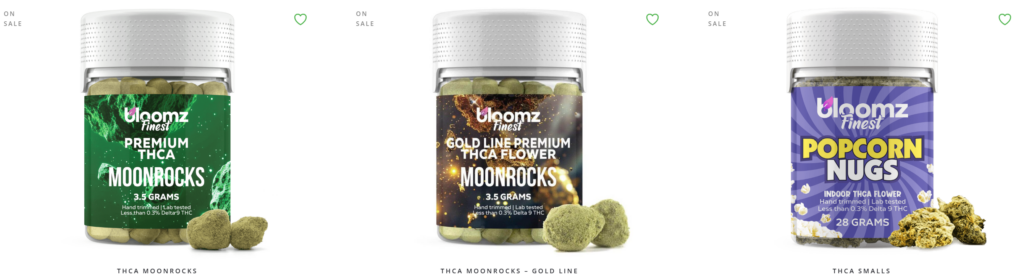
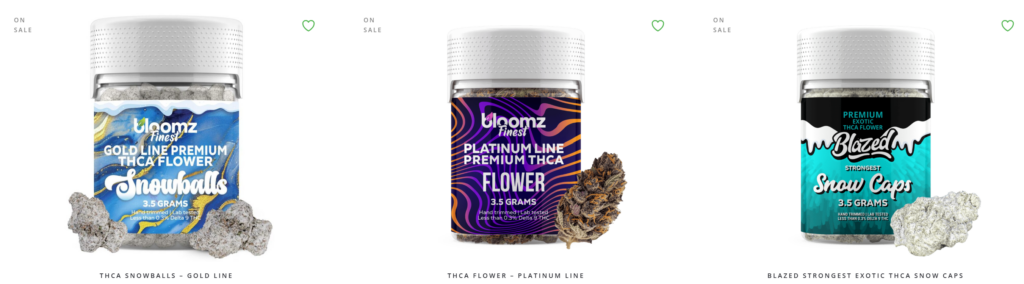
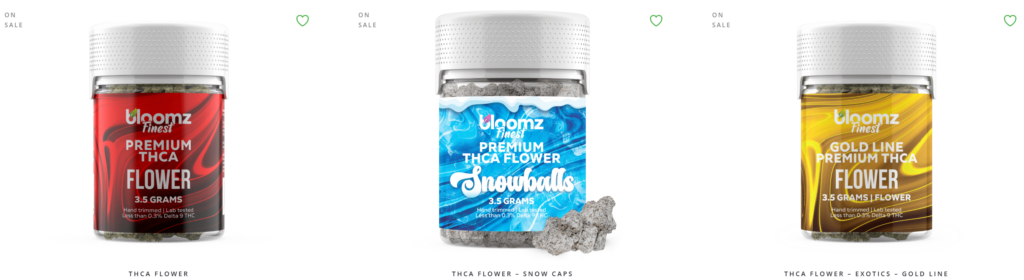
First-time buyers sometimes approach THCA flower with an expectation that it will look or present differently from the cannabis they may have encountered elsewhere. It does not. Premium THCA flower from a reputable source like BinoidCBD.com is, in terms of appearance, aroma, trichome density, and sensory presentation, indistinguishable from dispensary-grade cannabis flower. The buds of a well-cultivated THCA variety display the same frosted, crystalline surface that results from dense trichome coverage those trichomes being the microscopic glands where THCA is biosynthesized.
The aromatic complexity is identical to what terpene enthusiasts describe in traditional cannabis contexts: the sharp citrus of limonene, the earthy depth of myrcene, the piney brightness of pinene, the floral sweetness of linalool. These terpenes are not a byproduct of THCA flower cultivation they are produced alongside the THCA in the same trichome environment, and their preservation through careful cultivation, harvest timing, and post-harvest curing is one of the primary differentiators between premium and mediocre product.
The tactile experience of THCA flower its moisture content, its density, the way it breaks apart is equally identical to high-quality traditional cannabis. This is because it is high-quality cannabis, grown with the same agronomic attention, the same input protocols, and the same harvest sensibility. What separates an exceptional THCA flower from a disappointing one has nothing to do with THCA itself and everything to do with cultivation discipline: indoor growing environments that allow for precise light spectrum control, humidity management, and nutrient optimization produce trichome density and terpene preservation that outdoor or greenhouse cultivation can rarely match. Binoid’s sourcing relationships prioritize indoor cultivation precisely because it represents the only growing environment where the consistency that educated consumers demand can be reliably delivered.
Strains, Cultivars, and the Experiential Spectrum
One of the more sophisticated aspects of THCA flower that first-time buyers may not immediately appreciate is the degree to which strain and cultivar selection shapes the experiential character of what they consume. Because THCA flower is, botanically, cannabis with all of the genetic diversity and terpene complexity that implies the differences between a sativa-dominant THCA variety and an indica-dominant one are real, meaningful, and grounded in the biochemistry of the plant’s terpene profile.
The conventional industry shorthand of “sativa equals energetic, indica equals sedative” is an oversimplification that the scientific community has largely moved past, but the underlying observation that different cultivars produce meaningfully different experiential profiles remains valid and useful. Those differences are driven primarily by terpene composition: a cultivar heavy in myrcene and linalool tends toward relaxation; one dominated by limonene and terpinolene tends toward something more cerebral and alert.
For the first-time buyer navigating THCA flower options on BinoidCBD.com, this means that the choice of cultivar is not merely aesthetic. It is a functional decision that shapes the quality and character of the experience. Reading terpene profiles, understanding the dominance hierarchy of the aromatic compounds in any given strain, and matching that profile to the context in which you intend to use the flower daytime versus evening, social versus solitary, high-energy versus relaxed is the kind of informed purchasing behavior that separates the educated consumer from the one who simply grabs whatever is in stock. Binoid provides the product education and strain-specific information that makes this level of informed decision-making possible, which is itself a meaningful quality signal about the brand’s commitment to its audience.
Potency, Testing, and Why the COA Is Your Best Friend
Perhaps the most important practical consideration for the first-time THCA flower buyer is understanding how potency is measured, reported, and verified. A THCA percentage on a product label say, 22% or 24% represents the concentration of tetrahydrocannabinolic acid in the flower as tested in its raw, undecarboxylated state. This number is not the same as a total THC concentration, but it is a reliable predictor of potency once decarboxylation occurs. A general industry conversion factor (THCA × 0.877 + delta 9 THC) can be used to estimate the total potential THC yield, though the precise efficiency of that conversion depends on the consumption method and the completeness of decarboxylation achieved.
The document that verifies all of this and the one that no first-time buyer should proceed without reviewing is the Certificate of Analysis, or COA, from an independent, ISO 17025-accredited third-party laboratory. A proper COA is not a marketing document. It is an objective molecular inventory of a specific product batch, confirming the THCA and delta 9 THC concentrations, the terpene profile where applicable, and the results of safety testing for heavy metals, residual solvents, pesticides, and microbial contamination.
BinoidCBD.com publishes batch-specific COA documentation across its THCA flower catalog, making it possible for buyers to verify exactly what they are purchasing before the transaction is complete. In a market where mislabeling is documented and not uncommon, this transparency is not a baseline expectation it is a meaningful competitive differentiator that the most discerning first-time buyers should use as a primary sorting criterion.

How to Consume THCA Flower: Formats, Temperatures, and First-Time Guidance
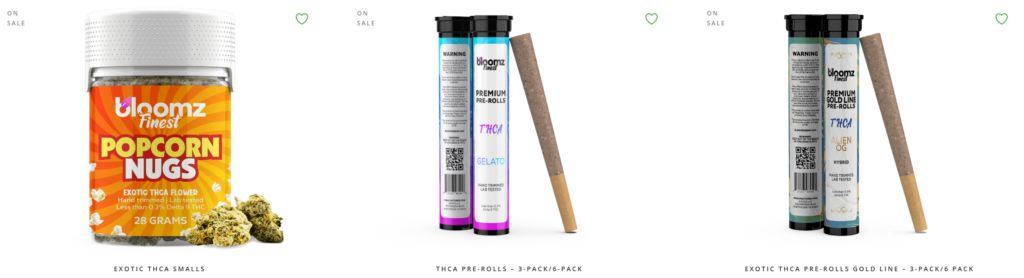
THCA flower can be consumed through any method that applies sufficient heat to initiate decarboxylation, which in practical terms means smoking, vaporizing, or using it as a base material for homemade edible preparations. Each method has distinct characteristics that affect onset time, duration, intensity, and the degree to which terpene complexity is preserved in the experience. Combustion the most traditional method, involving a pipe, a rolling paper, or any other device that introduces direct flame initiates complete and near-instantaneous decarboxylation, delivering the full THCA-to-delta-9 conversion at the cost of some terpene expression, since the high temperatures of combustion degrade volatile aromatic compounds quickly.
Vaporization is widely regarded by experienced consumers as the optimal method for premium THCA flower, and for good reason. By heating the flower to temperatures sufficient for decarboxylation without reaching the combustion threshold, a quality vaporizer preserves a far greater proportion of the terpene profile while delivering the full psychoactive payload of converted delta 9 THC. Different temperature settings produce meaningfully different experiences: lower temperatures (around 325–350°F) favor terpene expression and produce a cleaner, more cerebral effect; higher temperatures (375–410°F) produce denser vapor with more sedative character.
For the first-time buyer, vaporization at moderate temperatures is the most controlled and most flavorful introduction to what premium THCA flower actually offers. Starting with a conservative quantity, in a comfortable and familiar environment, and allowing adequate time to assess the effect before consuming more this is the framework that transforms a first-time experience into an informed, repeatable one. The THCA flower available through BinoidCBD.com is formulated and curated for exactly this kind of intentional, educated consumption, and it rewards the consumer who approaches it with the same seriousness that went into producing it.
The First-Time Buyer’s Decision Framework
The question that most first-time buyers of THCA flower are ultimately asking is not a scientific one it is a practical one. They want to know whether this product will deliver what they are hoping for, whether it is safe, whether it is legal in their situation, and whether the brand they are buying from deserves their trust. On the first two counts, the answer when the product is sourced responsibly from a premium retailer with rigorous third-party testing and transparent lab documentation is an unambiguous yes. THCA flower, consumed through heat, delivers a delta 9 THC experience that is experientially equivalent to the cannabis it chemically is. Safety is a function of sourcing: products tested by ISO 17025-accredited laboratories for the full panel of contaminants, sourced from domestic hemp cultivation operations operating under established regulatory frameworks, represent a meaningfully different safety profile than untested or minimally tested alternatives.
On the legal question, the federal framework as currently written supports the THCA flower market as it exists, though state-level regulations vary and the consumer bears responsibility for understanding the laws of their specific jurisdiction. On the question of brand trust, the answer has already been provided by the market itself: BinoidCBD.com has built its reputation in the hemp-derived cannabinoid space precisely by treating transparency, documentation, and product quality as non-negotiable rather than aspirational. For the first-time buyer standing at the threshold of what THCA flower can offer, that combination of molecular clarity, sourcing integrity, and brand accountability represents the clearest and most defensible path forward.
To Buy THCA Flower Click Here