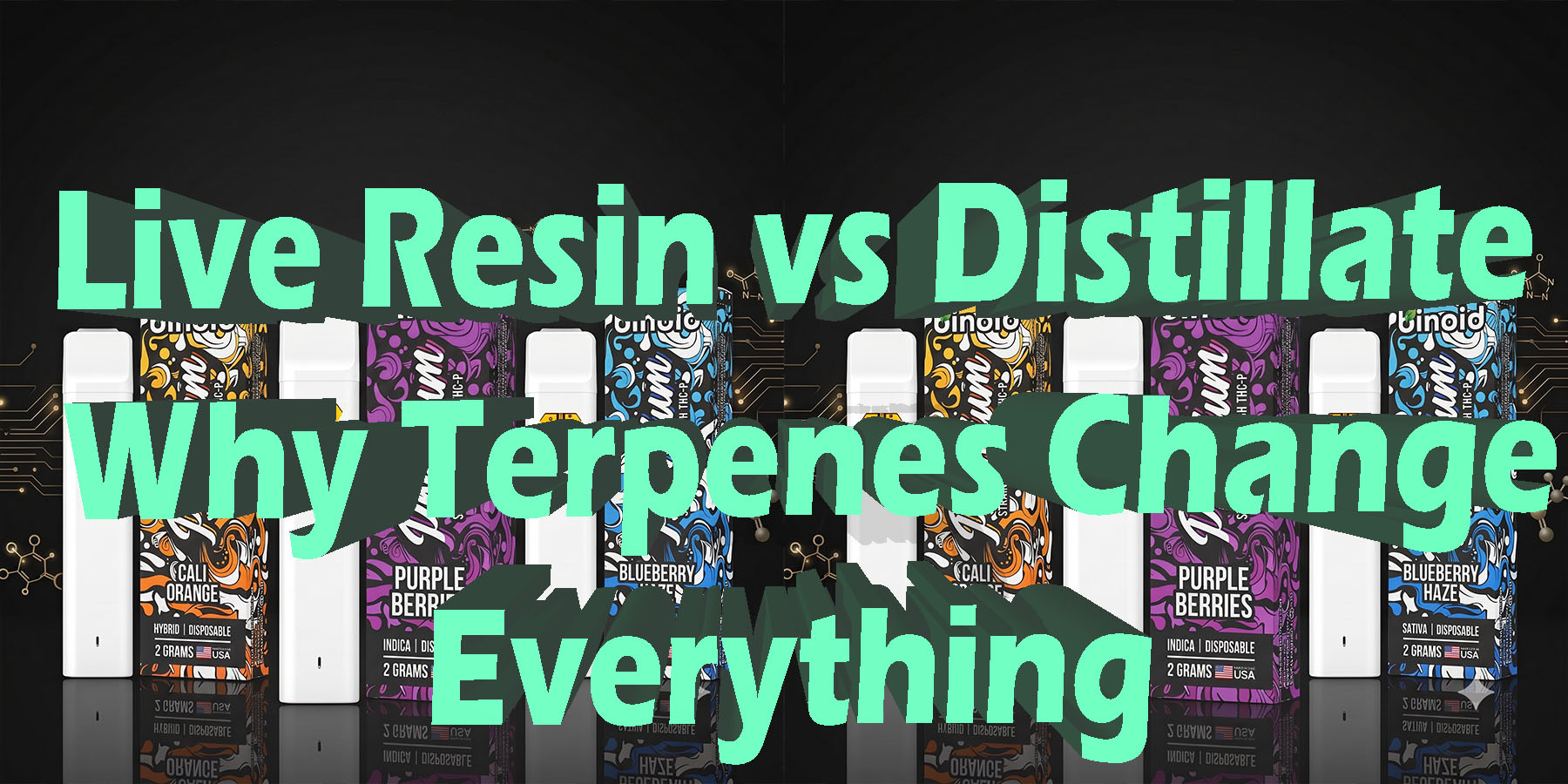
Ask a hundred cannabis consumers what makes one vape cartridge or concentrate taste and feel different from another, and you’ll get a hundred vague answers circling around words like “smooth” or “flavorful” without ever landing on the actual mechanism responsible. That mechanism, more often than not, comes down to a single decision made early in the production process the choice between live resin and distillate as the foundational extract and it is a decision with consequences that ripple through every subsequent stage of the product, from aroma to onset to the subtle textural quality of the high itself.
The live resin vs distillate conversation gets treated in most consumer-facing marketing as a simple hierarchy, premium versus standard, but the reality is more nuanced and considerably more interesting, rooted in genuine differences in terpene preservation, extraction methodology, and the underlying philosophy of what a cannabis concentrate is actually supposed to deliver.
TO BUY LIVE RESIN CLICK HERE
Recommended products
-
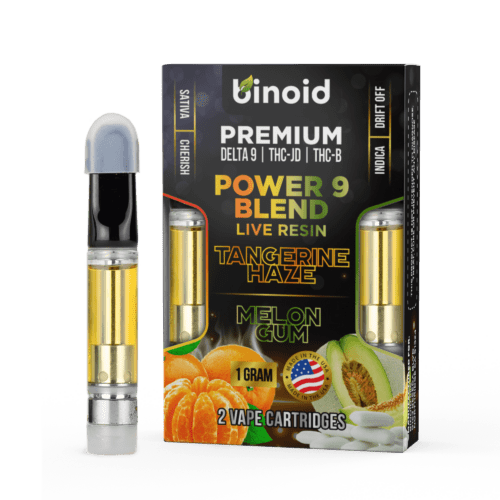
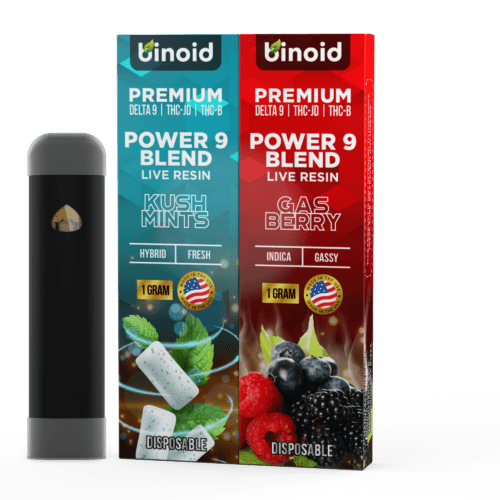
Power 9 Blend Live Resin Cartridge – 2 Pack Combo (Limited Time Sale)
$40.99$89.99 -
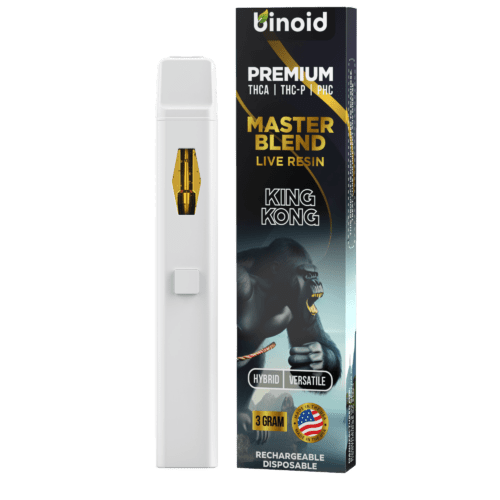
Master Blend Live Resin Disposable – 3 Gram
$43.99$59.99 -
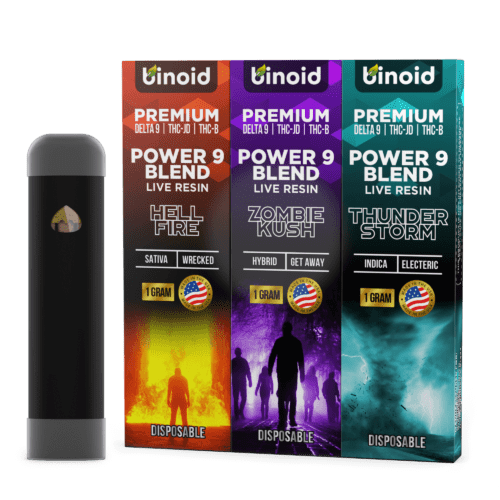
Power 9 Blend Live Resin Disposable – 3 Pack Combo
$60.99$89.99 -
Power 9 Blend Live Resin Disposable – 2 Pack Combo (Limited Time Sale)
$44.99$89.99
The Flash-Frozen Difference: How Live Resin Is Made
Live resin begins with a decision made at the moment of harvest, not in the extraction lab, and that timing is precisely what defines the category. Rather than allowing freshly cut cannabis to undergo the standard drying and curing process a period typically spanning one to several weeks during which the plant material loses significant moisture and, critically, sheds a substantial portion of its most volatile aromatic compounds through simple evaporation live resin production flash-freezes the plant material almost immediately after harvest, typically within hours.
This flash-freezing arrests the biological and chemical processes that would otherwise degrade the plant’s terpene profile, locking in an aromatic snapshot of the cultivar at its absolute peak rather than the diminished, oxidized version that emerges after weeks of curing. The frozen material is then extracted, usually through a hydrocarbon or solventless process conducted at deliberately low temperatures, preserving not just the major terpenes that survive standard processing but the full breadth of minor, more delicate aromatic compounds that would otherwise be lost entirely.
The result is an extract that smells and tastes distinctly closer to the living plant than conventionally processed material ever can, carrying forward the specific, strain-differentiated terpene signature that gives a particular cannabis cultivar its identifiable character the citrus brightness of one strain, the deep earthy funk of another, the peppery sharpness of a third.
This is not a subtle distinction to anyone who has tasted both side by side. Live resin‘s aromatic complexity is immediate and pronounced, carrying a layered quality that unfolds across a session rather than presenting a single flat note, and it’s precisely this complexity that has made live resin the reference standard for consumers who treat flavor and terpene authenticity as central to the concentrate experience rather than an afterthought to potency. Binoid CBD‘s live resin vape and concentrate lines are built around this flash-frozen sourcing standard specifically because it delivers an aromatic and experiential fidelity that no amount of post-processing flavor correction can replicate.
The Precision Play: What Distillate Actually Offers
Distillate takes a fundamentally different approach, and it would be a mistake to characterize it simply as live resin’s lesser cousin, because distillate is optimized for a different set of priorities that matter enormously depending on what a consumer is actually looking for. The distillation process involves heating a crude cannabis extract to precise temperatures under vacuum conditions, separating cannabinoids from the broader chemical matrix of the plant material including most terpenes, which vaporize at different temperatures and are typically removed during the process to produce an extract of exceptional purity, often reaching 90% or higher concentration of the target cannabinoid. This is, in its own right, a remarkable feat of chemical engineering, and it produces a product with a consistency and predictability that terpene-rich extracts like live resin genuinely cannot match, because a distillate’s near-single-compound composition means that potency and effect are considerably easier to standardize from batch to batch.
This precision is exactly why distillate has become the foundational extract for isomerization processes that convert hemp-derived CBD into compounds like Delta 8, Delta 10, and HHC reactions that require a clean, high-purity starting material free of the terpenes and residual plant compounds that could interfere with the conversion chemistry or introduce unpredictable byproducts.
Distillate’s clean profile also makes it the extract of choice for products where a specific, controlled cannabinoid ratio matters more than aromatic complexity, and its stability and shelf life tend to outperform terpene-rich extracts, which are more prone to degradation given the volatility of the aromatic compounds they carry. Far from being a compromise, distillate represents its own kind of mastery the mastery of isolation and precision rather than the mastery of preservation, and Binoidcbd.com‘s distillate-based product lines lean into exactly this strength, particularly across formats where consistent, predictable dosing takes priority over strain-specific flavor nuance.
The Entourage Effect: Why Terpenes Are More Than Just Flavor
The conversation around live resin vs distillate inevitably circles back to a concept that has become something of a buzzword in cannabis marketing but that carries genuine scientific grounding: the entourage effect, the theory that cannabinoids and terpenes interact synergistically to shape the overall character of an experience in ways that isolated compounds cannot replicate alone.
Terpenes are not merely responsible for aroma and flavor, though that role alone would justify their importanc they are aromatic hydrocarbons with their own distinct pharmacological properties, and research into how specific terpenes might influence or modulate the psychoactive and experiential qualities of cannabinoids has become one of the more active areas of ongoing cannabis science. Myrcene, limonene, pinene, and caryophyllene each carry distinct aromatic signatures and have each been the subject of scientific curiosity regarding their potential interactive properties alongside cannabinoids, though the full mechanistic picture remains an active and evolving area of research rather than settled science.
What this means practically is that a live resin product, by virtue of preserving a fuller and more authentic terpene profile, offers a more complete expression of a given cultivar’s natural chemical complexity than a distillate ever could, since distillate’s purification process strips away the very compounds the entourage theory suggests play a meaningful supporting role.
This doesn’t make distillate an inferior product in any universal sense plenty of distillate-based formulations reintroduce terpenes after the fact, either sourced from the original cannabis strain or botanically derived from other plants, in an attempt to recapture some of that aromatic and experiential complexity. But there is a meaningful, perceptible difference between terpenes preserved through flash-freezing at the moment of harvest and terpenes reintroduced after an extraction process has already stripped the extract down to its purified cannabinoid core, and consumers with a developed palate for concentrates tend to notice that difference readily.
Recommended products
-
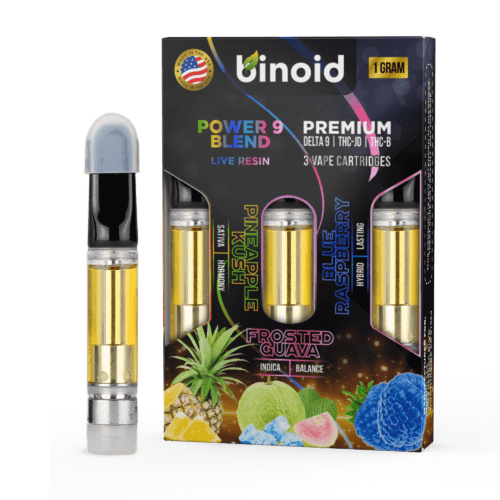
Power 9 Blend Live Resin Vape Cartridges – 3 Pack Combo
$54.99$89.99 -
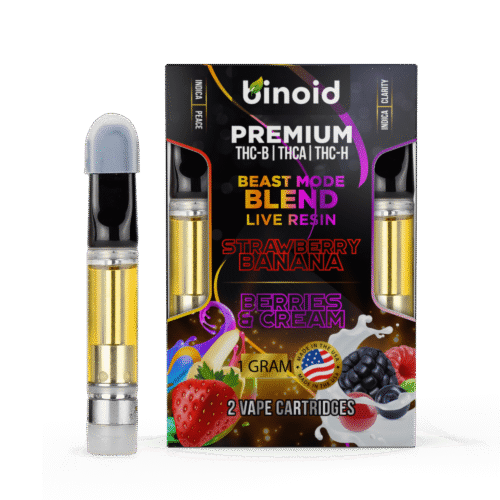
Beast Mode Blend Live Resin Cartridge – 2 Pack Combo (Limited Time Sale)
$40.99$89.99 -
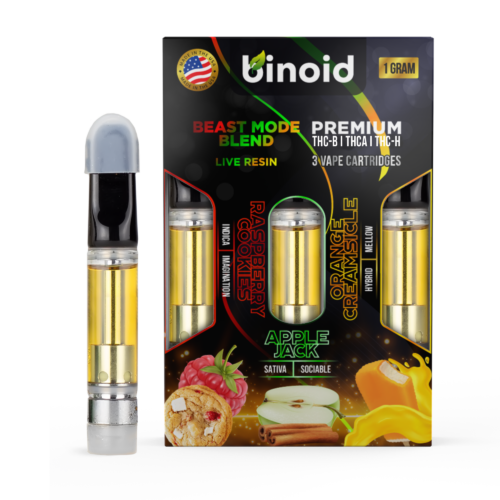
Beast Mode Blend Live Resin Cartridge – 3 Pack Combo
$54.99$89.99 -
Beast Mode Blend Live Resin Disposable – 2 Pack Combo (Limited Time Sale)
$43.99$89.99
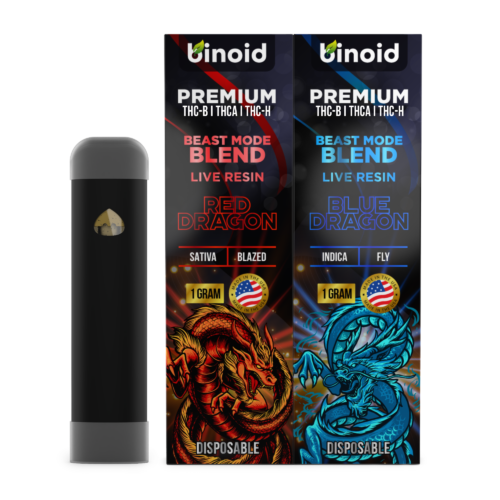
Reading the Label: How to Actually Tell What You’re Buying
The terminology surrounding live resin and distillate has become murky enough in the broader hemp market that label literacy has become a genuinely useful consumer skill, and it starts with understanding that not every product marketed with resin-adjacent language actually delivers the flash-frozen sourcing that defines authentic live resin. Terms like “live resin infused” or “terpene enhanced” can describe products anywhere on a spectrum from genuine flash-frozen extract to distillate with a small percentage of reintroduced terpenes designed primarily to approximate a flavor profile rather than deliver full compositional authenticity.
A consumer serious about understanding what they’re purchasing should look for explicit language confirming the sourcing methodology flash-frozen harvest timing, extraction temperature, and ideally a certificate of analysis that includes terpene profiling alongside standard cannabinoid potency testing, since a COA that documents specific terpene concentrations offers objective, verifiable evidence of what a marketing claim alone cannot provide.
This is precisely the kind of transparency that separates a brand willing to make its sourcing legible to an informed consumer from one relying on evocative language to imply a quality standard it hasn’t actually earned. Binoid CBD publishes batch-specific COA documentation that includes terpene profiling across its live resin catalog specifically because this level of verification is what allows a genuinely sophisticated consumer to distinguish authentic flash-frozen sourcing from products borrowing the terminology without the underlying process, and that distinction matters enormously to anyone who has developed a real appreciation for what full-spectrum terpene preservation actually contributes to a concentrate experience.
Format and Application: Where Each Extract Finds Its Purpose
The practical application of live resin versus distillate extends well beyond a simple quality hierarchy and into a genuine question of fit-for-purpose, because each extract type has carved out formats where its particular strengths matter most. Live resin has found its natural home in vape cartridges and dabbable concentrates aimed at consumers who prioritize flavor authenticity and strain-specific character as central to the experience, formats where the aromatic complexity of flash-frozen terpene preservation can be fully appreciated pull after pull. Distillate, by contrast, dominates the edible and tincture categories, where its purity and dosing precision take clear priority over aromatic nuance, and where flavor is typically engineered separately through food-grade flavoring rather than relying on the extract itself to carry the sensory experience.
This division of labor isn’t arbitrary it reflects a genuine understanding of what each extract does best, and premium brands tend to deploy live resin and distillate deliberately across their catalog rather than defaulting to one extract type universally regardless of format. Binoidcbd.com‘s product architecture reflects exactly this kind of intentional deployment, reserving live resin for the vape and concentrate formats where its terpene fidelity shines and leaning on precisely dosed distillate for gummies, tinctures, and isomerized cannabinoid lines where consistency and purity are the more relevant priorities, a structural decision that speaks to a brand thinking carefully about extract selection rather than applying a one-size-fits-all approach across an entire catalog.
The Decision Framework: Matching Extract to Intention
Bringing the live resin vs distillate comparison to a practical conclusion requires asking what you actually want from a given product, because the “better” extract genuinely depends on the priority you’re optimizing for. A consumer chasing the fullest possible expression of a specific cannabis cultivar’s aromatic and experiential character, willing to prioritize flavor complexity and strain authenticity above all else, should gravitate toward live resin formats, ideally verified through a COA that documents terpene preservation alongside cannabinoid potency. A consumer prioritizing precise, predictable dosing, formulation versatility, or products built around isomerized cannabinoids that require a clean starting material will find distillate the more logically suited extract, without sacrificing quality so long as sourcing and lab verification meet the same rigorous standard.
What both paths share, and what should ultimately guide the decision regardless of which extract a consumer leans toward, is the necessity of transparent, batch-specific, third-party verification that confirms what a label claims about sourcing, processing, and composition. The live resin vs distillate debate isn’t really about declaring one extract categorically superior it’s about understanding what each one is actually built to deliver and selecting accordingly, informed by real documentation rather than marketing language alone. That is the standard Binoid CBD has built its concentrate and vape architecture around, offering both extract types at the level of sourcing integrity and laboratory transparency that allows a genuinely informed consumer to choose not just a product, but the right extract for the specific experience they’re after.
TO BUY LIVE RESIN CLICK HERE
Recommended products
-
Live Resin Rechargeable Disposable – 2 Gram
$34.99$59.99 -
Live Resin Vape Cartridge
$29.99$59.99 -
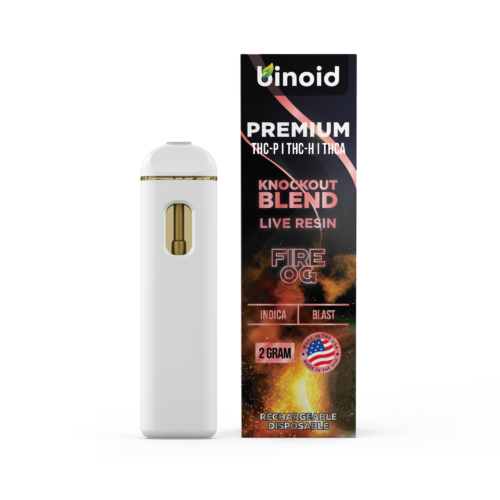
Knockout Blend Live Resin Disposable – 2 Gram
$33.99$59.99 -
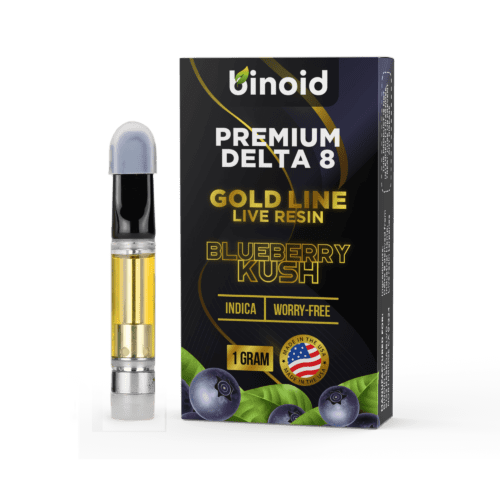
Delta 8 Live Resin Vape Cartridge – Blueberry Kush
$26.99$59.99