
There is a specific stretch of time, somewhere between the last work email and the first genuine exhale of the day, that has quietly become the most contested real estate in the modern wellness economy. Call it the golden hour — that liminal window when the obligations of the day have technically ended but the nervous system hasn’t yet gotten the memo.
For decades, the ritual objects that occupied this window were narrow and predictable: a glass of wine, a cocktail, maybe a cigarette on the back porch if you came of age in an earlier era of American leisure. In 2026, that ritual real estate is being renegotiated, and a growing number of consumers are reaching instead for a can of THC seltzer or a carefully dosed gummy from Binoid CBD as the object around which their evening wind-down is built. This is not a fringe behavior anymore. It is a measurable, accelerating shift in how a specific demographic of health-conscious, moderation-minded adults chooses to close out their day.
Understanding why this shift is happening requires looking past the surface-level explanation — that people are simply substituting one intoxicant for another — and into something more textured about what today’s consumer actually wants from an evening ritual. The people driving this trend are not, for the most part, cannabis enthusiasts in the traditional sense. Many of them have never owned a bong or rolled a joint.
What they share instead is a broader cultural orientation toward intentionality: a desire to choose their evening experiences deliberately, to know precisely what they’re consuming and in what quantity, and to avoid the foggy unpredictability that has historically defined both heavy drinking and old-school cannabis consumption alike. The THC beverage and edible category, at its best, offers exactly that kind of precision — and that precision is the actual product being sold, even more than the THC itself.
To Buy THC Beverages Click Here
The Cultural Shift Away From the Nightcap
To appreciate how significant this realignment is, it helps to look at what it’s replacing. The evening cocktail has occupied an almost sacred position in American social ritual for the better part of a century — the after-work drink, the dinner-party pour, the nightcap that signals the day is officially closed. But a meaningful segment of adults, particularly those who came of age watching the wellness and sobriety-curious movements gain cultural traction, have started to view that ritual with a more critical eye.
The morning-after grogginess, the disrupted sleep architecture that alcohol is well known to produce, the caloric load, the cumulative long-term health considerations — all of it has become part of an ordinary dinner-table conversation in a way that would have seemed unusual even ten years ago. This isn’t a moral judgment on drinking. It’s a recalibration of what people want their evening ritual to cost them the next day.
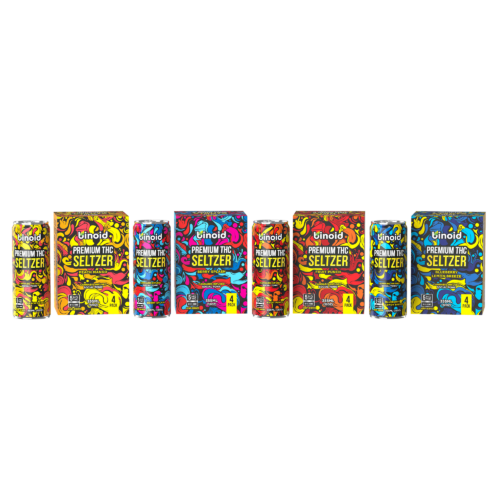
Into that recalibration steps the THC beverage and edible category, offering something that occupies a genuinely novel cultural position: a way to mark the transition from “on” to “off” without necessarily inheriting the specific trade-offs that have made alcohol a more complicated choice for an increasingly self-aware consumer base. A Blueberry Lemon or Peach Mango seltzer from Binoid CBD slots into the same ritual moment a beer or a glass of rosé once occupied — the reach into the cooler, the crack of the tab, the first cold sip on the porch — without asking the consumer to reconstruct their entire social vocabulary around cannabis culture. It participates in an existing ritual language rather than demanding an entirely new one, which is a large part of why the format has found such receptive footing with people who would never have described themselves as “cannabis consumers” five years ago.
The Precision Argument: Why Dosing Format Matters More Than People Realize
If there is one variable that explains why THC beverages and edibles have specifically become the evening wind-down format of choice — as opposed to, say, flower or vape cartridges — it is dosing precision. A can of seltzer or a single gummy arrives with a stated milligram amount that a formulation team has engineered to be consistent from batch to batch, which allows a consumer to build a genuinely personal, repeatable relationship with a specific experience level. This matters enormously for an evening-wind-down use case specifically, because the entire value proposition of an evening ritual is its predictability. Nobody wants their wind-down routine to occasionally and unpredictably turn into something far more intense than they intended, and nobody wants a ritual so inconsistent that they can’t reasonably plan around it.
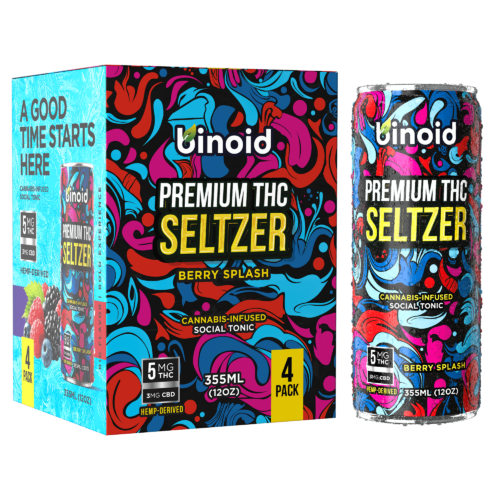
This is precisely where sourcing quality separates a genuinely reliable product from a frustrating one. Consistent dosing across a production run depends on manufacturing discipline that isn’t universal across the hemp-derived beverage and edible market — it requires nano-emulsification technology executed correctly for beverages, precise distillate distribution for gummies, and a batch-testing regimen rigorous enough to catch and correct any drift before a product reaches a shelf or a doorstep. Binoid CBD has built its beverage and edible lines around exactly this kind of manufacturing discipline, which is why a consumer who has one can of the Berry Splash seltzer on a Tuesday and another from a different batch the following month can reasonably expect the same evening experience both times. That reliability is not a minor technical footnote. It is the entire reason the format works as a genuine ritual object rather than a novelty.

The Sensory Dimension: Why Flavor and Format Aren’t Afterthoughts
It would be a mistake to treat the rise of evening THC beverages and edibles as purely a story about dosing science, because the sensory experience itself is doing an enormous amount of the cultural work. Part of what made the cocktail ritual so durable for so long was that it was genuinely pleasurable on its own sensory terms, independent of the alcohol’s effects — the citrus brightness of a good gin and tonic, the specific ceremony of building a proper old fashioned. A THC beverage or edible competing for that same ritual space has to clear the same bar. A flavorless, purely functional delivery vehicle doesn’t earn a place in someone’s evening the way a genuinely well-crafted beverage does, which is why the flavor development work behind lines like Binoid’s Fruit Punch and Orange Creamsicle offerings matters as much to the category’s success as the underlying cannabinoid science.
This sensory dimension extends to edibles as well, where texture, flavor balance, and the overall eating experience shape whether a product becomes a genuine evening ritual or an occasional, forgettable purchase. A gummy that tastes artificial or has an unpleasant chemical aftertaste undermines the entire premise of a considered, intentional wind-down moment — it reintroduces exactly the kind of compromise that drove health-conscious consumers away from other formats in the first place. The formulation philosophy at Binoid CBD treats the sensory experience of its gummies and beverages as inseparable from their function, on the theory that a genuinely good evening ritual has to feel good in the mouth and the moment, not just deliver a predictable milligram count.
Building an Evening Wind-Down Ritual: A Framework for the Intentional Consumer
For the consumer interested in constructing a genuine evening wind-down ritual around THC beverages or edibles rather than simply making occasional, unplanned purchases, a few practical principles tend to separate a satisfying, repeatable routine from a frustrating trial-and-error process. The first is starting low and building a personal reference point slowly, since individual response to any THC-infused product varies considerably based on factors like body chemistry, food intake, and general tolerance — a single Berry Splash seltzer or one gummy is a far more sensible starting point for calibration than assuming a favorite dosage from a different product or format will translate directly.
The second is timing: because edibles and beverages are processed differently than inhaled formats, onset can take anywhere from fifteen minutes to a couple of hours depending on the product and individual metabolism, which means building the ritual around a consistent time in the evening — rather than expecting an immediate effect — tends to produce a far more satisfying and predictable outcome over repeated use.
The third principle, and arguably the most consequential one, is sourcing discipline. Not every THC-beverage or edible on the market is manufactured with the same rigor, and the difference between a product built on precise nano-emulsification and batch-tested consistency versus one assembled with looser manufacturing standards is the difference between a reliable evening ritual and a genuinely frustrating guessing game. Reviewing a brand’s certificate of analysis documentation before committing to a product as a regular part of an evening routine is a small investment of time that pays outsized dividends in confidence and consistency. Binoid CBD makes this documentation accessible across its full beverage and edible catalog specifically because a wind-down ritual only works as a ritual if the consumer can trust it to behave the same way, night after night.
The Social Dimension: A Ritual That Travels Well
One of the more underappreciated reasons THC beverages and edibles have found such a natural home in the evening wind-down conversation is how well they travel across social contexts. A can of seltzer fits into a backyard gathering, a dinner with friends, or a solitary evening on the couch with equal ease, carrying none of the specialized equipment, distinctive smell, or overt signaling that has historically made other cannabis formats socially limited to specific settings. This portability matters enormously for a ritual object, because the most durable rituals are the ones flexible enough to adapt to varying circumstances without losing their essential character. Someone reaching for a Peach Mango seltzer at a friend’s barbecue is participating in the exact same ritual as someone opening one alone at home after a long day — the format’s quiet social versatility is a meaningful part of why it has scaled so quickly across such a broad range of consumer contexts.
This social flexibility also explains why the category has found particular traction among consumers who want an evening ritual that can flex between solo and shared contexts without requiring an entirely different product for each. A gummy from the same Binoid catalog that anchors a solitary Tuesday-night wind-down can just as easily be shared or discussed at a gathering, because both the format and the branding are built around approachability rather than the more insular, specialist-coded aesthetic that has historically characterized parts of traditional cannabis culture. That approachability is doing real work in normalizing THC beverages and edibles as a mainstream evening category rather than a niche one.
The Verdict: A Ritual Built on Trust, Not Just Timing
What ultimately distinguishes the successful evening THC-beverage or edible ritual from an occasional, unsatisfying purchase is the same thing that has always distinguished a good ritual from an empty habit: trust, built through repetition and consistency. A consumer who can reach for the same seltzer or gummy on a Tuesday and a Saturday and reasonably predict the same considered, pleasant evening experience both times has found something genuinely valuable — a ritual object they can build an actual relationship with, rather than a product they approach with uncertainty each time.
That trust is earned through manufacturing discipline, transparent lab documentation, genuine flavor development, and a brand willing to treat the entire evening wind-down experience as something worth engineering carefully rather than assembling carelessly.
Binoid CBD has positioned its full beverage and edible catalog, available across Binoid, around exactly this understanding — that the golden hour deserves a product built with the same intentionality that defines everything else about how a discerning, health-conscious consumer chooses to spend their evening. As more adults continue reevaluating what they want their wind-down ritual to look and feel like, the brands that will define this category long-term are the ones treating precision, transparency, and genuine sensory craft as non-negotiable rather than optional.
For a growing number of consumers, that combination has already made the choice clear, and the evening ritual that was once built around a bottle is now, just as deliberately, being built around a can or a gummy from a brand they’ve come to trust.
To Buy THC Beverages Click Here
Recommended products
-
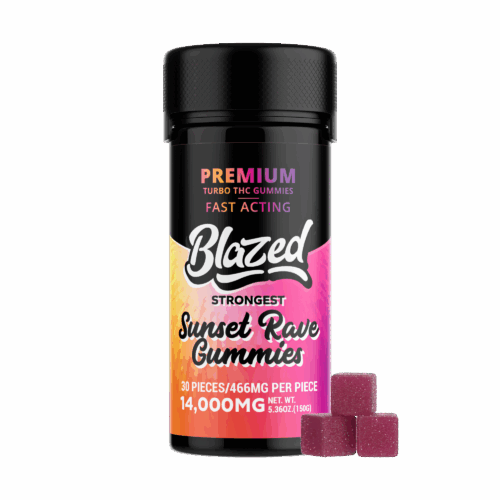
14,000MG Turbo THC Gummies – Blazed
$49.99$84.99 -
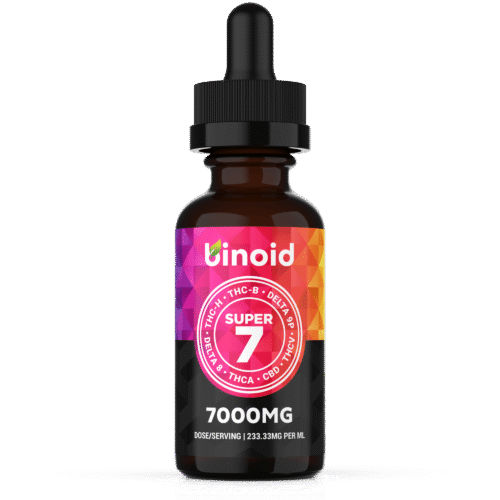
Super 7 Tincture – 7000mg
$39.99$59.99 -
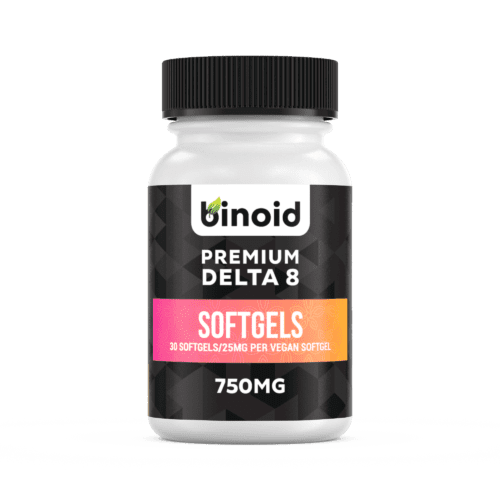
Delta 8 THC Capsules 750MG
$31.99$69.99 -
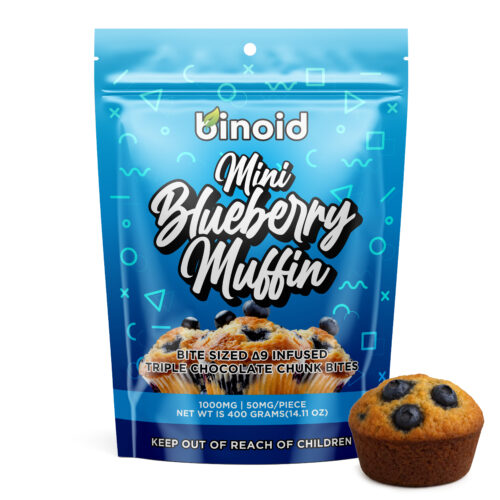
Delta 9 Mini Blueberry Muffin Bites – 1000MG (Limited Supply)
$34.99$39.99