There is a particular kind of anticipation that comes with pulling the plastic seal off a new disposable vape for the first time a small ritual of unwrapping that precedes an experience you cannot fully predict until it begins. With most cannabinoids, that uncertainty has been mapped extensively enough that first-timers can walk in with reasonably accurate expectations. THC-B, or tetrahydrocannabutol, occupies a slightly different territory. It is a comparative newcomer to the hemp-derived conversation, and while it shares an unmistakable molecular kinship with Delta 9 and Delta 8, its particular onset-to-finish arc has its own character one that rewards a bit of patience and a bit of curiosity from the consumer willing to explore it properly.
THC-B differs from its better-known cannabinoid relatives in one specific structural detail: where THC’s alkyl side chain terminates in a five-carbon pentyl group, THC-B’s side chain is shortened to a four-carbon butyl group. This seems like a minor architectural footnote until you consider how much of a cannabinoid’s behavior at the CB1 receptor is governed by exactly this kind of side-chain geometry.
That single-carbon difference changes how snugly the molecule fits into the receptor’s binding pocket, which is part of why THC-B ‘s experiential profile, while clearly related to traditional THC, has developed its own distinct reputation among consumers willing to move past the more familiar cannabinoids. Disposable vape hardware, which delivers the compound through inhalation rather than digestion, sidesteps the liver’s first-pass metabolism entirely, which is the single biggest variable separating how THC-B feels in a vape versus how it might feel in a gummy or tincture.
To Buy THC-B Products Click Here
The First Few Minutes: What Onset Actually Feels Like
Inhalation is, categorically, the fastest route any cannabinoid can take to produce a felt effect, and THC-B disposables are no exception to that rule. Most consumers report the beginning of a noticeable shift within two to five minutes of their first draw, though the intensity at that early stage tends to be subtle rather than overwhelming a kind of loosening at the edges of attention, a slight softening of the sharper corners of focus, before the fuller experience arrives. This gradual build is partly a function of dose titration, since vaping allows for small, incremental inhalations in a way that a single edible dose does not, and partly a function of THC-B’s own pharmacological profile, which many experienced users describe as arriving with a smoother, more evenly paced climb than some of the more aggressive novel cannabinoids on the market.
By the ten-to-fifteen-minute mark, most consumers using a properly dosed THC-B disposable have reached what could reasonably be called the plateau of the experience the point at which the bulk of the felt effect has arrived and stabilized rather than continuing to intensify. This is a meaningfully different curve than what edibles produce, where the liver’s conversion of compounds into other metabolites can create a second, delayed wave of intensity thirty to ninety minutes in. With inhaled THC-B, what you feel at the fifteen-minute mark is a fairly reliable preview of what the next hour or two will deliver, which is precisely why vape formats have become the preferred entry point for consumers who want predictability and fine-grained control over their experience rather than the more variable arc that edible formats can sometimes produce.
The character of the plateau itself is where THC-B tends to distinguish itself descriptively from its cannabinoid siblings. Users frequently describe it as clear-headed and steady a sensation that leans toward gentle euphoria and a kind of easy mental engagement without the heavier, more sedating pull that some other novel cannabinoids introduce at comparable doses. This is anecdotal territory rather than settled pharmacology, since formal research on THC-B‘s precise receptor selectivity and dose-response curve remains genuinely early-stage, but it is a consistent enough pattern across consumer reporting that it has become something of a defining characteristic of the compound’s emerging reputation within the broader hemp-derived cannabinoid market.
The Middle Stretch: Duration and Stability
Where THC-B disposables genuinely differentiate themselves is in the shape of the experience once it has reached that early plateau. Rather than a sharp peak followed by a rapid decline, many users describe a duration of two to four hours during which the effect remains fairly stable, tapering gradually rather than dropping off abruptly. This extended, even plateau appears to correlate with the compound’s molecular stability the shortened alkyl chain that defines THC-B seems, anecdotally at least, to produce a metabolic profile that clears the body a bit more gradually than some of its shorter-lived cannabinoid cousins.
This stability has practical implications for how a disposable vape should actually be used across a session. Because the plateau is broad rather than sharply peaked, additional draws taken thirty or forty minutes after the initial dose tend to compound onto an already-active baseline rather than starting from zero, which means tolerance calibration matters considerably more with THC-B disposables than with products where each dose behaves as a fully discrete event. Experienced consumers tend to treat the first ten minutes as a genuine waiting period before deciding whether additional draws are warranted, a practice that prevents the overconsumption that can occur when someone mistakes a still-building effect for an insufficient one and continues vaping well past the point their body needed.
Hardware quality plays a disproportionately large role in whether this middle stretch delivers the smooth, consistent experience THC-B is capable of or a disappointing, harsh, or inconsistent one. A disposable built with an undersized battery, poor airflow design, or a coil mismatched to the viscosity of the THC-B distillate inside it can produce uneven heating that scorches the oil rather than vaporizing it cleanly, degrading both the flavor and the terpene-driven character of the experience. This is where sourcing becomes inseparable from the actual felt outcome rather than a background consideration, since a beautifully formulated distillate delivered through mediocre hardware will underperform a slightly simpler formulation delivered through hardware engineered with genuine attention to airflow, coil placement, and battery-to-atomizer calibration. BinoidCBD.com builds its THC-B disposable lineup with this exact interdependence in mind, pairing tested distillate with hardware specified to deliver it evenly across the device’s full lifespan.
The Tail End: What Comes Down and How
The descent from a THC-B disposable’s plateau tends to be as gradual as its climb, which is one of the more consistently reported characteristics across the consumer base exploring this cannabinoid. Rather than the sometimes jarring comedown associated with sharply peaked experiences, THC-B’s tail end is frequently described as unhurried a slow relinquishing of the elevated, clear-headed state rather than an abrupt return to baseline. This gentler taper is one of the qualities that has made THC-B disposables appealing to consumers who want an evening-appropriate or even a daytime-adjacent experience without the risk of a comedown sharp enough to disrupt focus or leave behind the groggy, disoriented feeling that some other cannabinoids can produce as they clear the system.
Residual effects, when they occur, tend to manifest as a mild, easy relaxation that lingers past the point where the more cognitively noticeable elements of the experience have faded, a pleasant looseness, an easier path toward winding down, a general sense of the day’s edges having been softened without heaviness. This is subjective territory, and individual body chemistry, tolerance, hydration, and even the specific terpene profile of the distillate used in a given THC-B formulation all shape exactly how this tail end unfolds for any given consumer. What can be said with more confidence is that the total experience window for a well-formulated THC-B disposable, from first noticeable effect through complete resolution, typically spans three to five hours, a duration that sits comfortably between the shorter, sharper arc of some inhaled cannabinoids and the considerably longer, more variable timeline that edibles introduce through digestive metabolism.
Why Formulation and Testing Change the Entire Equation
None of the onset, plateau, and taper characteristics described above are guaranteed by the mere presence of the letters “THC-B” on a package. The hemp-derived cannabinoid market has, unfortunately, produced no shortage of disposables filled with poorly refined distillate, inconsistent cannabinoid concentrations, or contamination from residual solvents left over from a rushed extraction process, and this risk is arguably more pronounced with a still-emerging compound like THC-B, where fewer manufacturers have developed the isolation expertise the molecule requires. A consumer’s actual experience with a THC-B disposable is downstream of dozens of manufacturing decisions that are entirely invisible at the point of purchase unless the brand has made a deliberate commitment to transparency, batch-specific certificate of analysis documentation from an ISO 17025-accredited laboratory, sourced from domestically grown hemp, processed through equipment capable of achieving the purity that a stable, predictable THC-B experience actually requires.
This is precisely the standard that Binoid CBD has built its THC-B disposable line around, treating lab verification not as a defensive compliance measure but as the foundation that makes the entire onset-to-finish experience described in this article achievable in the first place. A disposable vape with contaminated or imprecisely dosed distillate cannot deliver the smooth plateau or gentle taper that well-formulated THC-B is capable of producing, it will instead introduce the kind of unpredictability, harshness, or inconsistency that gives newer cannabinoids an undeserved reputation among consumers who happened to encounter a poorly made product early in their exploration of the category.
Choosing Your THC-B Disposable: A Framework for Getting It Right
For the consumer approaching THC-B disposables for the first time, or the experienced user curious about one of the newer entries in the hemp-derived cannabinoid landscape, the decision ultimately comes down to a small set of variables that matter far more than flavor branding or packaging design. Verified lab documentation showing precise THC-B concentration and a clean safety panel should be considered non-negotiable, since it is the only objective evidence that what is inside the device matches what the label promises, a point that carries extra weight with a compound this new to the commercial market. Hardware quality, including battery capacity, airflow design, and coil-to-distillate compatibility, determines whether that verified formulation is delivered evenly or scorched into an unpleasant, inconsistent draw. And an understanding of the compound’s genuinely gradual onset and broad plateau should inform pacing, waiting the full ten to fifteen minutes before evaluating whether additional draws are needed, rather than chasing an effect that is often still in the process of arriving.
Approached with that framework, a THC-B disposable becomes exactly what the format promises: a convenient, discreet, and remarkably consistent way to access a clear-headed, evenly paced cannabinoid experience without the equipment, mess, or waiting associated with other formats. The compound’s molecular stability, its gentle onset curve, and its unhurried taper are genuine advantages, but only when the distillate inside the device has been sourced, tested, and engineered by a brand that treats those advantages as something to be protected rather than left to chance, which is exactly the standard the THC-B disposable lineup at Binoidcbd.com has been built to meet.
To Buy THC-B Products Click Here
Recommended products
-
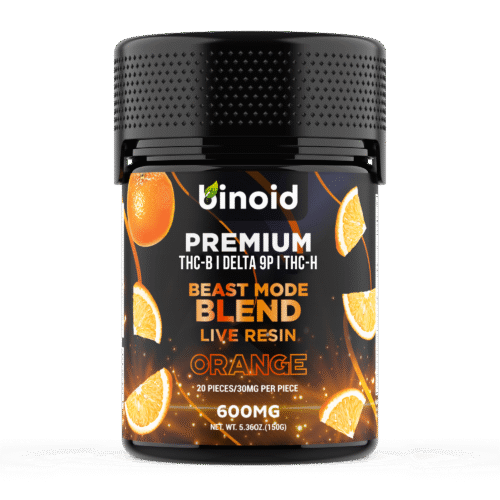
Beast Mode Blend Gummies
$32.99$59.99 -
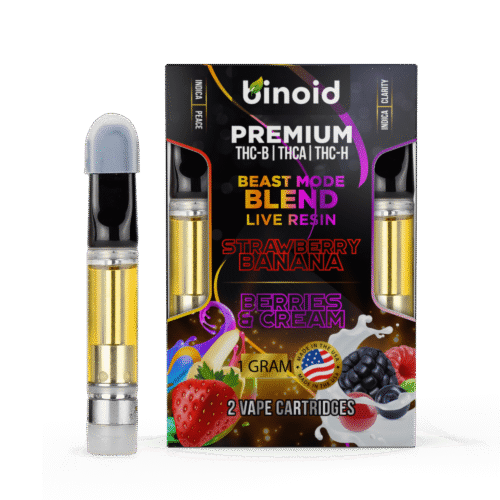
Beast Mode Blend Live Resin Cartridge – 2 Pack Combo (Limited Time Sale)
$40.99$89.99 -
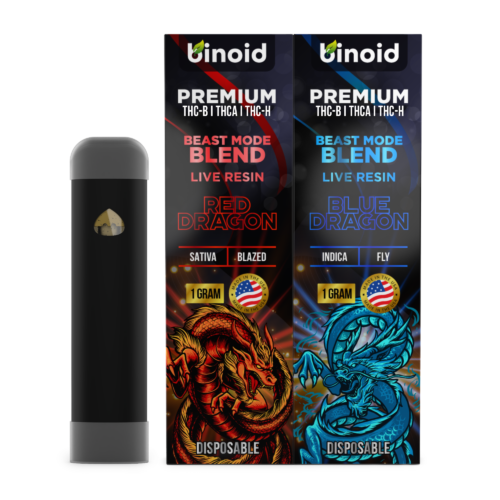
Beast Mode Blend Live Resin Disposable – 2 Pack Combo (Limited Time Sale)
$43.99$89.99 -
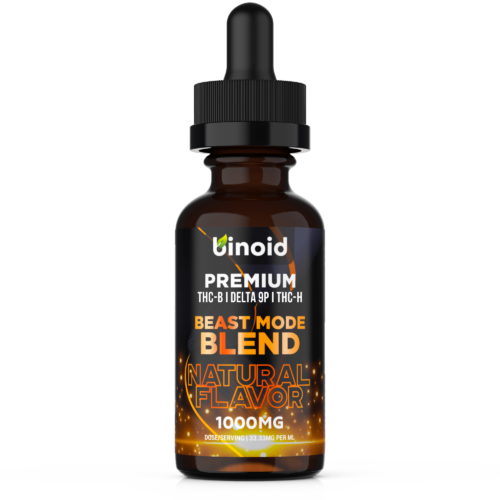
Beast Mode Blend Tincture – 1000mg
$34.99$59.99