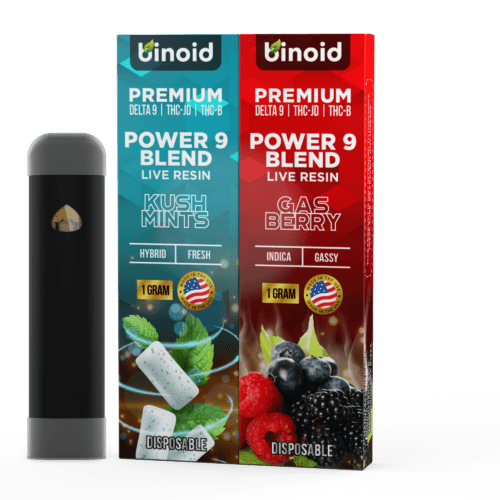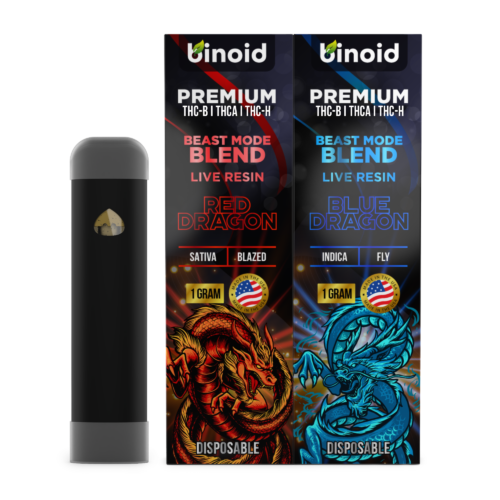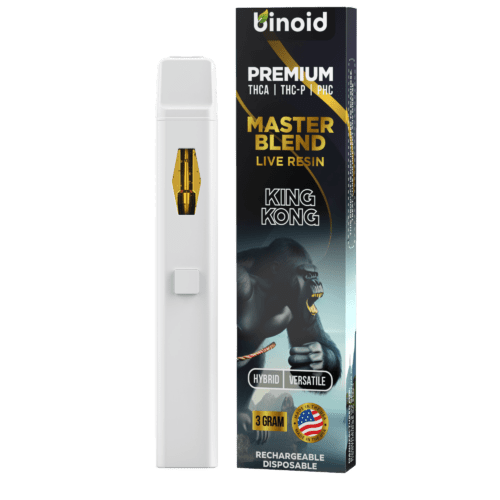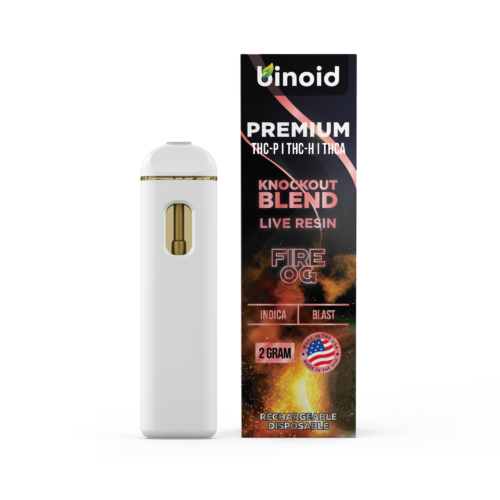
The Device Beneath the Experience
There is a version of this conversation that gets reduced to a single bar-stool debate: disposable or rechargeable? Toss it or charge it? And if you have spent any time in the hemp-derived cannabinoid space, you have probably heard the shorthand answers disposables are for beginners, rechargeables are for connoisseurs, or conversely, disposables are more convenient and convenience is king. Neither of these framings is wrong exactly, but both of them are aggressively incomplete. The hardware through which you consume THC is not a trivial accessory.
It is the final stage of a long, sophisticated chain cultivation, extraction, formulation, filling and the device you choose to terminate that chain shapes the quality, consistency, and character of everything the formulator intended you to experience. Choosing between a THC disposable and a rechargeable vape without understanding what each device architecture actually does to your experience is a bit like selecting a wine glass based on which one holds more liquid. The answer might be technically correct and experientially irrelevant.
What follows is an attempt to have that conversation with the seriousness it deserves: the molecular realities of vaporization, the engineering differences between device categories, the lifestyle variables that actually determine which format serves you best, and the standard of product quality anchored in Binoid CBD’s disposable and cartridge lineup that any hardware decision should be built around.
To Buy THC Disposable Vapes Click Here
Recommended products
-
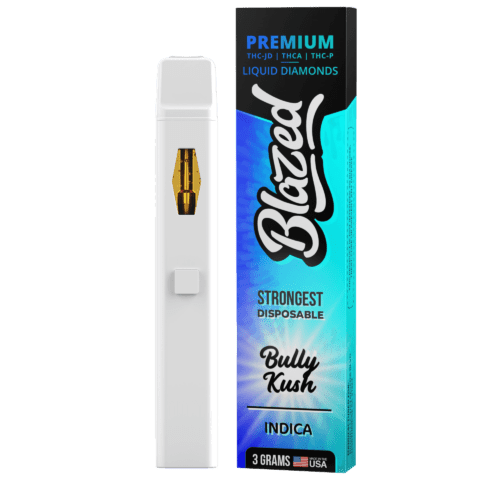
THCA + Delta 9P 3 Gram Disposable – Blazed
$37.99$69.99 -
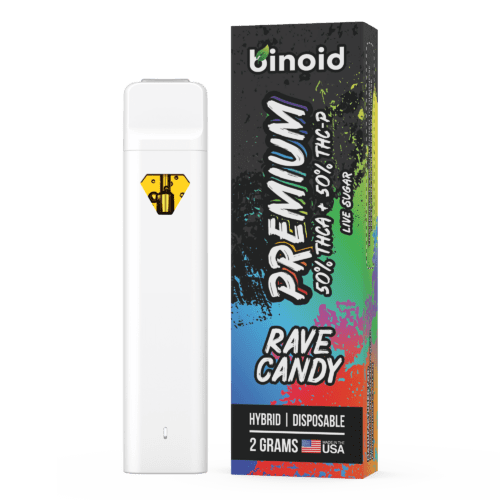
Live Sugar THCA + THC-P Disposable Vape – Pure 50/50
$39.99$69.99 -
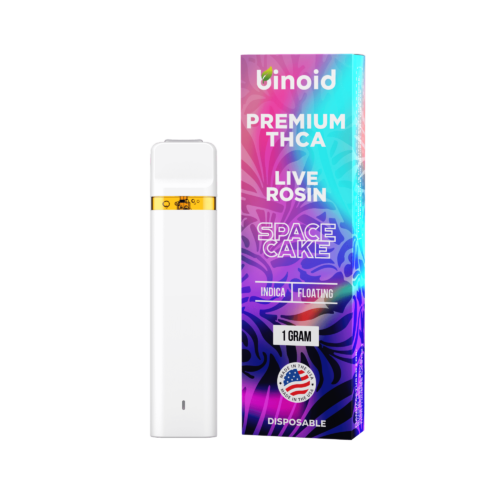
1 Gram THCA Disposable Vapes – Live Rosin
$32.99$67.99 -
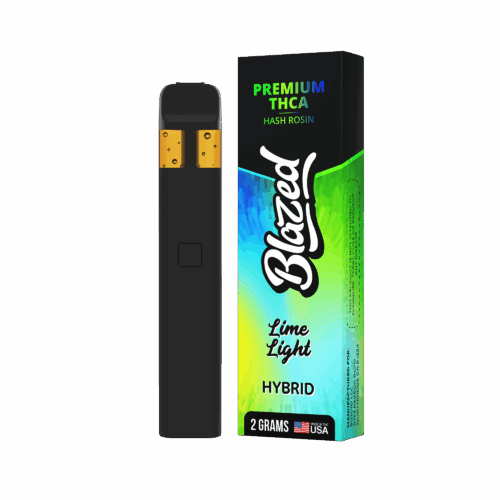
2 Gram THCA Disposable Hash Rosin – Blazed
$37.99$59.99
The Vaporization Chain: What’s Actually Happening Inside the Device
Before you can meaningfully compare a THC disposable vape to a rechargeable vape cartridge setup, it helps enormously to understand what both devices are attempting to accomplish at a molecular level. Cannabis distillate the concentrated, refined extract that fills most commercial vape products is a viscous, thermally sensitive liquid whose experiential character depends on being heated to a specific temperature range: hot enough to vaporize the cannabinoids and volatile terpene compounds, cool enough to avoid combusting them into the carcinogenic byproducts of open-flame consumption.
The sweet spot, roughly between 315°F and 450°F depending on the specific compounds being targeted, is where a great vape lives. Below it, you get underperforming pulls with diminished effect. Above it, you get harsh, degraded vapor that strips the terpene expression and delivers an experience that tastes less like a thoughtfully formulated product and more like a chemistry experiment gone wrong.
The heating element typically ceramic or quartz-core in premium products — is what sits at the heart of every device decision. Ceramic coil technology, which dominates the high-end segment of both disposable and cartridge formats, is prized for its ability to distribute heat evenly across the wicking surface, producing consistent vapor density from first pull to last and preserving the terpene profile that gives a cultivar its distinctive aromatic identity.
The airflow architecture of the device, the resistance of the heating element, the battery voltage regulating how much power reaches that element, and the viscosity of the specific distillate formulation all interact in a system where any weak link degrades the output. Understanding this chain makes the disposable-versus-rechargeable question considerably more interesting, because each device category makes different engineering trade-offs within that system and those trade-offs have real consequences for your experience.
The Case for THC Disposables: Engineering Convenience Into Quality
The disposable vape has undergone a transformation so thorough in the past several years that the category is barely recognizable to anyone whose reference point is the early generation of thin, leaky, plasticky units that gave the format a middling reputation. Today’s premium THC disposables are self-contained engineering achievements: purpose-built battery systems calibrated specifically for the viscosity and thermal requirements of the distillate they house, pre-filled by manufacturers who control the entire fill process in-house rather than outsourcing to a generic co-packer, and designed with airflow geometries that have been iterated on across thousands of production runs. Binoid CBD’s disposable lineup represents this evolved standard in concrete form devices that arrive pre-charged, pre-filled with lab-verified distillate, and ready to deliver a consistent, terpene-forward experience without requiring the consumer to assemble, calibrate, or maintain anything.
The engineering elegance of a well-designed disposable is that it eliminates variables. The battery voltage is matched to the heating element’s resistance and the distillate’s viscosity at the factory level, meaning the thermal equation that determines vapor quality has already been solved before the device reaches your hands. There is no user-adjustable wattage to miscalibrate, no threading to cross, no compatibility question between cart and battery. For consumers who have had the experience of a beautifully formulated cartridge underperforming because of a mismatched or degraded battery, the appeal of this closed system is not merely about convenience it is about removing a genuine source of quality variance from the consumption equation. Binoid CBD’s disposables, available across an extensive range of cannabinoid profiles and terpene-forward strain expressions, are formulated and filled as complete systems, and the experience reflects that integration.
The practical lifestyle advantages compound this engineering argument considerably. A THC disposable requires no charging cable, no separate battery purchase, no case to carry hardware components in, and no moment of battery-induced anxiety when you reach for your device and find it unresponsive. It fits in a pocket, travels without complication, and introduces no friction between the moment you want a pull and the moment you take one. For the consumer whose relationship with THC vaping is social, spontaneous, or situational the outdoor concert, the weekend trip, the casual evening that doesn’t require a full kit the disposable delivers exactly the frictionless accessibility that the format promises.
Recommended products
-
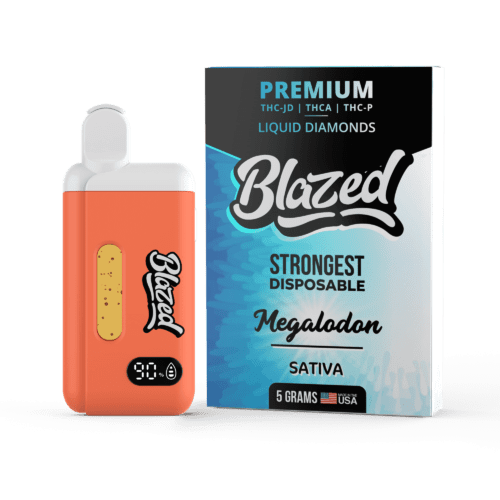
5 Gram Disposable – Blazed
$51.99$79.99 -
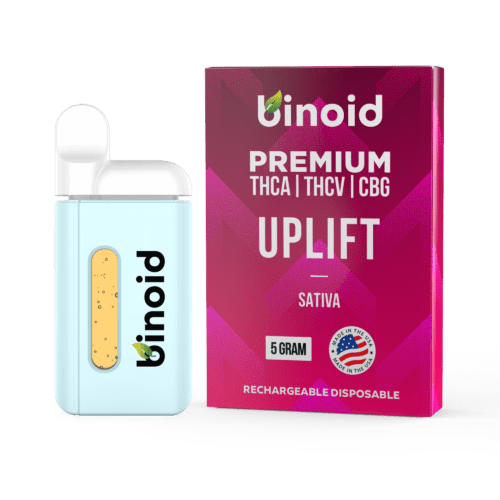
THCV 5 Gram Disposable Vape – Uplift/Unwind
$53.99$69.99 -
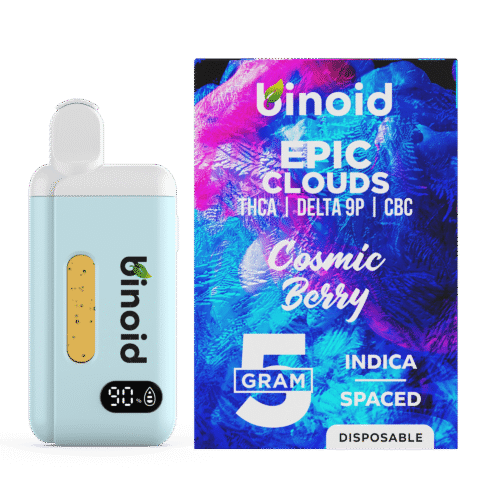
Epic Clouds 5 Gram Disposable Vape – Cosmic Berry
$53.99$87.99 -
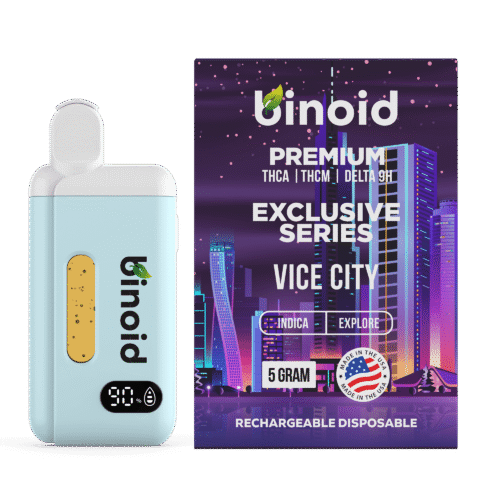
Exclusive Series 5 Gram Disposable Vape – Vice City
$55.99$89.99
The Case for Rechargeable Vape Cartridges: Precision, Economy, and the Connoisseur’s Preference
The argument for a rechargeable vape setup a dedicated battery paired with interchangeable THC cartridges is, at its core, an argument for control and economy at scale. A quality 510-thread battery, which is the industry-standard connector type used by the vast majority of premium vape cartridges including Binoid CBD’s full cartridge lineup, is a one-time investment that depreciates gracefully across dozens of cartridge cycles. When you factor the per-gram cost of distillate across the full lifespan of a rechargeable battery system versus the comparative cost of an equivalent volume of distillate in disposable format, the math reliably favors the rechargeable setup for consumers who vape with any regularity. This is not a minor efficiency it is a meaningful difference in the economics of premium consumption over time, and it rewards exactly the kind of committed, intentional consumer that Binoid CBD’s cartridge formulations are designed for.
The control dimension is where the rechargeable vape makes its most compelling argument for the serious enthusiast. Premium 510-thread batteries the kind that pair most effectively with Binoid CBD’s cartridge offerings typically offer variable voltage settings that allow the consumer to tune their vaporization temperature to the specific product in the cartridge. A live resin-infused cartridge, with its elevated terpene load and more complex volatile compound profile, rewards a lower temperature setting that preserves those aromatics rather than combusting them prematurely.
A high-potency distillate with a denser viscosity might perform better at a slightly elevated voltage that ensures thorough, consistent vaporization without pooling at the wick. The ability to make these adjustments transforms the cartridge-and-battery system from a delivery mechanism into something closer to an instrument one that the experienced consumer learns to play with increasing refinement as their understanding of the distillate’s specific characteristics deepens.
Binoid CBD’s cartridge catalog spanning Delta-8, Delta-9, THC-P, THC-H, live resin, and a range of multi-cannabinoid blended formulations is built around the understanding that the cartridge is the canvas and the battery is the brush. The distillates are formulated, third-party tested, and filled with the specificity of a brand that treats vape hardware as an integral component of the product experience rather than a generic vessel. This orientation is most fully realized in a rechargeable setup where the consumer can engage with that specificity rather than accepting the fixed parameters of a sealed disposable system.
The Terpene Factor: How Your Device Choice Affects What You Taste
No discussion of the THC disposable vs rechargeable vape decision is complete without a direct engagement with terpenes the volatile aromatic compounds that give cannabis its extraordinary diversity of flavor and character, and the most thermally fragile components of any vape formulation. Terpenes begin degrading at relatively modest temperatures, which means that the thermal management profile of your device has an outsized effect on the aromatic experience your distillate was designed to deliver. Myrcene, linalool, limonene, beta-caryophyllene each has its own volatilization window, its own peak expression temperature, and its own degradation threshold above which the compound transforms from an asset into a bitter, acrid note that muddies the entire profile.
Premium disposables from brands like Binoid CBD are engineered with this sensitivity in mind the battery output and coil resistance are pre-calibrated to protect the terpene profile of the specific formulation housed inside the device. Binoid’s live resin disposables represent perhaps the most demanding test of this engineering, because live resin extract derived from fresh-frozen rather than dried-and-cured plant material carries a terpene concentration significantly higher than standard distillate, making thermal precision even more consequential.
The fact that Binoid’s live resin disposables consistently deliver the full aromatic complexity that the extraction process preserved is a testament to the quality of the fill-and-seal operation, not an accident. On the rechargeable side, the same principle applies with the added variable of user control: a consumer who has learned that their preferred live resin cartridge expresses best at the lowest voltage setting of their variable-output battery is engaging with terpene science in real time, tuning their device to the chemistry of the product with the intentionality of a sommelier managing serving temperature.
Recommended products
-
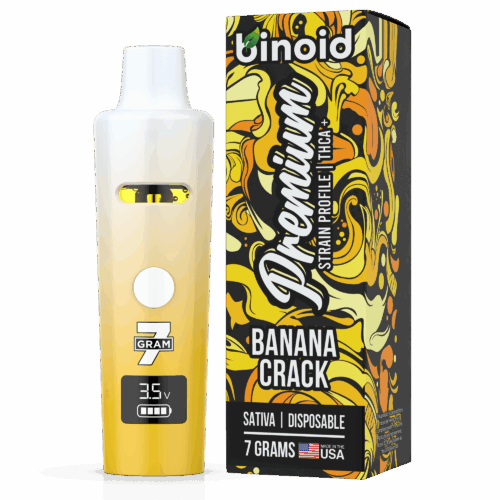
Strain Series 7 Gram Disposable Vape
$63.99$109.99 -
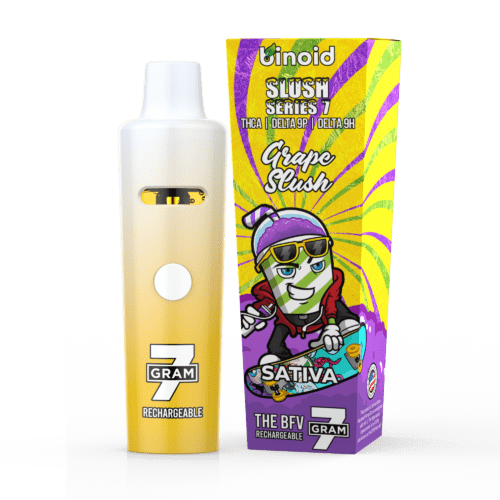
Slush Series 7 Gram THCA Disposable Vape – Grape Slush
$59.99$109.99 -
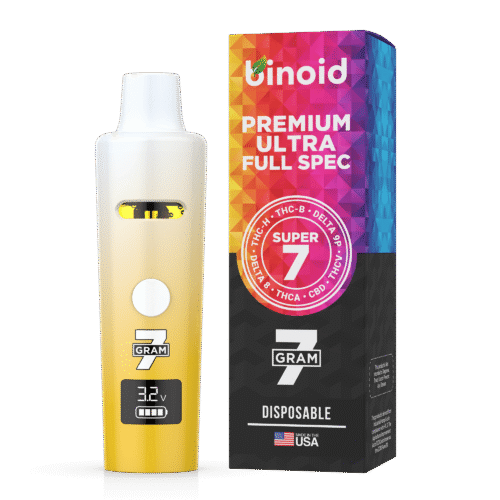
Super 7 UFS Disposable Vape – 7 Gram
$63.99$89.99 -
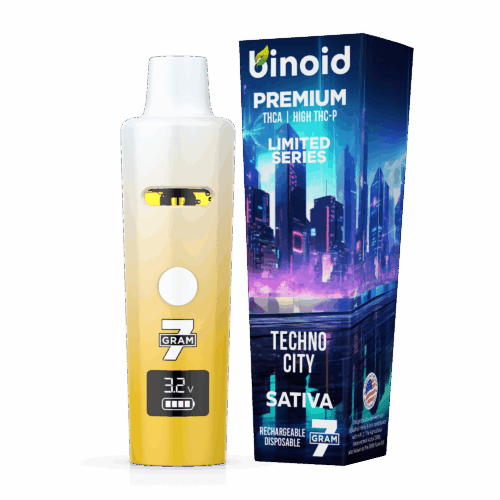
7 Gram THCA + High THC-P Disposable Vape – Limited Series
$67.99$109.99
Potency, Dosing, and the Variable That Hardware Can’t Override
There is a point in the THC disposable vs rechargeable vape conversation where the hardware discussion must yield to something more fundamental: the quality and potency of the distillate itself. The best device architecture in the world cannot improve a poorly formulated, under-tested, or mislabeled distillate. Conversely, a genuinely excellent formulation precisely dosed, third-party verified, derived from domestically sourced hemp and processed through a supercritical CO2 or high-purity extraction pathway will reward competent hardware rather than demanding extraordinary hardware to perform adequately. This is why the sourcing and formulation standards of your chosen brand matter more than any single hardware decision you will make.
Binoid CBD‘s approach to distillate quality, reflected across both their disposable and cartridge formats at Binoidcbd.com, begins with ISO 17025-accredited third-party laboratory testing that produces batch-specific certificates of analysis covering cannabinoid potency, terpene profiling, residual solvents, heavy metals, and microbiological safety. These documents are not marketing materials they are the molecular biography of each product, verifiable by the consumer before purchase and traceable to the specific production batch in hand. Whether you are choosing a disposable for travel convenience or a cartridge for your variable-voltage battery, the foundation of the experience is the same: a distillate that has been verified to contain what its label claims, free of the adulterants and manufacturing impurities that compromise a significant portion of the unverified market.
The Decision Framework: Matching Device Architecture to Consumption Identity
The question of which THC vape you should buy ultimately resolves into a question about your consumption identity the specific intersection of lifestyle, experience level, frequency, and experiential priorities that defines what you actually need from a device rather than what the format’s marketing suggests you should want. The consumer who vapes occasionally, values spontaneity, travels frequently, and prefers a zero-friction consumption experience that requires no maintenance or battery management has a straightforward answer: Binoid CBD’s disposable lineup offers the cleanest, most fully realized version of that experience available in the hemp-derived cannabinoid market. The experience is self-contained, the quality is verified, and the only variable left in the equation is which formulation and cannabinoid profile best matches your intended experience.
The consumer who vapes regularly, has developed specific preferences around cannabinoid profiles and terpene expression, values the economics of a reusable battery system, and finds genuine satisfaction in the ability to tune their device to the specific distillate in the cartridge has an equally clear answer in Binoid CBD’s vape cartridge catalog a formulation range broad and sophisticated enough to reward the committed enthusiast across dozens of sessions without repetition or compromise.
For many consumers, the honest answer is not either-or but both: a premium Binoid CBD disposable as the travel-and-spontaneity solution, and a curated cartridge-and-battery setup as the at-home, deliberate-consumption standard. This is not indecision. It is the recognition that different consumption contexts make genuinely different demands on your hardware, and that a brand with the catalog depth and formulation sophistication of Binoid CBD is one of the few in this market capable of serving both contexts at the same level of excellence. The molecule is what matters. The device is how you meet it. Choose both with the intelligence the experience deserves.