There is a particular kind of impatience that afflicts even the most seasoned cannabis consumer: the forty-five minutes after swallowing a gummy when nothing seems to be happening, followed by the inevitable second thought did I take enough? should I take another? — that has derailed more evenings than anyone in the industry likes to admit.
What almost nobody explains clearly, on packaging or anywhere else, is that the contents of your stomach at the moment you eat that gummy may matter more to your experience than the milligram count printed on the label. This is not a minor footnote. It is one of the most consequential and least discussed variables in the entire edibles category, and understanding it transforms THC gummies from an unpredictable gamble into a genuinely controllable experience.
To Buy THC Gummies Click Here
Recommended products
-
14,000MG Turbo THC Gummies – Blazed
$49.99$84.99 -
13,000mg Good Luck Gummies
$47.99$79.99 -
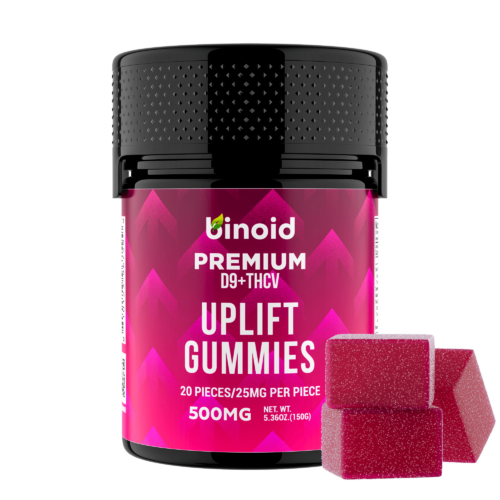
Delta 9 +THCV Gummies- Uplift/Unwind
$29.99$49.99 -
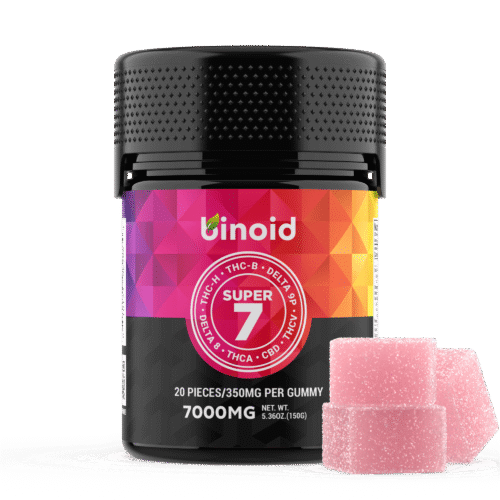
Super 7 Gummies – 7000MG
$39.97$59.99

Why Edibles Are Different From Every Other Consumption Method
To understand why food changes everything, you first have to understand what makes edibles fundamentally different from vaping or smoking. When THC is inhaled, it crosses directly into the bloodstream through the lungs, bypassing the digestive system entirely and producing effects within minutes. When THC is swallowed in gummy form, it must survive an entirely different journey through the stomach, into the small intestine, absorbed into the bloodstream, and then routed directly to the liver before it ever reaches the brain. This liver detour is not a small technical detail.
It is the entire reason edibles feel different from every other format, and it is governed by a process called first-pass hepatic metabolism, in which liver enzymes convert a meaningful portion of the delta 9 THC you swallowed into 11-hydroxy-THC, a metabolite that crosses the blood-brain barrier more efficiently and produces the deeper, more body-centered intoxication that edible consumers often describe as heavier or more sedating than the vaporized experience.
The stomach and small intestine are, in effect, the gatekeepers of this entire process, and their state at the moment of ingestion determines how quickly and how completely that gate opens. An empty stomach empties itself into the small intestine relatively quickly, meaning the THC contained in your gummy reaches the absorption site sooner. A stomach that is actively digesting a large meal, by contrast, slows gastric emptying considerably, holding your gummy in a kind of digestive queue behind whatever else you consumed. This is not speculation — it is basic gastrointestinal physiology, the same mechanism that determines how quickly any orally administered compound, from a vitamin to a pharmaceutical, reaches systemic circulation.
The Fat Solubility Problem, Revisited
THC is a lipophilic molecule, meaning it is chemically inclined to dissolve in fat rather than water. This single property explains an enormous amount about how edibles behave in the body, and it is the reason that eating something fatty alongside or shortly before a THC gummy can meaningfully increase both the speed and completeness of absorption. When dietary fat is present in the digestive tract, the body produces bile to help emulsify and process it, and that same bile-mediated process helps shuttle fat-soluble compounds like THC across the intestinal wall more efficiently. This is why a THC gummy taken alongside a meal containing avocado, nuts, olive oil, or dairy will often produce a more pronounced and sometimes faster-arriving effect than the same gummy taken on a completely empty stomach with nothing else in the digestive tract to assist absorption.
This creates a genuinely useful, if underappreciated, piece of practical knowledge for anyone serious about calibrating their edible experience. Taking a gummy on a bone-dry empty stomach does not necessarily produce a faster high, in some cases, absorption is actually less efficient, because there is no dietary fat present to assist the process, even though gastric emptying itself is quicker. Taking a THC gummy immediately after a large, fatty meal introduces the opposite problem: absorption efficiency may be enhanced, but the sheer volume of food ahead of it in the digestive queue can delay onset substantially, sometimes pushing the experience out past the ninety-minute mark that has frustrated generations of edible consumers who assumed something had gone wrong.
The sweet spot that most experienced consumers gravitate toward, whether they can articulate the underlying chemistry or not, is a light-to-moderate meal containing some fat, consumed thirty to sixty minutes before the gummy itself, enough dietary fat present to support absorption, without enough total food volume to meaningfully delay gastric emptying.
Recommended products
-
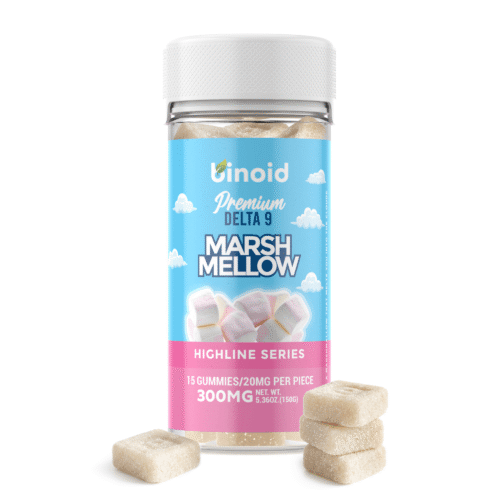
Delta 9 THC Marshmellow
$39.99$49.99 -
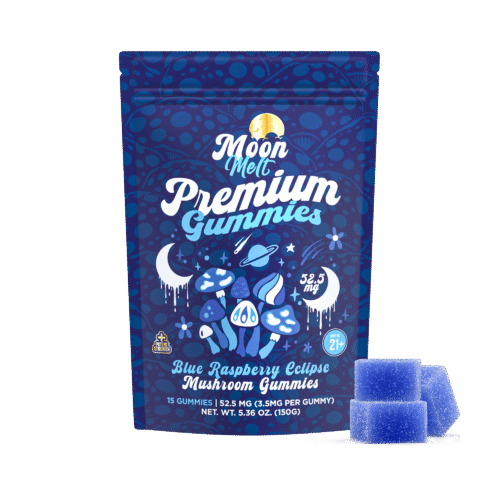
Visual Gummies – Moon Melt
$43.99$59.99 -
5000MG Gummies – Blazed
$29.99$69.99 -
Super 7 Gummies – Summer Slush Series
$37.99$49.99

Mapping the Onset Curve Across Different Eating Scenarios
Consider the empty-stomach scenario first, because it is the one most commonly chosen by consumers who mistakenly believe that fasting will accelerate their experience. On a truly empty stomach, gastric emptying happens relatively fast, so the gummy reaches the small intestine sooner than it would after a meal. However, without dietary fat present to aid emulsification, a smaller percentage of the total THC gummy dose may actually cross into the bloodstream, meaning some consumers report a faster but somewhat blunted onset the experience arrives on schedule but doesn’t hit with the intensity the milligram count would suggest. This scenario is also the one most associated with digestive discomfort, since concentrated cannabinoid compounds hitting an empty stomach can occasionally produce mild nausea in sensitive individuals, particularly at higher doses.
The light-meal scenario represents what most formulators and experienced consumers consider the ideal middle ground. A meal that includes some healthy fat a handful of nuts, a piece of avocado toast, a small serving of yogurt primes the digestive system for efficient fat-soluble compound absorption without introducing enough total volume to create a significant gastric emptying delay. Consumers operating in this scenario tend to report the most predictable onset windows, typically in the forty-five-to-seventy-five-minute range, with an intensity that most closely tracks the labeled dose. This is the scenario worth deliberately engineering if consistency and predictability matter to you, which, if you are titrating a specific dose for a specific occasion, they almost certainly should.
The heavy-meal scenario is the one that produces the most confusion and the most unnecessary redosing. A large meal particularly one heavy in fat, protein, and overall volume can push gastric emptying out considerably, sometimes delaying the arrival of your gummy’s payload in the small intestine by an hour or more beyond what you’d experience on a lighter stomach.
This is the classic setup for the frustrated consumer who takes a gummy, feels nothing after forty-five minutes, takes a second gummy assuming the first was a dud, and then experiences the combined effect of both doses arriving in a delayed, overlapping wave that is considerably more intense than intended. This single scenario more than any other factor in the edibles category, is responsible for the uncomfortable overconsumption experiences that give THC gummies an undeserved reputation for unpredictability.
Building a Delibrate Dosing Protocol Around Food Timing
Once you understand the mechanics at play, calibrating your THC gummy experience around food timing becomes a straightforward exercise in intentionality rather than guesswork. The consumer who wants a faster, more predictable onset should aim to consume their gummy alongside or shortly after a small snack containing some fat a few almonds, a spoonful of nut butter, a small piece of cheese rather than on a genuinely empty stomach or after a full dinner. This single adjustment, requiring no special equipment or advanced planning, can meaningfully tighten the onset window and reduce the temptation to redose prematurely, which is itself one of the most common sources of an uncomfortably strong experience.
Patience is the second pillar of any responsible protocol, and it deserves to be stated plainly because it is so often ignored in the moment. The standard guidance to wait a minimum of two hours before considering a second dose exists precisely because food-dependent variability in onset time makes it genuinely difficult to know, at the forty-five-minute mark, whether your gummy simply hasn’t kicked in yet or whether the dose was insufficient. Consumers who have taken the time to understand their own digestive patterns whether they tend to run toward faster or slower gastric emptying, whether they typically eat before consuming are in a considerably stronger position to interpret what they’re feeling at any given point in the timeline, and to resist the redosing impulse that food-timing confusion so often produces.
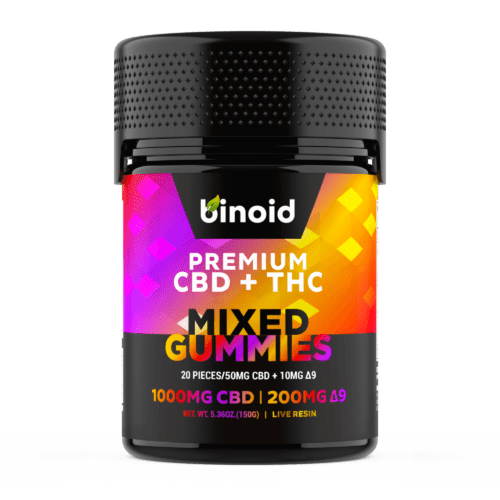
Quality of formulation matters here as well, and it is worth acknowledging that not all gummies are engineered identically. The THC gummies available through Binoid CBD are formulated with attention to this exact variability, using distillate and dosing methodologies designed to produce as consistent an experience as the underlying biology of digestion allows. A well-formulated gummy from a brand that takes its manufacturing process seriously will still be subject to the fundamental rules of gastric emptying and first-pass metabolism — no formulation can override human digestive physiology — but consistency in dose accuracy from gummy to gummy, verified through the batch-specific certificate of analysis documentation that BinoidCBD.com publishes for its full gummy lineup, removes at least one major variable from an equation that already has enough of them.
Recommended products
-
The BFG w/Candy Dots – 3000mg Largest Legal Gummy
$129.99$239.99 -
Mushroom Gummies – Microdose
$37.99$49.99 -
The BFG – 3000mg Delta 9 THC Gummy
$128.99$239.99 -
Delta 9 THC Gummies
$30.99$54.99
Special Considerations: Sensitive Stomachs, Tolerance, and Individual Variability
It would be incomplete to discuss food and THC gummy onset without acknowledging that individual digestive physiology varies considerably from person to person, and that the general principles outlined here represent tendencies rather than guarantees. Some individuals have naturally faster gastric emptying regardless of what they’ve eaten, and will tend toward quicker onset across nearly every scenario. Others process food more slowly as a matter of individual physiology, unrelated to anything about the cannabis product itself, and will experience longer onset windows even under ideal fed conditions. Metabolic factors, hydration status, and even stress levels at the time of consumption can all nudge the onset curve in one direction or another, which is why the two-hour patience rule exists as a categorical safety net rather than a mere suggestion.
Tolerance also interacts with this picture in ways worth understanding. A highly tolerant consumer may not notice the food-timing effect as distinctly, because their overall sensitivity to a given dose is already blunted by regular use, while a newer or lower-tolerance consumer may find that food timing produces dramatically different subjective experiences from one occasion to the next. This is precisely why experienced formulators and knowledgeable retailers emphasize starting low and going slow, particularly for anyone still learning how their own body responds to the interplay between digestion and cannabinoid absorption — a piece of guidance that applies with particular force to edibles, given how much longer and more variable their onset can be compared to inhaled formats.
The Decision Framework: Eating With Intention
The consumer who walks away from this conversation with one actionable habit should walk away with this: treat the timing and composition of your last meal as a genuine dosing variable, not an afterthought. A small, fat-containing snack thirty to sixty minutes before your gummy sets you up for a more predictable, more efficient absorption window. A completely empty stomach trades predictability for a potentially blunted effect and occasional digestive discomfort. A large, heavy meal trades intensity for a longer and more uncertain wait — one that has led more consumers than anyone would guess into an unintentional double dose.
None of this replaces the foundational responsibility of choosing a gummy whose potency and cannabinoid content you can actually trust, which is where sourcing becomes inseparable from the food-timing conversation. A dosing protocol built around meal timing only works if the milligram count on the label reflects what’s actually in the gummy, batch after batch — which is exactly the standard that Binoid CBD has built its edibles program around, with accessible, batch-specific lab documentation that lets the deliberate consumer calibrate with genuine confidence rather than hope. Understanding your stomach is half the equation. Trusting your source is the other half. Together, they turn what has historically been the most unpredictable format in cannabis into one of the most controllable — provided you’re willing to eat with the same intentionality you already bring to everything else about the experience.
To Buy THC Gummies Click Here
Recommended products
-
Strain Gummies
$37.99$49.99 -
Beast Mode Blend Gummies
$32.99$59.99 -
Power 9 Blend Gummies
$36.99$59.99 -
Knockout Blend Gummies
$34.99$59.99