If you’ve spent even a fleeting moment within the modern cannabis landscape, you have likely encountered the ubiquitous terminology of the “head high” versus the “body high.” These phrases are the linguistic currency of the cannabis culture evolution, serving as shorthand for the wildly different emotional and physical states that a single plant species can induce.
You might hear a friend rhapsodize about a strain that sparked a three-hour deep dive into a new creative project, leaving them feeling electric and mentally agile. Conversely, you might hear of another that acted as a gentle, heavy blanket, effectively anchoring them to their sofa while the world’s stressors simply evaporated. These descriptions aren’t just stoner lore; they are the experiential manifestations of complex molecular chemistry.
But what is actually happening when we distinguish between these two states? Is a head high truly separate from a body high, or are they merely different points on the same sensory map? Why does one hit of a particular extract feel like a shot of espresso for the imagination, while another feels like a warm bath for the nervous system?
The answers lie in a sophisticated interplay of hemp derived cannabinoids, aromatic terpenes, individual biology, and the emerging science of the entourage effect. Understanding this divide is the key to mastering your own experience, transitioning from a passive consumer to an intentional explorer of the modern botanical frontier.
To Buy Cannabinoid Products Click Here
Recommended products
-
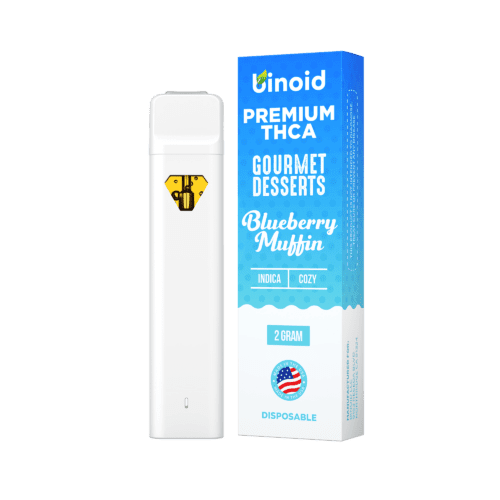
THCA Disposable 2 Gram – Gourmet Desserts
$37.99$73.00 -
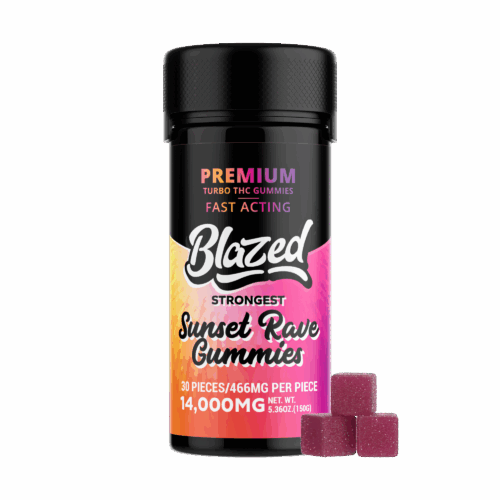
14,000MG Turbo THC Gummies – Blazed
$49.99$84.99 -
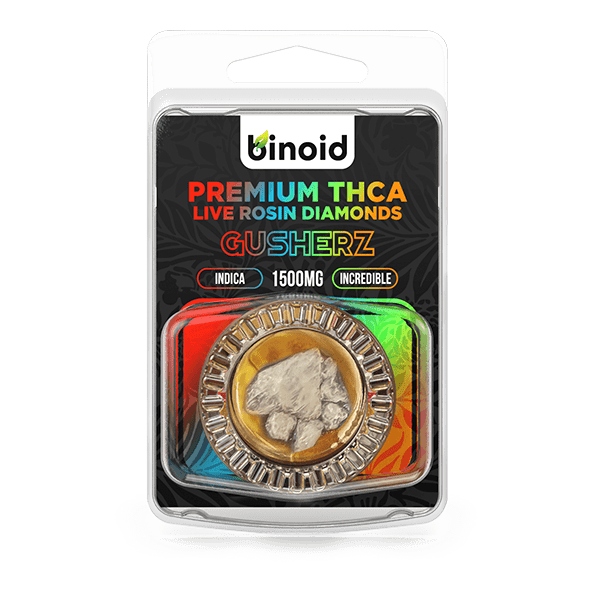
THCA Diamonds 1500mg – Live Rosin
$30.99$59.99 -
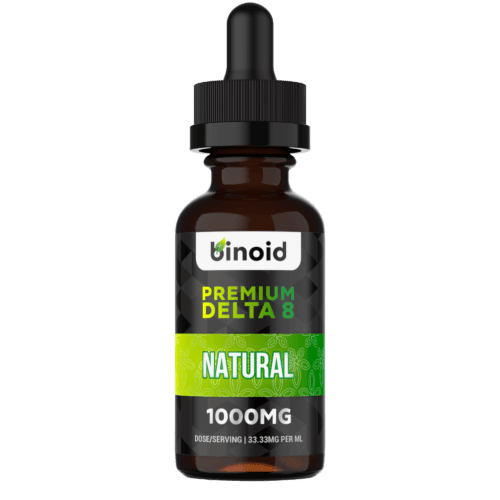
Delta 8 THC Tincture (1000mg, 2500mg, 5000mg)
$25.99$44.99
The Mental Architecture of the Head High
When people speak of a head high, they are describing a cerebral, often euphoric transition in consciousness. This experience is primarily characterized by a shift in mood, thought patterns, and sensory perception. Instead of feeling physically heavy, the user often feels “lifted.” It is a state of mental buoyancy where ideas seem to connect more fluidly, colors may appear more vibrant, and the internal monologue becomes more adventurous. This is the realm of the socialite, the artist, and the weekend hiker. It is a high that invites engagement with the world rather than withdrawal from it.
In the context of the cannabis culture evolution, the head high has become synonymous with the “active” lifestyle. It is the fuel for long conversations, the companion for a complex video game, or the spark for a brainstorming session. While the traditional “Sativa” label was once the only way to find this feeling, we now understand that the cerebral experience is a curated result of specific chemical profiles. It is a high that resides in the forehead and the crown, often accompanied by a sense of “pressure” or “focus” that sharpens the edges of reality rather than softening them.
Navigating the Deep Relaxation of the Body High
On the opposite end of the sensory spectrum lies the body high a sensation that is often described as physical, grounding, and profoundly soothing. If the head high is an ascent, the body high is a descent into comfort. Users typically report a feeling of warmth spreading through the limbs, a noticeable release of muscle tension, and a general sense of physical tranquility. This is the state where the body feels “heavy” in the best possible way, as if the volume of physical discomfort has been turned down to zero.
The body high is the ultimate tool for decompression. It is the state most closely associated with the classic “couch lock” or evening wind-down. In this state, the limbs might feel like they are vibrating at a lower, more resonant frequency. For many, this is the primary goal of their cannabis use: a physical reboot that allows the nervous system to switch from “fight or flight” to “rest and digest.” While the mind remains calm and often pleasantly hazy, the star of the show is the physical relief, making it the preferred choice for those looking to offset a day of hard labor or intense athletic training.
Molecular Steering: How Chemistry Dictates the Vibe
The reason one plant can produce such divergent effects is found in its intricate chemical makeup. Cannabis and hemp plants are far more than just THC delivery systems; they are complex chemical factories producing over a hundred different cannabinoids and a vast array of terpenes. The unique ratio of these compounds in any given strain acts as a biological “program” for your endocannabinoid system. This synergy is known as the entourage effect, a theory suggesting that the sum of the plant’s parts is far more influential than any single molecule in isolation.
When you consume hemp derived cannabinoids, you are engaging with a cocktail of compounds that work in concert. A strain that produces a head high isn’t just “high THC”; it is often high THC combined with specific “upper” terpenes and perhaps minor cannabinoids like THCV or CBG. Conversely, a body high is often the result of THC working alongside sedative compounds like CBD, CBN, and heavy, earthy terpenes. The chemistry steers the experience, determining whether the cannabinoids primarily target the CB1 receptors in the brain or exert a more pervasive influence on the nervous system throughout the body.
The THCA Engine: Powering the Modern High
While many focus on the end result, the starting material is crucial. In the contemporary market, THCA products have become a focal point for those seeking premium, high-fidelity experiences. THCA, or tetrahydrocannabinolic acid, is the raw, non-psychoactive form of THC found in the living plant. When subjected to heat a process known as decarboxylation it converts into Delta-9 THC. This conversion is the “spark” that initiates either a head high or a body high.
High-quality THCA flower and concentrates from Binoid CBD provide a potent canvas for these experiences. Because these products are often crafted to preserve the plant’s original terpene profile, the resulting high is more nuanced and “complete” than what you might find with isolated THC distillates. The THCA acts as the engine, providing the necessary horsepower for the experience, but it is the accompanying plant matter that determines whether that power is channeled into a mental marathon or a physical siesta.
Terpenes: The Aromatherapy of Cannabis Effects
If cannabinoids are the fuel, terpenes are the steering wheel. These aromatic oils are what give different strains their distinct smells ranging from bright lemon to deep skunk but their physiological impact is profound. Terpenes like Limonene and Pinene are the primary architects of the head high. Limonene, with its citrusy scent, is associated with elevated mood and stress relief, while Pinene can promote alertness and memory retention. When these are dominant, the high is almost always cerebral and energizing.
On the flip side, terpenes like Myrcene and Linalool are the heavy hitters of the body high. Myrcene, which smells of earth and cloves, is famous for its “sedative” qualities and its ability to help THC cross the blood-brain barrier more effectively, often leading to a more intense physical experience. Linalool, the same compound found in lavender, is deeply calming for both the mind and the muscles. By paying attention to these profiles, users can move beyond the “Indica vs. Sativa” guesswork and start selecting products based on the specific sensory architecture they desire.
Recommended products
-
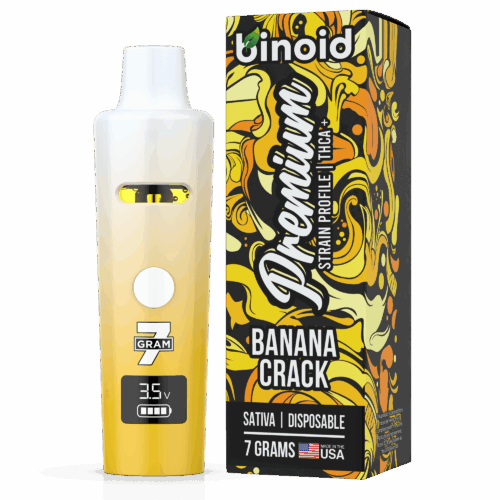
Strain Series 7 Gram Disposable Vape
$63.99$109.99 -
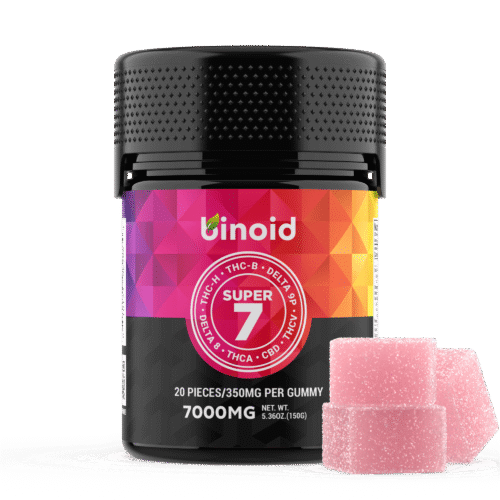
Super 7 Gummies – 7000MG
$39.97$59.99 -
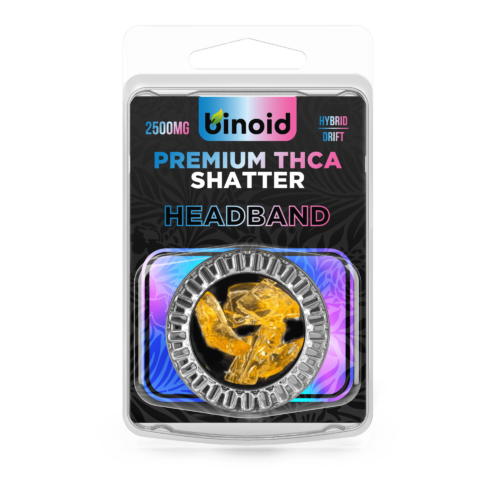
THCA Shatter – 2500mg
$37.99$59.99 -
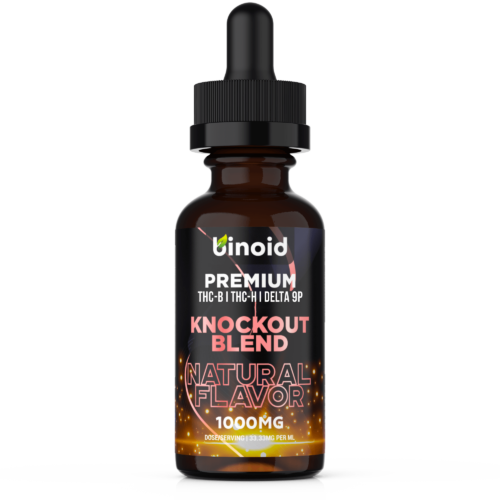
Knockout Blend Tincture – 1000mg
$34.99$59.99
Minor Cannabinoids and the Nuance of Effect
Beyond the “big two” of THC and CBD, the cannabis culture evolution has brought minor cannabinoids into the spotlight. Compounds like CBG (Cannabigerol) are often found in strains that provide a clear-headed, “functional” high, while CBN (Cannabinol) is the result of aged THC and is notoriously sedative, contributing heavily to the body high and the “sleepy” feeling of older cannabis.
Modern formulations, such as those found at Binoid CBD, often leverage these minor cannabinoids to “tune” the experience. By introducing specific ratios of HHC, Delta 8, or THCp alongside traditional cannabinoids, manufacturers can create a more predictable and targeted effect. This allows for the creation of “daytime” blends that maximize the head high while minimizing physical lethargy, or “nighttime” blends that lean heavily into the body-melt sensation without causing mental racing or anxiety.
The Impact of Delivery: Smoke, Vapor, and Digestion
The method by which you introduce hemp derived cannabinoids into your system fundamentally changes the nature of the high. When you smoke or vape, the cannabinoids enter the bloodstream through the lungs and hit the brain almost instantly. This rapid onset typically emphasizes the head high initially, as the psychoactive compounds reach the brain’s receptors at peak concentration. The experience is punchy, immediate, and allows for “titration” the ability to take one hit at a time until you reach the perfect level of elevation.
Edibles, however, play by an entirely different set of biological rules. When you ingest a THC gummy, the delta-9 THC is processed by the liver and converted into 11-hydroxy-THC. This metabolite is significantly more potent and has a much stronger affinity for the receptors in the body. This is why edibles are almost universally described as providing a “heavy body high.” The onset is slow, but the duration and physical immersion are much deeper. Even a strain that might provide a head high when smoked can transform into a profound body melt when processed through the digestive system.
The Tolerance Factor and Individual Bio-Individualty
One of the most fascinating aspects of the head vs. body high debate is that it is entirely subjective. Your endocannabinoid system (ECS) is as unique as your DNA. Your current receptor density, your metabolism, and even your recent diet can influence how a strain hits you. This is where personal tolerance becomes a major factor. A seasoned consumer might find that a heavy Indica-leaning hybrid provides a pleasant “balanced” high, while a novice might find the same dose leads to an overwhelming body lock.
Furthermore, the “set and setting” of your session can trick the brain. If you are at a high-energy concert, your brain is more likely to emphasize the cerebral, stimulating aspects of a high. If you are wrapped in a blanket in a dark room, your body is primed to sink into the physical sensations. The high is a dialogue between the chemistry of the plant and the current state of your own biology. This bio-individuality is why “experimentation” is such a cornerstone of the cannabis culture evolution; finding your “Goldilocks” strain requires a willingness to explore the spectrum.
The Hybrid Reality: Finding the Balanced State
While we love to categorize things into “A or B,” the reality of modern cannabis is that most experiences are hybrids. Most contemporary strains have been bred to provide a “well-rounded” high that touches both the mind and the body. These balanced highs are often the most popular because they offer a functional relaxation the ability to feel physically calm and “melted” while remaining mentally sharp enough to follow a movie plot or hold a conversation.
A balanced high is like the “center of the Venn diagram.” It provides the mood elevation and creative spark of the head high without the racy anxiety, and it offers the physical relief of the body high without the total loss of motivation. For many daily users, this is the sweet spot. It allows for a state of “flow” where the mind and body are in sync, neither one pulling too hard in either direction. This balance is often achieved through modern hemp derived cannabinoids blends that are specifically engineered for a 1:1 or “full-spectrum” experience.
Mastering Your Orbit: Choosing the Right Product
The ultimate goal of understanding the head high and body high divide is empowerment. We no longer live in a world where you have to take what you can get and hope for the best. By looking at the terpene profiles and cannabinoid ratios of products from leaders like Binoid CBD, you can choose your orbit with scientific precision. If you have a deadline and need to stay in your head, you can reach for a Limonene-heavy THCA vape. If you have a sore back and a long night of sleep ahead of you, you can opt for a Myrcene-rich edible.
This level of control is what defines the modern era of cannabis. It is a transition from “recreation” to “curation.” When you understand that a head high is a mental tool and a body high is a physical remedy, you can begin to use the plant as a sophisticated supplement for your lifestyle. The divide between the two is not a wall, but a spectrum, and you have the ability to slide the fader back and forth depending on what the moment requires.
The Future of Intentional Consumption
As we look forward, the distinction between head and body highs will only become more refined. We are moving toward a world where “Personalized Cannabis” is the norm where your DNA might be used to predict which THCA products will give you the perfect cerebral spark without the physical slump. The cannabis culture evolution is a journey toward deeper self-awareness and better chemistry.
Whether you are a philosopher looking for a mental expander or a tired worker looking for a physical sanctuary, the spectrum of the high is there to serve you. By paying attention to the terpenes, the cannabinoids, and your own body’s signals, you can turn every session into a high-fidelity experience. The plant is the instrument, but you are the conductor. Understanding the difference between the mind and the body is simply the first lesson in learning how to play.
To Buy Cannabinoid Products Click Here
Recommended products
-
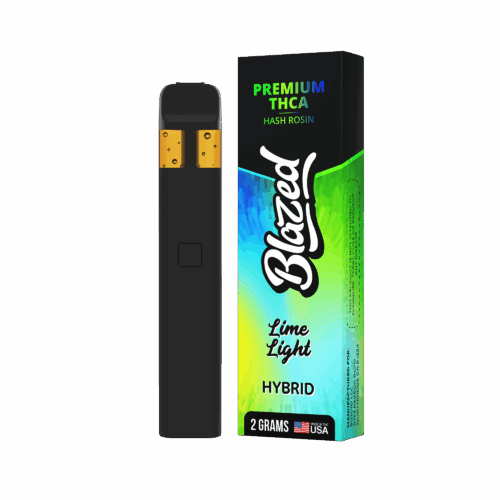
2 Gram THCA Disposable Hash Rosin – Blazed
$37.99$59.99 -
13,000mg Good Luck Gummies
$47.99$79.99 -
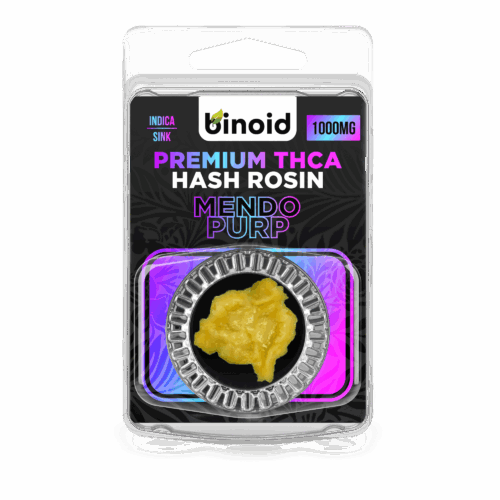
THCA Hash Rosin Dabs – 1000mg
$33.99$59.99 -
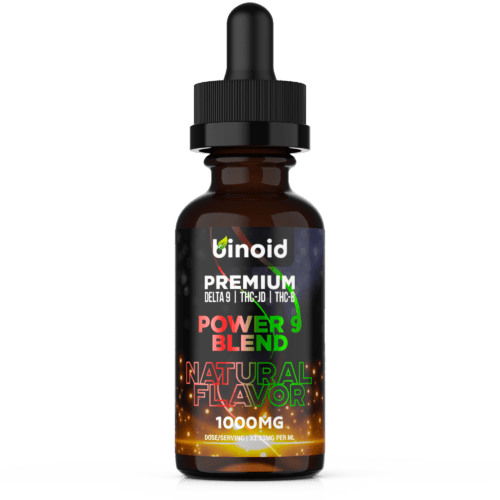
Power 9 Blend Tincture – 1000mg
$34.99$59.99