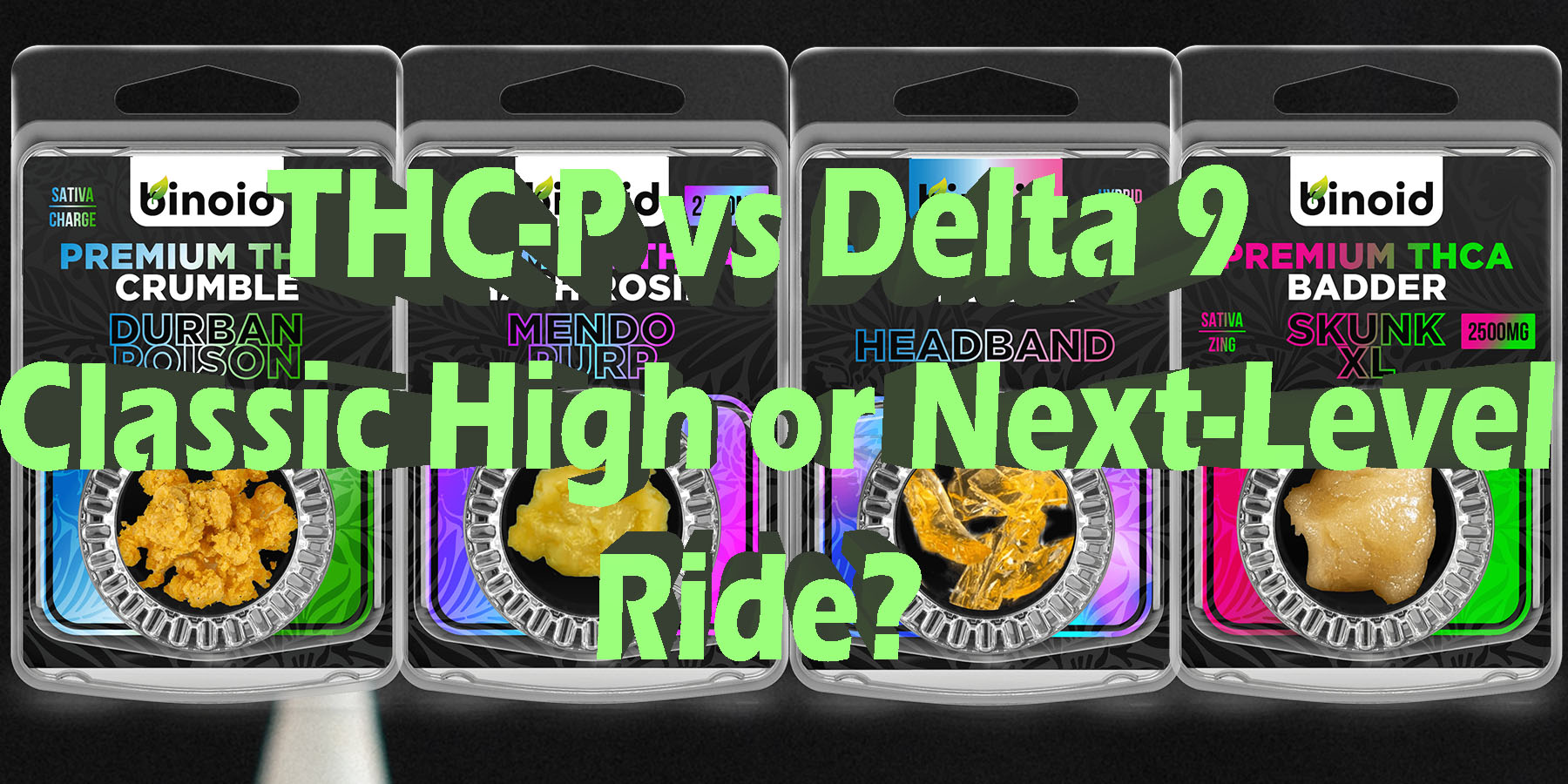
Cannabis Has Split Into Two Worlds—and Both Are Thriving
There’s a moment in every seasoned smoker’s journey where things stop being simple. What used to be a straightforward choice—just picking up some weed and lighting it—has evolved into something far more layered. Today, cannabis exists in two parallel worlds. One is rooted in tradition, defined by Delta 9 THC and the familiar high that has shaped cannabis culture for decades. The other is fueled by innovation, driven by hemp derived cannabinoids like THC-P that are rewriting expectations in real time. This shift isn’t subtle. It’s everywhere. You see it in product menus, in online storefronts, and especially in curated collections from brands like Binoid CBD. The range of options is no longer just about flower versus edibles. It’s about choosing a specific kind of high, tailored to how intense, how long-lasting, and how immersive you want the experience to be.
At the center of this evolution is the growing comparison between THC-P and Delta 9. On paper, they might seem closely related. In practice, they feel like completely different experiences. One is the gold standard, the foundation of everything cannabis has been. The other is a newer discovery, designed to amplify that foundation into something far more powerful. Understanding THC-P vs. Delta 9 isn’t just about potency. It’s about understanding how cannabis itself is changing—and how your place within that culture can change with it.
To Buy Delta 9 THC Products Click Here
Recommended products
-
13,000mg Good Luck Gummies
$47.99$79.99 -
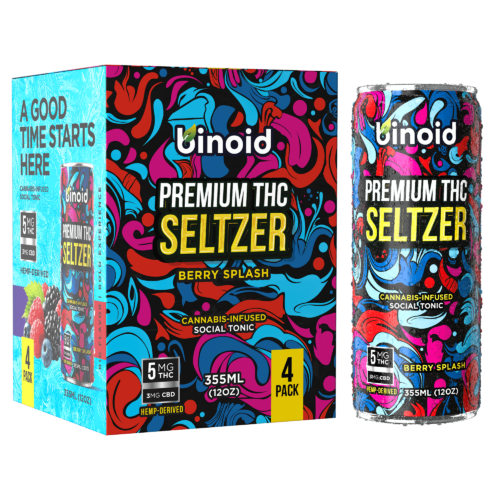
THC Seltzer – Good Vibes Cannabis Drink (4 Pack)
$19.99$29.99 -
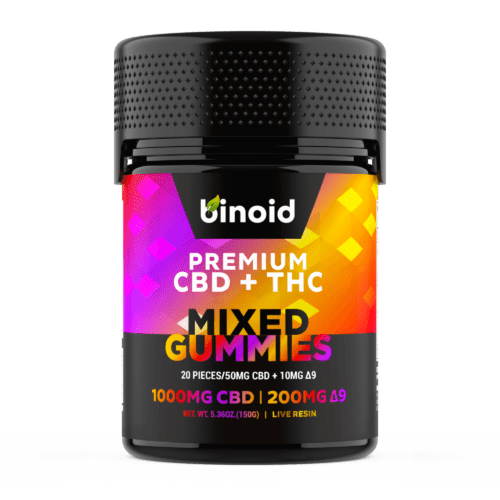
Delta 9 THC Gummies
$30.99$54.99 -
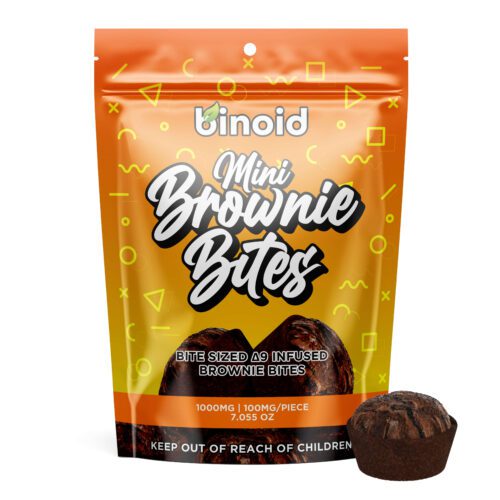
Delta 9 Mini Brownie Bites – 1000MG (Limited Supply)
$34.99$39.99

Delta 9 THC: The Foundation of the Modern High
Delta 9 THC is the cannabinoid that built cannabis culture. It’s the compound most people think of when they think about getting high, and for good reason. Its effects are well-documented, widely understood, and deeply ingrained in the way people experience cannabis. When you smoke traditional cannabis flower, you’re primarily consuming Delta 9 THC. It’s responsible for the familiar combination of mental elevation and physical relaxation that defines the classic high. Depending on the strain and terpene profile, that experience can lean toward energizing or calming, but it remains within a range that most users recognize. What keeps Delta 9 relevant, even in an era of new cannabinoids, is its balance. It delivers a strong experience without feeling unmanageable for most users.
It allows for both recreational enjoyment and social interaction, making it one of the most versatile cannabinoids available. The rise of hemp derived cannabinoids has expanded access to Delta 9 in new ways. Through carefully formulated products, companies like Binoid CBD now offer Delta 9 in formats such as gummies, tinctures, and even certain vape products that comply with legal thresholds. These products maintain the essence of the traditional high while fitting into a modern regulatory landscape. Delta 9 isn’t just a cannabinoid. It’s the benchmark against which everything else is measured.
THC-P: The Cannabinoid That Pushes Beyond the Benchmark
If Delta 9 represents the standard, THC-P represents what happens when that standard is pushed to its limits. Tetrahydrocannabiphorol is one of the most potent cannabinoids currently known, and its discovery has added a new dimension to the cannabis conversation. Unlike Delta 9, THC-P is found only in trace amounts in the cannabis plant. This means that the THC-P products available today are created through advanced processes that refine and concentrate the compound from hemp-derived sources. The result is a cannabinoid that interacts with the body in a way that feels significantly more intense. The key difference lies in how THC-P binds to cannabinoid receptors.
Its affinity for CB1 receptors is much stronger than that of Delta 9, which translates into a high that can feel deeper, longer-lasting, and more immersive. This isn’t just a stronger version of the same experience—it’s an amplified version that can shift the entire tone of a session. Because of its potency, THC-P is typically found in controlled formats. Binoid CBD offers THC-P in disposables and cartridges that allow users to take measured hits, as well as gummies and tinctures that provide a more gradual onset. These products are designed to balance intensity with usability, giving consumers access to THC-P’s effects without overwhelming them. THC-P isn’t about replacing Delta 9. It’s about expanding what’s possible.
The Experience: Familiar Ground vs. Elevated Territory
The most noticeable difference between THC-P and Delta 9 is how they feel. Delta 9 offers a high that most people can anticipate. There’s a rhythm to it, a progression that starts with a lift in mood and moves into a more relaxed state. It can be social, introspective, creative, or calming, depending on the context, but it rarely feels unpredictable. THC-P introduces a different dynamic. The onset can feel more pronounced, and the effects tend to linger longer. The body high can be heavier, while the mental aspect may feel more immersive. For some users, this creates a heightened experience that feels more engaging.
For others, it can be something that requires a bit more preparation and awareness. This difference is reflected in how people use these cannabinoids. Delta 9 fits easily into a variety of situations, from casual hangouts to solo sessions. THC-P, by contrast, is often reserved for moments when the goal is to fully lean into the experience. Products from Binoid CBD highlight this contrast. A Delta 9 gummy offers a steady, predictable experience that unfolds over time, while a THC-P disposable delivers a more immediate and intense effect that can define the entire session.
Recommended products
-
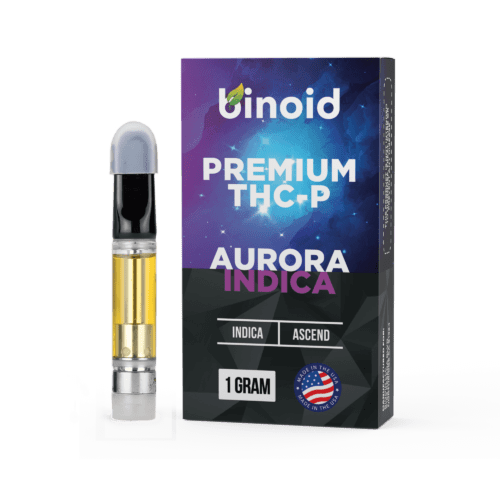
THC-P Vape Cartridge
$29.99$59.99 -
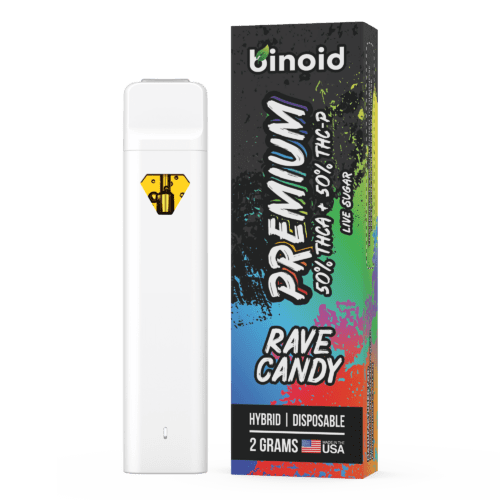
Live Sugar THCA + THC-P Disposable Vape – Pure 50/50
$39.99$69.99 -
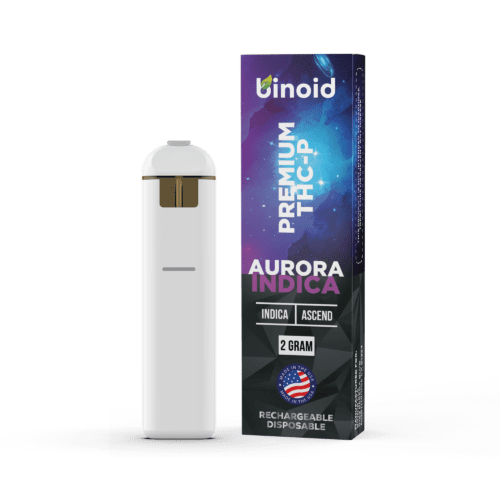
THC-P Rechargeable Disposable – 2 Gram
$31.00$59.99 -
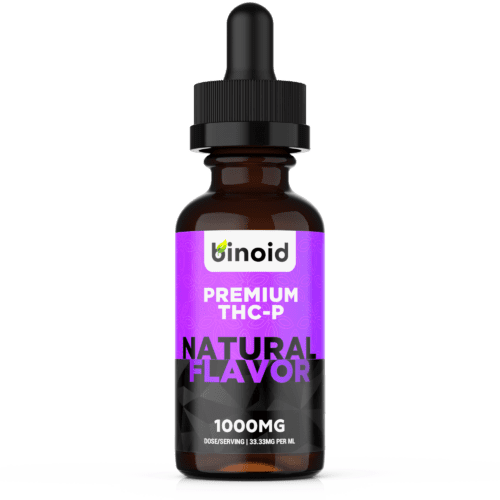
THC-P Tincture – 1000mg
$30.99$79.99
Product Innovation and the Role of Modern Formats
The evolution of cannabis is as much about how products are made as it is about the cannabinoids themselves. Delta 9 and THC-P both benefit from advancements in formulation and delivery, but they are often presented in ways that reflect their unique characteristics. Delta 9 products are designed to capture the essence of traditional cannabis while adapting to modern preferences. Gummies provide a discreet and long-lasting option, tinctures offer precise dosing, and certain vape products bring convenience into the mix. Binoid CBD has developed a range of Delta 9 options that emphasize consistency and quality, ensuring that users know what to expect with each use.
THC-P products take a slightly different approach. Because of the cannabinoid’s strength, the focus is on control. Disposables and cartridges allow for small, incremental doses, making it easier to manage the intensity. Gummies and tinctures provide an alternative for those who prefer a slower onset, allowing the effects to build gradually. This difference in product design reflects a broader trend in cannabis. It’s no longer just about delivering cannabinoids—it’s about shaping the experience in a way that aligns with user expectations.
Flavor, Terpenes, and the Full Spectrum Experience
While potency often takes center stage, the sensory experience of cannabis remains just as important. Flavor and aroma play a significant role in how a session feels, and both Delta 9 and THC-P products have evolved to deliver on this front. Delta 9 products often incorporate terpene profiles that mirror classic strains, providing familiar flavors that enhance the overall experience. Whether it’s something bright and citrusy or something more earthy and robust, these profiles add depth and character.
THC-P products also utilize terpenes, but with a slightly different emphasis. Because the effects are more intense, the flavor becomes a way to balance the experience. A well-crafted THC-P cartridge from Binoid CBD doesn’t just deliver potency—it offers a flavor profile that makes the session more enjoyable and approachable. This attention to detail is part of what defines the modern cannabis experience. It’s not just about how strong something is—it’s about how it feels from start to finish.
Tolerance, Control, and the Importance of Awareness
One of the most important considerations when comparing THC-P and Delta 9 is tolerance. Delta 9 is widely understood, which makes it easier for users to gauge how much they need. It allows for a level of predictability that makes it accessible to a broad audience. Whether you’re using a gummy, a tincture, or a vape product, you can generally anticipate how the experience will unfold. THC-P requires a different approach. Its potency means that even small amounts can have a noticeable impact, making it important to start slowly and adjust as needed. For experienced users, this can be part of the appeal. It offers a way to explore a more intense side of cannabis without needing to consume large quantities. Binoid CBD’s product range supports this kind of mindful consumption, offering options that allow users to tailor their experience based on their tolerance and preferences.
The Cultural Shift Toward Customization
The rise of THC-P alongside Delta 9 reflects a broader cultural shift within cannabis. It’s no longer just about access—it’s about customization. Hemp derived cannabinoids have expanded the range of available experiences, giving users the ability to choose how they want to feel rather than settling for a one-size-fits-all approach. This has led to a more nuanced understanding of cannabis, where factors like potency, duration, and delivery method all play a role. Binoid CBD has embraced this shift, offering a lineup that spans from classic Delta 9 products to cutting-edge THC-P formulations. This diversity allows users to explore different aspects of cannabis without being limited to a single path.
Recommended products
-
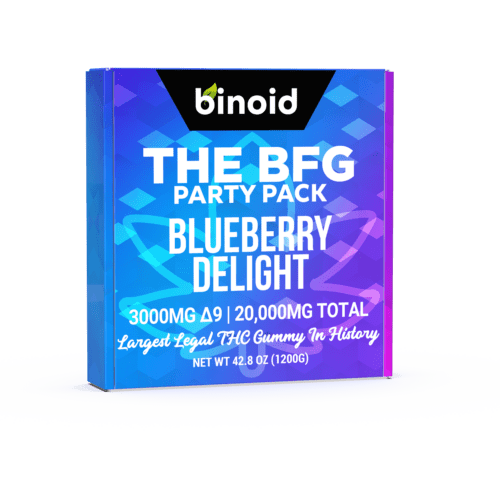
The BFG – 3000mg Delta 9 THC Gummy
$128.99$239.99 -
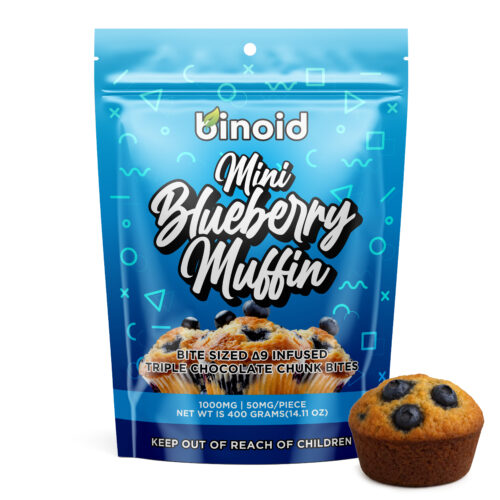
Delta 9 Mini Blueberry Muffin Bites – 1000MG (Limited Supply)
$34.99$39.99 -
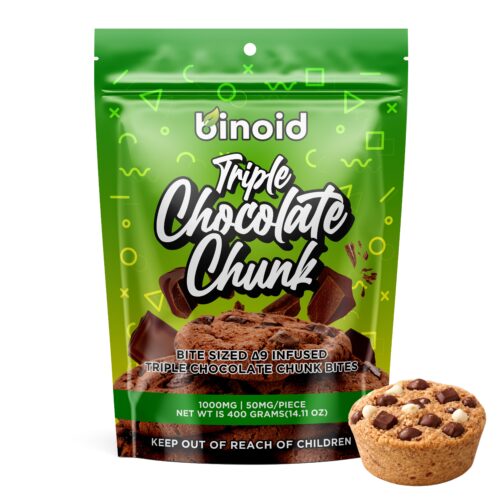
Delta 9 Mini Triple Chocolate Chunk Bites – 1000MG (Limited Supply)
$34.99$39.99 -
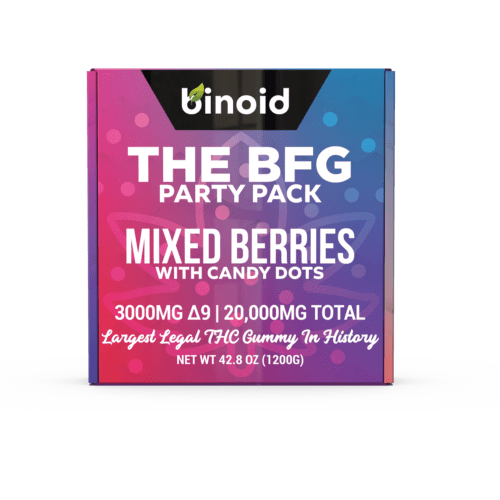
The BFG w/Candy Dots – 3000mg Largest Legal Gummy
$129.99$239.99
Choosing Between THC-P and Delta 9
Deciding between THC-P and Delta 9 ultimately comes down to what you’re looking for in your session. Delta 9 is the choice for those who value familiarity and balance. It delivers a high that feels grounded and reliable, making it suitable for a wide range of situations. Whether you’re reaching for a gummy, a tincture, or a vape product, the experience tends to be consistent and manageable. THC-P is for those who want something more intense. It’s not about subtlety—it’s about depth and immersion. It offers a different kind of high, one that can feel more engaging and longer-lasting. Many users find that there’s room for both. Delta 9 can serve as a go-to option for everyday use, while THC-P becomes something reserved for moments when a stronger experience is desired.
The Future of Cannabis: Where Tradition Meets Innovation
The conversation around THC-P vs. Delta 9 is a reflection of where cannabis is headed. It’s a space where tradition and innovation coexist, each contributing to a broader understanding of what cannabis can be. Delta 9 remains the foundation, the point of reference that defines the classic experience. THC-P represents the next step, offering a glimpse into what happens when that foundation is expanded through modern science.
As the industry continues to evolve, the line between these two worlds will likely become even more fluid. New cannabinoids will emerge, new products will be developed, and the possibilities will continue to grow. Binoid CBD is already part of that future, offering products that capture both the familiarity of Delta 9 and the intensity of THC-P. From disposables and cartridges to gummies and tinctures, the options are more diverse than ever.
Final Thoughts: Finding Your Place in the Spectrum
THC-P and Delta 9 are not competing forces—they are complementary parts of a larger whole. One offers a connection to the roots of cannabis, while the other pushes those roots into new territory. Choosing between them is less about deciding which is better and more about understanding what kind of experience you want.
Whether you prefer the steady, familiar high of Delta 9 or the amplified, immersive effects of THC-P, the key is knowing how each fits into your personal approach to cannabis. This is what defines the modern era. It’s not about limitations—it’s about options. And with those options comes the ability to shape your experience in ways that were never possible before.That’s the real evolution of cannabis. And it’s only just getting started.
To Buy THC-P Products Click Here
Recommended products
-
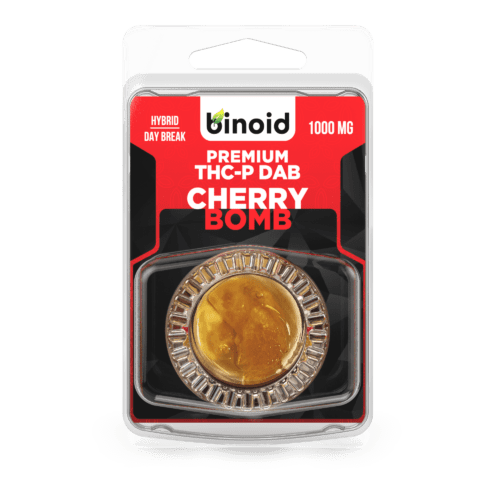
THC-P Wax Dabs
$29.99$57.99 -
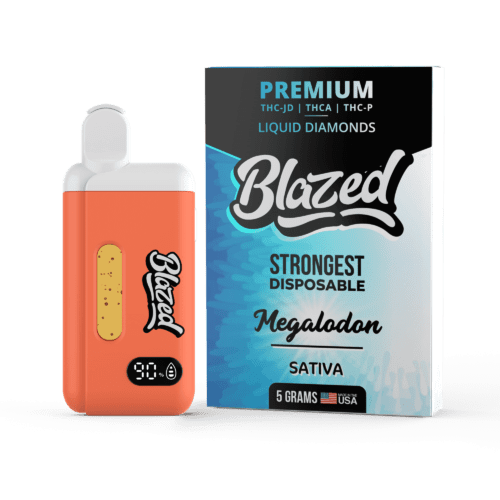
5 Gram Disposable – Blazed
$51.99$79.99 -
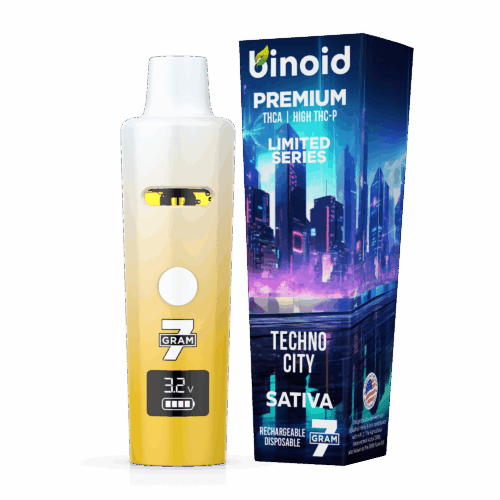
7 Gram THCA + High THC-P Disposable Vape – Limited Series
$67.99$109.99 -
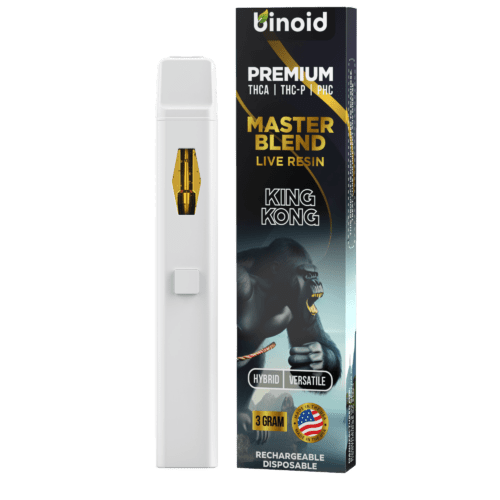
Master Blend Live Resin Disposable – 3 Gram
$43.99$59.99