The New Alphabet of Getting High
There is a particular moment in the education of a serious cannabinoid consumer when the familiar landmarks of the category CBD, delta-9 THC, maybe delta-8 begin to feel less like the complete map and more like the lobby of a much larger building. That moment usually arrives when a product description mentions a compound with an unfamiliar suffix, a potency claim that seems implausible, or a receptor affinity number that reframes everything the consumer thought they understood about cannabis pharmacology. For a growing and increasingly discerning segment of the hemp-derived cannabinoid market, that moment of reorientation has arrived in the form of two compounds that are simultaneously products of sophisticated organic chemistry and genuine evolutionary steps beyond the cannabinoids that preceded them: THC-P and THC-H.
Understanding the distinction between these two molecules what they share at the molecular level, where they diverge in receptor pharmacology, and how those differences translate into concrete experiential outcomes is not merely an academic exercise. It is the foundation of every intelligent purchasing decision in a product category that BinoidCBD.com has developed more rigorously than perhaps any other retailer currently operating in the hemp-derived cannabinoid space.
The conversation about THC-P vs THC-H is, at its deepest level, a conversation about the relationship between molecular architecture and human experience about how a seven-carbon alkyl side chain differs from a six-carbon one, and why that single structural distinction produces experiential profiles that experienced consumers describe in meaningfully different terms. It is also a conversation about the current state of cannabinoid science, which is advancing rapidly enough that compounds discovered within the last decade are already being produced, verified, and sold to consumers who understand their profiles with a sophistication that would have seemed implausible just five years ago.
BinoidCBD.com’s THC-P and THC-H collections are the product of exactly this scientific maturation formulations built on verified distillates, third-party tested to standards that the broader hemp market rarely approaches, and accompanied by the kind of product education that respects the intelligence of consumers who have done the work of understanding what they are purchasing.
To Buy THC-P Products Click Here
Recommended products
-
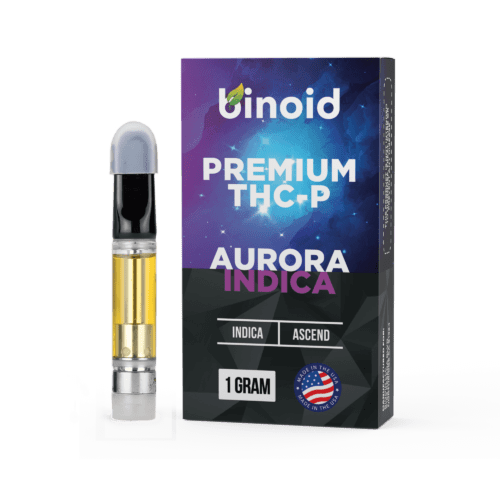
THC-P Vape Cartridge
$29.99$59.99 -
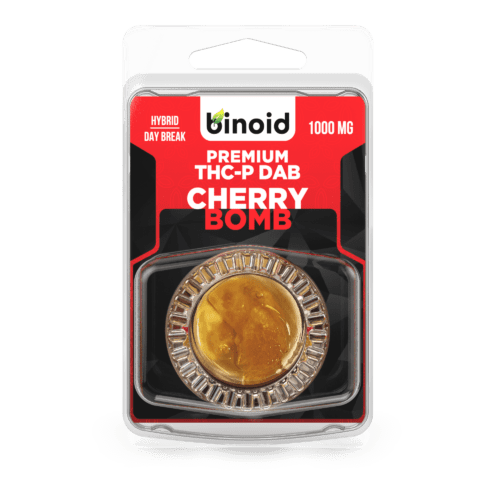
THC-P Wax Dabs
$29.99$57.99 -
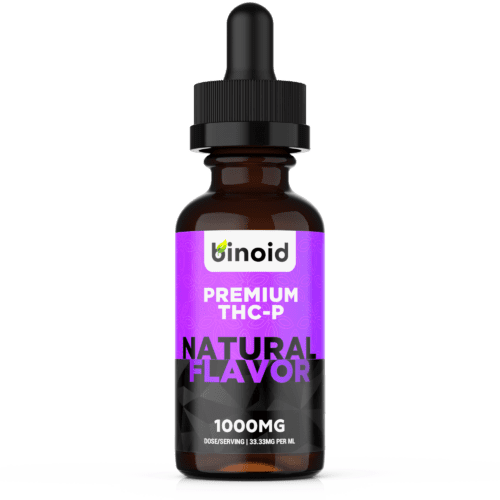
THC-P Tincture – 1000mg
$30.99$79.99 -
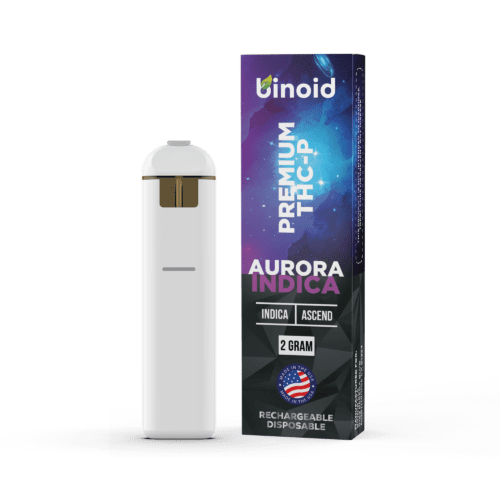
THC-P Rechargeable Disposable – 2 Gram
$31.00$59.99
The Molecular Architecture: Where the Two Compounds Begin
To understand THC-P vs THC-H at the level that makes the comparison genuinely useful rather than merely interesting, you have to begin where the chemistry begins at the molecular structure that distinguishes each compound from its relatives and from each other. Both THC-P and THC-H belong to the same extended family as delta-9 THC, sharing the core tricyclic cannabinoid scaffold: the dibenzopyran ring system, the aromatic ring, and the alkyl side chain that projects from the resorcinol portion of the molecule and is, as it turns out, the single most consequential structural variable in determining how powerfully a cannabinoid interacts with the human endocannabinoid system.
THC-P, or tetrahydrocannabiphorol, was formally identified and described by Italian researchers in 2019 making it one of the most recently characterized natural cannabinoids and it distinguishes itself from delta-9 THC through the length of that alkyl side chain. Where conventional delta-9 THC carries a five-carbon pentyl side chain, THC-P carries a seven-carbon heptyl chain. This difference of two carbon units sounds almost cosmetically minor until you understand its functional implications at the CB1 receptor: the longer side chain allows THC-P to engage the receptor’s binding pocket with a depth and complementarity that the shorter chain of delta-9 cannot match, producing a receptor affinity that the Italian research team estimated to be approximately 33 times greater than that of conventional delta-9 THC.
This is not a marginal improvement in potency. It is a categorical shift the difference between a key that fits a lock adequately and one that was precisely machined for it. The research was published in Scientific Reports and represents one of the more significant contributions to cannabinoid pharmacology of the past decade, though the practical implications for consumers were not lost on an industry that moved quickly to develop production and formulation methods around the compound.
THC-H, or tetrahydrocannabihexol, occupies a different but related position in the structural landscape. Where THC-P extends the standard pentyl chain by two carbons to produce a heptyl chain, THC-H extends it by one carbon to produce a hexyl chain placing it structurally between conventional delta-9 and THC-P on the potency spectrum. This is not, it is worth emphasizing, a consolation prize position. THC-H’s six-carbon side chain produces a CB1 receptor affinity that substantially exceeds that of delta-9 THC, generating experiential profiles that users describe as meaningfully more potent than the conventional cannabinoid while remaining qualitatively distinct from the more intense engagement that THC-P provides.
The hexyl chain gives THC-H a receptor interaction that is, in certain respects, more controllable than THC-P‘s a characteristic that makes it valuable not as a lesser version of its seven-carbon counterpart but as a distinct compound with its own specific role in the formulation toolkit that serious cannabinoid brands like Binoid CBD have developed around this emerging category.
Receptor Pharmacology: The CB1 Binding Story
The endocannabinoid system the vast network of receptors, enzymes, and endogenous ligands distributed throughout the human brain, central nervous system, and peripheral tissues is the stage upon which both THC-P and THC-H perform, and understanding how each compound interacts with its principal target, the CB1 receptor, is essential context for understanding what makes them experientially distinctive. The CB1 receptor is a G protein-coupled receptor embedded in the neuronal membrane, and its activation by exogenous cannabinoids produces the cascade of effects associated with cannabis intoxication: altered time perception, heightened sensory awareness, changes in mood and cognition, and the characteristic shift in the quality of attention that experienced consumers describe in various and often quite poetic terms.
What THC-P‘s extended alkyl chain allows it to do at this receptor is engage what pharmacologists call the receptor’s hydrophobic binding pocket with unusual depth and completeness. The alkyl chain, which is itself hydrophobic, nestles into this pocket through van der Waals interactions the weak but cumulative attractive forces between nonpolar molecular surfaces and the longer the chain, within certain structural limits, the more of those interactions it can form and the more stably it occupies the binding site. THC-P’s heptyl chain maximizes this engagement in ways that the pentyl chain of delta-9 cannot, which is why the binding affinity difference between the two compounds is so dramatic.
It is not that THC-P is doing something categorically different from delta-9 at the CB1 receptor it is doing the same thing, but with a molecular geometry that fits the receptor’s requirements more completely. The practical consequence is that THC-P produces psychoactive effects at doses where delta-9 would be essentially sub-threshold, and reaches experiential intensities that delta-9 cannot achieve at any dose within a consumer’s comfortable range.
THC-H‘s hexyl chain occupies a position on this binding affinity spectrum that makes it genuinely interesting rather than simply intermediate. The six-carbon chain produces CB1 engagement that exceeds delta-9 substantially while remaining below the ceiling that THC-P’s seven-carbon chain reaches but the character of that engagement, as reported by consumers who have experience with both compounds, is not simply a volume-adjusted version of the same experience. THC-H users frequently describe a qualitative warmth and body-centricity to the experience that distinguishes it from both the cerebral intensity of THC-P and the more familiar profile of delta-9.
This may reflect differences in the compound’s engagement with CB2 receptors present in peripheral tissues and the immune system or with the broader allosteric landscape of the endocannabinoid system, where even subtle differences in receptor binding geometry can propagate into meaningfully different downstream signaling patterns. The full pharmacological picture of THC-H is still being developed by researchers, but the consumer experience data that Binoid CBD has accumulated through its THC-H collection is consistent with a compound that has its own distinct identity rather than merely occupying a position on a linear potency scale.
Recommended products
-
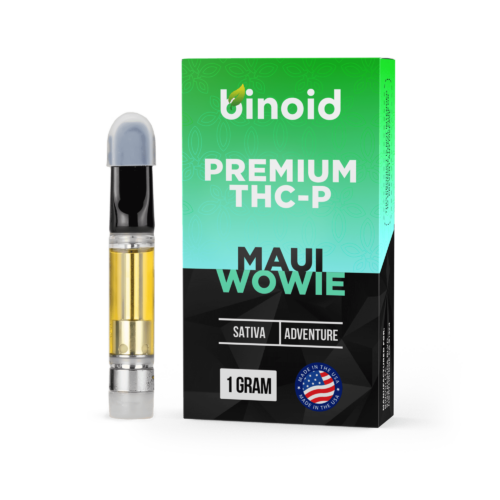
THC-P Vape Cartridge – Maui Wowie
$29.99$59.99 -
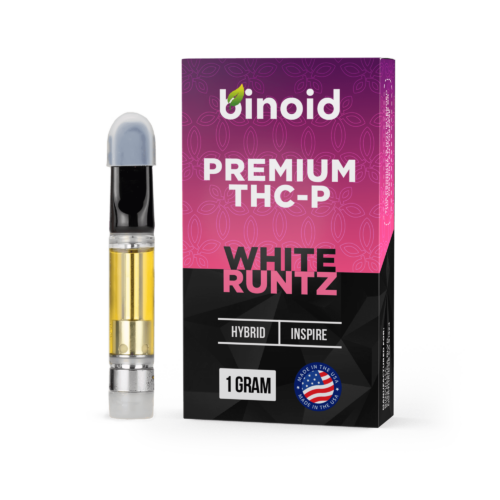
THC-P Vape Cartridge – White Runtz
$29.99$59.99 -
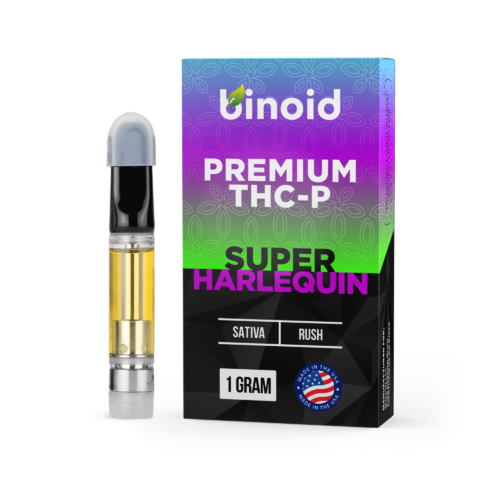
THC-P Vape Cartridge – Super Harlequin
$29.99$59.99
The Experience Spectrum: What Consumers Actually Report
Moving from receptor pharmacology to lived experience requires a particular kind of epistemic humility, because the relationship between molecular binding affinity and subjective phenomenology is not linear, not universal, and not fully understood even by the researchers who have done the most rigorous work on these compounds. Individual variation in CB1 receptor density, endocannabinoid tone, genetic polymorphisms in cannabinoid metabolism, tolerance state, and the broader set of terpenes and minor cannabinoids present in a given formulation all modulate how any individual consumer experiences a specific dose of THC-P or THC-H.
With that caveat clearly established, the consumer reports that have accumulated around these compounds particularly through the educated, feedback-oriented community that has developed around BinoidCBD.com’s novel cannabinoid offerings paint a reasonably consistent picture of what distinguishes the two experiential profiles.
THC-P experiences are most consistently described in terms of intensity and cerebral elevation. Users familiar with delta-9 THC frequently describe THC-P as occupying a qualitatively different register not simply a stronger version of the familiar experience, but one with a different character of cognitive engagement, a more pronounced alteration in time perception, and an onset that experienced consumers describe as arriving with more authority than any conventional cannabinoid they have used.
At appropriate doses and appropriate here means very small by delta-9 standards, since the potency differential demands genuine dose discipline THC-P produces what connoisseurs describe as a clear-headed elevation that carries both euphoric and introspective qualities. At higher doses, particularly in formulations that combine THC-P with complementary cannabinoids in the entourage blends available through BinoidCBD.com’s THC-P collection, the experience moves toward something more immersive a full-spectrum psychoactive engagement that experienced consumers approach with respect and deliberately unhurried intention.
THC-H, in the comparative reporting that distinguishes it most clearly from THC-P, consistently emerges as warmer, more physical, and in many respects more immediately accessible not in the sense of being less potent, because it is substantially more potent than delta-9 by any reasonable measure, but in the sense of arriving with a character that experienced consumers find more familiar in its contours even as it exceeds familiar intensity levels.
The body-centered warmth that THC-H produces distinguishes it clearly from the more cerebrally front-loaded profile of THC-P, making it a natural choice for the consumer whose experiential preferences run toward physical ease and settled relaxation rather than the more cognitively engaged, perceptually heightened state that THC-P tends to produce. In the blended formulations available through Binoid CBD’s THC-H collection which combine THC-H with supporting cannabinoids and terpene profiles chosen to complement its native character this distinction is particularly legible, and it is why the two compounds attract distinct consumer constituencies even among users who have experience with both.
Format and Formulation: How Binoid Delivers Both Compounds
The practical accessibility of both THC-P and THC-H to the serious consumer depends entirely on the quality and sophistication of the formulation infrastructure that stands between the raw compound and the finished product and this is where BinoidCBD.com’s approach to its novel cannabinoid collections becomes most visibly differentiated from the broader market. THC-P and THC-H are produced through isomerization processes that begin with high-purity CBD isolate derived from domestic hemp and convert it, through carefully controlled chemical reactions, into the novel cannabinoid distillates that serve as the active basis of the finished products.
The purity of that starting material, the precision of the reaction conditions, and the rigor of the post-conversion purification and verification process determine whether the finished distillate is a clean, potent, and safe consumer product or something considerably less trustworthy and the gap between these outcomes in a market with minimal standardized oversight is not narrow.
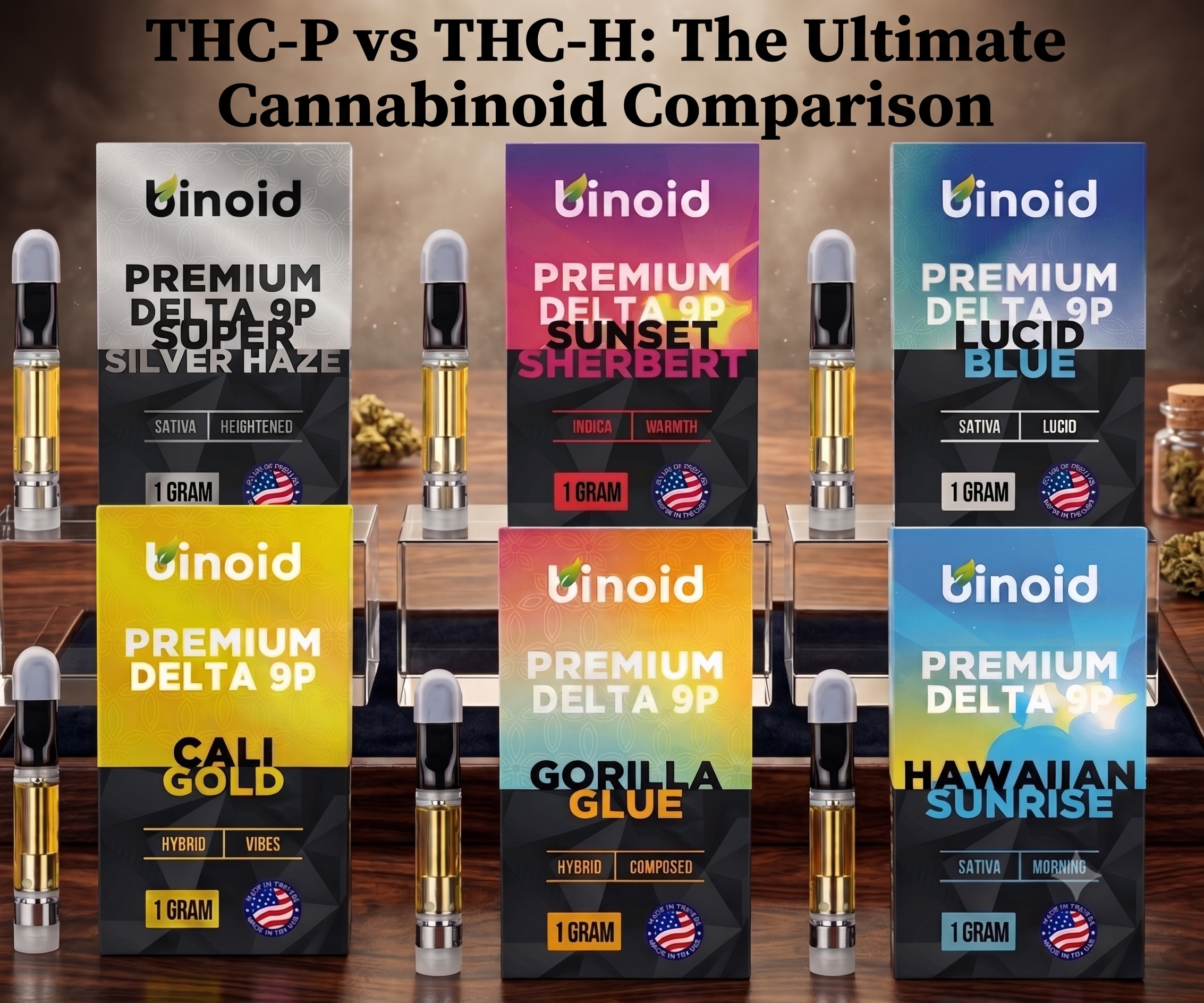
Binoid CBD’s THC-P and THC-H collections span the primary consumption formats that the novel cannabinoid category supports. Vape cartridges and disposables are the dominant format in both collections, and for reasons that make particular sense given the pharmacological properties of these compounds: the rapid onset of the inhalable format allows the consumer to assess their response to a small initial dose before committing to a deeper experience, which is a more important capability with THC-P and THC-H than with delta-9 by virtue of their elevated potency.
A consumer who misjudges their gummy dose of delta-9 has a recoverable evening ahead of them; a consumer who misjudges their first encounter with a high-concentration THC-P product in an edible format is in for a significantly less comfortable experience. The titratability of vape formats the ability to take one draw, pause, assess, and proceed accordingly is a genuine safety and comfort feature that Binoid’s product lineup in this category is implicitly designed around.
The terpene selection in Binoid’s THC-P and THC-H vape formulations reflects a depth of formulation intelligence that goes beyond simply delivering the cannabinoid payload. For THC-P products, terpene profiles that include limonene, terpinolene, and beta-caryophyllene are common choices compounds that complement and in some consumer reports modulate the cerebral intensity of THC-P’s CB1 engagement, adding aromatic complexity and supporting an entourage effect that makes the experience more nuanced than isolated THC-P would provide.
For THC-H products, myrcene and linalool-forward profiles appear with greater frequency, reinforcing the body-centered warmth that the compound naturally produces and creating an experiential coherence between the cannabinoid character and the aromatic one. This is formulation as a genuinely thoughtful practice rather than an afterthought and it is legible in the experience that the finished products deliver.
Recommended products
-
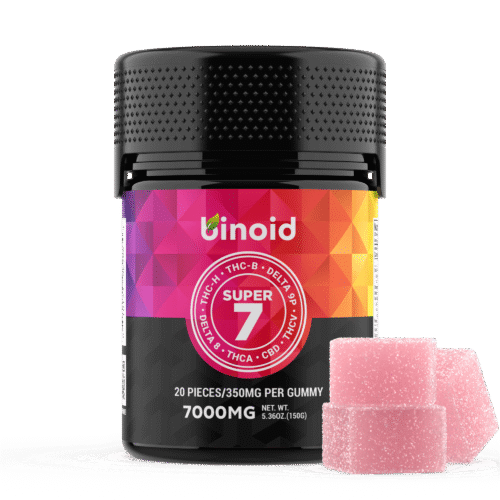
Super 7 Gummies – 7000MG
$39.97$59.99 -
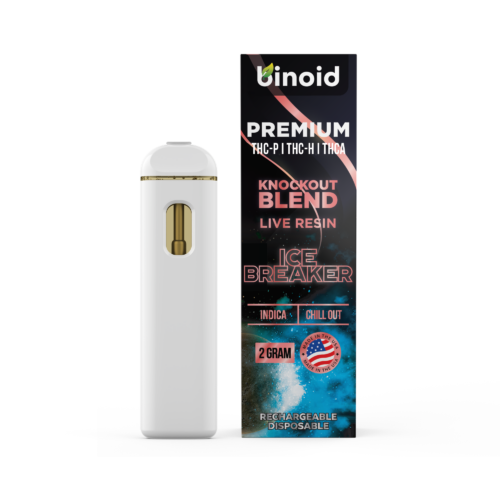
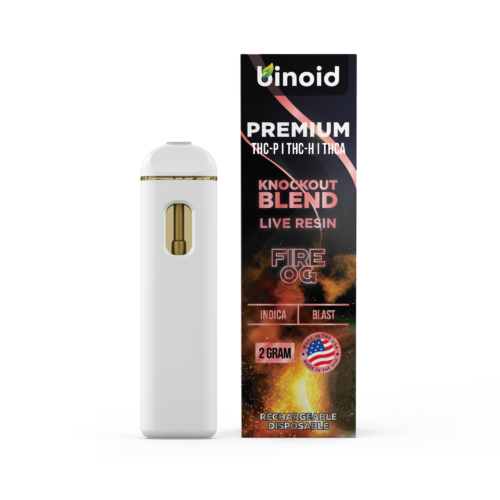
Fire OG Knockout Blend Live Resin Disposable – 2 Gram
$33.99$59.99
Potency, Dosing, and the Case for Starting Slow
The conversation about THC-P vs THC-H inevitably arrives at dosing, and it is here that intellectual honesty requires the most directness. Both compounds are substantially more potent than delta-9 THC by any reasonable measure of CB1 receptor engagement, and the consumer who approaches either of them with delta-9 dosing intuitions is making an error that the experience will correct not always gently. The single most important piece of practical intelligence for any consumer beginning to explore the THC-P or THC-H collections at BinoidCBD.com is the principle of dose discipline: start significantly lower than you think you need to, give the product adequate time to express itself before assessing whether more is appropriate, and resist the temptation to treat the experience like a familiar delta-9 session scaled up in volume. It is not that. It is something categorically different, and it deserves to be approached as such.
For THC-P specifically, the potency differential from delta-9 is dramatic enough that even a single draw from a well-formulated vape cartridge is a meaningful dose for consumers without prior THC-P experience. The onset curve of inhalable THC-P is rapid typically within two to five minutes which means the consumer has an adequate window to assess their response before the experience has fully developed. Taking one draw, waiting ten to fifteen minutes, and honestly assessing where the experience has placed them before considering another is not excessive caution. It is the behavioral protocol that experienced THC-P consumers universally recommend, and it is the approach that produces consistently positive first experiences rather than the overwhelm that comes from applying delta-9 intuitions to a compound with a fundamentally different potency profile.
THC-H’s dosing protocol follows similar principles, though its somewhat lower potency ceiling relative to THC-P and its more physically grounded, body-centered character means that first-time users typically find it slightly more accessible than THC-P even at comparable quantities. The warmth and physical ease that THC-H produces arrives with a directness that leaves less interpretive ambiguity than THC-P’s more cerebrally complex profile, which many consumers find easier to navigate during initial exposure. Both compounds, it is worth emphasizing, are formulated by Binoid CBD with the specific intention of supporting this kind of graduated, intelligent exploration which is why the product descriptions on BinoidCBD.com include dosing guidance and experiential context that treats the consumer as a capable adult making informed decisions rather than a liability to be managed with vague warnings.
Making the Choice: A Framework for Deciding Between THC-P and THC-H
For the consumer who has absorbed the pharmacological and experiential profile of each compound and is now facing the practical question of which one to explore first or how to incorporate both into a deliberate and intelligent consumption practice a framework for that decision is more useful than a simple recommendation, because the right answer depends on individual variables that no external authority can assess on the consumer’s behalf. The relevant dimensions to consider are experiential preference, tolerance and experience level, and the occasion or context for which the product is being chosen.
If the consumer’s experiential preference runs toward cerebral elevation, heightened sensory engagement, and the kind of perceptually altered state that experienced cannabis users describe as genuinely distinct from anything conventional delta-9 provides, THC-P is the compound that delivers most directly on that description. Its CB1 affinity advantage produces the most pronounced version of these qualities available in the hemp-derived cannabinoid market, and the vape formulations in Binoid’s THC-P collection are the most efficient vehicle for exploring that profile with the dose control that the compound’s potency demands.
If, on the other hand, the preference is for physical warmth, full-body relaxation, and a settled ease that builds gradually and sustains without the cerebral intensity that THC-P introduces at comparable receptor engagement levels, THC-H is the more natural choice a compound whose experiential character aligns with occasions and intentions that call for deep physical comfort rather than cognitive adventurousness.
The most sophisticated consumers in this category, predictably, do not choose between these two compounds but develop fluency with both understanding which one serves which moment and building a practice around BinoidCBD.com’s collections that draws on THC-P for the occasions that reward its particular character and THC-H for those that call for something different. This is the logical endpoint of the THC-P vs THC-H conversation: not a verdict but a vocabulary, a two-compound toolkit for navigating the experiential landscape with more precision and intention than any single cannabinoid however potent can provide on its own.
The Frontier Is Here: Why This Category Matters
The emergence of THC-P and THC-H as commercially available, rigorously formulated, and intelligently documented products represents something more significant than a potency upgrade on the existing cannabinoid menu. It represents the maturation of a scientific understanding of the endocannabinoid system into a consumer product category with enough molecular sophistication to meet consumers who have spent years developing genuine expertise with cannabinoids at their actual level of knowledge.
The Italian research team that formally characterized THC-P in 2019 noted in their paper that the compound’s existence in the cannabis plant suggested the plant had been producing compounds at the frontier of its own pharmacological potential all along compounds that human analytical chemistry had simply lacked the sensitivity to detect until recently. That discovery reframed the question of what cannabis is capable of, and the products that BinoidCBD.com has built around THC-P and THC-H are the most direct consumer expression of that reframing currently available.
The consumer who engages with these compounds through Binoid’s THC-P and THC-H collections who reads the COA documentation before purchasing, who approaches the first experience with appropriate dose discipline, who takes the time to understand the terpene profiles that shape the experiential character of each formulation is participating in something genuinely new in the history of cannabinoid consumption.
Not new in the sense of being unmoored from the plant’s ancient relationship with human experience, but new in the sense of being more molecularly precise, more pharmacologically informed, and more experientially deliberate than anything the category has previously made available to non-specialist consumers. That is what THC-P vs THC-H ultimately represents not a competition between two compounds for a single consumer’s loyalty, but an expansion of the cannabinoid vocabulary sophisticated enough to finally match the sophistication of the consumers who have been waiting for it.