The Concentrate Aisle Has Gotten Complicated, in the Best Possible Way
There was a time, not so long ago, when the concentrate section of a hemp menu consisted of a single, undifferentiated category “dabs” and the consumer’s only real decision was how much to buy. That era is decisively over. Today’s THCA concentrate market has fractured into a genuine spectrum of textures, each produced through distinct extraction and post-processing techniques, each delivering a subtly but meaningfully different experience at the point of consumption.
Among the most talked-about of these textures are THCA crumble and THCA badder, two concentrate styles that share a common molecular DNA but diverge dramatically in appearance, handling, and the sensory experience of dabbing them. The THCA crumble vs badder question has become one of the more common points of confusion for consumers stepping up from flower or vape cartridges into the concentrate world, and understanding the distinction is the difference between confidently selecting the right product and simply guessing based on which jar looks more appealing on a shelf.
Both crumble and badder begin their lives through similar extraction pathways, typically starting with a hydrocarbon or CO2 extraction process that pulls cannabinoids and terpenes from cured hemp flower, producing a raw oil that still contains the full chemical complexity of the source material. What happens after that initial extraction the specific combination of heat, agitation, and time applied during the post-processing phase is what ultimately determines whether the finished product ends up as a dry, crumbly texture or a smooth, whippable one. This is not a difference of quality so much as a difference of intention, and understanding the process behind each texture illuminates exactly why each one appeals to a different kind of consumer.
To Buy THCA Products Click Here
THCA Crumble: The Dry, Structured, Terpene-Forward Texture
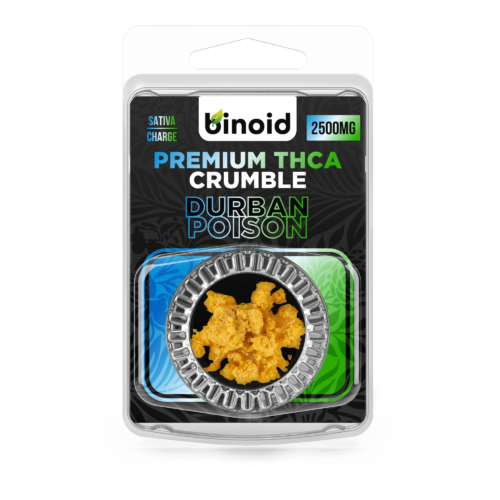
THCA crumble earns its name honestly it is a dry, brittle, honeycomb-like concentrate that breaks apart easily under light pressure, crumbling into smaller pieces rather than stretching or holding together the way stickier concentrates do. This texture results from a post-extraction process in which the raw oil is purged at relatively low temperatures over an extended period, allowing residual solvents and moisture to evaporate slowly while the cannabinoid and terpene content crystallizes into a more structured, less pliable form. The low-and-slow purging approach that produces crumble tends to preserve terpene content particularly well, because aggressive heat and rapid agitation techniques used to achieve smoother textures are precisely the forces that drive off the most volatile and heat-sensitive terpene compounds.
This terpene preservation is a major part of crumble’s appeal to a certain kind of connoisseur consumer. Because the texture results from a gentler processing approach, THCA crumble often presents with a more vivid, expressive aromatic profile than concentrates that have been whipped or aggressively agitated, delivering flavor notes that more closely mirror the terpene signature of the original cultivar. The trade-off is handling convenience. Crumble’s dry, fragile structure makes it more difficult to portion precisely with a dab tool, and its tendency to flake and scatter means it requires a bit more care during loading than stickier alternatives. For the consumer who prioritizes flavor complexity and doesn’t mind a slightly less forgiving handling experience, though, this is a trade worth making, and it’s part of why crumble has maintained a loyal following even as smoother concentrate textures have grown in popularity.
The visual and tactile character of quality THCA crumble also serves as a genuine quality indicator worth understanding. A well-made crumble should have a relatively uniform, honeycomb-like structure with a pale golden to amber color, without excessive darkening that can indicate degraded terpene content or an extraction process that ran too hot. Crumble that appears overly wet, oily, or inconsistent in texture may signal an incomplete purge, which can leave behind residual solvents precisely the kind of quality issue that makes third-party lab testing so essential in this category. BinoidCBD.com’s approach to concentrate quality control includes exactly this kind of scrutiny, with batch-specific certificates of analysis that confirm both potency and the absence of residual solvent contamination, giving crumble shoppers the documentation needed to purchase with genuine confidence rather than relying on appearance alone.
THCA Badder: The Smooth, Whippable, Consistency-Focused Texture
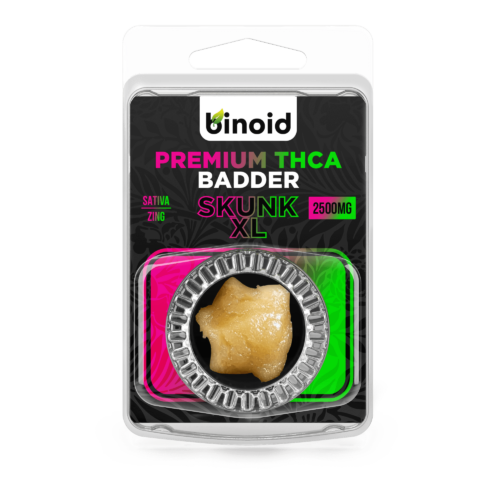
THCA badder, sometimes spelled “batter” in a nod to its baking-inspired texture, represents almost the opposite processing philosophy from crumble. Where crumble embraces a dry, structured finish, badder is defined by its smooth, creamy, cake-batter-like consistency, achieved through a post-extraction process that involves whipping or agitating the concentrate at a controlled temperature throughout the purging process. This continuous agitation incorporates air into the concentrate and prevents the full crystallization that produces crumble’s dry structure, instead locking the cannabinoid and terpene content into a soft, malleable, spreadable texture that holds together far more cohesively when handled.
The practical advantages of badder‘s texture are immediately apparent to anyone who has struggled with a crumbly, scattering concentrate on a windy patio or an unsteady dab station. Badder scoops and loads with a consistency that more closely resembles cake frosting than a dry crystalline structure, making portioning significantly more precise and forgiving for less experienced concentrate consumers. This handling advantage has made badder an increasingly popular entry point for consumers moving from flower or vape products into the concentrate category for the first time, since the learning curve around loading and portioning is considerably gentler than with crumble or other drier textures.
Flavor-wise, badder occupies an interesting middle position. The controlled-temperature whipping process is generally gentler than the high-heat techniques used to produce fully translucent concentrates like shatter, meaning badder retains a meaningfully better terpene profile than those more aggressively processed textures, even if it doesn’t quite match crumble’s more pronounced aromatic expression. For many consumers, this represents an ideal balance flavor complexity that remains genuinely satisfying, paired with a handling experience that removes much of the friction associated with dabbing. Binoid CBD’s THCA badder offerings on Binoidcbd.com are formulated with this balance specifically in mind, using controlled processing techniques designed to preserve terpene integrity without sacrificing the smooth, workable consistency that makes badder such an approachable format.
The Consumption Experience: Does Texture Actually Change the High?
This is the question that sits underneath the crumble-versus-badder debate for most consumers, and the honest answer requires a bit of nuance. Once THCA has undergone decarboxylation through the heat of a dab rig or vaporizer, the resulting psychoactive experience is driven primarily by the same molecular conversion regardless of which texture the concentrate started in the THCA becomes delta 9 THC, and that transformation is not meaningfully altered by whether the starting material was crumbly or creamy. What texture does influence, sometimes significantly, is the overall sensory experience surrounding that consumption moment: the aromatic complexity you taste and smell, the ease and precision with which you can portion your dose, and the practical logistics of loading and storing the product between sessions.
For consumers who dab primarily for flavor exploration and who enjoy the ritual of tasting a cultivar’s specific terpene signature, crumble’s terpene-forward character often makes it the preferred choice, and the slight handling inconvenience is considered a fair trade for that aromatic payoff. For consumers who prioritize convenience, consistency, and an easier entry point into concentrate consumption particularly those newer to dabbing who want to minimize the friction of the process itself badder‘s smooth, forgiving texture typically wins out. Neither texture represents a “better” or “stronger” product in any absolute sense; they represent different processing philosophies optimized for different consumer priorities, and the right choice depends entirely on what each individual values most in their concentrate experience.
Storage and Handling Considerations for Each Texture
The structural differences between crumble and badder extend meaningfully into how each should be stored and handled to preserve quality over time. THCA crumble’s dry, crystalline structure makes it somewhat more resistant to temperature fluctuation than stickier concentrates, but its fragility means physical handling should be minimized between sessions, and it benefits from storage in a rigid, non-stick container that prevents the crumbling structure from compacting or breaking down further with repeated handling. Cool, dark, low-humidity storage remains essential, as it does for every cannabinoid concentrate, since both light exposure and temperature fluctuation accelerate terpene loss and cannabinoid degradation regardless of the specific texture involved.
THCA badder, by contrast, is more temperature-sensitive in a different way its whipped, aerated structure can become notably softer and harder to portion cleanly if stored at warmer room temperatures, while excessive cold can cause it to firm up in ways that make scooping more difficult until it returns to a more workable temperature. Silicone containers have become the preferred storage solution for badder specifically because the material’s naturally non-stick surface prevents the concentrate from adhering stubbornly to the container walls, a problem that glass and traditional plastic containers handle considerably less gracefully with this particular texture. Whichever texture a consumer chooses, sourcing from a brand that provides clear guidance alongside transparent lab documentation makes a meaningful difference in the long-term consumption experience, and it’s an area where Binoidcbd.com’s product education consistently goes beyond the bare minimum most retailers in this category provide.
Making the Decision: A Framework for Choosing Your Texture
Ultimately, the THCA crumble vs badder decision comes down to a short list of honest self-assessment questions rather than any objective ranking between the two formats. Consumers who consider themselves flavor-first, who enjoy exploring the specific terpene character of different cultivars, and who don’t mind a slightly more deliberate loading process tend to gravitate naturally toward crumble’s dry, aromatic structure. Consumers who prioritize ease of handling, consistent portioning, and a gentler learning curve particularly those newer to concentrate consumption tend to find badder’s smooth, forgiving texture a more comfortable and sustainable fit for regular use. Some experienced consumers simply keep both on hand, reaching for crumble when the occasion calls for a slower, more exploratory session and badder when convenience and consistency matter more.
Whichever texture ultimately wins out, the more important decision sits one level above the crumble-versus-badder question: choosing a source that treats concentrate production with the rigor the category demands. Look for batch-specific certificates of analysis that confirm both potency and the absence of residual solvents, clear labeling of extraction method, and a brand willing to explain its processing philosophy rather than simply marketing a texture as a lifestyle aesthetic. Binoid CBD‘s concentrate lineup, available through BinoidCBD.com, is built around exactly this standard of transparency, giving consumers the documentation and product education needed to choose between crumble and badder based on genuine understanding rather than guesswork which, in a market this dynamic, is the only foundation a confident purchasing decision can really be built on.
To Buy THCA Products Click Here