The Highest Expression of a Remarkable Molecule
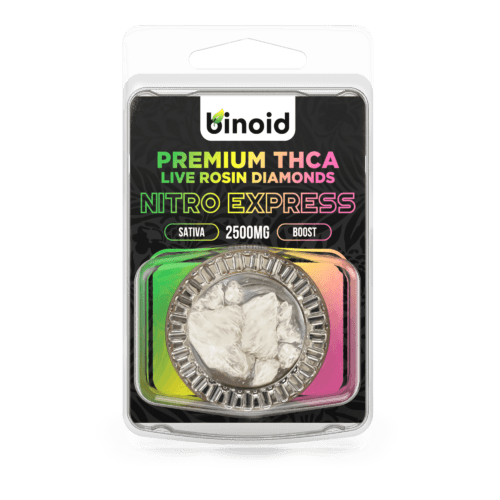
There is a moment, familiar to anyone who has encountered them for the first time, when a jar of THCA Diamonds stops the conversation entirely. The visual impact is immediate and almost improbable crystalline structures of extraordinary clarity, catching light in the particular way that only genuine mineral formations do, sitting in a medium that seems impossibly refined for something derived from an agricultural crop. The instinct to reach for a gemological reference is not entirely misplaced. These are not metaphorical diamonds.
They are, in the most technically accurate sense available to organic chemistry, crystals: highly ordered molecular lattices of tetrahydrocannabinolic acid arranged with a structural precision that the chaotic biology of the living cannabis plant cannot produce on its own but that emerges, with remarkable elegance, from the right combination of extraction science, thermodynamic patience, and process control. A THCA Diamonds guide that does not begin here with the genuine strangeness and beauty of what these structures are is one that has already undersold the subject.
The broader category in which THCA diamonds exist hemp-derived THC concentrates has matured with extraordinary speed in the years since the 2018 Farm Bill created the legal architecture for a domestic hemp cannabinoid market. Alongside diamonds, formats including THCA badder and THCA crumble have developed dedicated consumer followings and distinct sensory identities, each representing a different point on the spectrum of extraction methodology, texture, and experiential character.
Together, these concentrate formats constitute what might fairly be called the connoisseur tier of the legal hemp market products whose production demands a level of technical sophistication, process control, and starting material quality that separates serious operations from casual ones with an efficiency that few other product categories can match. Understanding what these products are, how they are made, how they differ from one another, and how to consume them with the intelligence and intentionality they deserve is the project this piece undertakes.
To Buy THCA Diamonds Products Click Here
The Crystal Architecture: How THCA Diamonds Form
To understand THCA Diamonds at the level their complexity warrants, it is necessary to first revisit the molecular identity of THCA itself tetrahydrocannabinolic acid, the naturally occurring, non-psychoactive precursor to delta-9 THC that exists in the trichomes of the living cannabis plant before heat-driven decarboxylation converts it into its psychoactive form. THCA is, in its raw state, a solid crystalline compound. Its molecular structure has a strong thermodynamic preference for ordered arrangement the kind of lattice packing that organic chemistry calls a crystal and that everyday experience calls a solid with a definite shape.
Under the right conditions, this preference for order can be coaxed into producing macroscopic crystal structures large enough to see, handle, and evaluate with the naked eye. The process of creating those conditions deliberately and reliably is what separates diamond mining as the extraction industry has come to call it from the broader world of cannabis concentrate production.
The formation pathway most associated with premium THCA diamonds begins with a high-purity, high-terpene full-spectrum extract typically produced through hydrocarbon extraction using butane, propane, or a blend of the two, which preserves both the THCA and the full complement of terpenes and minor cannabinoids present in the starting material with an efficiency that other extraction methodologies struggle to match at this level. This extract, in its initial form, is a supersaturated solution: more THCA dissolved in the terpene-rich matrix than the thermodynamic equilibrium of the system would prefer.
When this supersaturated solution is placed in a controlled environment sealed vessels, precise temperature gradients, minimal disturbance the THCA molecules begin to find each other, to align, and to aggregate into the ordered lattice structures that will eventually become visible as crystals. This process, called nucleation and crystallization, unfolds over a period of days to weeks depending on the specific conditions, the purity of the starting extract, and the intentional manipulations applied by the extractor to encourage crystal growth rather than amorphous precipitation.
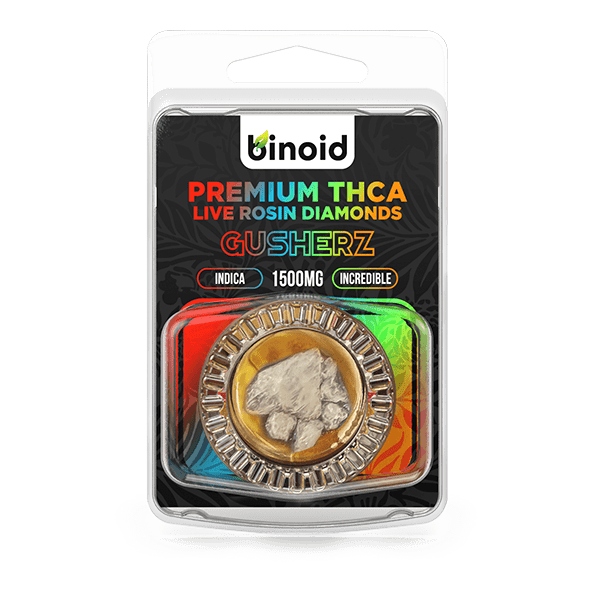
The result what the industry calls diamonds is a THCA crystal of remarkable purity, often testing at 95% to 99% THCA before any secondary processing. The terpene-rich liquid medium from which the crystals precipitated, called terp sauce, separates from the solid crystal fraction during the process and can be recombined with the diamonds at specific ratios to produce the finished product familiar to concentrate consumers: crystalline THCA diamonds suspended in a fragrant, viscous sauce whose terpene complexity reflects the full aromatic profile of the source cultivar. This diamonds-in-sauce presentation is where extraction science and sensory experience converge most dramatically, and it is the format in which Binoid CBD’s THCA Diamonds offerings at Binoidcbd.com most fully express both the technical achievement of the production process and the experiential potential it creates.
THCA Badder: Texture as Philosophy
While diamonds represent the most visually dramatic expression of THCA concentrate production, they are not the only concentrate format whose quality and character merit serious attention. THCA badder sometimes rendered as “batter” in reference to the culinary analogy its texture most closely evokes occupies a distinct and equally compelling position in the concentrate landscape, one defined not by the crystalline precision of diamond formation but by a different kind of deliberate process control applied toward a different experiential end.
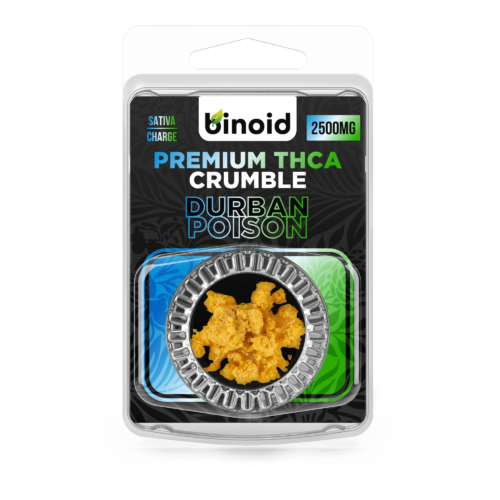
Badder is produced through a post-extraction processing technique that introduces mechanical agitation whipping, stirring, or a combination of both into the concentrate at controlled temperatures that encourage the formation of a homogeneous, emulsified texture rather than the phase separation that produces diamonds and sauce. The result is a product with the consistency of a soft, malleable paste or a thick cake frosting: uniform throughout, easy to work with, and visually opaque in a way that reflects the thorough integration of cannabinoids, terpenes, and minor plant compounds that the whipping process achieves.
THCA badder is, in many ways, the most user-friendly of the premium concentrate formats it portions easily, loads onto a dab tool with intuitive reliability, and delivers a full-spectrum experience whose terpene expression, while perhaps less dramatically showcased than in a diamonds-in-sauce presentation, is distributed evenly throughout the product rather than concentrated in a separate liquid fraction.
The terpene preservation in a well-produced badder is a function of the temperature control applied throughout the post-extraction processing too much heat drives off the volatile aromatic compounds that define the product’s sensory character, while insufficient agitation fails to achieve the textural homogeneity that makes badder what it is. The best THCA badder in the current market reflects an extractor’s ability to hold these competing variables in precise balance, and Binoid CBD’s badder offerings represent exactly this standard: products whose texture, color, and aroma reflect a processing protocol applied with the consistency that only established expertise and rigorous process control can produce.
THCA Crumble: The Case for Dry Complexity
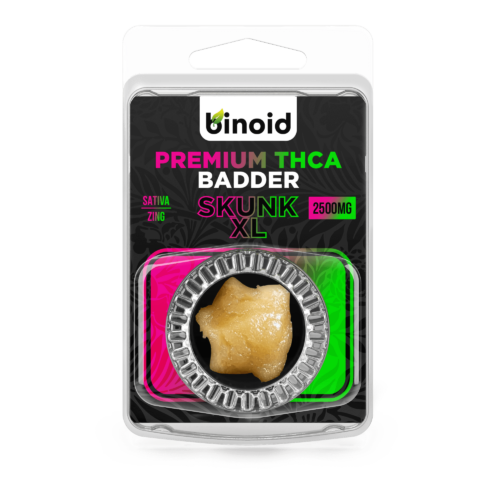
THCA crumble completes the triumvirate of premier concentrate formats with a texture and production pathway that differs from both diamonds and badder in ways that produce a genuinely distinct consumption experience. Crumble is produced through a post-extraction purging process that applies low heat and vacuum pressure over an extended period typically longer than the purge cycles used for other concentrate textures which drives off residual extraction solvent while simultaneously encouraging the concentrate to adopt the dry, friable, honeycomb-like texture that gives the format its name. The result is a product that, when handled, breaks apart into irregular chunks and fine granules rather than flowing, stretching, or molding like waxier or saucier formats.
This dry texture is not merely a handling characteristic it is an expression of the product’s molecular state. The extended purge that produces crumble’s distinctive consistency also concentrates the cannabinoid content by removing more of the residual solvent and lighter terpene fractions than shorter purge cycles preserve. The tradeoff is a product that may express somewhat less of the volatile terpene complexity that makes fresh sauce or well-processed badder so aromatically engaging, but compensates with a robustness and shelf stability that suits certain consumption contexts better than more delicate formats.
THCA crumble is the concentrate that travels well, stores forgivingly, and offers a portioning and loading experience that many consumers find more controllable than the liquid dynamics of sauce or the stickiness of wax. For the consumer building a rotation of concentrate formats across different occasions and priorities, crumble earns its place through practical virtues as much as through sensory ones and Binoid CBD’s crumble offerings deliver those virtues against the same standard of sourcing rigor, extraction quality, and third-party verification that defines the brand’s entire concentrate catalog.
The Decarboxylation Gateway: Understanding What Happens When You Use These Products
One of the most important pieces of conceptual clarity that any THCA Diamonds guide must establish and one that the casual consumer sometimes encounters only after purchasing is the precise relationship between THCA in its crystalline form and the psychoactive experience that consuming it produces. THCA, as noted above, is not psychoactive in its native acidic state. The carboxyl group attached to its molecular structure creates a three-dimensional incompatibility with the CB1 receptor that prevents the binding interaction through which delta-9 THC produces its well-characterized effects on perception, cognition, and mood. A jar of THCA diamonds, sitting at room temperature, is a jar of non-psychoactive crystalline organic acid chemically stable, visually spectacular, and experientially inert until heat is applied.
That heat whether from a dab rig’s heated nail, an electronic concentrate vaporizer’s atomizer, or any other high-temperature consumption method initiates decarboxylation: the thermal cleavage of the carboxyl group that converts THCA into delta-9 THC, releasing carbon dioxide and producing the psychoactive compound in essentially the same moment that it is being vaporized for inhalation.
This conversion is rapid and nearly complete under the temperatures achieved by concentrate consumption methods, which means that the consumer’s experience with THCA Diamonds is, neurochemically, the experience of delta-9 THC not a separate or lesser experience, not a distinct pharmacological profile, but the full, genuine delta-9 THC interaction with the endocannabinoid system that the cannabinoid’s receptor pharmacology produces. The legal accessibility of THCA in the hemp-derived market, and the genuine psychoactive experience it delivers upon decarboxylation, are not in contradiction they are the precise reason this product category has attracted such serious consumer attention.
The potency implications of this conversion deserve explicit attention, because THCA diamonds testing at 95% or above represent a concentration of precursor material that becomes, upon decarboxylation, an almost pharmaceutically concentrated delta-9 THC experience. This is not a product category that forgives casual dosing.
The consumer approaching THCA diamonds, Badder, or Crumble for the first time particularly coming from a background with flower or even standard vape cartridges should approach with genuine respect for the potency gradient and a conservative starting dose that allows for calibration before escalation. The experience that premium concentrates from Binoid CBD’s catalog can deliver is exceptional precisely because it operates at a level of cannabinoid concentration that flower and most distillate vapes cannot approach. That exceptionalism demands proportionally exceptional intentionality from the consumer.
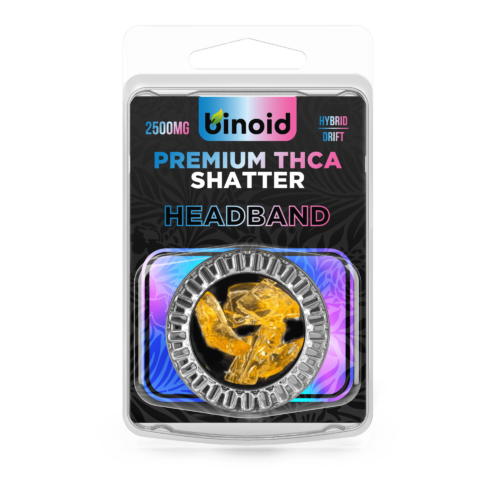
Consumption Methods: The Equipment That Honors the Product
The consumption methods appropriate for THCA diamonds, badder, and crumble are collectively referred to as dabbing a term that encompasses several hardware configurations but is unified by the essential principle of applying a precise, high-temperature heat source to a small quantity of concentrate in a way that vaporizes rather than combusts it. The equipment through which this happens has evolved considerably alongside the concentrate market, and the choices available to the contemporary consumer range from traditional glass dab rigs with butane-heated bangers to sophisticated electronic devices that offer temperature control, consistent thermal management, and a consumption experience that the open-flame tradition cannot replicate with the same precision.
The traditional dab rig a water pipe fitted with a removable quartz, titanium, or ceramic nail or banger remains the reference configuration for experienced concentrate consumers, and its enduring popularity reflects genuine functional advantages that electronic alternatives have not entirely displaced. Quartz bangers, in particular, have become the dominant nail material in the premium dabbing world because quartz’s thermal properties rapid heat uptake, excellent heat retention, and flavor neutrality that neither imparts off-notes to the vapor nor degrades at the temperatures required for thorough concentrate vaporization make it the most faithful medium for expressing the terpene profile and cannabinoid character of a high-quality concentrate.
The technique of cold-start dabbing loading the concentrate into a room-temperature banger and then applying heat gradually until vaporization begins has gained significant traction among terpene-conscious consumers as a method for preserving the most volatile aromatic compounds that high-heat torch application can drive off before the vapor even reaches the consumer’s palate.
Electronic dab devices variously called e-rigs, electronic nails, or smart rigs depending on the specific configuration have addressed the technique sensitivity and repeatability limitations of traditional torch-and-banger setups by introducing digitally controlled heating elements that maintain precise temperature targets throughout the consumption session.
The practical benefits for THCA Diamonds, badder, and crumble are meaningful: a consumer who has identified the temperature range at which their preferred Binoid CBD concentrate expresses its terpene profile most fully typically between 450°F and 600°F depending on the specific formulation and desired vapor character can reproduce that experience with electronic precision rather than relying on the tactile judgment that torch dabbing requires. For consumers who are new to concentrates or who prioritize consistency over the ritual satisfactions of the traditional method, electronic devices represent a genuinely superior entry point into the concentrate experience.
The Sourcing and Testing Standard That Defines the Category’s Best
The quality ceiling of the THCA diamonds, badder, and crumble category is set not by the sophistication of the extraction technique but by the quality of the hemp biomass that enters the process. Concentrate production compresses and concentrates everything present in the starting material the desirable cannabinoids and terpenes, certainly, but also any agricultural contaminants, residual pesticides, or heavy metals that the biomass carries from the growing environment. This amplification dynamic means that the agricultural and sourcing standards applied to concentrate-grade hemp are, if anything, more consequential than those applied to the production of flower or distillate for edible formulations, where the processing pathway offers more opportunities for contaminant removal.
Binoid CBD’s THCA concentrate catalog at Binoidcbd.com is built on the same domestically sourced, rigorously verified hemp supply chain that underlies every product in the brand’s broader offering — indoor-cultivated, compliance-tested at the agricultural level, and processed through extraction methodologies that produce starting material whose purity is reflected in finished concentrates that test with the clarity and cleanliness that ISO 17025-accredited laboratory analysis can confirm and that the consumer can verify through batch-specific COA documentation before purchase.
The heavy metals panel, the residual solvents panel, the microbiological screen, and the cannabinoid potency confirmation that appear in those documents are not administrative formalities. They are the molecular biography of the product the evidence that the diamond in the jar is as pure as its visual clarity suggests and as potent as its label claims. In a concentrate market where the stakes of inadequate verification are higher than in almost any other cannabinoid product category, that documentation is the most important thing a jar of THCA Diamonds can come with.
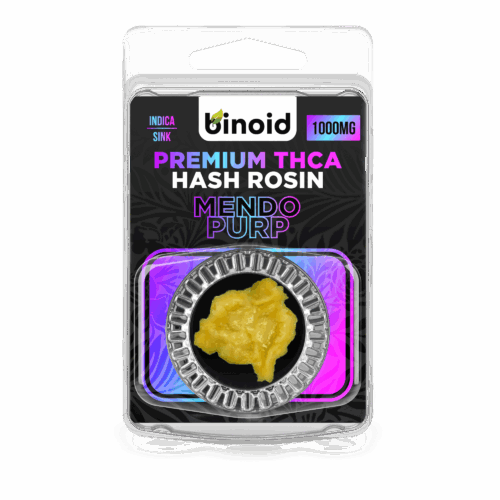
Choosing Your Concentrate: A Framework for the Serious Consumer
The consumer standing at the decision point between THCA Diamonds, THCA badder, and THCA crumble is, in many ways, an enviable position to occupy not because the choice is trivial but because all three options, sourced from a brand with Binoid CBD’s formulation standards and verification infrastructure, represent genuine excellence across different experiential and practical dimensions. The diamond-and-sauce format is the choice for the consumer whose priorities run toward maximum potency, visual drama, and the full terpene complexity that a high-quality sauce fraction can deliver when consumed alongside the crystalline THCA at the temperatures that honor both.
Badder is the choice for the consumer who values handling ease, textural consistency, and a full-spectrum experience distributed evenly throughout the product rather than separated into distinct fractions. Crumble is the choice for the consumer who prizes shelf stability, portioning control, and a concentrate whose practical virtues make it the most versatile format across different dabbing configurations and occasions.
What all three share and what the broader concentrate category demands above everything else is a consumer prepared to engage with them on their own terms: with appropriate hardware, calibrated dosing discipline, genuine respect for the potency that THCA’s near-complete decarboxylation efficiency produces, and an appreciation for the extraction science and sourcing rigor that separates a jar of Binoid CBD concentrate from the less documented, less verified material that populates too much of the market. The crystal is the product. The chemistry is the experience. The intelligence you bring to both is what determines whether you are merely consuming a concentrate or genuinely understanding one.