Somewhere in the space between raw cannabis flower and a laboratory bench sits one of the more visually spectacular transformations in the modern hemp industry the crystallization of tetrahydrocannabinolic acid into faceted, translucent structures that genuinely resemble gemstones under the right light. THCA diamonds represent the far end of a potency spectrum that begins with THCA flower, and understanding where each format sits on that spectrum, what production process gets you there, and what the experiential and practical differences actually are requires a level of technical clarity that most casual product descriptions never bother to provide. This is a comparison worth taking seriously, because the gap between flower and diamonds is not merely a matter of degree it is a difference in manufacturing philosophy, consumption ritual, and the kind of consumer each format is genuinely built to serve.
Both formats begin with the same underlying molecule. THCA, or tetrahydrocannabinolic acid, is the non-intoxicating precursor compound that cannabis plants naturally biosynthesize in their trichomes, and it converts into the psychoactive delta 9 THC through decarboxylation a thermal process that cleaves a carboxyl group from the molecule the moment heat is applied via smoking, vaporizing, or baking. Neither THCA flower nor THCA diamonds are intoxicating in their raw, unheated state; the psychoactive experience associated with both formats only materializes at the point of consumption, when flame or vapor heat completes the molecular conversion that the living plant never performs on its own.
To Buy THCA Flower Click Here
THCA Flower: Where the Journey Begins
THCA flower is, in the most literal sense, cannabis flower cultivated and cured specifically to maximize its THCA content while remaining compliant with the 0.3% delta 9 THC by dry weight threshold established under the 2018 Farm Bill. The cultivation process for premium THCA flower is not meaningfully different from the cultivation process behind the finest traditional cannabis it demands the same attention to lighting spectra, humidity control, nutrient timing, and harvest maturity that any serious cultivator would apply, because THCA content and terpene expression are both products of a plant grown under genuinely optimal conditions rather than one rushed through a commodity growing cycle.
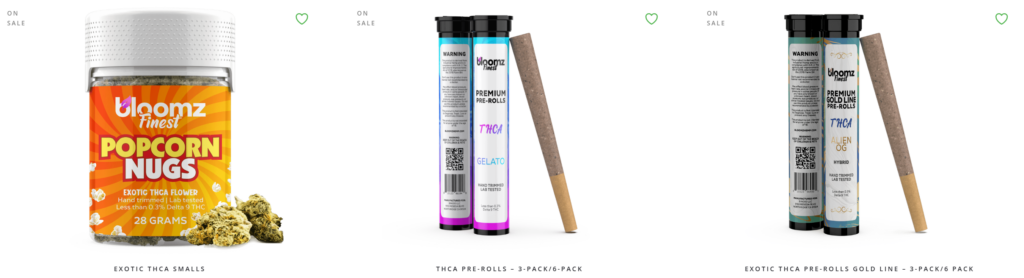
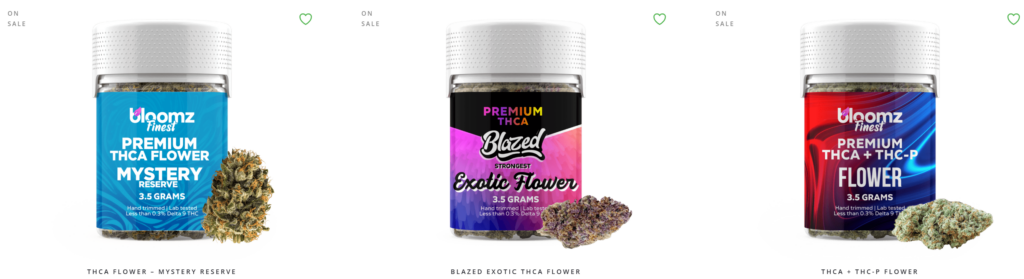
The potency range for high-quality THCA flower typically falls somewhere between fifteen and twenty-five percent THCA by weight, a figure that places it comfortably in the same territory as premium dispensary-grade traditional cannabis. What makes flower distinct from concentrate formats is that it retains the plant’s full terpene and minor cannabinoid profile in its most complex, least processed form the aromatic compounds that give a particular cultivar its signature character have not been isolated or stripped away through extraction, meaning the smoking or vaporizing experience delivers the complete entourage of compounds working in concert exactly as they developed in the living plant.
This is why connoisseurs who prioritize strain-specific terpene expression and the nuanced sensory experience of a well-cured flower often gravitate toward this format even when higher-potency alternatives are readily available. The THCA flower selections curated at BinoidCBD.com are chosen specifically with this sensory standard in mind, sourced from cultivators who treat indoor growing conditions as a baseline commitment rather than a premium upcharge.
THCA Diamonds: Potency Distilled to Its Purest Expression
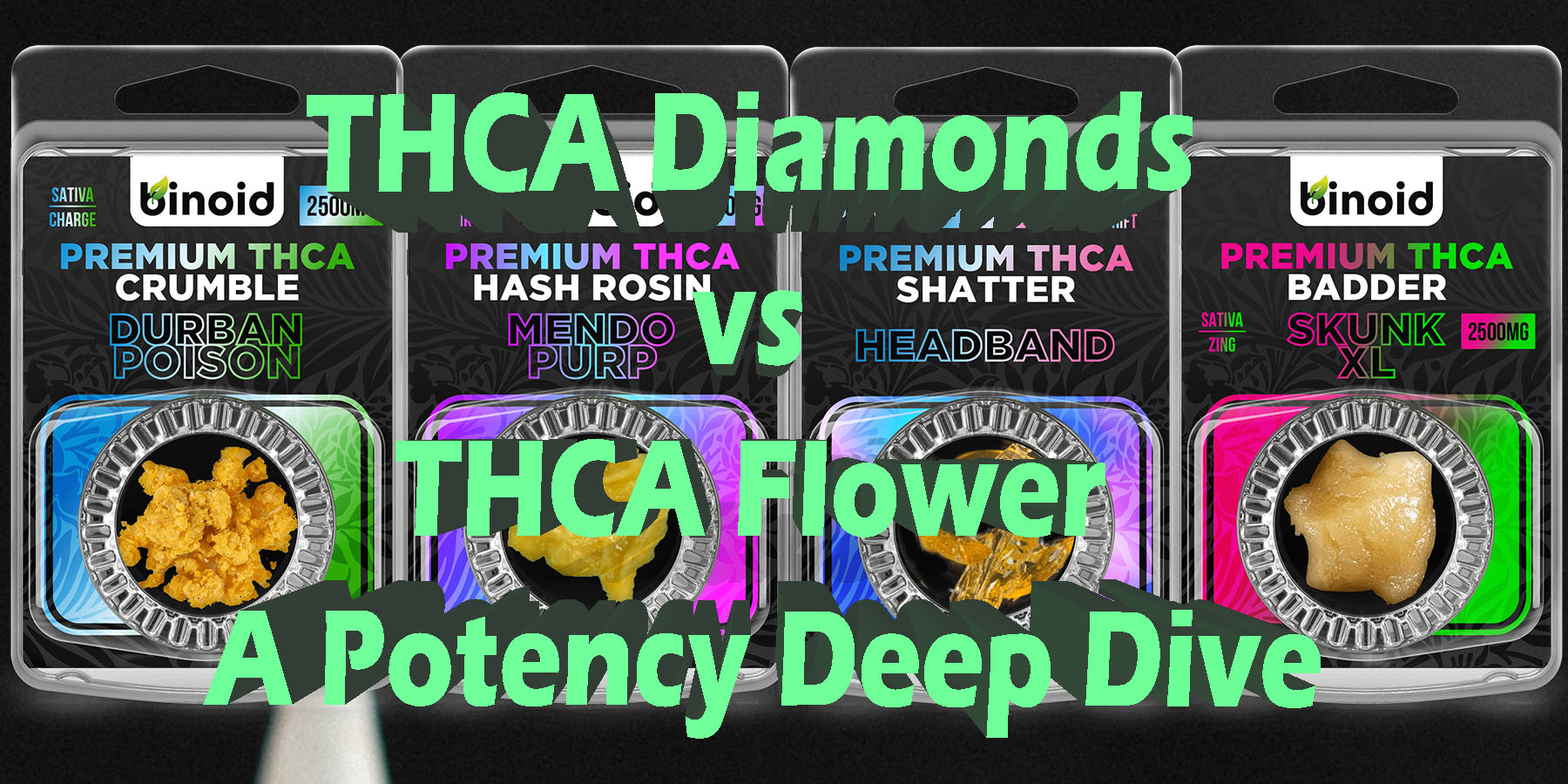
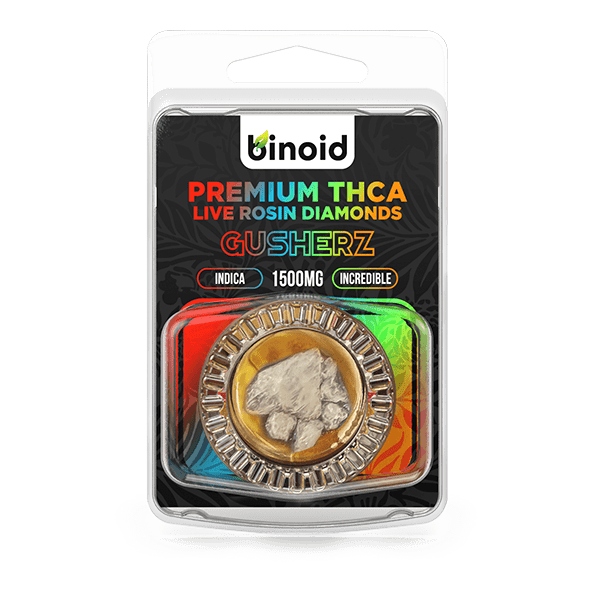
THCA diamonds occupy an entirely different position on the potency spectrum, and the production process behind them explains why. Diamonds are formed through a controlled crystallization process that typically begins with a hydrocarbon or solventless extraction of cannabis biomass, followed by a purification and nucleation process during which THCA molecules, under carefully managed temperature and pressure conditions, gradually organize themselves into a crystalline lattice structure quite literally growing into faceted crystals over a period of days or weeks in a process that mirrors, at a molecular level, the way that mineral crystals form in nature. The result is a product that can test at ninety-five percent THCA or higher, an almost pharmaceutically concentrated expression of the compound that represents the highest potency ceiling currently achievable in the legal hemp market.
This dramatic potency difference is not simply a matter of “more is better” it fundamentally changes the consumption ritual and the kind of experience the format is designed to deliver. Diamonds are typically consumed through dabbing, using a specialized rig capable of generating and maintaining the precise temperatures needed to vaporize the crystal cleanly, or by being combined with flower to boost the potency of a more traditional smoking session.
Because a single dab of ninety-five percent THCA diamonds represents an almost pharmaceutical dose once decarboxylated, this format is unambiguously built for the experienced consumer who understands their tolerance with precision and has developed the technical skill to manage a dab rig properly rather than someone dipping a toe into cannabis for the first time. The THCA diamond and concentrate offerings available through Binoidcbd.com are positioned explicitly for this connoisseur audience, paired with detailed product education that respects the sophistication of the consumer choosing this format.
The Terpene Trade-Off: What Gets Lost in Pursuit of Pure Potency
One of the more counterintuitive aspects of the flower-versus-diamonds comparison is that the pursuit of maximum THCA purity generally comes at the cost of terpene complexity, and this trade-off is worth understanding in detail before assuming that higher potency automatically means a superior product. The crystallization process that produces diamonds is, by its nature, a purification process it is specifically designed to isolate THCA in its most concentrated form, which means the terpenes and minor cannabinoids that contribute to a flower’s distinctive aroma and nuanced effect profile are largely separated out during production. This is why diamonds are frequently sold alongside or infused with a separately extracted terpene sauce, allowing manufacturers to reintroduce aromatic complexity that the crystallization process itself strips away.
Flower, by contrast, never separates the THCA from its surrounding terpene matrix in the first place, which is precisely why flower connoisseurs describe an experience that feels more textured, more strain-specific, and more true to the plant’s original character than the comparatively one-dimensional intensity of a pure diamond. Neither approach is objectively superior they simply optimize for different priorities. A consumer who values potency above all else, who wants the most concentrated possible expression of THCA available on the legal hemp market, will find diamonds the more compelling format.
A consumer who values the full sensory experience of a well-cultivated cultivar, the ritual of grinding and rolling flower, and the complex entourage of compounds working together will find flower the more satisfying choice. BinoidCBD.com maintains a curated selection across both categories precisely because these represent genuinely different consumption philosophies rather than a simple hierarchy of better and worse.
Recommended products
-
THCA Diamonds 1500mg – Live Rosin
$30.99$59.99 -
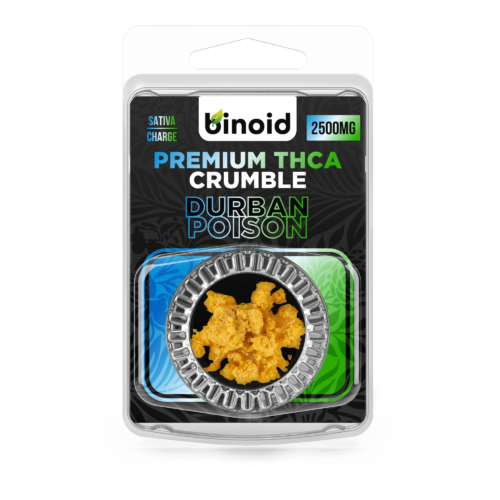
THCA Crumble – 2500mg
$37.99$59.99 -
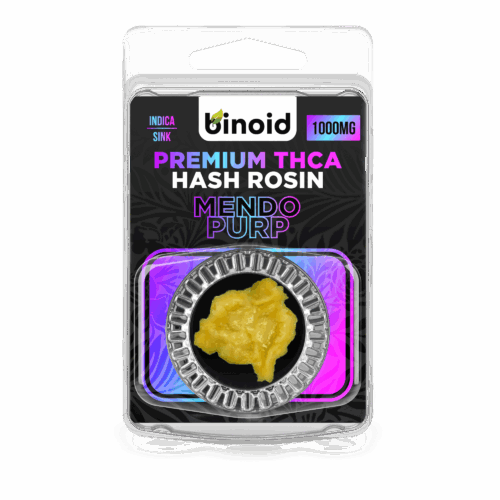
THCA Hash Rosin Dabs – 1000mg
$33.99$59.99 -
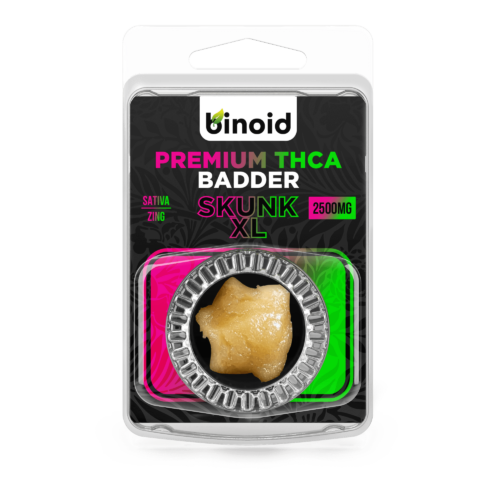
THCA Badder – 2500mg
$37.99$59.99
Reading the Certificate of Analysis: Where the Real Comparison Happens
Any serious potency comparison between THCA flower and THCA diamonds has to begin and end with the certificate of analysis, because label claims in this space vary enormously in their accuracy and the only reliable way to verify actual cannabinoid content is through accredited third-party laboratory testing. A COA from an ISO 17025 accredited facility will report the specific THCA percentage for a given flower batch or diamond batch, along with the delta 9 THC concentration that confirms Farm Bill compliance, and a full panel of contaminant screening covering pesticides, heavy metals, and microbial safety. This documentation is what separates a genuinely premium THCA product from the considerable volume of mislabeled and under-tested material circulating in less rigorous corners of the hemp market.
The batch-specific COA transparency maintained across the full THCA catalog at BinoidCBD.com allows a consumer to make a genuinely informed potency comparison rather than relying on marketing language or an outdated lab report that may not reflect the specific batch in hand. This matters especially for diamonds, where the purification process is sensitive enough that even small production variances can meaningfully affect the final THCA percentage, and where a consumer paying a premium price for maximum potency deserves batch-verified confirmation that they are actually receiving what the label promises. Flower testing carries its own complexity, given the natural variance that exists across different growing cycles and even different sections of the same harvest, which is exactly why lot-specific documentation rather than a single blanket COA applied across an entire product line is the standard that a genuinely accountable brand should be held to.
Making the Choice That Fits Your Consumption Style
Ultimately, the decision between THCA flower and THCA diamonds comes down to matching the format to the experience you are actually seeking rather than defaulting to whichever option carries the highest percentage on its label. The consumer drawn to the ritual of flower the grinding, the rolling, the strain-specific aroma, the full terpene-driven complexity of the experience will find diamonds an unsatisfying substitute regardless of their impressive potency numbers, because the entire appeal of flower lies in dimensions that a purified crystal simply cannot replicate. Conversely, the experienced consumer seeking the most concentrated, most efficient potency available in the legal hemp market, comfortable with dab rig technique and confident in their tolerance, will find flower an underwhelming ceiling compared to what a properly produced diamond can deliver.
What both formats share, and what should remain non-negotiable regardless of which one a given consumer chooses, is the expectation of rigorous, current, batch-specific laboratory verification from an accredited testing facility. The THCA category, spanning both the flower and concentrate formats available through Binoidcbd.com, has been built around exactly this principle that potency claims are only meaningful when they can be verified, and that the most sophisticated consumers in this market have earned the right to demand exactly that level of transparency before making their purchasing decision.
To Buy THCA Diamonds Products Click Here