The Quiet Coup
Somewhere in the last eighteen months, without much fanfare or a singular viral moment to mark the occasion, THCA vape cartridges quietly became the default choice for a huge swath of experienced cannabis consumers — not the novelty format, not the backup option, but the daily driver. This is worth pausing on, because it represents a genuine shift in consumer behavior rather than a marketing narrative imposed from outside. Flower has its rituals. Concentrates have their theater. But the cartridge — unglamorous, utilitarian, easy to dismiss as merely convenient — has won the daily-use battle through a combination of consistency, discretion, and a steadily improving technical foundation that has made “convenient” and “high-quality” no longer mutually exclusive categories.
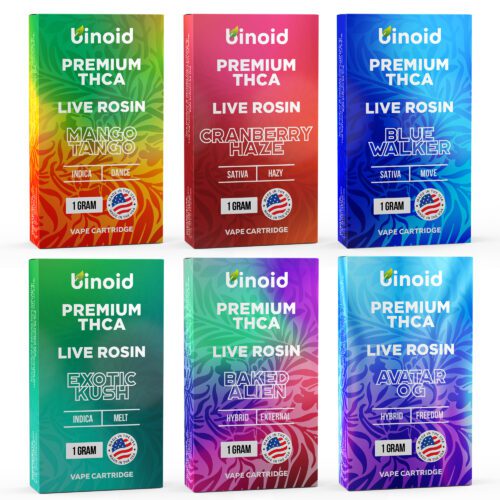
Understanding why requires looking past the surface-level appeal of convenience and into the actual chemistry and engineering that separate a genuinely excellent THCA cartridge from the sea of forgettable alternatives that flooded the market during the category’s earlier, more chaotic years. The THCA vape cartridge of 2026 is not the same product that defined the format in 2021. It is a more sophisticated, more carefully engineered piece of hardware and formulation science, and the brands that have taken that evolution seriously — Binoid CBD prominent among them — have effectively redefined what consumers should expect from a daily-use cannabis product.
To Buy THCA Vape Products Click Here
The Molecular Case: Why THCA Vapes Deliver What Flower Promises
At the center of the THCA vape cartridge‘s appeal is a molecular reality that deserves to be stated plainly: THCA, the naturally occurring precursor to Delta 9 THC found in raw cannabis, converts into its active, psychoactive form the instant heat is applied — a process called decarboxylation. In a well-engineered cartridge, this conversion happens cleanly and immediately at the coil, meaning the consumer experiences the full architecture of a Delta 9 THC high with none of the combustion byproducts, tar, or plant material associated with smoking flower. This is not a diminished or synthetic version of the cannabis experience; it is, at the neurochemical level, the same experience flower delivers, arrived at through a cleaner and more controllable delivery mechanism.
What separates an exceptional THCA vape from a mediocre one comes down almost entirely to formulation discipline. Live resin extraction — a process that captures cannabinoids and terpenes from fresh-frozen plant material rather than dried and cured biomass — preserves a dramatically more complete aromatic and flavor profile than distillate-only formulations, which often taste flat or one-dimensional by comparison.
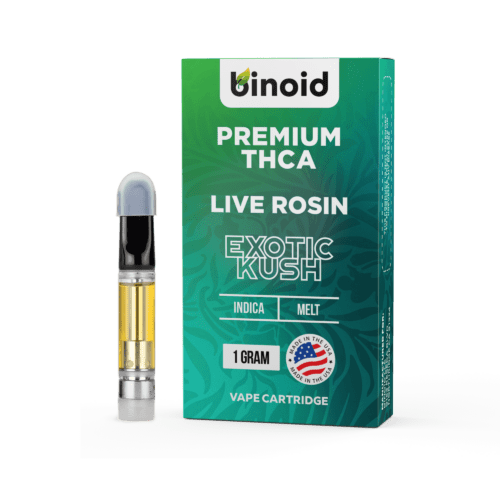
The best cartridges on the market, including the live-resin-infused options available through Binoid CBD, use this approach specifically because it retains the volatile terpene compounds that define strain character, the same compounds that would otherwise degrade or evaporate during a slower, less careful extraction and curing process. The difference between a live-resin cartridge and a cheap distillate-only alternative is immediately obvious to anyone who has tried both back to back — one tastes like the plant it came from, and the other tastes like an approximation.
Hardware as the Unsung Hero
Consumers spend an enormous amount of energy evaluating cannabinoid content and terpene profiles, and comparatively little evaluating the actual hardware that delivers the product — which is a significant oversight, because the cartridge’s physical engineering determines whether all that careful formulation work actually translates into a good pull. Coil material matters enormously here. Ceramic and quartz heating elements distribute heat more evenly than the cheaper metal-coil alternatives that still populate the bottom tier of the market, reducing the risk of scorched hits that destroy the delicate terpene profile a formulator worked hard to preserve. A THCA cartridge that overheats its oil doesn’t just taste worse; it actively degrades the cannabinoid and terpene content with every draw, turning a premium formulation into a mediocre experience through nothing more than poor thermal engineering.
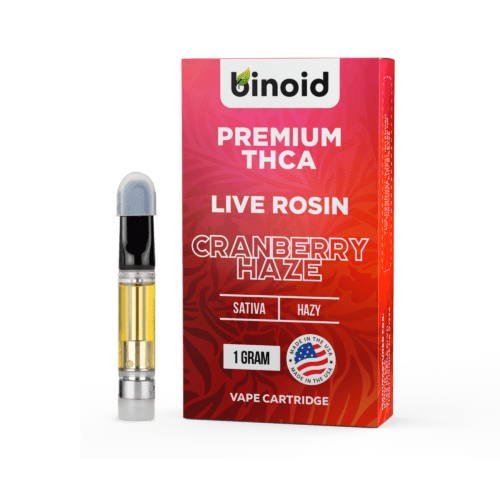
Airflow design is the second, quieter variable that separates excellent hardware from frustrating hardware. A cartridge with poorly calibrated airflow either produces a draw so restrictive that it discourages proper vapor production or so loose that it floods the mouth with harsh, under-vaporized oil. The cartridges that have earned genuine daily-driver status among connoisseurs tend to share a specific hardware signature: consistent, moderate airflow resistance that encourages a slow, deliberate pull, paired with a wicking system substantial enough to keep pace with that airflow without running dry. This is precisely the kind of detail that separates a brand genuinely invested in the vaping experience from one simply filling generic hardware with oil and hoping for the best — and it is exactly the kind of engineering rigor that has become a baseline expectation for anything carrying the Binoid CBD name.
The Daily-Use Case: Discretion, Consistency, and Dosing Precision
The case for THCA vape cartridges as a genuine daily-use format rests on three pillars that flower and concentrates each struggle to match simultaneously. The first is discretion — a cartridge produces a fraction of the odor and visible vapor cloud associated with flower, making it dramatically more compatible with the realities of apartment living, workplace proximity, and simply not wanting every interaction with cannabis to become a public event. The second pillar is consistency: a well-manufactured cartridge delivers essentially the same experience draw after draw, cartridge after cartridge, in a way that flower — with its natural variation in trichome density and curing quality — inherently cannot replicate. For a consumer building cannabis into a genuine daily rhythm rather than an occasional indulgence, this predictability is not a minor convenience; it is close to the entire value proposition.
The third pillar, dosing precision, deserves particular attention because it is so frequently underappreciated. A single, controlled draw from a quality cartridge delivers a far more predictable and repeatable dose than a bowl of flower, where combustion efficiency, pull duration, and even the specific piece of flower loaded into the bowl introduce variables that make precise self-titration genuinely difficult. This matters enormously for the consumer trying to maintain a functional daily relationship with THC — someone who wants a specific, reliable experiential target rather than the wide variance that flower consumption inherently introduces. This is where THCA cartridges have quietly outpaced flower as the more sophisticated choice, not because flower lacks merit, but because the cartridge format simply serves the daily-use case with a level of precision flower was never designed to provide.
The Sourcing Question: Why Not All Cartridges Are Created Equal
The THCA vape cartridge market’s rapid growth has, predictably, attracted its share of opportunistic manufacturers cutting corners on both hardware and formulation quality, and the consumer who wants a genuine daily driver rather than a disappointing gamble needs to know what to look for. The single most important document in this evaluation is the certificate of analysis — specifically, one from an ISO 17025 accredited laboratory that verifies not just cannabinoid potency but the absence of residual solvents, heavy metals, and the cutting agents that some manufacturers have used to stretch distillate volume at the expense of both safety and experience. A cartridge without accessible, batch-specific COA documentation is, functionally, a cartridge asking for blind trust in an industry that has repeatedly demonstrated why blind trust is a poor strategy.
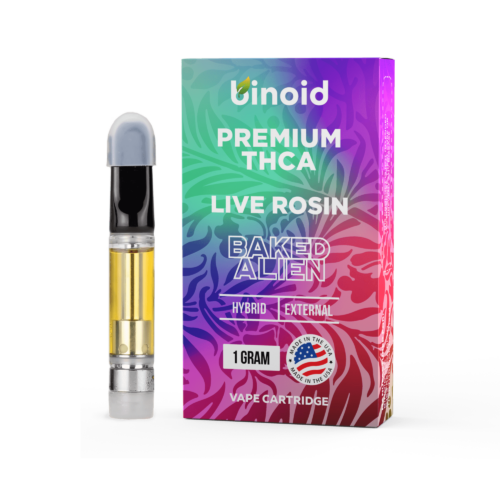
Binoid CBD has built its THCA vape program around exactly this kind of transparency, with lab documentation accessible directly on Binoidcbd.com for every batch in the catalog — covering cannabinoid concentration, terpene profiling, and the full safety-analyte panel that a serious consumer should expect as a baseline rather than a premium feature. This transparency extends to sourcing as well: the raw material quality of the flower or biomass entering the extraction process directly determines the ceiling of what any finished cartridge can achieve, and a brand willing to document that chain of custody is signaling something meaningfully different from a brand that simply markets potency numbers without supporting evidence. The cartridges that have earned genuine daily-use loyalty among discerning consumers are, almost without exception, the ones backed by this kind of documented rigor.
The Verdict: A Format That Earned Its Place
The rise of the THCA vape cartridges as the connoisseur’s daily driver is not a triumph of marketing over substance — it is the result of genuine technical maturation across extraction methodology, hardware engineering, and formulation science converging to produce a format that finally delivers on convenience without sacrificing the depth and authenticity that experienced consumers demand.
For the consumer evaluating whether to make the switch, the decision framework is straightforward: prioritize live-resin formulations over distillate-only options for terpene authenticity, scrutinize hardware specifications like coil material and airflow design rather than assuming all cartridges are interchangeable, and treat an accessible, ISO-accredited certificate of analysis as a non-negotiable baseline rather than a nice-to-have. A cartridge that satisfies all three criteria — the kind of standard reflected across Binoid CBD‘s THCA vape lineup — isn’t just a convenient alternative to flower. It’s a legitimately superior daily-use format for the consumer who has done the work to understand what quality actually looks like in this category.