The modern cannabis scene is nothing like it was even five years ago. Walk into any smoke shop or browse online, and you’re hit with a wave of options that go far beyond traditional flower. From vapes and gummies to diamonds and tinctures, the rise of hemp derived cannabinoids has completely reshaped the way people experience cannabis. At the center of this evolution are two heavy hitters that continue to spark debate among both newcomers and seasoned smokers: THCA and Delta 8.
On the surface, they might seem like just two more acronyms in an already crowded space. But once you get into how they work, how they feel, and how they fit into the broader cannabis culture evolution, the differences become impossible to ignore. Whether you’re trying to elevate your smoke sessions, dial in your ideal vibe, or just understand what you’re actually consuming, knowing the distinction between THCA products and Delta 8 is essential.
This is not just about potency or legality. It is about experience, intention, and how you want your cannabis to show up in your life.
To Buy THCA Products Click Here
Recommended products
-
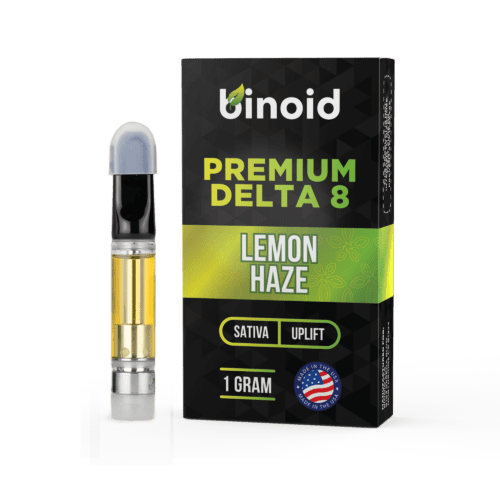
Delta 8 THC Vape Cartridge
$26.99$39.99 -
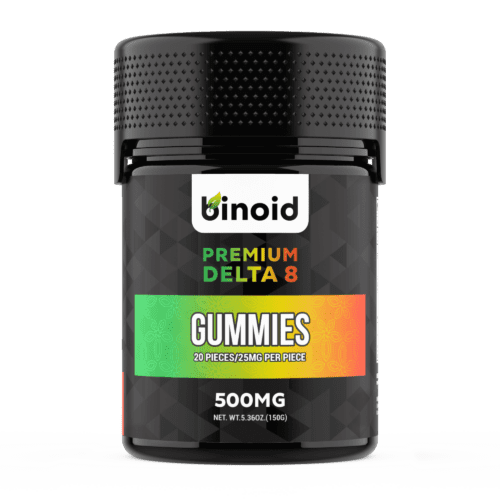
Delta 8 THC Gummies
$29.99$44.99 -
13,000mg Good Luck Gummies
$47.99$79.99 -
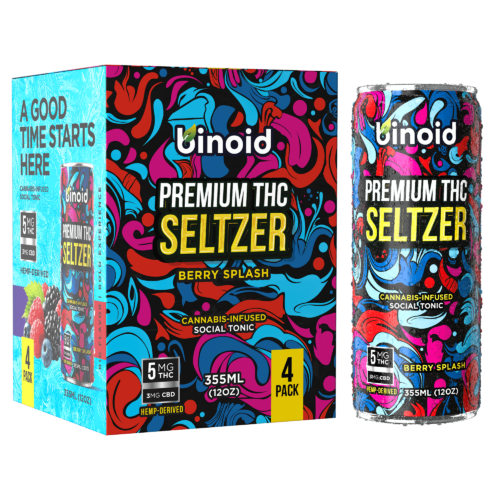
THC Seltzer – Good Vibes Cannabis Drink (4 Pack)
$19.99$29.99

The Rise of Hemp Derived Cannabinoids
Before diving into the specifics of THCA vs Delta 8, it helps to understand the bigger picture. The 2018 Farm Bill opened the floodgates for hemp derived cannabinoids, allowing compounds extracted from hemp to be sold legally as long as they contain less than 0.3% Delta 9 THC by dry weight. That single piece of legislation changed everything.
Suddenly, brands like Binoid CBD began pushing innovation to the next level, developing products that deliver real effects without crossing legal boundaries. This gave rise to cannabinoids like Delta 8, THC-P, HHC, and of course, THCA in its hemp-compliant form.
What we are seeing now is a golden age of experimentation. Consumers are no longer limited to whatever their local dispensary carries. Instead, they can fine-tune their experience with precision, choosing cannabinoids based on mood, tolerance, and lifestyle.
What Is THCA, Really?
THCA, or tetrahydrocannabinolic acid, is the raw, unheated precursor to Delta 9 THC. In its natural state, THCA is found in fresh cannabis flower and does not produce psychoactive effects on its own. That means if you were to consume THCA without heating it, you would not feel high in the traditional sense.
However, the moment you apply heat—through smoking, vaping, or dabbing—THCA undergoes a process called decarboxylation. This transforms it into Delta 9 THC, the compound responsible for the classic cannabis high.
This is where things get interesting. Many THCA products on the market are essentially high-quality hemp flower that, when smoked, delivers an experience nearly identical to traditional cannabis. That is why THCA has quickly become a go-to for people looking for a more authentic, full-spectrum high.
Unlike heavily processed cannabinoids, THCA retains the plant’s natural terpene profile. This means richer flavor, more nuanced effects, and a closer connection to the original plant.
What Is Delta 8?
Delta 8 THC is a naturally occurring cannabinoid found in small amounts in hemp and cannabis plants. However, most Delta 8 on the market is derived from CBD through a conversion process. The result is a compound that is chemically similar to Delta 9 THC but with a slightly altered molecular structure.
That small difference leads to a noticeably different experience. Delta 8 is often described as a smoother, more mellow high. It tends to produce less anxiety and paranoia compared to traditional THC, making it appealing to users who want to relax without feeling overwhelmed.
Delta 8 products come in a wide variety of forms, including gummies, vapes, tinctures, and concentrates. Brands like Binoid CBD have leaned heavily into Delta 8 innovation, offering everything from beginner-friendly edibles to high-potency vape cartridges.
THCA vs Delta 8: The Core Differences
When comparing THCA and Delta 8, it is important to understand that you are not just comparing two cannabinoids. You are comparing two entirely different approaches to cannabis consumption.
THCA is about authenticity. It delivers a traditional cannabis experience, especially when smoked or vaped. The effects are often stronger, more complex, and closer to what you would expect from high-quality flower.
Delta 8, on the other hand, is about accessibility and control. It offers a gentler high that is easier to manage, making it ideal for daytime use or for people with lower tolerance.
In terms of potency, THCA has the edge once it is converted into Delta 9 THC. Delta 8 is typically considered about 50–70% as potent as Delta 9, which makes it a more approachable option for many users.
The experience also differs in terms of mental clarity. THCA-derived highs tend to be more immersive and sometimes more intense, while Delta 8 is known for its clear-headed, functional effects.
The Experience: How They Actually Feel
Talking about cannabinoids in technical terms only goes so far. What really matters is how they feel in real life.
THCA products, especially when smoked, deliver that classic cannabis punch. You get the full-body relaxation, the mental euphoria, and the sensory enhancement that longtime smokers crave. Music sounds better, food tastes richer, and everything feels just a little more vivid.
There is also a depth to the THCA experience that comes from its terpene content. Depending on the strain, you might feel energized and creative or deeply relaxed and introspective. It is a more dynamic, layered high.
Delta 8 is a different vibe entirely. It is smoother, more predictable, and less likely to push you into uncomfortable territory. Many users describe it as a “functional high,” meaning you can still go about your day while enjoying a subtle lift in mood and relaxation.
This makes Delta 8 a popular choice for social settings, workdays, or situations where you want to stay present and in control.
Recommended products
-
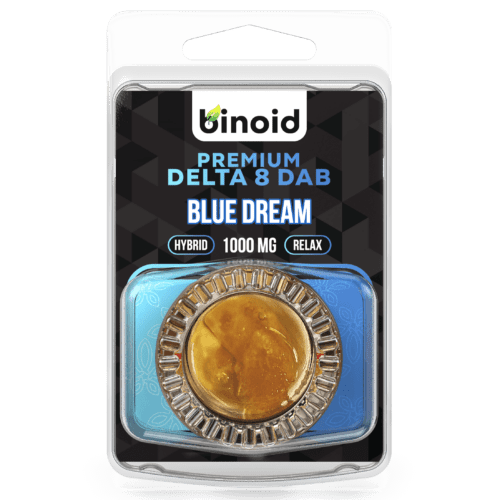
Delta 8 THC Wax Dabs
$25.99$44.99 -
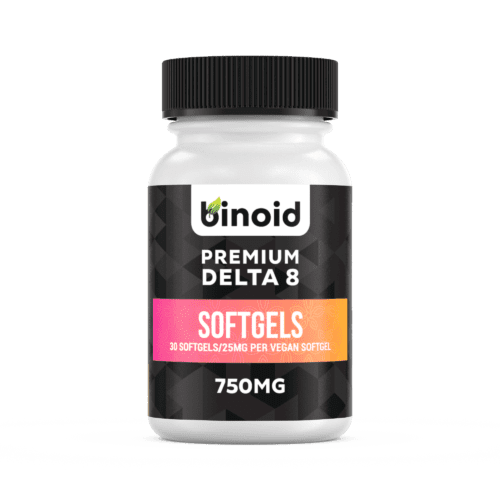
Delta 8 THC Capsules 750MG
$31.99$69.99 -
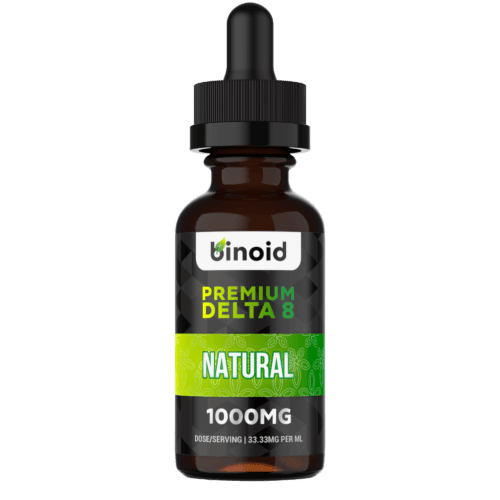
Delta 8 THC Tincture (1000mg, 2500mg, 5000mg)
$25.99$44.99 -
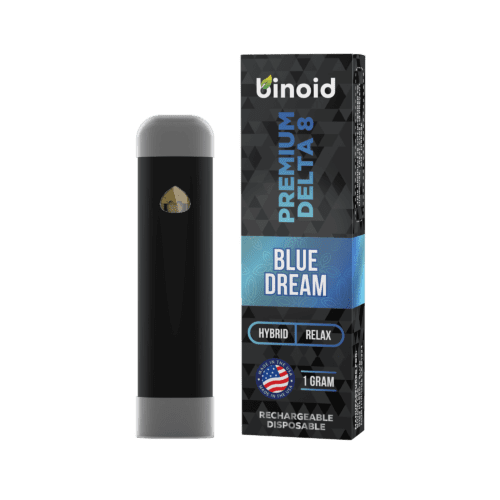
Delta 8 THC Rechargeable Disposable Vape
$26.99$54.99
Where THC-P Fits Into the Conversation
While THCA and Delta 8 dominate the discussion, it is impossible to ignore the growing presence of THC-P. Known for its extreme potency, THC-P has been making waves as one of the strongest hemp derived cannabinoids available.
Some products combine Delta 8 with THC-P to create a more powerful effect without fully stepping into the intensity of traditional THC. This hybrid approach allows users to customize their experience even further.
For those exploring beyond the basics, THC-P can add a new dimension to both THCA and Delta 8 products. However, it is not for beginners. Its potency demands respect and careful dosing.
Product Types: How You Consume Matters
The way you consume THCA and Delta 8 plays a huge role in the overall experience.
THCA products are most commonly found in flower form, as well as concentrates like diamonds and live resin. Smoking or vaping THCA flower is the closest you can get to traditional cannabis without stepping outside hemp regulations.
Delta 8, by contrast, shines in processed formats. Gummies, vapes, and tinctures allow for precise dosing and consistent effects. This makes it easier to control your intake and tailor your experience.
Brands like Binoid CBD have built entire product lines around this versatility, offering everything from Delta 8 disposables to infused edibles that cater to different preferences and tolerance levels.
Flavor, Terpenes, and the Full Spectrum Experience
One of the biggest advantages of THCA products is their terpene richness. Because they are less processed, they retain the natural flavors and aromas of the cannabis plant. This leads to a more authentic and enjoyable smoking experience.
Delta 8 products can still be flavorful, especially when infused with terpenes, but they often lack the complexity of raw flower. That said, many users appreciate the consistency and variety of flavors available in Delta 8 vapes and edibles.
If you are someone who values taste and aroma as much as effects, THCA is likely to stand out. If you prioritize convenience and variety, Delta 8 has its own appeal.
The Role of Tolerance and Experience Level
Choosing between THCA and Delta 8 often comes down to your tolerance and experience level.
For beginners, Delta 8 is usually the safer entry point. Its milder effects make it easier to gauge your limits and avoid overdoing it. It is forgiving in a way that traditional THC is not.
For experienced users, THCA offers a more robust and satisfying experience. It delivers the intensity and complexity that seasoned smokers are looking for.
That said, there is no rule that says you have to choose one over the other. Many people incorporate both into their routine, using Delta 8 for daytime and THCA for evening sessions.
Cannabis Culture Evolution: Why This Matters
The rise of THCA and Delta 8 is not just a trend. It is a reflection of how cannabis culture is evolving.
Consumers are becoming more educated and more intentional about their choices. They are no longer satisfied with generic highs. They want specific effects, tailored experiences, and products that fit seamlessly into their lifestyle.
This shift has pushed brands like Binoid CBD to innovate at a rapid pace, creating products that meet these demands while staying within legal boundaries.
It has also blurred the lines between hemp and cannabis, creating a new category that combines the best of both worlds.
Recommended products
-
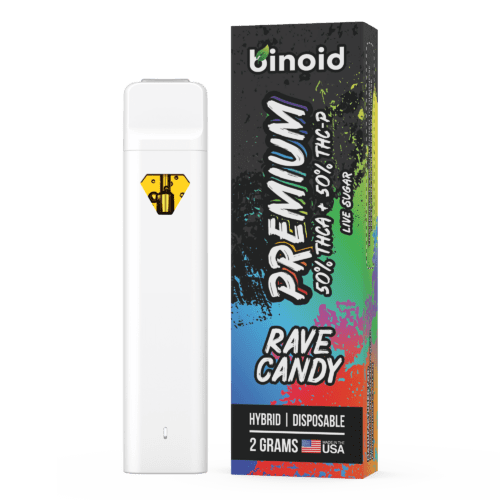
Live Sugar THCA + THC-P Disposable Vape – Pure 50/50
$39.99$69.99 -
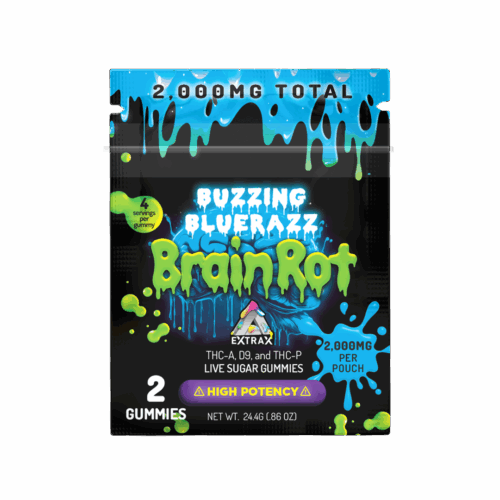
THCA Live Sugar 2 Pack Gummies – 2,000mg
$6.99$8.99 -
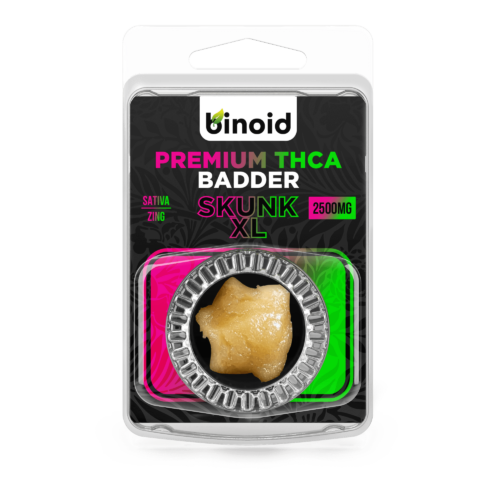
THCA Badder – 2500mg
$37.99$59.99 -
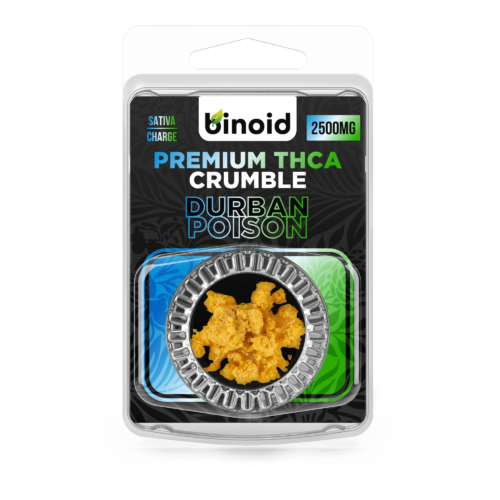
THCA Crumble – 2500mg
$37.99$59.99
Safety, Quality, and What to Look For
As with any cannabis product, quality matters. Not all THCA or Delta 8 products are created equal.
Look for brands that provide third-party lab testing, clear ingredient lists, and transparent sourcing. This is especially important for Delta 8, which involves chemical conversion processes.
THCA products should be properly cured and free of contaminants. The quality of the flower directly impacts the experience.
Trusted brands like Binoid CBD have built their reputation on consistency and transparency, making them a reliable choice for both beginners and experienced users.
Which One Should You Choose?
At the end of the day, the choice between THCA and Delta 8 comes down to what you are looking for.
If you want a classic cannabis experience with rich flavors and strong effects, THCA products are the way to go. They deliver the depth and authenticity that many users crave.
If you prefer a smoother, more manageable high that fits into your daily routine, Delta 8 is a solid option. It offers relaxation without overwhelming intensity.
For those who want the best of both worlds, experimenting with different products and combinations can lead to a more personalized experience.
Final Thoughts: The Future of Getting Lifted
The conversation around THCA vs Delta 8 is just one piece of a much larger puzzle. As hemp derived cannabinoids continue to evolve, the options available to consumers will only expand.
What we are witnessing is a shift toward customization and control. Whether it is through THCA products, Delta 8, or emerging cannabinoids like THC-P, the future of cannabis is all about choice.
And that is a good thing.
Because at the end of the day, the best high is the one that fits you.
To Buy Delta 8 THC Products Click Here
Recommended products
-
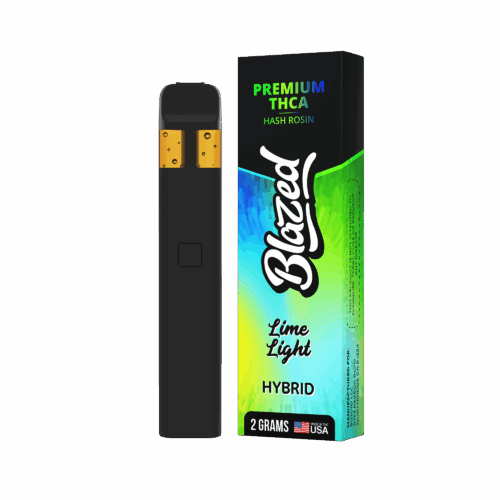
2 Gram THCA Disposable Hash Rosin – Blazed
$37.99$59.99 -
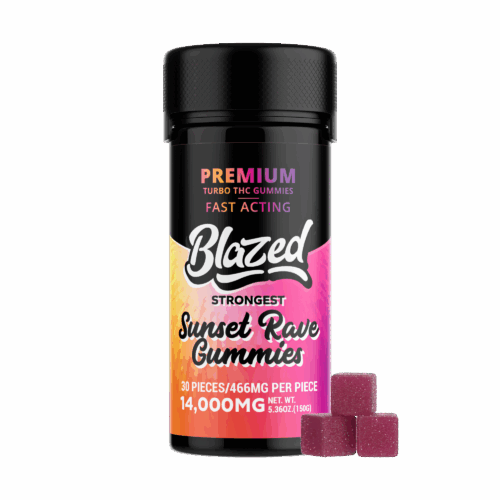
14,000MG Turbo THC Gummies – Blazed
$49.99$84.99 -
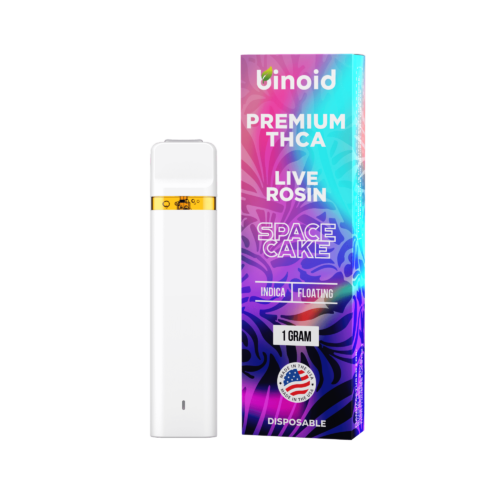
1 Gram THCA Disposable Vapes – Live Rosin
$32.99$67.99