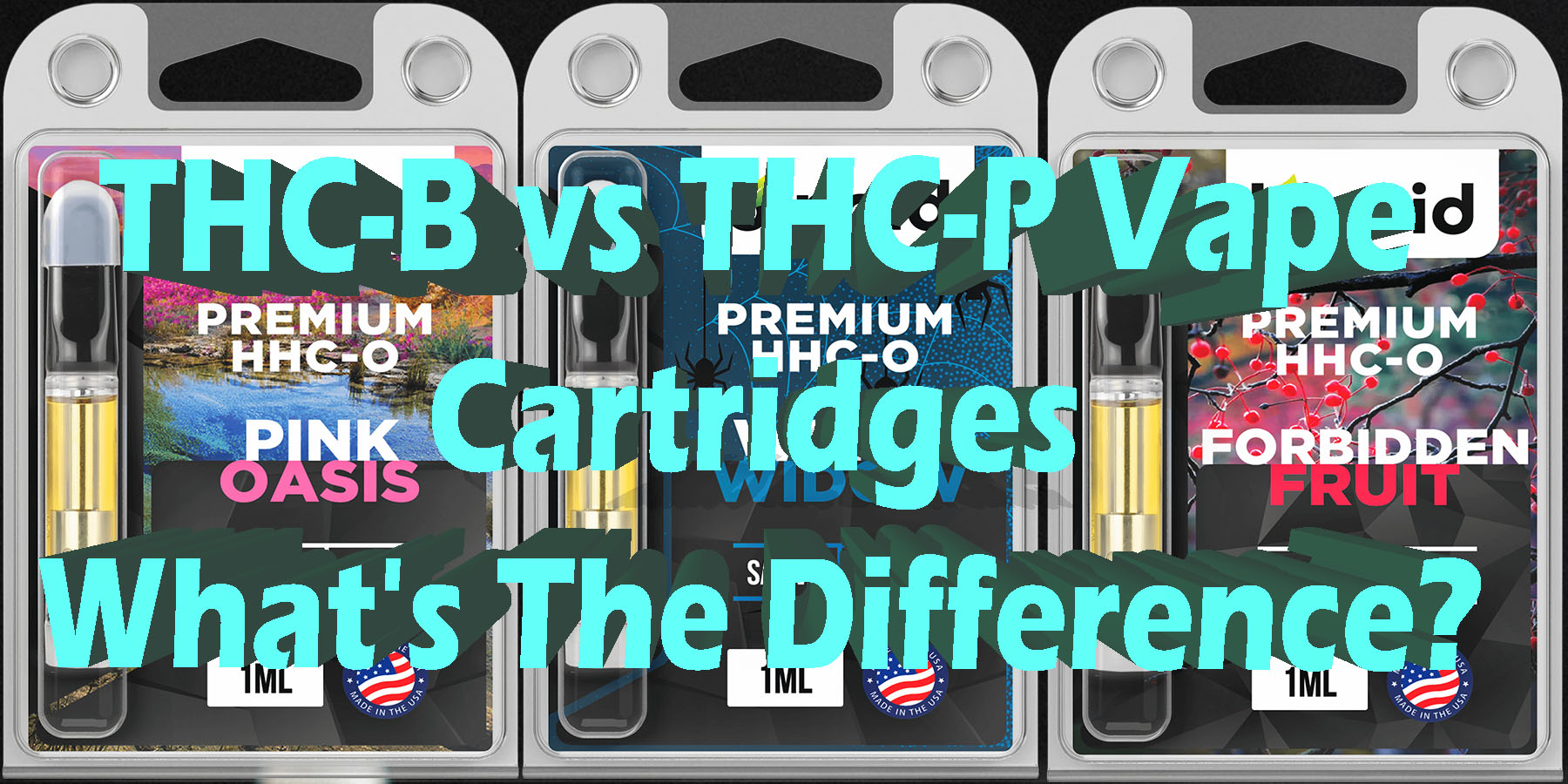
In the sophisticated world of modern cannabinoids, the most compelling conversations often revolve around two key qualities: the nuanced character of the experience and the fundamental chemical structure of the molecule itself. One defines the subjective journey—its specific shade of euphoria, its intensity, and its feel in both mind and body. The other dictates its performance—its potency, its duration, and its unique interaction with our internal systems. Rarely do two advanced compounds embody this fascinating dichotomy as perfectly as the subjects of our current exploration, especially when delivered through the precision of a vape cartridge.
This brings us to the heart of the matter for the experienced user: the insightful comparison of THC-B vape cartridges vs. THC-P vape cartridges. The decision between them is not simply about potency, but about what a user prioritizes in their session. Is the goal a moment of profound, immersive bliss, or is it a sustained, well-rounded euphoria from a remarkably durable compound? Exploring the science and user experiences behind each will illuminate the answer.
To Buy Cannabinoid Vape Cartridges Click Here
What are Cannabinoids?
To truly appreciate the profound differences in the THC-B and THC-P matchup, one must first possess a firm understanding of the fundamental building blocks of their composition: cannabinoids. In the broadest scientific sense, cannabinoids represent a diverse class of chemical compounds that are defined by their ability to interact with and influence the body’s endocannabinoid system. These compounds are the primary active ingredients responsible for the effects associated with the cannabis plant, but their origins are not confined to botanical sources alone.
The scientific community generally categorizes these molecules into three distinct groups: phytocannabinoids, which are synthesized by plants (most famously, the Cannabis sativa plant); endocannabinoids, which are produced naturally within the bodies of humans and other vertebrate animals; and synthetic cannabinoids, which are created artificially in a laboratory setting. Phytocannabinoids, like the THC-B and THC-P we are exploring today, have a molecular structure that allows them to interface with our bodies’ internal systems, orchestrating a complex symphony of physiological responses.
The discovery and subsequent understanding of this intricate relationship are rooted in the endocannabinoid system (ECS), a crucial and sophisticated cell-signaling network. The ECS plays a vital role in regulating a vast array of functions to maintain a state of internal physiological balance, a concept known as homeostasis. This system is composed of three core components: endocannabinoids (such as anandamide, often called the “bliss molecule,” and 2-arachidonoylglycerol, or 2-AG), which are the body’s own naturally produced cannabinoid molecules; receptors that these compounds bind to (primarily CB1 receptors, found mostly in the brain and central nervous system, and CB2 receptors, located predominantly in the peripheral nervous system and immune cells); and enzymes that metabolize and break down the endocannabinoids once they have served their signaling purpose.
Phytocannabinoids are able to produce their effects because their molecular shapes allow them to mimic or otherwise influence our natural endocannabinoids, binding to these same receptors and thus modulating cellular activity.
Within the vast family of over one hundred identified phytocannabinoids, there is a clear and important distinction between major and minor compounds, as well as a distinction between their active and acidic forms. Major cannabinoids, such as cannabidiol (CBD) and the well-known Delta 9 THC, are the most abundant active compounds and have been the subject of extensive scientific research and public discussion for many decades. In contrast, minor cannabinoids exist in much smaller, often trace, amounts. THC-B and THC-P both fall squarely into this category.
Furthermore, most cannabinoids exist in the raw cannabis plant in an acidic form, such as THCA and CBDA. These are known as cannabinoid acids and are the biosynthetic precursors to the active compounds we are more familiar with. THCA, for example, is a major cannabinoid in its raw form, often the most abundant compound in uncured hemp flower.
This fundamental distinction between different types of cannabinoids is absolutely essential to understanding the landscape of the modern hemp industry. The 2018 Farm Bill, a landmark piece of federal legislation, federally legalized hemp and all hemp-derived products, provided they contain no more than 0.3% Delta 9 THC by dry weight. This legal framework, while sharply focused on restricting the specific molecule of Delta 9 THC, inadvertently created a massive opportunity for the scientific exploration and commercialization of other cannabinoids that could be legally sourced from compliant hemp.
This legal pathway, combined with significant advancements in agricultural breeding, chemical conversion, and purification techniques, has directly enabled the rise of products centered around compounds like the powerful homologs THC-B and THC-P, empowering consumers with a sophisticated palette of experiences.
What are Cannabinoid-Infused Vape Cartridges and How are They Typically Created?
Cannabinoid-infused vape cartridges, often simply called “vape carts,” are small, pre-filled containers that hold a liquid formulation of purified cannabinoid distillate and, typically, aromatic terpenes. These self-contained units are meticulously engineered to attach to a compatible battery, commonly known as a vape pen or 510-thread battery, which provides the necessary electrical power to heat the liquid and instantaneously transform it into an inhalable vapor. The primary function of a vape cartridge is to offer a convenient, discreet, and highly efficient method for consuming cannabinoids.
Unlike other consumption methods that require more preparation or have a significantly delayed onset, such as edibles, vaping allows for the rapid delivery of the active compounds directly into the bloodstream through the vast surface area of the lungs. This results in effects that can be felt almost immediately, often within a matter of minutes, providing users with unparalleled control over their experience as they can take small draws and precisely gauge the effects before deciding to continue.
The marketplace for cannabinoid vape cartridges is incredibly diverse, with products available in a multitude of shapes, sizes, and materials designed to suit various consumer preferences and accommodate ongoing technological advancements. The most ubiquitous size is the 1-gram (or 1mL) cartridge, which offers a substantial amount of oil that serves as a happy medium for both regular and occasional users. However, smaller half-gram options remain popular for those wishing to sample a new strain, while larger 2-gram, 3-gram, and even 5-gram disposable vape pens have emerged for users seeking maximum convenience and longevity.
In terms of shape, the classic cylindrical design with a 510-thread connection remains the undisputed industry standard due to its near-universal compatibility with the vast majority of batteries. Yet, some brands have pioneered proprietary pod-style systems that often feature a sleeker, more modern aesthetic and a magnetic connection, although they require a specific, brand-locked device to function. The materials used in cartridge construction are also a key differentiator, profoundly impacting performance, safety, and the purity of the user experience, with a clear hierarchy from basic plastics to premium glass and ceramic constructions.
While external designs may vary, the core components of a standard vape cartridge are universal and work in precise concert to deliver a smooth, flavorful, and consistent experience. Each part plays a critical, non-negotiable role in the device’s function, from the point of contact with the user to the electrical connection with the power source. A detailed breakdown reveals the intricate design that ensures safety and proper function:
Mouthpiece: This is the uppermost part of the cartridge through which the user inhales the vapor. Mouthpieces are crafted from a variety of materials, including common options like plastic, more premium choices like heat-resistant ceramic, and stylish alternatives like metal or wood. The shape can also differ—flat, rounded, or ergonomically contoured (“duckbill”)—to enhance comfort. The material choice is not merely aesthetic; ceramic mouthpieces, for instance, are excellent at dissipating heat, ensuring a cooler and more comfortable draw.
Tank/Reservoir (Chamber): The tank is the main body of the cartridge that holds the precious cannabinoid-infused oil. It must be transparent to allow the user to monitor the remaining liquid. While some budget cartridges may use polycarbonate plastic, high-quality tanks are almost exclusively made from borosilicate glass. This type of glass is highly durable and, most importantly, non-reactive, ensuring that there is no chemical leaching into the oil, which could alter the flavor and compromise the purity of the terpenes and cannabinoids.
Atomizer/Heating Element: The atomizer is the functional heart of the cartridge, responsible for heating the oil to its precise vaporization point (typically between 300-400°F). It consists of a heating coil wrapped around or embedded within a wicking material that draws in the oil. In modern, high-end cartridges, the atomizer core is made of a porous ceramic. This technology, often referred to by brand names like CCELL, provides exceptionally even heat distribution and a larger surface area, which prevents direct contact between the hot coil and the oil. This indirect heating is crucial for preventing burning, which would create a harsh taste and potentially harmful byproducts, and for preserving the delicate and complex flavor profile of the terpenes.
Base/Connector: The base is the bottom part of the cartridge that houses the atomizer and features the threading used to connect the device to a battery. The most common type is the 510-thread (referring to the 10 threads at 0.5 mm per thread), which has become the universal standard, ensuring interoperability between most cartridges and batteries on the market. The base also contains the airflow intakes—small holes that allow air to enter and mix with the vapor—and the electrical connection point that draws power from the battery to activate the heating element when the user inhales or presses a button.
The production of a cannabinoid-infused vape cartridge is a meticulous, multi-stage process that merges precision manufacturing with sophisticated chemical science to ensure a safe, effective, and enjoyable final product. This complex journey can be broken down into three distinct parts: the fabrication of the physical hardware, the formulation of the specialized oil, and the final assembly and rigorous quality control.
Part 1: How the Cartridge Itself is Made and Constructed
The manufacturing of the empty cartridge begins with the high-precision fabrication of its individual components in specialized facilities. The borosilicate glass for the tank is molded and cut to exact specifications. The ceramic for the atomizer core is created from refined mineral powders, which are then fired at extremely high temperatures and shaped, after which the metallic heating coil is carefully integrated. The mouthpiece and base are also manufactured, often through injection molding for plastics or CNC (Computer Numerical Control) machining for metals. These separate parts are then assembled in a sterile, dust-free clean-room environment (often adhering to ISO standards) to prevent any contamination. Throughout this process, stringent quality control is paramount, with manufacturers conducting tests for air-tightness to prevent leaks, ensuring proper airflow resistance for a good draw, and verifying that the electrical connections are sound and the 510-threading is perfectly machined.
Part 2: How the Cannabinoid-Infused Vape Oil is Made
This highly scientific stage starts with legally compliant, high-quality hemp biomass. The cannabinoids are first extracted from the plant material using various methods. For stable distillates, supercritical CO2 or ethanol extraction is common. For more volatile, full-spectrum extracts rich in acidic cannabinoids, cold extraction methods using solvents like butane or propane are often used to create “live resin.” After extraction, the oil is refined. For minor cannabinoids, this may involve complex isomerization to convert a precursor like CBD into the target molecule. For major cannabinoids, it may involve distillation to achieve high purity. Finally, this purified oil is formulated, often by reintroducing carefully selected terpene profiles to create the desired flavor, aroma, and strain-specific effects.
Part 3: Bringing It All Together
In the final stage, the precisely formulated cannabinoid and terpene mixture is gently heated to reduce its viscosity and is then carefully injected into the empty, assembled cartridges. This is typically done using automated filling machines in a sterile environment to ensure dosage consistency and prevent contamination. Once filled, the cartridges are securely capped or sealed to create an airtight container that prevents any leakage. The last and arguably most critical step is comprehensive third-party lab testing. A statistically significant sample from each batch is sent to an independent, ISO-accredited laboratory. There, it is tested for potency (to confirm cannabinoid percentages), purity (to ensure it is free from residual solvents, heavy metals, pesticides, and microbial contaminants), and legal compliance (to verify the Delta 9 THC level is at or below the 0.3% threshold). Only after passing these rigorous tests is the batch approved for packaging and release to the market.
Breaking Down Today’s Cannabinoid Vape Cartridges Matchup: THC-B Vape Cartridges vs. THC-P Vape Cartridges
With a clear understanding of cannabinoid fundamentals and vape cartridge production, we can now examine the main event. This is a particularly fascinating matchup because it pits two powerful, lab-created THC homologs against each other, both of which have garnered immense popularity among experienced users. This is not a comparison of a mild versus a strong compound, but a deep dive into two different types of potent, euphoric experiences. On one side stands THC-B, a formidable cannabinoid known for its profound bliss and deep body effects. On the other stands THC-P, a uniquely powerful molecule celebrated for its overwhelming and profound psychoactive power. Exploring the science and reported effects behind these two heavyweights is key to making an informed choice that aligns with your specific preferences.
Contender #1: THC-B Vape Cartridges
Entering the matchup is a powerful and deeply euphoric contender that has been steadily gaining acclaim among experienced cannabinoid users: THC-B. Vape cartridges featuring this potent compound represent a significant step up from both Delta 8 and traditional Delta 9 THC, offering an experience characterized by intense bliss and profound full-body effects. THC-B (short for Tetrahydrocannabutol) is a homolog of THC, and its unique molecular structure allows it to interact with the body’s cannabinoid receptors with remarkable strength. This has positioned THC-B vape cartridges as a premium choice for those seeking a powerful, immersive, and deeply relaxing journey that goes beyond the ordinary.
At its core, the power of THC-B (Tetrahydrocannabutol) comes from its unique chemical structure, which was officially and fully characterized by a team of Italian researchers led by Dr. Giuseppe Cannazza in 2019. Using advanced liquid chromatography and mass spectrometry on a medicinal cannabis strain known as FM2, their study, published in the journal Scientific Reports, confirmed the existence of a butyl phytocannabinoid series, with THC-B as a key member. However, while this was the first full characterization, evidence suggests the compound was detected much earlier.
Reports indicate that the famous American chemist Roger Adams may have studied it as far back as 1942, and researchers at Oxford University identified it using early gas chromatography/mass spectrometry (GC/MS) in 1976, with another study in 1997 also reporting the identification of butyl homologues. The reason it took until 2019 for a full confirmation is that THC-B exists in such extremely low concentrations in the plant that only modern, highly sensitive analytical techniques could unequivocally isolate and define it.
This landmark research confirmed what earlier studies suspected: THC-B is a homolog of Delta 9 THC, meaning it shares the same foundational structure but differs in the length of its alkyl side chain. While Delta 9 THC has a 5-carbon (pentyl) side chain, THC-B possesses a 4-carbon (butyl) side chain. Preliminary research and a wealth of anecdotal evidence suggest that this specific structure allows it to bind with exceptional affinity to both the CB1 and CB2 receptors.
This strong interaction is believed to be the source of its significant potency, which is widely reported to be stronger than that of Delta 9 THC. Like other rare cannabinoids, because THC-B is found in only trace amounts in the cannabis plant, making direct extraction impractical, it is consequently synthesized in a laboratory from more abundant cannabinoid precursors. This process requires advanced chemistry and meticulous purification to create the potent, high-quality distillate used in today’s vape products.
Now, the market for THC-B vape cartridges is geared towards the experienced consumer who is looking for a potent and reliable experience. Much like other ultra-potent cannabinoids, THC-B is often used as a key component in a blend rather than as a standalone ingredient, designed to deliver a powerful and well-rounded effect.
Shapes & Sizes: THC-B cartridges are typically offered in the industry-standard 1-gram, 2-gram, and even larger disposable formats. The hardware is often high-quality to match the premium nature of the oil inside. For consumers, the most important factor is not the size of the cart but the concentration of THC-B within the blend, which should be clearly stated and verified by lab reports.
How They’re Constructed: Brands offering potent cannabinoids like THC-B understand that the user experience is paramount. Therefore, these blends are almost exclusively housed in cartridges made with premium materials, including non-reactive borosilicate glass tanks and advanced ceramic core atomizers. This ensures that the powerful and flavorful oil is vaporized efficiently and cleanly, delivering a smooth draw without any burnt taste or risk of hardware-related contaminants.
Potential Use of Live Resin or Live Rosin: To create a truly top-tier experience, many brands are blending THC-B with live resin. In these products, a base of full-spectrum live resin (often containing Delta 8 or other cannabinoids) is enhanced with a carefully measured percentage of pure THC-B distillate. This combination offers the best of both worlds: the authentic, terpene-rich flavor of live resin and the supercharged, euphoric effects of THC-B.
Strain-Infused: The intense effects of THC-B are carefully guided by the terpene profile of the blend. An Indica-dominant terpene profile, rich in myrcene and linalool, will steer the experience towards profound full-body relaxation and deep, blissful calm. A Sativa-dominant profile, with terpenes like limonene and terpinolene, will aim the potent effects towards a more soaring, happy, and cerebrally uplifting euphoria, making it suitable for creative or social settings.
Sometimes Combined with Other Cannabinoids: As a potent synthesized cannabinoid, THC-B is an all-star player in cannabinoid blends, acting as the primary driver of euphoria and intensity.
Non-Intoxicating: THC-B is not used in non-intoxicating blends due to its inherent potency.
Mild Potency: It is not typically found in mild potency blends, as its presence immediately elevates the strength of the product into the moderate or strong category.
Moderate Potency: This is a common application for THC-B. A blend of a primary cannabinoid like Delta 8 with a moderate percentage of THC-B creates a powerful yet balanced experience that is a significant step up from Delta 8 alone.
Strong Potency: To achieve the most profound effects, formulators will create blends with high concentrations of THC-B or will combine it with other powerhouse cannabinoids like THC-P, THC-JD, or HHC. These formulations are designed exclusively for users with the highest tolerances seeking the most intense experience available.
The overall effects of a THC-B vape cartridge are defined by a potent, fast-acting, and deeply euphoric high that is often described as being stronger and more immersive than Delta 9 THC. The core experience is one of intense bliss coupled with a significant full-body sensation, making it both cerebrally uplifting and physically relaxing. Its functional aspect is its sheer strength; it is a tool for achieving a profound state of euphoria and is generally better suited for recreational or evening use.
This baseline experience is then shaped by its formulation. When blended into an Indica live resin, THC-B can produce a deeply sedating and blissful body high, perfect for ultimate relaxation. When infused into a Sativa blend with Delta 8 as a base, it can create a manageable yet intensely happy and giggly experience, ideal for a fun night with friends.
Pros & Cons
THC-B‘s significant potency means its advantages and disadvantages are particularly pronounced. For the right user, it offers an unparalleled experience, but for the wrong user, it can be overwhelming. A clear understanding of these points is essential.
Pros:
Highly Potent Effects: THC-B is significantly stronger than Delta 9 THC, providing a powerful and intense psychoactive experience. For users who find traditional THC or Delta 8 to be lacking, THC-B offers a new level of intensity and a much more profound journey into euphoria. This makes it a highly effective and sought-after compound for seasoned consumers looking for efficacy and strength.
Unique Full-Body Sensation: Many users report that the effects of THC-B are particularly noticeable throughout the body, creating a unique physical experience. It is often described as providing a warm, buzzing, and deeply relaxing sensation that complements its powerful mental euphoria. This makes it an excellent choice for those seeking a holistic, mind-and-body journey, as opposed to a purely cerebral or heady feeling.
Deep and Immersive Euphoria: The quality of the euphoria produced by THC-B is often described as being particularly deep and encompassing. Rather than a light or fleeting feeling of happiness, it is reported to be a profound sense of well-being, contentment, and bliss. This quality makes it highly desirable for recreational use, such as becoming fully immersed in music, art, or film on a deeper level.
Effective for High-Tolerance Users: For consumers who have built up a significant tolerance to other cannabinoids, THC-B offers a potent solution. Its strong binding affinity for the cannabinoid receptors can effectively activate pathways that may have become desensitized from the prolonged use of less potent compounds. This allows experienced users to once again achieve the powerful effects they may no longer get from other products.
Long-Lasting Experience: The effects of THC-B are known to be quite durable, offering a sustained experience that can last for several hours. For users who want to settle in for a long evening of relaxation or entertainment, this extended duration is a major benefit. It provides a reliable and long-lasting plateau of blissful effects without the need for frequent re-dosing, making it ideal for a weekend or a day with no other obligations.
Excellent Performance in Blends: THC-B works exceptionally well as a primary active ingredient in cannabinoid blends, acting as a powerful amplifier. When added to a base of Delta 8, for example, it doesn’t just add a little strength; it fundamentally transforms the character of the experience into a powerful euphoric powerhouse. This allows formulators to create a wide spectrum of effects, using THC-B as the engine to drive the intensity of the entire product.
Novelty for Experienced Users: In a market with many similar-feeling products, THC-B offers a genuinely new and exciting experience. Its unique combination of intense euphoria and strong physical effects provides a different feeling than other potent cannabinoids like THC-P. This novelty makes it a must-try for any cannabinoid connoisseur looking to explore the cutting edge of the industry.
Federal Legality Framework: Despite its significant potency, THC-B that has been synthesized from legal hemp cannabinoids falls under the purview of the 2018 Farm Bill. As long as the final product contains less than 0.3% Delta 9 THC, it is considered a federally legal hemp product. This critical legal distinction is what makes its powerful effects accessible to a wide audience of consumers in many states where traditional cannabis is not.
Cons:
Potency Can Be Overwhelming: The primary strength of THC-B is also its most significant risk, and this cannot be overstated. For anyone other than experienced, high-tolerance users, its effects can be far too intense. This can lead to feelings of being disoriented, overly intoxicated, or uncomfortable, making it a poor choice for social situations if you are not accustomed to it. It is not a cannabinoid for beginners under any circumstances.
High Risk of Overconsumption: Because it is so potent, the line between an enjoyable dose and too much is very thin, especially with the fast-acting nature of vaping. A user accustomed to other cannabinoids might take their usual puff size and find it is far too strong. The peak of the effect might be slightly delayed, tricking a user into taking a second puff too soon, which could lead to an unpleasantly intense experience that must simply be waited out.
Lacks Comprehensive Clinical Research: While THC-B was first identified decades ago, its natural rarity meant it remained a scientific curiosity rather than a subject of significant study. As a result, there is a lack of the comprehensive, long-term human clinical trials that exist for major cannabinoids like Delta 9 THC and CBD. This means that while its basic pharmacology is understood, its long-term safety profile and full range of potential side effects are not well-documented, placing modern users at the forefront of its use.
Potential for Legal and Regulatory Changes: Like all potent, hemp-derived psychoactive cannabinoids, THC-B exists in a legal gray area that is highly subject to change. Because its effects are stronger than those of traditional Delta 9 THC, it is a prime target for future state-level bans or federal regulatory adjustments. This means its long-term availability on the legal market is uncertain, and its legal status could change without warning, which is a risk for both consumers and retailers.
Recommended products
-
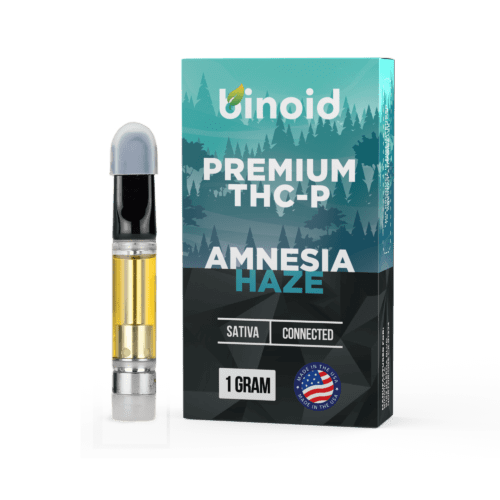
THC-P Vape Cartridge – Amnesia Haze
$30.99$59.99 -
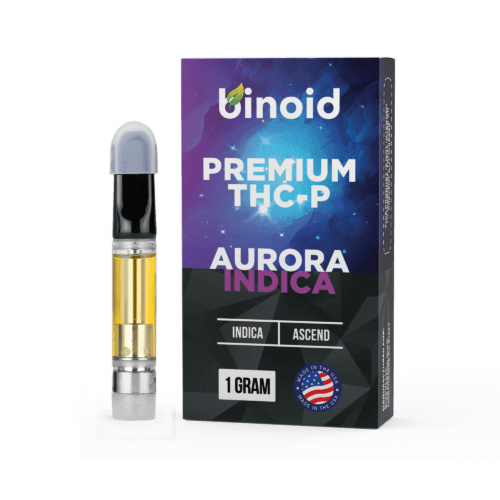
THC-P Vape Cartridge – Aurora Indica
$30.99$59.99 -
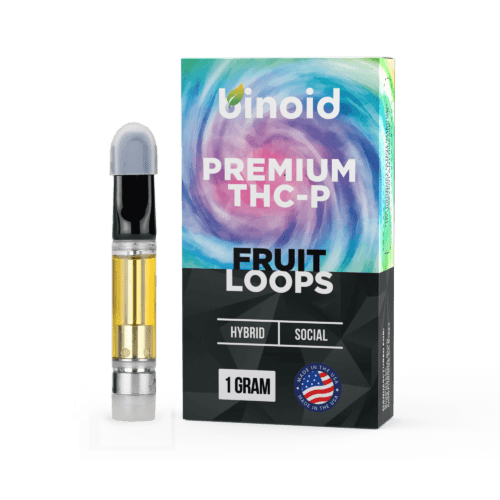
THC-P Vape Cartridge – Fruit Loops
$30.99$59.99 -
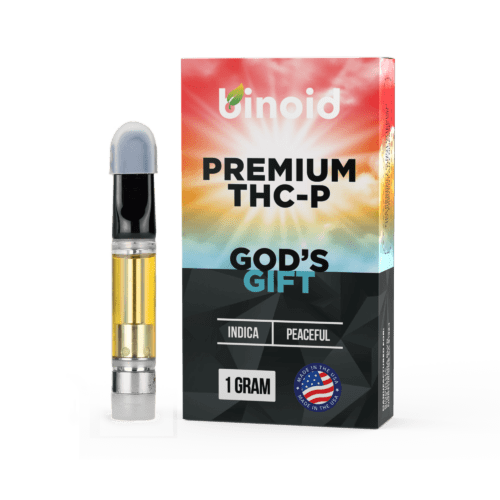
THC-P Vape Cartridge – God’s Gift
$30.99$59.99
Contender #2: THC-P Vape Cartridges
Stepping into the arena is the heavyweight champion of cannabinoid potency, THC-P. Vape cartridges featuring this compound are a relatively new but explosive addition to the hemp market, appealing directly to the most experienced and high-tolerance users. THC-P is not about subtlety; it is about exploring the absolute upper echelons of psychoactive potential. Its discovery in 2019 by a team of Italian researchers sent shockwaves through the industry, revealing a naturally occurring cannabinoid with a potency that dwarfs even that of traditional Delta 9 THC. THC-P vape cartridges are therefore positioned as a premium, high-intensity product, designed for those who find other cannabinoids underwhelming and who wish to experience a new level of profound euphoria and altered perception.
At its core, THC-P (short for (-)-Trans-Δ9-tetrahydrocannabiphorol) is a homolog of Delta 9 THC, but with one critical structural difference that is the source of its immense power. While Delta 9 THC has a 5-carbon (pentyl) alkyl side chain, THC-P possesses a longer 7-carbon (heptyl) side chain. This is profoundly significant because the length of this side chain is a key determinant of how strongly a cannabinoid can bind to the body’s CB1 receptors. The groundbreaking 2019 study that discovered THC-P found that this longer heptyl chain allows it to bind to the CB1 receptor with an astonishing 33 times more affinity than Delta 9 THC. This incredible binding affinity is the scientific explanation for its legendary potency.
Like other rare cannabinoids, THC-P is found in only minuscule amounts in the plant, making direct extraction impossible. Therefore, it must be created in a laboratory through complex chemical processes from other, more abundant cannabinoid precursors to produce the pure distillate used in vape products.
Now, the market for THC-P vape cartridges is highly specialized and geared towards safety and responsible use, given the compound’s extreme potency. The defining characteristic of these products is that THC-P is almost never the sole cannabinoid in the formulation. Instead, it is used as a powerful additive, typically blended in small percentages into a base of a milder cannabinoid like THC-B.
Shapes & Sizes: THC-P blend cartridges are available in the standard 1-gram and 2-gram 510-thread formats and disposables. The crucial factor for consumers is not the size of the cartridge, but the specific percentage of THC-P listed in the product’s lab analysis, as even a small variation can dramatically alter the experience.
How They’re Constructed: Given the premium nature and high cost of THC-P distillate, brands exclusively pair it with top-of-the-line hardware. This means consumers can expect to find THC-P blends in cartridges made with non-reactive borosilicate glass and advanced ceramic heating elements. This ensures the precious and potent oil is vaporized perfectly, delivering a smooth draw and preserving the integrity of the entire blend without risk of burning or contamination.
Potential Use of Live Resin or Live Rosin: Many of the most popular THC-P products on the market are “live resin” blends. In these formulations, a base of live resin Delta 8 or other cannabinoids is used, and then a small, precise amount of pure THC-P distillate is added. This creates the ultimate premium experience, combining the robust, authentic, full-spectrum flavor of live resin with the supercharged potency of THC-P.
Strain-Infused: Terpene profiles play a crucial role in steering the incredibly powerful experience of THC-P. A blend infused with Indica terpenes can guide the intense effects towards profound physical relaxation and blissful euphoria. A Sativa-infused blend, on the other hand, will aim the potency towards soaring cerebral effects, creative insights, and energetic feelings, while a Hybrid will aim for a balance between the two extremes.
Sometimes Combined with Other Cannabinoids: As THC-P is almost always part of a blend, its interaction with other cannabinoids is its primary mode of use. It acts as a powerful amplifier, supercharging the base cannabinoid it is mixed with.
Non-Intoxicating: While not common, a minuscule amount of THC-P could theoretically be added to a CBD or CBG blend, but this is rare. Its primary use is to enhance psychoactive experiences.
Mild Potency: THC-P is generally not used in what would be considered mild potency blends. Its very presence elevates a blend into the moderate to strong category.
Moderate Potency: A blend featuring a very small amount of THC-P (e.g., 1-5%) with a base of a milder cannabinoid like Delta 8 would be considered a moderate to strong experience. It takes the gentle effects of the base and makes them significantly more powerful and long-lasting.
Strong Potency: Blends featuring higher percentages of THC-P or combinations of THC-P with other potent cannabinoids like THC-JD, THC-B, or HHC-P are designed for the most experienced users only. These formulations are engineered to provide the most intense and profound effects legally available on the hemp market.
The overall effects of a THC-P vape cartridge are defined by profound potency and an intensity that surpasses nearly all other cannabinoids. The core experience is one of deep, powerful euphoria that can feel significantly more immersive and transformative than traditional THC. Its functional aspect is its sheer strength; it is a tool for reaching a state of intense bliss and altered perception that is simply not achievable with milder compounds.
This baseline experience is then heavily shaped by the base distillate it’s blended with. When added to Delta 8, THC-P creates a deeply relaxing and euphoric body high that is many times stronger than Delta 8 alone. When blended into a Sativa formulation with a base of a cannabinoid like THC-B, it can produce a soaring, vibrant, and almost psychedelic cerebral experience with powerful creative and perceptual shifts.
Pros & Cons
Given its extreme potency, THC-P vape cartridges come with a set of pros and cons that are more pronounced than those of almost any other cannabinoid. Understanding this high-stakes trade-off is absolutely critical before considering its use.
Pros:
Unmatched Potency: For experienced users with high tolerances, THC-P’s primary benefit is its incredible strength. It offers a level of psychoactive intensity that other cannabinoids cannot match, providing a truly novel and powerful experience for those who find THC-B or even Delta 9 THC to be underwhelming. This makes it the undisputed king of potency in the hemp world, delivering on the promise of an exceptionally strong journey.
Efficiency and Cost-Effectiveness: Because it is so incredibly potent, only a very small amount is needed to produce a strong effect. A single puff from a THC-P blend cartridge can be more effective than multiple draws from a standard cartridge. This means a cartridge can last a user much longer, potentially making it more cost-effective over time despite a higher initial price. This efficiency is a major draw for regular, high-tolerance consumers.
Profoundly Enhanced Euphoria: Users consistently report that the euphoric quality of THC-P is deeper and more encompassing than that of other cannabinoids. The experience is often described as a powerful wave of bliss and contentment that can be both physically and mentally profound. It elevates the sensation of euphoria to an entirely new level, making it highly desirable for recreational and immersive activities.
Effectively Boosts High Tolerances: For long-term, heavy users of THC, the development of a high tolerance can diminish the enjoyable effects of cannabis. THC-P‘s powerful binding affinity to the CB1 receptor can effectively overcome this tolerance. This allows these experienced users to achieve the powerful effects they may no longer be able to get from other products, making the experience feel new and exciting again.
Long-Lasting Experience: The effects of THC-P are known to be significantly longer-lasting than those of other vaped cannabinoids. While this can also be a con, for users seeking a sustained, multi-hour experience for a relaxing weekend or a long movie, this extended duration is a major benefit. It provides a long and stable plateau of effects, allowing for a deep and uninterrupted journey.
Amplifies Other Cannabinoids: THC-P is the ultimate team player in a cannabinoid blend, acting as a powerful amplifier for the other compounds it is mixed with. It can take the potent, body-focused properties of THC-B and make them intensely blissful and soaring. This ability to supercharge other cannabinoids makes it an incredibly versatile tool for creating new and powerful formulations with unique, layered effects.
Pushes Cannabinoid Science Forward: The discovery and synthesis of THC-P represent the cutting edge of cannabinoid science. Its existence and availability drive further research into how subtle changes in molecular structure—like the length of a carbon tail—can have such dramatic impacts on effects. For enthusiasts interested in the science, THC-P is a fascinating example of botanical chemistry in action and a glimpse into the future of cannabinoid development.
Federal Legality: Despite its incredible potency, THC-P derived from hemp falls under the same federal legal framework as Delta 8 and THC-B. As long as the product contains less than 0.3% Delta 9 THC, it is federally legal under the 2018 Farm Bill. This makes this immensely powerful compound accessible in many states where traditional cannabis is not, a key factor in its rapid rise in popularity.
Cons:
Potentially Overwhelming Potency: The greatest strength of THC-P is also its most significant drawback and risk. For new, inexperienced, or even intermediate users, its effects can be intensely overwhelming and lead to a highly uncomfortable experience. The sheer power can be disorienting, and is not suitable for anyone without a very high tolerance for psychoactive cannabinoids. This compound demands extreme respect and caution.
High Potential for Overconsumption: The risk of taking too much is extremely high with THC-P, far more so than with other cannabinoids. A user accustomed to taking multiple puffs from a THC-B cartridge might make the mistake of doing the same with a THC-P blend, which could lead to an unpleasantly intense experience. Precise, careful, and minimal dosing—starting with a single, very small puff and waiting a long time—is absolutely essential for a safe experience.
Extended Duration Can Be Inconvenient: The very long-lasting effects can be a major con if the user has other plans or responsibilities. An experience that lasts for many hours can interfere with work, social obligations, or sleep. Unlike shorter-acting cannabinoids, a THC-P experience is a significant time commitment that must be planned for accordingly. Once the journey begins, there is no getting off early, which can be a significant practical disadvantage.
Limited Research on Long-Term Safety: As THC-P was only scientifically identified in 2019, there is a significant lack of long-term clinical research on its safety profile and potential health effects. While it is a naturally occurring cannabinoid, its use at the concentrated levels found in vape products is very new. Users are therefore at the forefront of its use, operating without the extensive safety data that exists for more well-studied cannabinoids.
Other Key Things You Should Know About When Choosing Either THC-B Vape Cartridges or THC-P Vape Cartridges
As we have established, choosing between THC-B and THC-P vape cartridges is a decision that requires a sophisticated understanding of their potent effects and unique chemical properties. A responsible, safe, and satisfying experience hinges on a holistic understanding of the product, from its agricultural origins as a humble hemp seed to the sophisticated hardware that delivers its vapor. The current hemp-derived cannabinoid market, while innovative and exciting, operates in a space with minimal federal oversight, which places the burden of due diligence squarely on the consumer.
So, to navigate this complex landscape safely and effectively, it is absolutely essential to look beyond the flashy marketing claims and scrutinize the factors that truly define a product’s quality, safety, and suitability for your specific needs. The following points provide a comprehensive checklist of critical considerations that every consumer should be aware of before making any purchase:
Source of Hemp: The absolute foundation of any high-quality cannabinoid product is the hemp from which its base molecules are derived. The quality of this starting botanical material directly and profoundly impacts the purity and safety of the final distillate, as any contaminants in the plant can become highly concentrated during the extraction and conversion processes. It is imperative to choose products made from hemp grown in the United States, where domestic farmers are subject to federal and state regulations regarding cultivation practices under the 2018 Farm Bill. Always look for brands that are completely transparent about their sourcing, preferably using hemp grown with organic and sustainable methods to minimize the risk of the plant absorbing pesticides, heavy metals, or chemical fertilizers from the soil.
Third-Party Lab Testing (COAs): Third-party lab testing is the single most important factor for consumer safety, but these advanced cannabinoids require a more critical reading of the Certificate of Analysis (COA). For any product, a full panel screening for contaminants like residual solvents, heavy metals, and pesticides is essential to verify purity. For both THC-B and THC-P, it is critical to look at the potency section to verify the exact percentage of the advertised cannabinoid, as both are powerful compounds. A brand’s willingness to provide comprehensive, easily accessible, and up-to-date COAs for every single batch is the ultimate sign of transparency and commitment to consumer safety.
Extraction and Conversion Methods: Understanding the production method is key to appreciating the product you are consuming and the potential risks involved. Both THC-B and THC-P are converted cannabinoids, meaning they are created through chemical synthesis in a laboratory. They are both homologs of THC, which means the process involves chemically altering the length of a precursor’s carbon tail—to a 4-carbon butyl chain for THC-B and a 7-carbon heptyl chain for THC-P. These are sophisticated industrial processes that must be followed by extensive purification to remove all catalysts and byproducts, ensuring the safety of the final distillate.
Terpene Profiles: Terpenes are the aromatic organic compounds that define a strain’s unique flavor and aroma, and they play a crucial role in modulating the effects of cannabinoids through the entourage effect. In both THC-B and THC-P cartridges, the base is a pure distillate, so terpenes must be added back into the final product to create the desired strain experience. The highest quality products will use either cannabis-derived terpenes (CDTs) or “live resin,” a full-spectrum extract from flash-frozen hemp. These options provide a much more authentic, complex, and “true-to-strain” flavor and a more nuanced effect compared to cartridges that use less expensive, botanically-derived terpenes.
Cartridge Hardware Quality: The precious oil inside the cartridge is only half of the equation; the quality and safety of the hardware itself are equally critical for a positive and safe experience. The best cartridges are constructed with high-quality, inert materials like borosilicate glass tanks and advanced ceramic heating elements to ensure the oil is heated evenly and never burned. Another critical but often overlooked component is the cartridge’s seals and gaskets. High-quality cartridges use durable, non-reactive materials like medical-grade silicone to prevent leaks and ensure that no part of the hardware degrades and leaches into the oil over time, which is a risk with terpene-rich formulations.
Your Personal Tolerance: Understanding your own body and your unique tolerance level is absolutely fundamental to having a safe and enjoyable experience, and this matchup is exclusively for the advanced user. Both THC-B and THC-P are significantly more potent than traditional Delta 9 THC and should only be consumed by experienced individuals with a high tolerance. A newcomer to cannabis should avoid both of these compounds entirely. Even for a seasoned user, the principle of “start low and go slow” is a critical safety mandate that means beginning with the smallest possible puff (1-2 seconds) and waiting at least 30 minutes to fully assess the powerful effects before considering more.
Desired Experience: The choice between these two potent cannabinoids comes down to the specific character of the high you are seeking. Are you seeking a more immediate, immersive, and profoundly blissful experience with a powerful full-body component for a shorter (though still long) duration? A THC-B cartridge would be the more appropriate tool for that specific goal. Are you an experienced user seeking a more profound, immersive, and intensely powerful psychoactive journey that pushes the boundaries of perception? A THC-P cartridge would be the more appropriate tool for that specific goal. Aligning the cannabinoid with your desired outcome is the most important decision you will make.
The Importance of the Battery (Vape Pen): The cartridge is only one part of the vaping system; the battery you pair it with significantly impacts the overall performance and experience. This is especially true for high-end cartridges rich in flavorful terpenes. Using a battery with variable voltage settings allows you to use a lower temperature (e.g., 2.5V-2.8V), which will preserve the delicate terpene profile and provide the best possible taste. Beyond performance, basic battery maintenance is key for safety and longevity. It is important to keep the 510-thread connection point on both the battery and the cartridge clean with a cotton swab and isopropyl alcohol to ensure a good electrical connection and prevent firing issues.
Legal Landscape: As this cannot be stressed enough, the legal status of hemp-derived cannabinoids is extraordinarily complex, and both THC-B and THC-P reside in a significant gray area. Their legality is based on the 2018 Farm Bill, which legalized hemp based on its Delta 9 THC content. Since neither compound is Delta 9 THC, they are sold as legal hemp products. However, the DEA has suggested that cannabinoids created “synthetically” might not be considered legal hemp. Since both compounds are converted in a lab, they fall under this cloud of uncertainty. Consumers must be aware that the legal landscape for these products is volatile and could change.
Brand Reputation and Transparency: In an industry with very little federal oversight, a brand’s reputation and its commitment to transparency are paramount indicators of quality and trustworthiness. For both THC-B and THC-P, this means seeking out brands that provide full-panel COAs for every batch, verifying not just the potency but the absence of any harmful contaminants. Beyond lab reports, look for brands that invest in consumer education. A reputable brand will often have a professional website with detailed blog posts and FAQs that explain what these complex cannabinoids are, demonstrating a commitment to their customers’ safety and understanding that goes beyond simple marketing.
Understanding the Chemistry of Homologs: Both THC-B and THC-P are homologs of THC, meaning they share the same basic molecular structure but have different length alkyl side chains attached. The length of this chain is the primary determinant of potency. THC-B, with its 4-carbon (butyl) chain, is very potent. THC-P, with its 7-carbon (heptyl) chain, is even more potent. Understanding this principle helps you see how scientists can “tune” the potency of a cannabinoid by subtly altering its molecular tail, a key innovation in the modern market.
Proper Storage and Maintenance: To get the most out of your investment, proper storage is key. All cannabinoid products will degrade over time when exposed to heat, light, and oxygen, which will diminish their potency and alter their flavor. Cartridges should always be stored in a cool, dark, and dry place, and always in an upright position to prevent leaks and ensure the wick stays saturated. For long-term storage of multiple cartridges, the best method for optimal preservation over many months is to keep them in an airtight container in the refrigerator, as the cool temperature dramatically slows the degradation of both cannabinoids and volatile terpenes.
The Alchemist’s Choice
The arrival of molecules like THC-B and THC-P signals a new epoch in the human relationship with the cannabis plant, moving from simple cultivation to a form of modern alchemy. We now have the power not just to harvest a flower, but to take its foundational structures and scientifically tune them to achieve profoundly different states of being. The choice is no longer between strains, but between different masterpieces of molecular engineering.
Does one select the deep, immersive, and body-centric bliss artfully crafted into the THC-B molecule? Or does one opt for the overwhelming, reality-augmenting power of THC-P, a compound designed to push the very limits of what a cannabinoid can do? In this advanced arena, the user becomes the final alchemist, making the conscious choice not just of what to feel, but which specific, masterfully crafted key they will use to unlock the doors of their own perception.
To Buy Cannabinoid Vape Cartridges Click Here
Recommended products
-
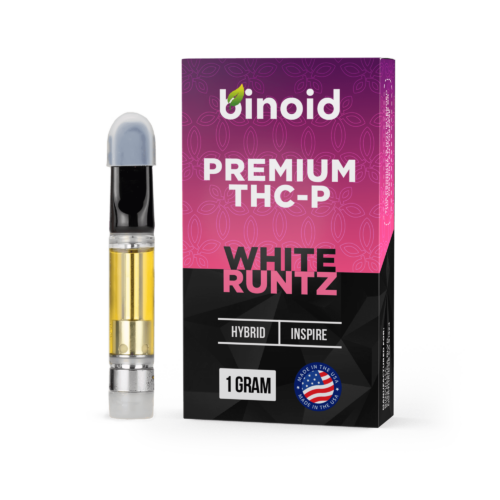
THC-P Vape Cartridge – White Runtz
$29.99$59.99 -
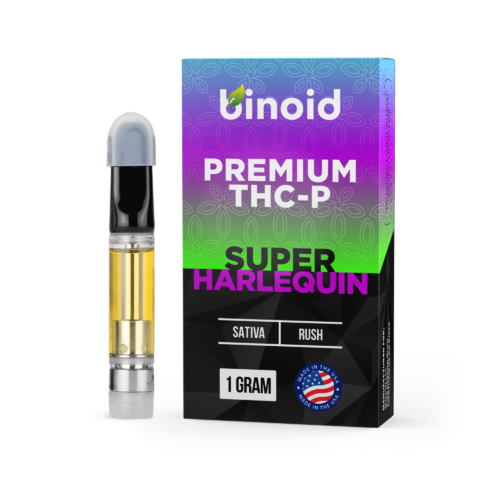
THC-P Vape Cartridge – Super Harlequin
$29.99$59.99 -
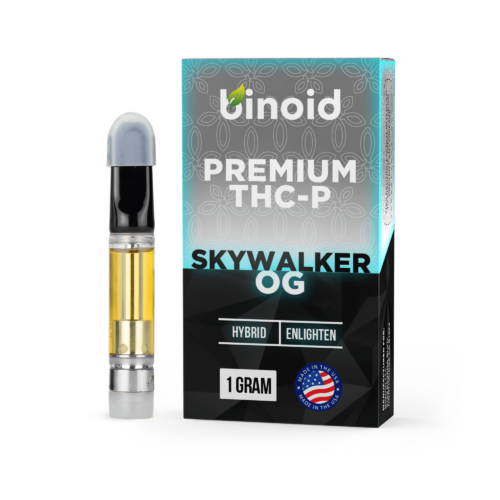
THC-P Vape Cartridge – Skywalker OG
$29.99$59.99 -
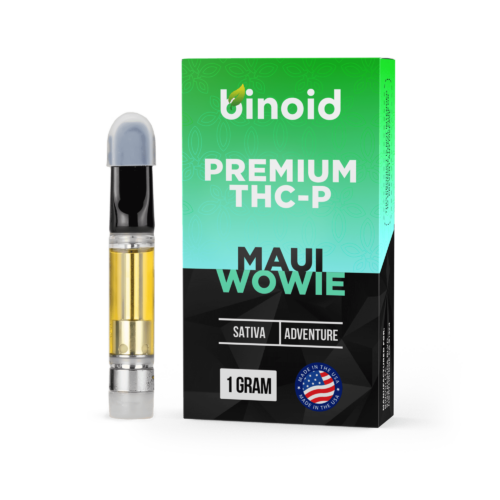
THC-P Vape Cartridge – Maui Wowie
$29.99$59.99