Redefining What “Recovery Culture” Looks Like
There was a time, not especially long ago, when the overlap between athletic culture and cannabis culture registered as a contradiction — two worlds separated by locker-room stereotypes and outdated assumptions about what serious athletes did or didn’t put in their bodies. That era is, by most reasonable measures, over. Walk through any contemporary conversation about recovery protocols, and you’ll find hemp-derived cannabinoids discussed with the same clinical seriousness as foam rollers, compression gear, and magnesium supplementation.
The shift didn’t happen because athletes suddenly became less disciplined. It happened because the hemp product category matured — offering precise dosing, verified purity, and formulations specifically engineered for the rhythms of an active lifestyle, rather than the smoke-filled, imprecise experience that once defined cannabis consumption entirely.
This cultural repositioning reflects something real about how athletes actually structure their days. Training generates physical stress. Physical stress requires deliberate downregulation — a transition out of a sympathetic, high-alert state and into something calmer, more restorative — before the body can meaningfully recover and adapt.
That transition has always been part of serious athletic programming, whether through breathwork, stretching, sauna protocols, or simple rest. Hemp THC product for athletes have entered that same conversation not as a replacement for foundational recovery practices, but as a complementary tool that fits naturally into an evening wind-down routine, a post-training ritual, or a deliberate rest-day protocol, engaging the endocannabinoid system — the same regulatory network involved in modulating stress response, mood, and the body’s broader homeostatic balancing act.
To Buy THC Products Click Here
Recommended products
-
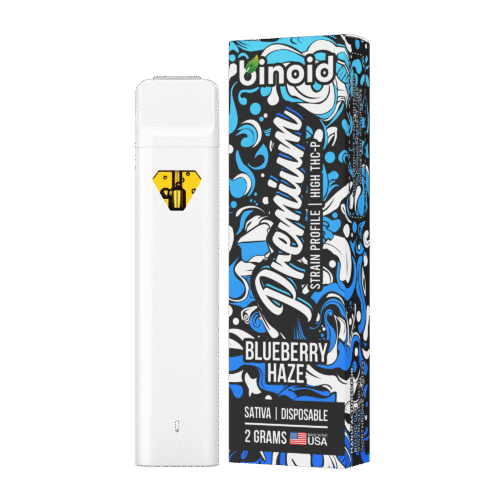
High THC-P 2 Gram Disposable Vape – Strain Series
$41.99$73.99 -
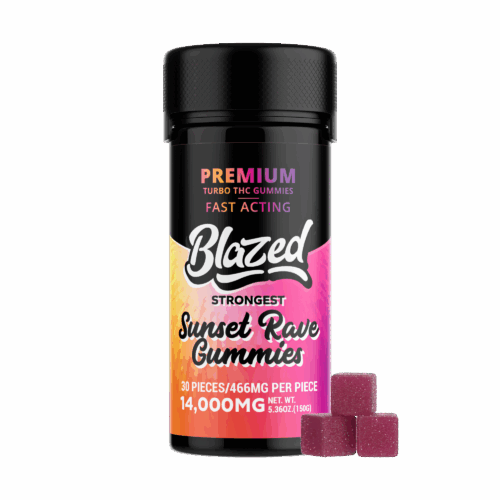
14,000MG Turbo THC Gummies – Blazed
$49.99$84.99 -
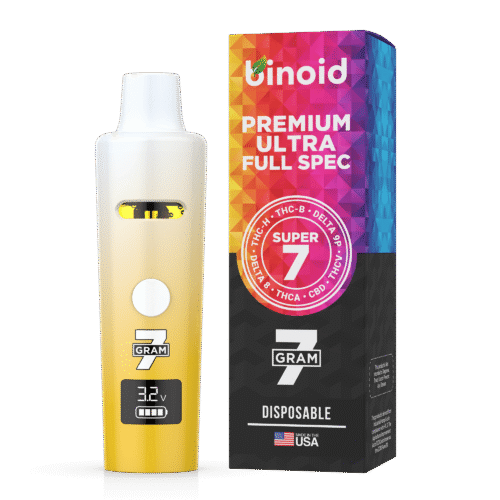
Super 7 UFS Disposable Vape – 7 Gram
$63.99$89.99
Understanding the Endocannabinoid Connection
The endocannabinoid system exists throughout the human body specifically to help regulate balance — modulating everything from mood and stress response to the perception of physical discomfort following exertion. This regulatory network, built around CB1 and CB2 receptors distributed across the central nervous system and peripheral tissues, responds to both the body’s own endogenous cannabinoids and the plant-derived cannabinoids found in hemp. For an athlete whose training schedule places consistent, cumulative stress on this regulatory system, hemp-derived cannabinoids offer a way to engage with that same biological pathway deliberately, as part of a broader wellness architecture rather than an isolated intervention.
This is where formulation specificity becomes genuinely important, because not every hemp product is built with an athlete’s schedule and physiological needs in mind. A product designed for evening use, intended to support the wind-down transition into rest, behaves very differently than one designed for daytime use, where an athlete needs to remain functional, coordinated, and mentally present. Binoid CBD has approached its catalog with this distinction in mind, offering formulations calibrated for different points in an athlete’s daily and weekly rhythm rather than a single undifferentiated product line — a level of specificity that reflects genuine understanding of how active, performance-conscious consumers actually structure their time.
The Post-Training Window: Tinctures and Fast-Acting Formats
For athletes specifically targeting the window immediately following a training session — the period when the body is transitioning out of exertion and beginning the physiological work of recovery — fast-acting formats offer a distinct practical advantage. Tinctures, held sublingually before swallowing, bypass a significant portion of first-pass hepatic metabolism, allowing cannabinoids to enter the bloodstream more rapidly than an edible processed entirely through the digestive tract. This matters for an athlete who wants their post-training ritual to align with a specific window of time rather than waiting an hour or more for onset, particularly on evenings where the goal is a relatively immediate transition from training mode into rest mode.
Binoid CBD‘s tincture formulations lean on full-spectrum and broad-spectrum extraction methods that preserve a broader range of cannabinoids and terpenes alongside the primary active compound, engaging what the industry refers to as the entourage effect — the theory that cannabinoids and terpenes work synergistically when consumed together rather than in isolation. For an athlete building a genuinely thoughtful recovery stack, this full-spectrum approach offers a more complete engagement with the plant’s chemistry than an isolate-based product, and it’s a formulation philosophy that runs consistently across Binoid CBD’s tincture and gummy lines, verified batch by batch through published third-party COA documentation.
Topical Applications: A Different Delivery Strategy Entirely
Not every athlete is looking for a systemic, whole-body experience, and this is where topical hemp formulations carve out their own distinct role in an active lifestyle. Balms, creams, and roll-ons formulated with cannabinoids are applied directly to specific areas of the body, engaging localized cannabinoid receptors in the skin and surrounding tissue without the systemic absorption profile of an ingested product. For an athlete dealing with the ordinary, expected soreness that follows an intense training block — the kind of muscular fatigue that comes standard with serious physical exertion — a topical application integrated into a post-training routine offers a targeted option that doesn’t compete with training-day cognitive demands the way a systemic product might.
The formulation science behind effective topicals matters enormously here, because cannabinoids are lipophilic compounds that don’t naturally penetrate skin barriers with much efficiency on their own. Quality topical formulations address this through nano-emulsification and carrier systems specifically engineered to improve absorption, transforming what would otherwise be a surface-level application into something that actually reaches the targeted tissue. This is a formulation detail that separates genuinely effective topical products from products that are, chemically speaking, mostly decorative — and it’s a distinction that becomes obvious the moment an athlete compares a well-engineered topical against a poorly formulated one.
Sleep, Recovery, and the Overnight Rebuild
Sleep quality sits at the center of any serious athletic recovery framework, because the physiological rebuilding process — tissue repair, hormonal regulation, central nervous system recovery — happens predominantly during deep sleep stages. This is precisely why so many athletes exploring hemp products gravitate toward evening-specific formulations, often built around CBN, a cannabinoid frequently associated with a more sedating quality than CBD alone, sometimes paired with modest THC content in a ratio designed to support the wind-down process without carrying into the next morning’s training session. Binoid’s evening-formulated gummies and tinctures reflect this specific use case, built for consumers whose primary goal is supporting a consistent, high-quality sleep architecture rather than seeking a daytime experience.
The dosing precision required here can’t be overstated, because an athlete’s relationship with any evening product has to account for next-day training demands — nobody wants a recovery tool that compromises the following morning’s performance. This is exactly why Binoid CBD‘s approach to batch-specific COA transparency matters so much for this particular use case: an athlete calibrating an evening routine around a specific product needs confidence that the cannabinoid content is consistent from batch to batch, not a rough approximation that shifts unpredictably. Binoidcbd.com publishes that documentation openly, giving athletes the specificity they need to build a sustainable, repeatable evening protocol.
Building a Genuinely Personalized Stack
The most effective approach for an active, performance-conscious consumer isn’t picking a single hemp product and expecting it to cover every recovery need — it’s building a small, deliberate stack that addresses different moments across the training week. A fast-acting tincture for the immediate post-training window, a topical for localized muscular fatigue, and an evening formulation supporting sleep architecture each serve genuinely different physiological purposes, and combining them thoughtfully reflects the same layered, intentional approach that defines every other aspect of a serious athlete’s training program. This isn’t about maximizing cannabinoid intake — it’s about matching the right formulation to the right moment, the same way an athlete matches specific supplements to specific phases of training and recovery.
What ties this entire approach together, regardless of which specific products end up in an athlete’s rotation, is sourcing integrity. An active lifestyle built around consistent, demanding physical performance leaves very little room for products with unreliable dosing, contaminated extraction, or unverified label claims — the margin for error is simply too thin. This is the standard Binoid CBD has built its athletic-adjacent product lines around, with every formulation across the tincture, topical, and gummy categories backed by accessible, batch-specific lab documentation from accredited testing facilities. For the athlete who treats recovery with the same seriousness as training itself, that transparency isn’t a bonus feature. It’s the baseline requirement that makes hemp products worth including in the conversation at all.
To Buy THC Products Click Here
Recommended products
-
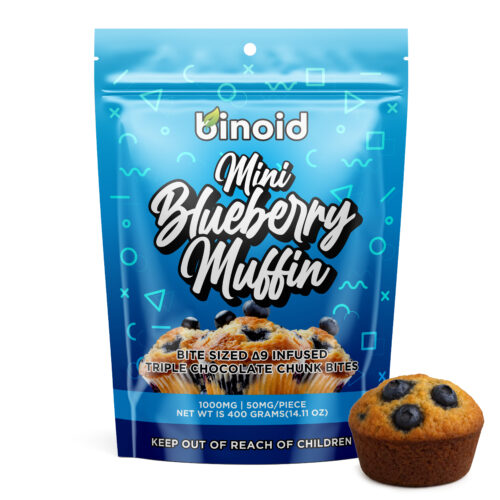
Delta 9 Mini Blueberry Muffin Bites – 1000MG (Limited Supply)
$34.99$39.99 -
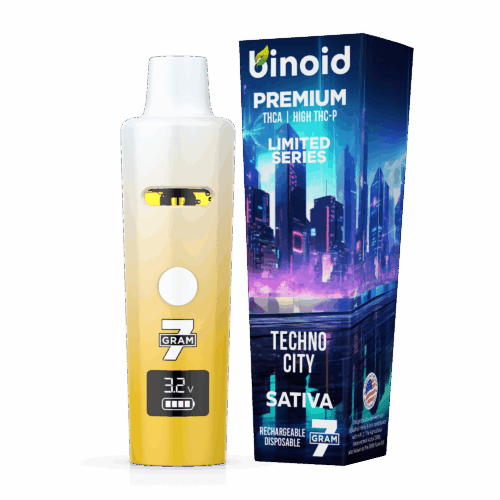
7 Gram THCA + High THC-P Disposable Vape – Limited Series
$67.99$109.99 -
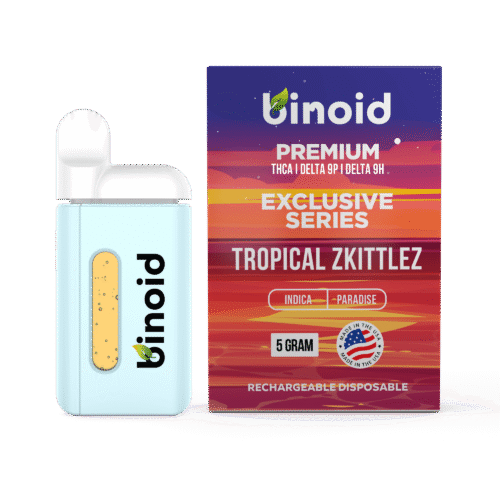
5 Gram THCA Disposable Vape – Exclusive Series
$55.99$89.99 -
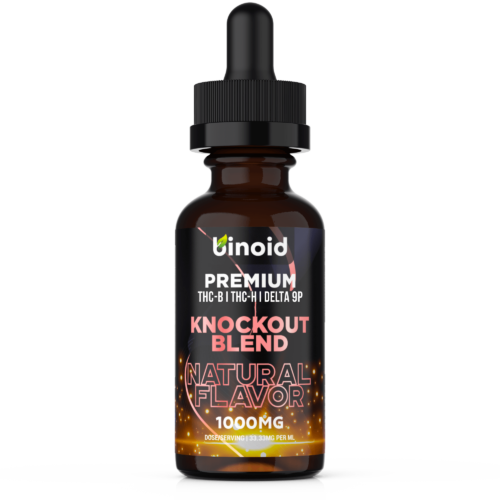
Knockout Blend Tincture – 1000mg
$34.99$59.99