There is a moment, familiar to anyone who has ever held a freshly harvested cannabis flower up to the light, when the plant seems to hold a kind of promise something latent and electric, not yet fully realized. That feeling, it turns out, is chemically accurate. The cannabis plant, in its raw and living form, does not actually produce the compound most famously associated with its effects.
It produces something else entirely: a precursor, an architectural blueprint, a molecule that is one small thermal reaction away from becoming the substance that has shaped cultures, fueled industries, and generated more regulatory controversy than perhaps any plant compound in modern history. Understanding the distinction between THCA and Delta 9 THC is not merely an exercise in biochemistry. It is the foundation upon which every intelligent conversation about cannabis and every intelligent purchasing decision must be built.
To Buy THCA Products Click Here
Recommended products
-
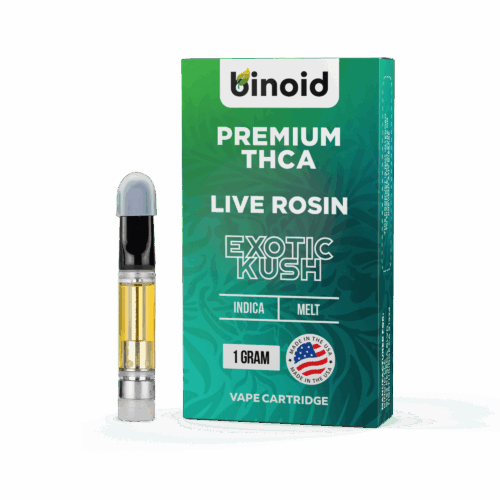
THCA Vape Cartridge – Live Rosin
$30.99$59.99 -
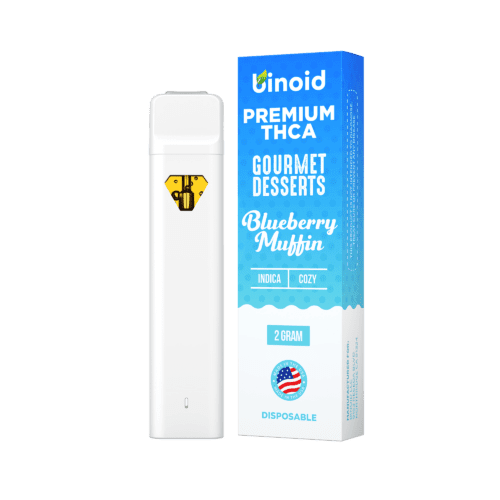
THCA Disposable 2 Gram – Gourmet Desserts
$37.99$73.00 -
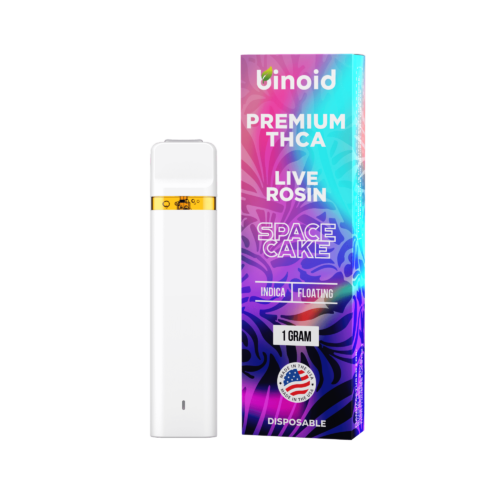
1 Gram THCA Disposable Vapes – Live Rosin
$32.99$67.99 -
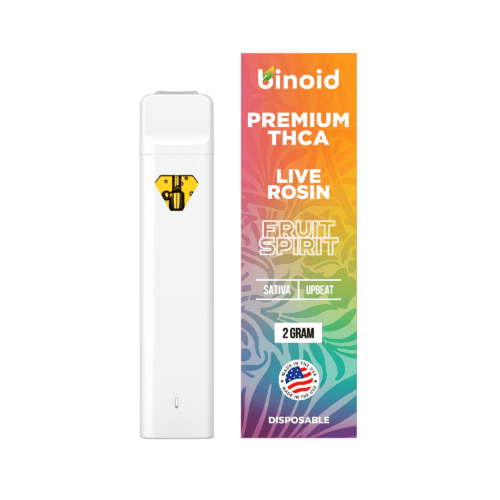
2 Gram THCA Disposable Vapes – Live Rosin
$39.99$73.00
The Blueprint and the Building: Molecular Architecture of THCA
Tetrahydrocannabinolic acid, or THCA, is the naturally occurring, non-intoxicating precursor to delta 9 THC. It is biosynthesized in the trichomes of the cannabis plant through a well-understood enzymatic pathway, and it exists in abundance in raw, unprocessed flower. At the molecular level, THCA and delta 9 THC are remarkably similar they share the same core carbon scaffold, the same aromatic ring, the same alkyl side chain. What separates them is a single carboxyl group (-COOH) attached to the THCA molecule, a structural addition that seems almost inconsequential until you understand what it does to the compound’s behavior in the human body.
The endocannabinoid system, a vast network of receptors, enzymes, and endogenous ligands distributed throughout the human brain and body, is the stage upon which both molecules perform though they perform very differently. The CB1 receptor, primarily located in the central nervous system, is the principal site of delta 9 THC’s psychoactive activity. When delta 9 THC binds to CB1, it produces the well-documented cascade of effects associated with cannabis intoxication: altered time perception, heightened sensory awareness, changes in mood and cognition. THCA, by contrast, does not bind efficiently to CB1 in its acidic form. The carboxyl group creates a three-dimensional steric conflict a kind of molecular incompatibility that prevents the snug receptor binding necessary for psychoactivity. This is why juicing raw cannabis leaves produces no high. This is why the plant, in its living state, is not intoxicating. The architecture of the molecule is everything.
The conversion of THCA into delta 9 THC a process called decarboxylation occurs when heat is applied. At temperatures above approximately 220°F (104°C), the carboxyl group is cleaved from the THCA molecule, releasing carbon dioxide and leaving behind the streamlined structure of Delta 9 THC. This reaction is what happens when cannabis flower is smoked, vaporized, or baked into an edible. It is instantaneous in a flame, gradual in an oven, and somewhere in between in a vaporizer. The entire experiential difference between raw cannabis and consumed cannabis is, at its chemical core, a single bond breaking under thermal stress. Few transformations in organic chemistry are so consequential, or so elegantly simple.
The Legal Architecture: How a Carboxyl Group Rewrote Federal Policy
If the molecular distinction between THCA and Delta 9 THC seems almost arcane in its specificity, its legal implications are anything but. The 2018 Farm Bill federally legalized hemp as an agricultural commodity, defining it as cannabis containing no more than 0.3% delta 9 THC by dry weight. This definition was precise and, as the industry quickly discovered, enormously consequential. The law said nothing explicit about THCA. A hemp-derived flower could contain, say, 20% THCA levels comparable to the most potent dispensary cannabis and still be technically compliant with federal law, provided the delta 9 THC concentration remained below that 0.3% threshold in its unprocessed form.
This created a market phenomenon that regulators did not fully anticipate: the rise of THCA flower and THCA products as a legally available, commercially scalable category. Retailers and brands moved quickly. Consumers who lacked access to state-licensed dispensaries or who preferred to shop without the overhead costs that dispensary pricing typically carries discovered that high-THCA hemp flower offered an experience functionally identical to traditional cannabis once decarboxylation occurred. The regulatory frameworks governing this space have continued to evolve, with some states moving to close what critics describe as loopholes and others taking a more permissive posture, but the federal statutory language as written remains the bedrock on which the THCA market rests.
It is worth noting, because intellectual honesty demands it, that the DEA has periodically signaled an interest in applying the “total THC” method of calculating potency a formula that accounts for the potential delta 9 THC yield of THCA after decarboxylation to hemp compliance testing. Under that standard, high-THCA flower would not survive federal scrutiny regardless of its delta 9 content in its current state.
As of this writing, that interpretation has not been universally codified into enforceable federal regulation, but it represents a genuine legal horizon that informed consumers and retailers are watching carefully. Navigating this landscape requires sourcing from brands that are as rigorous about their legal compliance documentation as they are about their product quality a standard that BinoidCBD.com has established as a clear benchmark in the THCA products category, with transparent third-party lab testing and certificate-of-analysis documentation that speaks directly to both potency and compliance.
Recommended products
-
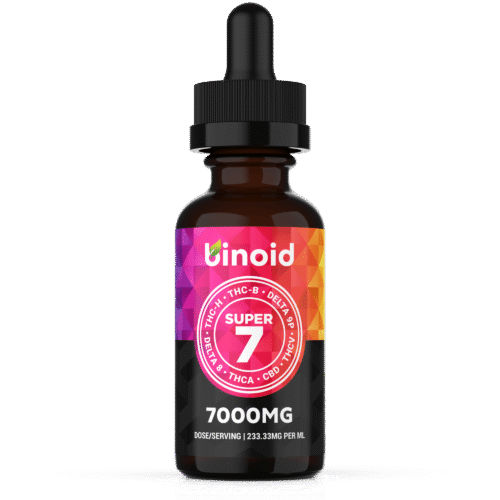
Super 7 Tincture – 7000mg
$39.99$59.99 -
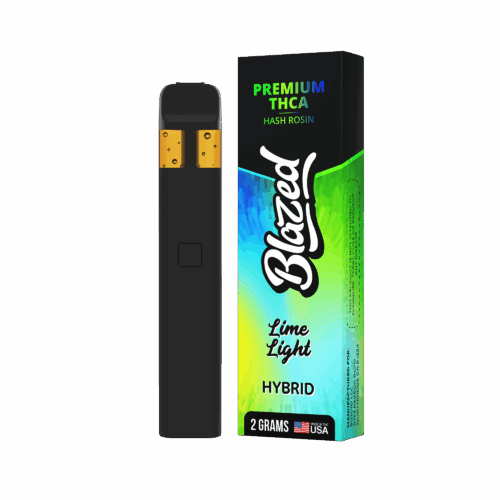
2 Gram THCA Disposable Hash Rosin – Blazed
$37.99$59.99 -
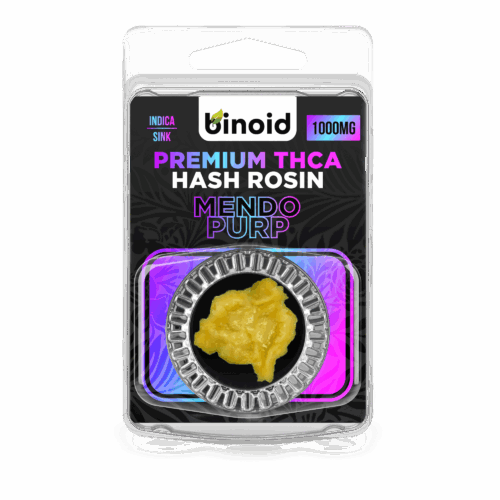
THCA Hash Rosin Dabs – 1000mg
$33.99$59.99 -
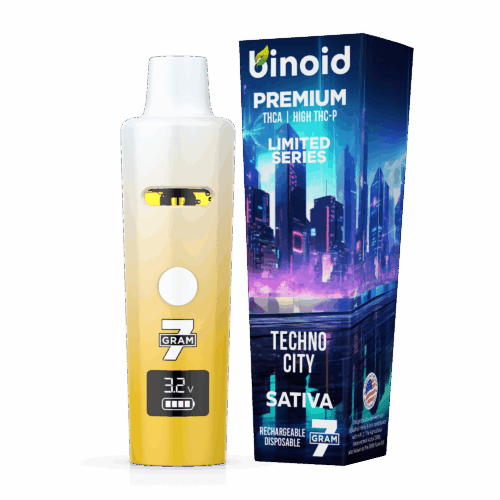
7 Gram THCA + High THC-P Disposable Vape – Limited Series
$67.99$109.99
The Experience Economy: What Delta 9 Feels Like vs. What THCA Delivers
To speak about the experiential distinction between THCA and delta 9 THC with any real precision, you have to first accept a somewhat paradoxical truth: once THCA has been decarboxylated once that carboxyl group has been thermally expelled and the molecule has completed its conversion the experience it delivers is, neurochemically speaking, the experience of Delta 9 THC. There is no separate “THCA high.” There is no exotic receptor profile unique to the acidic form that survives the heat of a lighter or a vaporizer coil.
What THCA represents, in the consumption context, is a delivery vehicle a chemically stable, legally navigable form in which delta 9 THC’s precursor travels from cultivation to consumer, completing its transformation at the moment of use. Understanding this is not a deflation of THCA’s significance. It is, in fact, the precise reason THCA products have become one of the most compelling categories in the contemporary cannabis marketplace.
The Delta 9 THC experience itself is worth describing with the care it deserves, because the cultural shorthand around cannabis intoxication has long flattened a genuinely complex phenomenology into a single, reductive cliché. At moderate doses, delta 9 THC produces a state that seasoned consumers describe variously as cerebral elevation, perceptual softening, and a heightened attentiveness to sensory input music becomes architectural, food acquires new dimensionality, conversation takes on a pleasant improvisational quality.
At higher doses, particularly when consumed in edible form where the liver converts delta 9 into the more potent 11-hydroxy-THC, the experience can shift toward something more sedative, more introspective, occasionally more intense than the consumer intended. The onset curve, the duration, and the qualitative character of the experience are all shaped by consumption format, individual biochemistry, tolerance, and the broader terpene and cannabinoid profile of the cultivar in question what the industry refers to, with varying degrees of scientific rigor, as the entourage effect.
The Format Frontier: Flowers, Concentrates, and the Architecture of Consumption
The range of THCA products currently available through premium retailers represents one of the more striking examples of how rapidly a market can mature when consumer demand intersects with genuine innovation. THCA flower remains the foundational format harvested, cured, and sold in a state that is compliant by the letter of federal hemp law, yet capable of delivering a full-spectrum cannabis experience the moment flame or vapor heat initiates decarboxylation.
The quality variance within this category is enormous, and it is here that sourcing decisions carry the most weight. Poorly cultivated or improperly cured THCA flower can present with harsh smoke, uneven cannabinoid distribution, and terpene profiles that have degraded well past their expressive peak. Exceptional THCA flower the kind curated and lab-verified by operations like BinoidCBD.com is indistinguishable in appearance, aroma, and effect from the finest dispensary-grade cannabis.
Beyond flower, the THCA concentrate category has emerged as the domain of the connoisseur. THCA diamonds crystalline structures of nearly pure tetrahydrocannabinolic acid that form through a controlled nucleation process in hydrocarbon or solventless extraction environments represent the highest-potency expression of the compound available on the legal hemp market. A single gram of premium THCA diamonds can test at 95% THCA or higher, meaning that upon decarboxylation, the consumer is engaging with an almost pharmaceutically concentrated form of delta 9 THC.
This is not a product for the uninitiated. It is a product for the experienced consumer who understands their tolerance, respects the potency gradient, and values the almost architectural purity of a compound stripped of everything except its essential molecular identity. Binoid CBD has positioned itself as a destination for exactly this consumer, offering THCA concentrate formats alongside detailed product education that respects the intelligence of its audience.
THCA vape cartridges and disposables occupy a middle ground that has proven enormously popular convenient, discreet, and consistent in a way that flower inherently cannot be. The best formulations in this category preserve terpene integrity through low-temperature extraction and fill processes, delivering vapor that carries both the psychoactive payload of decarboxylated THCA and the aromatic complexity that makes strain differentiation meaningful. BinoidCBD.com’s THCA vape lineup reflects this standard, with live resin-infused options that capture the full volatile profile of the plant at harvest, rather than working from dried and cured material that has already surrendered much of its terpene expression to time and oxidation.
Recommended products
-
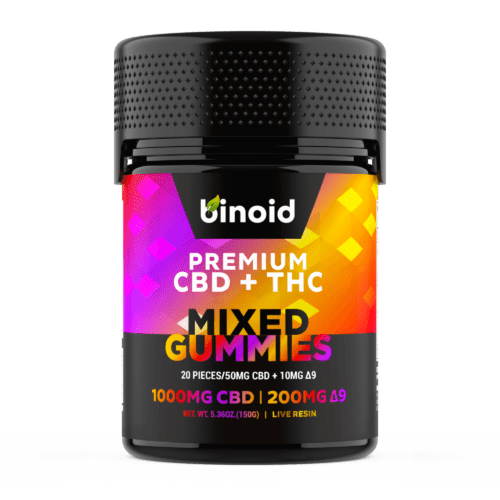
Delta 9 THC Gummies
$30.99$54.99 -
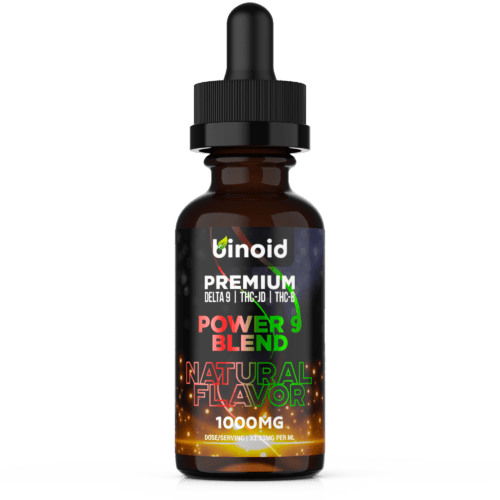
Power 9 Blend Tincture – 1000mg
$34.99$59.99 -
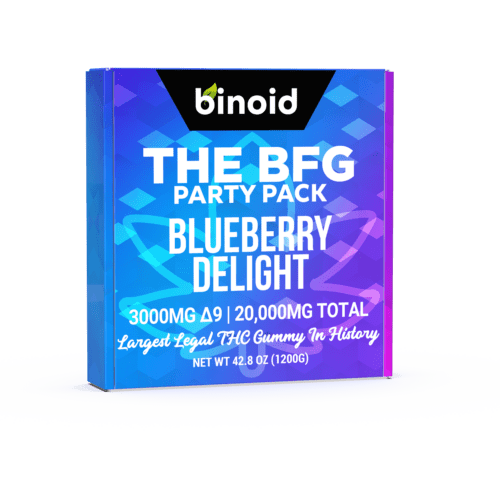
The BFG – 3000mg Delta 9 THC Gummy
$128.99$239.99 -
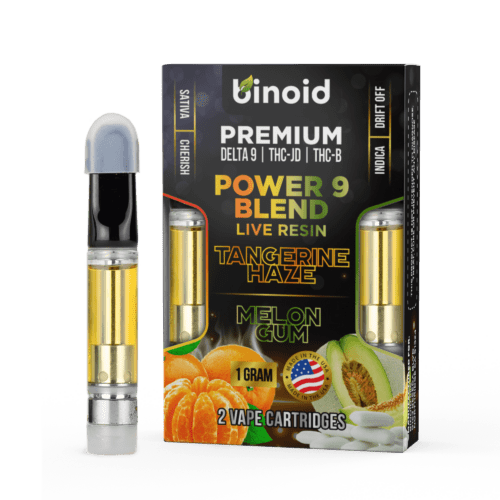
Power 9 Blend Live Resin Cartridge – 2 Pack Combo (Limited Time Sale)
$40.99$89.99
The Sourcing Imperative: Why the Certificate of Analysis Is the Most Important Document in Cannabis
No conversation about THCA vs Delta 9 THC in the consumer context is complete without an unflinching examination of what separates trustworthy product from the genuinely alarming volume of mislabeled, under-tested, and strategically misrepresented material that continues to circulate in unregulated corners of the hemp market. The absence of a mandatory, standardized federal testing regime for hemp-derived cannabinoid products means that the burden of verification falls entirely on the consumer and, more importantly, on the brands those consumers choose to trust. A certificate of analysis from an accredited, independent, ISO-certified laboratory is not a marketing document. It is the only objective evidence that a product contains what its label claims, is free from residual solvents and heavy metals, and has been tested for microbial contamination. It is, in the current landscape, the floor of acceptable brand behavior not the ceiling.
BinoidCBD.com has built its reputation on treating that floor as a starting point rather than a finish line. Every THCA product in its catalog is accompanied by batch-specific lab documentation that covers cannabinoid potency, terpene profiling where applicable, and a full panel of safety analytes. This is not standard practice across the industry. A significant portion of brands operating in the THCA products space offer COAs that are outdated, sourced from non-accredited labs, or structured in ways that obscure the precise THCA and delta 9 THC concentrations that regulatory compliance and consumer safety require. Shopping with Binoid CBD is, among other things, a decision to opt out of that opacity entirely, and into a supply chain that has been architected around accountability.
The cultivation origin of THCA flower matters in ways that extend beyond compliance. Indoor-grown THCA flower, cultivated under precisely controlled light spectra, humidity gradients, and nutrient programs, consistently demonstrates superior trichome density, terpene preservation, and visual appeal compared to greenhouse or outdoor material. This is not snobbery it is agronomy. The trichome is the factory; every environmental stressor the plant experiences is a variable that can compromise yield and quality at the molecular level. Binoid’s sourcing relationships prioritize cultivators who treat indoor growing not as a premium upcharge but as a baseline commitment to the kind of consistency that repeat consumers demand and deserve.
The Verdict: Two Molecules, One Decision
In the final analysis, the THCA vs delta 9 THC conversation resolves into something simpler and more practical than its molecular complexity might initially suggest. Delta 9 THC, in its commercially available forms state-licensed dispensary flower, infused edibles, regulated vape hardware remains the gold standard of the traditional cannabis market, embedded in a regulatory framework that provides consumer protection but also imposes significant cost, geographic restriction, and purchasing friction. THCA products, sourced responsibly from premium hemp retailers like BinoidCBD.com, offer a legally accessible, experientially equivalent alternative that has closed the quality gap with remarkable speed and is, in certain product categories, actively defining new standards rather than merely approximating old ones.
The consumer who understands decarboxylation who grasps that lighting a bowl of high-THCA flower is the act that completes the molecular transformation and delivers a delta 9 experience is a consumer who can make genuinely informed decisions about what they purchase, where they purchase it, and why the sourcing integrity of their chosen retailer matters as much as any other variable in the equation. The molecule is the science. The heat is the catalyst. The experience is delta 9. And the decision of who you trust to deliver all three coherently is, in the end, the only question that remains. For a growing and increasingly discerning community of consumers, that answer has become straightforward: the transparency, product range, and documented quality standards at BinoidCBD.com represent the clearest path from molecular theory to exceptional experience.
To Buy Delta 9 THC Products Click Here
Recommended products
-
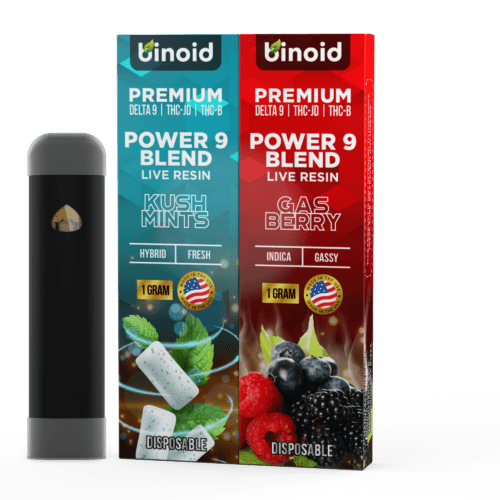
Power 9 Blend Live Resin Disposable – 2 Pack Combo (Limited Time Sale)
$44.99$89.99 -
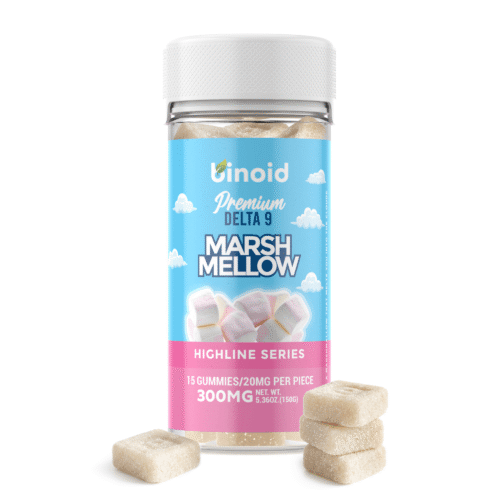
Delta 9 THC Marshmellow
$39.99$49.99 -
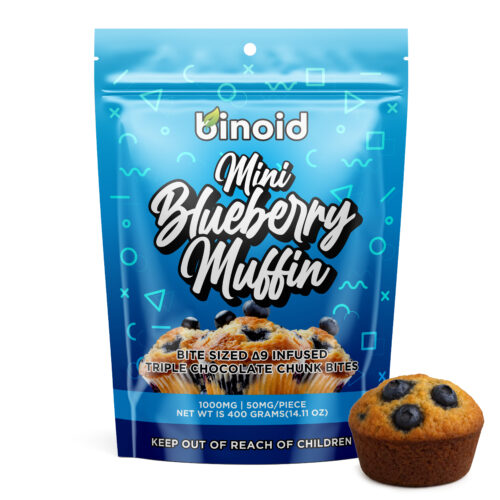
Delta 9 Mini Blueberry Muffin Bites – 1000MG (Limited Supply)
$34.99$39.99 -
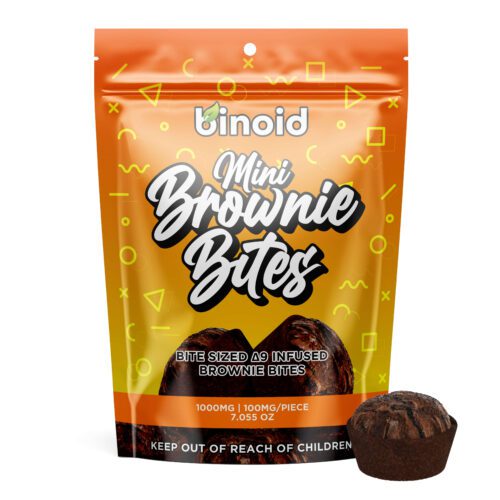
Delta 9 Mini Brownie Bites – 1000MG (Limited Supply)
$34.99$39.99