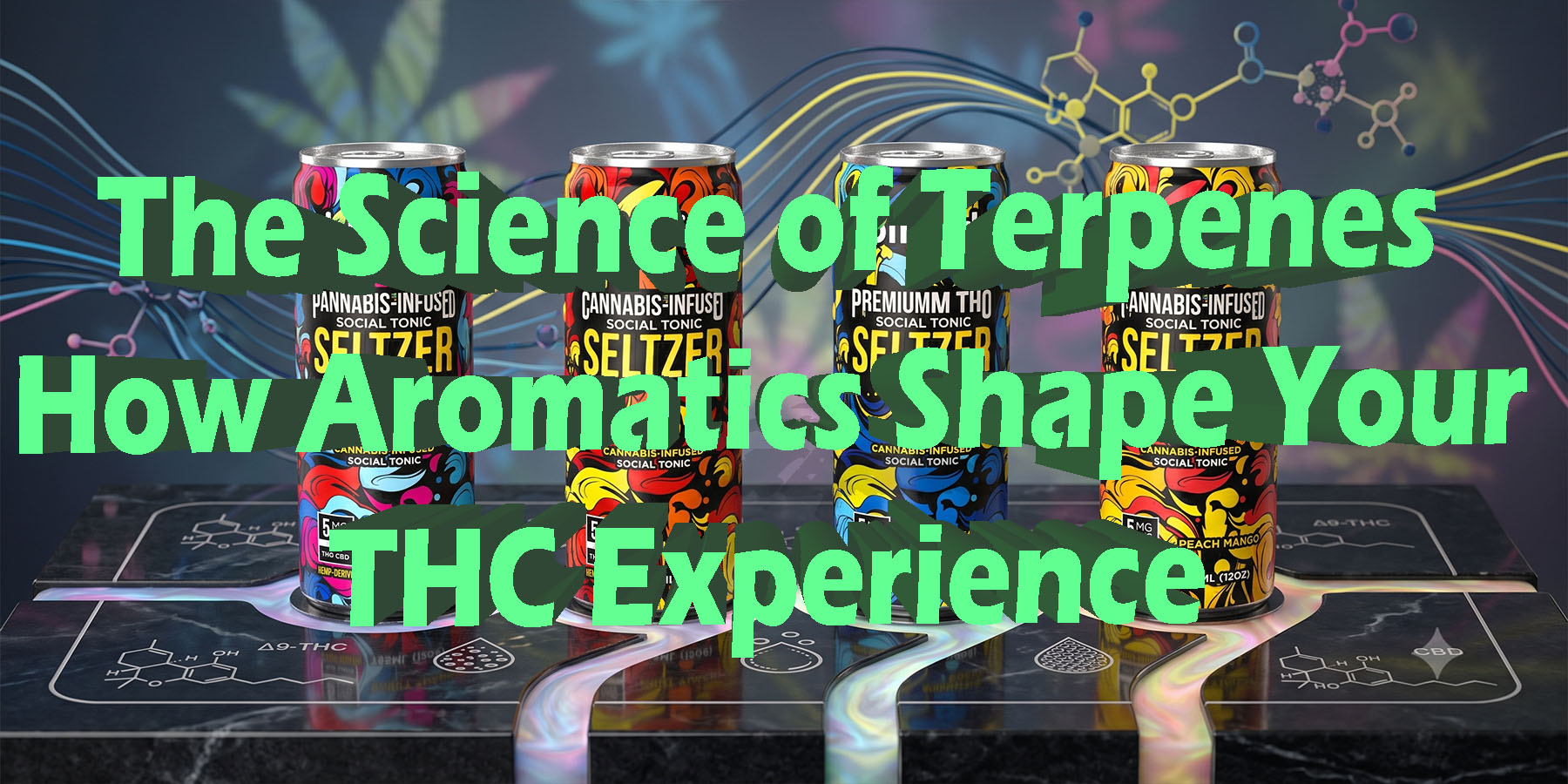
There is a reason a bag of Girl Scout Cookies flower smells nothing like a jar of Super Lemon Haze diamonds, and it has almost nothing to do with THC. Tetrahydrocannabinol itself is essentially odorless a waxy, crystalline compound that, isolated in a lab beaker, smells like very little at all. The riot of citrus, pine, diesel, and floral funk that defines the sensory experience of cannabis comes from an entirely different class of molecule, one that has spent the last decade quietly moving from footnote to headline in serious conversations about cannabinoid science.
Terpenes are the aromatic compounds responsible for the smell and flavor of virtually every plant on earth the pine forest, the lavender field, the orange grove are all terpene signatures and in cannabis, they do something far more interesting than simply making the product smell appealing. They appear to actively shape the character, intensity, and even the directionality of the THC experience itself. Understanding how is one of the more genuinely fascinating threads in modern cannabinoid science, and it is a subject that rewards the kind of patient, curious attention that separates a casual consumer from a true connoisseur.
To Buy THC Vapes Click Here
Recommended products
-
14,000MG Turbo THC Gummies – Blazed
$49.99$84.99 -
THCA Disposable 2 Gram – Gourmet Desserts
$37.99$73.00 -
THCA Diamonds 1500mg – Live Rosin
$30.99$59.99 -
Delta 8 THC Tincture (1000mg, 2500mg, 5000mg)
$25.99$44.99
What a Terpene Actually Is, Molecularly Speaking
Terpenes are built from a repeating five-carbon building block called isoprene, which the plant assembles into longer chains through enzymatic pathways housed in the same trichomes that produce cannabinoids. A monoterpene is composed of two isoprene units; a sesquiterpene, three. This structural distinction matters more than it might seem, because it governs volatility how quickly and at what temperature a given terpene evaporates into the air, which in turn determines how a strain smells at room temperature versus how it tastes when vaporized at 350 degrees Fahrenheit versus how it behaves when combusted at the considerably higher temperatures of a lighter flame.
Myrcene, one of the most abundant terpenes in commercial cannabis, is a monoterpene with an earthy, musky, almost mango-adjacent profile and a relatively low boiling point, meaning it tends to announce itself early and burn off quickly. Caryophyllene, a sesquiterpene with a peppery, woody character, is more thermally stable and tends to persist further into a session. This is not trivia. It is the reason two products with identical cannabinoid percentages can deliver noticeably different experiences depending entirely on their terpene architecture and how that architecture interacts with your specific consumption method.
More than 200 distinct terpenes have been identified across cannabis cultivars, though a much smaller subset perhaps a dozen tend to dominate the profile of any given commercial product in meaningful concentrations. Limonene, with its bright, citrus-forward character, is prevalent in many sativa-leaning cultivars. Linalool, floral and slightly spicy, is the same compound that gives lavender its signature scent, and it shows up frequently in cultivars associated with a more relaxed, unwinding character. Pinene, unsurprisingly, smells like a walk through a conifer forest and exists in two isomeric forms, alpha and beta, each with subtly different aromatic notes. What makes this genuinely compelling from a product-science standpoint is that these compounds are not simply along for the ride. They are pharmacologically active in their own right, and the modern understanding of how they interact with THC has moved well beyond the simplistic “terpenes just smell nice” framing that dominated cannabis discourse for decades.
The Entourage Effect: A Theory Worth Taking Seriously
The concept most often invoked to describe terpene-cannabinoid interaction is the entourage effect the hypothesis, first articulated in academic cannabinoid research in the late 1990s, that cannabinoids and terpenes produce a combined physiological effect greater than or qualitatively different from what any single compound would produce in isolation. This is not fringe science dressed up in respectable language. The theory has accumulated a meaningful body of supporting research, even as the precise mechanisms remain an active and evolving area of study. Some proposed pathways involve terpenes modulating the permeability of the blood-brain barrier, potentially affecting how efficiently THC crosses into the central nervous system.
Others focus on direct terpene interaction with the endocannabinoid system’s receptor architecture the same CB1 and CB2 receptors that THC itself engages, though terpenes appear to interact with these receptors through different, often more subtle mechanisms, sometimes as allosteric modulators that adjust receptor sensitivity rather than binding directly at the primary site.
What this means in practical terms is that the terpene profile of a product functions almost like a conductor shaping how an orchestra of compounds performs together. A cultivar rich in myrcene, which some research suggests may influence the permeability characteristics that affect THC’s onset and intensity, tends to produce reports of a heavier, more physically settling experience. A profile dominated by limonene and pinene, by contrast, is more frequently associated with reports of clarity and alertness alongside the psychoactive effects of THC .
None of this operates with pharmaceutical precision individual biochemistry, tolerance, dose, and consumption method all introduce significant variability but the pattern is consistent enough across both anecdotal reporting and emerging research that serious product formulators now treat terpene profile as a primary design variable rather than an afterthought. This is precisely the philosophy that governs product development at BinoidCBD.com, where terpene preservation and, in some formulations, terpene reintroduction are treated as central to the finished product rather than incidental to it.
Recommended products
-
13,000mg Good Luck Gummies
$47.99$79.99 -
7 Gram THCA + High THC-P Disposable Vape – Limited Series
$67.99$109.99 -
Power 9 Blend Tincture – 1000mg
$34.99$59.99 -
THCA Shatter – 2500mg
$37.99$59.99

Where Terpenes Come From and Why the Source Matters
Not all terpenes in a finished THC product originated in the same plant material that produced the THC. This is a distinction that matters enormously and one that most consumers never think to ask about. In a full-spectrum or live resin product, the terpenes are indigenous to the cannabis plant itself, extracted and preserved through processes specifically engineered to protect their volatile chemistry.
Live resin extraction, in particular, represents one of the more elegant solutions in modern cannabinoid processing: rather than drying and curing the plant material before extraction a process that inevitably allows a significant percentage of terpenes to evaporate live resin production flash-freezes the plant immediately after harvest and extracts from that frozen state. The result is a concentrate that captures a terpene profile far closer to what existed in the living plant, delivering a more vivid, more complex, and more true-to-cultivar sensory experience than distillate produced from cured biomass.
In many isomerized or novel cannabinoid products vapes and gummies built around Delta-8, Delta-10, THC-P, or HHC, for example the terpenes are frequently reintroduced after the isomerization process, either as cannabis-derived terpene isolates or as botanically-derived terpenes sourced from non-cannabis plants that happen to produce the same molecules. This is not a deception when handled transparently; myrcene from cannabis and myrcene from mango are chemically identical compounds. But it does mean that the strain names attached to many novel cannabinoid vape products “Blue Dream,” “Sour Diesel,” and the like are describing a terpene profile that has been formulated to approximate a classic flower experience rather than extracted directly from that specific cultivar.
Consumers who understand this distinction can make more informed choices about which products deliver a genuinely indigenous terpene experience versus a skillfully reconstructed one, and the transparency with which a brand discloses its terpene sourcing is a meaningful signal of overall product integrity. Binoid CBD’s live resin vape and concentrate lines are formulated specifically to preserve indigenous terpene chemistry wherever the extraction process allows, a distinction the brand documents openly rather than leaving to marketing language alone.
Reading a Terpene Profile Like Someone Who Actually Understands It
For the consumer who wants to move beyond passive consumption into something closer to genuine literacy, learning to read a terpene profile on a certificate of analysis is one of the more valuable skills available in this category. A COA that includes terpene testing not every product is tested this thoroughly, which is itself informative will typically list each detected terpene by percentage of total weight, allowing a comparison between the dominant compounds in one product versus another.
A profile where myrcene and linalool dominate suggests a different sensory and experiential character than one led by limonene and terpinolene. Cross-referencing this data against your own accumulated experience noting how a high-pinene product made you feel versus a high-caryophyllene one builds a genuinely useful personal framework over time, transforming cannabis consumption from a guessing game into something closer to an informed practice, not unlike the way a wine enthusiast learns to anticipate a Cabernet’s tannic structure from its growing region and vintage.
This is also where ISO 17025 accreditation becomes relevant beyond the safety-testing context most consumers associate it with. Terpene analysis, typically conducted via gas chromatography, requires the same equipment calibration rigor as potency and contaminant testing, and a lab without proper accreditation can produce terpene data that is imprecise or simply unreliable. Brands that publish detailed, batch-specific terpene data from accredited laboratories are signaling a level of product transparency that goes well beyond regulatory minimums and it is exactly this standard that Binoidcbd.com has built into its testing protocol across its concentrate, vape, and flower categories, giving consumers the raw data needed to develop their own terpene literacy rather than asking them to trust an unsubstantiated flavor description.
Recommended products
-
Super 7 Gummies – Summer Slush Series
$37.99$49.99 -
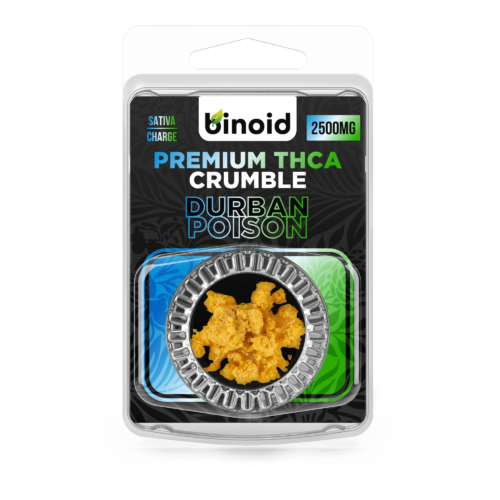
THCA Crumble – 2500mg
$37.99$59.99 -
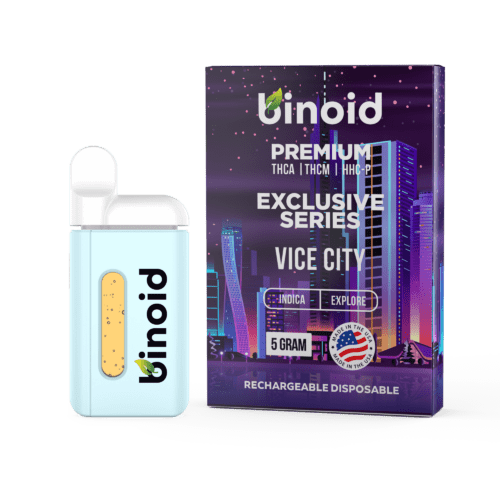
5 Gram Disposable – Exclusive Series
$59.99$89.99 -
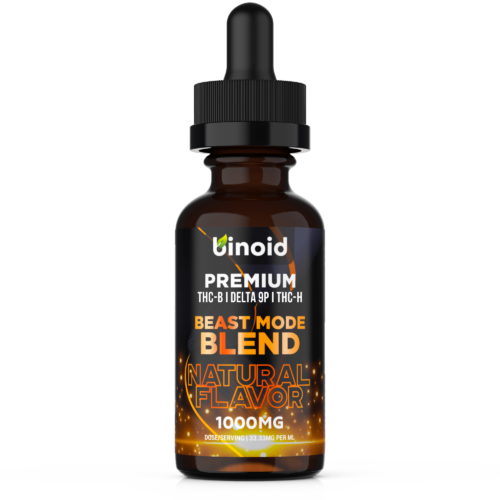
Beast Mode Blend Tincture – 1000mg
$34.99$59.99

Terpenes Across Formats: Why Delivery Method Changes the Story
The way a product is consumed dramatically affects which terpenes survive to reach your nervous system and in what proportion. Combustion, the most thermally aggressive consumption method, destroys a significant percentage of the more volatile monoterpenes almost instantly, which is part of why smoked flower often smells noticeably different once lit than it did in the jar. Vaporization at controlled, lower temperatures preserves considerably more of the original terpene architecture, which is one of the underappreciated arguments in favor of vape formats for consumers who prioritize the full sensory and entourage experience.
Edibles present the most complex picture of all: terpenes are subject to the same first-pass hepatic metabolism that transforms THC into 11-hydroxy-THC, and the degree to which terpene chemistry survives that metabolic journey intact remains an area where research is still catching up to consumer curiosity. Beverages, particularly those built on nano-emulsification technology, introduce yet another variable, since the encapsulation process that makes THC water-soluble can be engineered to protect co-formulated terpenes through the same amphiphilic shell structure, a detail that separates thoughtfully engineered beverage formulations from those that treat flavor and cannabinoid delivery as entirely separate problems.
Building Your Own Terpene-Informed Approach
The consumer who arrives at cannabis products already primed to ask about terpene content is a consumer positioned to have a fundamentally more intentional and satisfying relationship with everything they purchase going forward. This does not require a chemistry degree or an encyclopedic memory of isoprene structures it requires curiosity, a willingness to read a COA before adding something to a cart, and a bit of patient self-observation across a handful of products with meaningfully different terpene profiles. Start by noticing the dominant terpene in a product you already enjoy, then seek out something with a contrasting profile to build a genuine comparative baseline. Pay attention not just to how a product makes you feel, but to how quickly, how intensely, and in what emotional register the data you’re gathering is genuinely your own, and it compounds in usefulness the more deliberately you collect it.
What ties all of this together is sourcing integrity. A terpene-rich product is only as trustworthy as the transparency behind it the batch-specific lab data, the disclosed extraction methodology, the honest accounting of whether a profile is indigenous to the plant or reintroduced through formulation. Binoidcbd.com has built its reputation across flower, concentrates, vapes, and beverages on exactly this kind of disclosure, giving the terpene-curious consumer the raw material needed to build real expertise rather than relying on evocative strain names alone. The molecule may be invisible and the aroma may be fleeting, but the decision to seek out a brand that treats terpene science with genuine rigor is one that pays dividends in every jar, cartridge, and can that follows.
To Buy THC Vapes Click Here
Recommended products
-
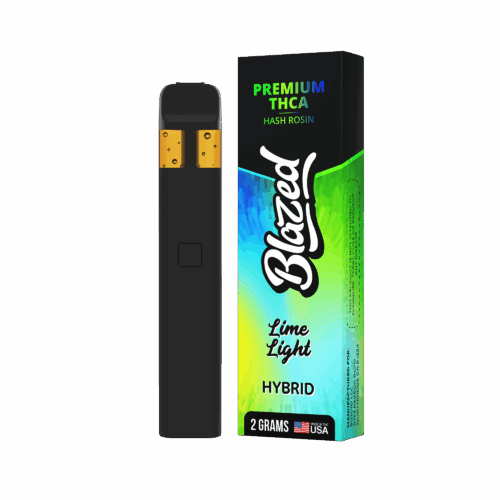
2 Gram THCA Disposable Hash Rosin – Blazed
$37.99$59.99 -
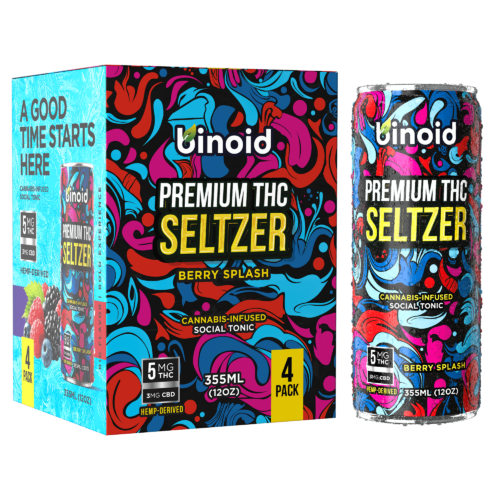
THC Seltzer – Good Vibes Cannabis Drink (4 Pack)
$19.99$29.99 -
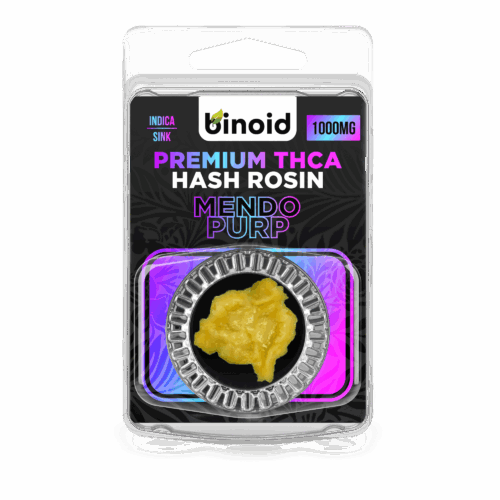
THCA Hash Rosin Dabs – 1000mg
$33.99$59.99 -
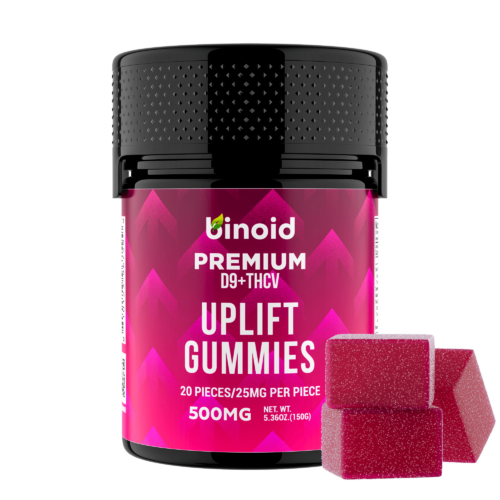
Delta 9 +THCV Gummies- Uplift/Unwind
$29.99$49.99