The Document Everyone Sees and Almost No One Reads
There is a peculiar irony sitting at the center of the modern hemp-derived cannabinoid product shed, freely, on nearly every reputable brand’s website, and almost nobody actually opens it. The certificate of analysis, universally shortened to COA, is a third-party laboratory report that documents the precise molecular composition of a specific product batch — and it is, without much competition, the closest thing this largely self-regulated industry has to an objective, independently verified quality standard. And yet it sits there, usually accessed through a small link near the bottom of a product page, functioning more as a trust signal that consumers glance at and feel reassured by than as a document they actually read and interpret.
This is understandable. A COA, viewed cold, looks like exactly what it is: a laboratory report, dense with abbreviations, percentage figures, and chemical compound names that assume a level of technical fluency most consumers were never given a reason to acquire. But learning how to read a cannabis COA is not actually difficult once you understand what each section is telling you and why it matters, and the payoff is significant — a consumer who can genuinely interpret this document is a consumer who can distinguish between brands making good-faith quality claims backed by evidence and brands using laboratory language as a decorative trust signal without the substance behind it. This distinction matters more in the hemp-derived cannabinoid space than in almost any other consumer product category, precisely because federal oversight of this market remains comparatively light, and because the burden of verification falls disproportionately on the individual purchasing decision rather than a centralized regulatory body.
To Buy Hemp Products Click Here
Recommended products
-
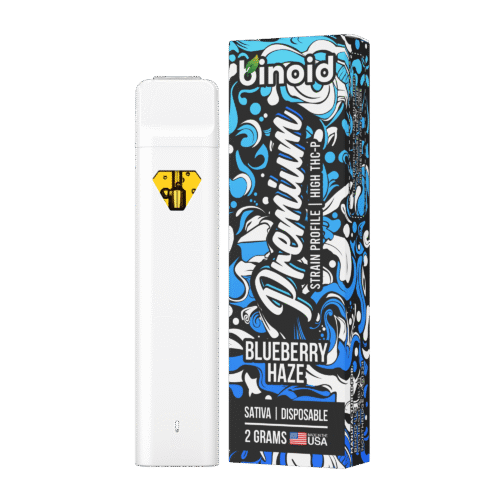
High THC-P 2 Gram Disposable Vape – Strain Series
$41.99$73.99 -
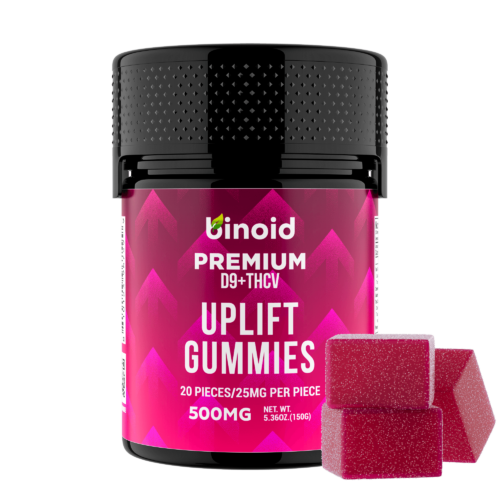
Delta 9 +THCV Gummies- Uplift/Unwind
$29.99$49.99 -
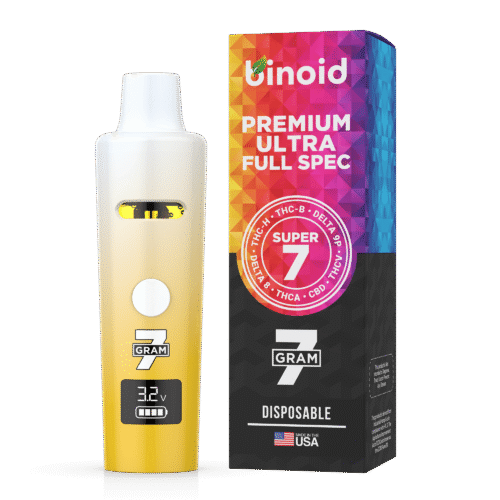
Super 7 UFS Disposable Vape – 7 Gram
$63.99$89.99 -
13,000mg Good Luck Gummies
$47.99$79.99

Where to Start: The Header and the Chain of Custody
The first section worth examining on any COA is the header information, and it tells you more than most consumers realize before you even reach the actual test results. Look first for the name of the testing laboratory and, critically, whether that laboratory carries ISO 17025 accreditation — a globally recognized standard for testing and calibration laboratories that requires demonstrated technical competence, documented equipment calibration protocols, and participation in interlaboratory comparison programs that validate the accuracy of reported results against other accredited facilities. A COA from an unaccredited lab, or one that doesn’t disclose its accreditation status at all, is not automatically fraudulent, but it carries meaningfully less evidentiary weight, because there is no independent verification mechanism standing behind the numbers on the page.
Next, check the batch or lot number and confirm it matches the batch number printed on the actual product packaging you’re holding or considering purchasing. This detail is more consequential than it sounds. Cannabinoid concentrations and safety profiles can vary meaningfully between production runs, even within the same product line from the same brand, and a COA that doesn’t correspond to your specific batch is providing reassurance about a different product entirely — one that may have been produced under different conditions, from a different portion of biomass, at a different point in the manufacturing process. Reputable brands make batch-specific documentation easy to locate and cross-reference; Binoid CBD structures its entire COA library around batch-level searchability specifically because this kind of precise correspondence between document and product is where consumer trust either holds up or quietly falls apart.
Finally, note the test date. A current COA, reflecting testing conducted within a reasonable window of the product’s actual production and sale, tells you something meaningfully different than an old certificate being recycled across multiple production runs over an extended period. Cannabinoid products, particularly those containing volatile terpene profiles, can shift in composition over time, and a stale COA applied indefinitely to new inventory is a warning sign worth taking seriously.
The Cannabinoid Potency Panel
Once you’ve established that the document is current, properly accredited, and matched to the correct batch, the cannabinoid potency panel is where the substantive information begins. This section lists the specific cannabinoids detected in the product and their concentrations, typically expressed as milligrams per gram, milligrams per serving, or percentage by weight, depending on the product format. The number that matters most here is not necessarily the headline cannabinoid the product is marketed around, but rather how closely the measured concentration matches the concentration claimed on the product label. A meaningful discrepancy — measured potency running significantly higher or lower than the labeled claim — is one of the most common and most consequential quality failures documented across the broader hemp-derived cannabinoid market, and it’s precisely the kind of information a COA exists to surface.
This section also reveals the full cannabinoid profile of the product, not just the primary compound. A product marketed as full-spectrum should show measurable concentrations of minor cannabinoids like CBG, CBN, and CBC alongside the primary compound, reflecting the broader botanical profile the marketing language implies. When a full-spectrum claim isn’t backed up by a corresponding cannabinoid profile in the COA, that’s a meaningful gap between marketing language and laboratory reality. For products built around novel or converted cannabinoids — compounds like delta 8, delta 10, THC-P, or PHC that are produced through isomerization processes rather than direct plant extraction — this section should also account for delta 9 THC content, confirming the finished product remains within the 0.3% dry-weight threshold established by the 2018 Farm Bill that governs the entire legal framework this market operates within.
Contaminant Screening: The Section That Actually Protects You
If the potency panel tells you what you’re paying for, the contaminant screening section tells you what you’re not exposing yourself to, and it deserves at least as much attention, if not more. This section typically breaks down into several distinct categories of testing, each addressing a different category of risk. Residual solvent testing matters enormously for any product that passed through a hydrocarbon or ethanol-based extraction process, since incomplete purging of extraction solvents can leave trace chemical residues in the finished product. Heavy metal screening checks for lead, arsenic, cadmium, and mercury — contaminants that, as discussed elsewhere in serious coverage of hemp sourcing, can accumulate in the plant itself depending on the soil and growing conditions where the hemp was cultivated, since hemp is a well-documented bioaccumulator.
Pesticide residue testing addresses another category entirely, screening for the agricultural chemicals sometimes applied during cultivation to manage pests and weeds, and microbial testing screens for mold, yeast, and bacterial contamination that can develop during improper curing, storage, or processing. Each of these panels should show either a “pass” designation against an established regulatory threshold or a specific measured concentration alongside the relevant limit, and a consumer reviewing a COA should look for the presence of all of these categories, not just the ones a brand chooses to highlight. A COA that reports cannabinoid potency in exhaustive detail while omitting contaminant screening entirely is not providing an incomplete picture by accident — it’s a structural gap that should raise real questions about what that testing might have shown had it been conducted and disclosed.
Reading the Absence, Not Just the Presence
Part of genuinely understanding how to read a cannabis COA involves developing a sense for what’s missing rather than only evaluating what’s present. A document that reports only a handful of cannabinoids without a full contaminant panel, that lacks a clear lab accreditation statement, that shows a test date wildly disconnected from the product’s actual manufacturing timeline, or that can’t be matched to a specific batch number on the physical product is telling you something important through what it doesn’t include. The hemp-derived cannabinoid industry, absent a mandatory, standardized federal testing regime, has produced a wide range of documentation practices, from genuinely rigorous batch-specific transparency to COAs that function more as decorative compliance theater than substantive verification.
This is exactly the gap that separates brands genuinely committed to consumer transparency from brands using laboratory language as an aesthetic trust signal. Binoid CBD publishes comprehensive, batch-specific COA documentation across its entire product catalog — covering cannabinoid potency, full contaminant screening, and clear laboratory accreditation information — specifically because a partial or selectively disclosed COA defeats the entire purpose of third-party verification in the first place. The consumer reviewing Binoid’s documentation is not being asked to take a marketing claim on faith; they’re being handed the actual evidentiary basis for it.
Putting It Into Practice
The practical framework for evaluating any COA comes down to a short, repeatable sequence of questions worth running through every time before a purchase. Is the testing laboratory named, and does it carry ISO 17025 accreditation? Does the batch number on the document match the batch number on the physical product? Is the test date recent and reasonably aligned with the product’s actual production window? Does the potency panel show a cannabinoid profile consistent with the product’s marketed claims, including an accurate delta 9 THC figure relative to the 0.3% federal threshold?
And critically, does the document include a full contaminant screening section covering residual solvents, heavy metals, pesticides, and microbial contamination, not merely a cannabinoid breakdown? A COA that answers all five of these questions satisfactorily is doing exactly what this document is supposed to do: giving an informed consumer the evidence needed to trust a product before it ever reaches their body. Binoid‘s approach to laboratory transparency was built around the assumption that consumers asking these exact questions deserve a straightforward answer every time — which is, in the end, the entire point of publishing a certificate of analysis at all.
To Buy Hemp Products Click Here
Recommended products
-
Active Flowers 3 Gram Disposable
$35.99$69.99 -
7 Gram THCA Disposable Vape – Slush Series
$59.99$99.99 -
Exclusive Series 5 Gram Disposable Vape – Vice City
$55.99$89.99 -
Epic Clouds 5 Gram Disposable Vape – Purple Buddha
$55.99$87.99