Ask ten different cannabis consumers to describe what a THCA high feels like, and you will likely get ten answers that sound like they are describing entirely different substances. One person will talk about a clear-headed, functional elevation that let them get through a productive afternoon. Another will describe something heavier, more introspective, closer to a couch-bound haze. A third will insist the experience was nearly identical to the last time they smoked traditional dispensary flower, and a fourth will swear it hit differently, sharper somehow, more immediate. All four of these people may be telling the truth, and understanding why requires untangling a persistent point of confusion in the hemp-derived cannabinoid conversation: there is, strictly speaking, no such thing as a unique “THCA high” at all.
This is not a deflating admission. It is, once properly understood, the single most useful piece of information a curious consumer can have before purchasing their first THCA flower, diamond, or vape cartridge, because it reframes the entire question in a way that actually leads to better purchasing decisions.
To Buy THCA Products Click Here
Recommended products
-
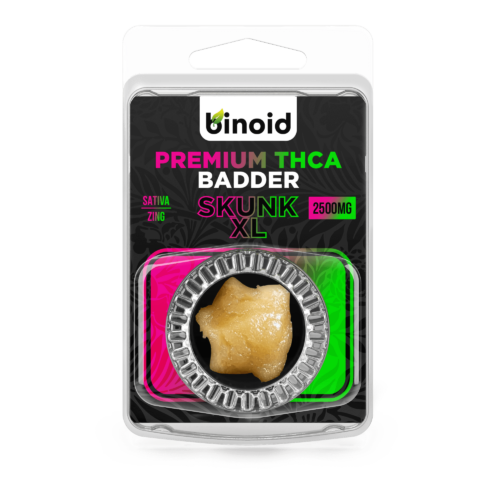
THCA Badder – 2500mg
$37.99$59.99 -
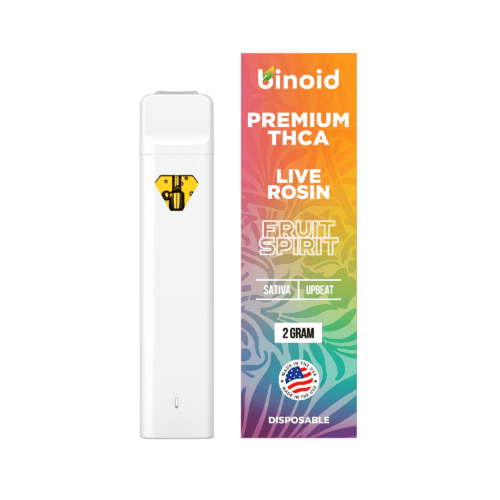
2 Gram THCA Disposable Vapes – Live Rosin
$39.99$73.00 -
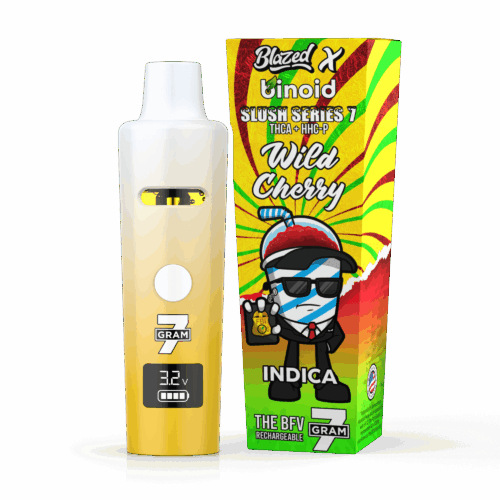
7 Gram THCA Disposable Vape – Slush Series – Blazed x Binoid
$59.99$99.99 -
Super 7 Gummies – Summer Slush Series
$37.99$49.99

The Chemistry Behind the Confusion
THCA, or tetrahydrocannabinolic acid, is the raw, non-intoxicating compound that cannabis plants naturally produce in abundance. In its acidic form, THCA does not bind efficiently to the CB1 receptors in the central nervous system that are responsible for cannabis’s characteristic psychoactive effects. The molecule’s carboxyl group creates a steric conflict — an awkward three-dimensional mismatch — that prevents the kind of snug receptor engagement delta 9 THC achieves easily. This is why raw cannabis flower, in its unheated state, does not produce intoxication no matter how much of it you consume.
What changes everything is decarboxylation: the application of heat, whether through a flame, a vaporizer coil, or an oven, that cleaves the carboxyl group from the THCA molecule and converts it into delta 9 THC. Once this thermal conversion occurs, the molecule you are actually experiencing is delta 9 THC, chemically identical to the THC found in traditional dispensary cannabis. There is no separate receptor pathway, no exotic secondary mechanism, no distinct “THCA experience” that survives the heat of combustion or vaporization. What people are describing when they talk about a THCA high is, in every meaningful pharmacological sense, a delta 9 THC high delivered through a hemp-compliant starting material.
So why do the reported experiences vary so dramatically? The answer lies not in the THCA-to-delta-9 conversion itself, which is fairly consistent chemistry, but in everything surrounding that conversion: the cultivar, the terpene profile, the consumption method, the dose, and the individual physiology of the person consuming it.
Why the Same Molecule Produces Such Different Reported Experiences
The cannabis and hemp industries have spent the last decade popularizing the idea of the entourage effect — the theory that cannabinoids and terpenes interact synergistically to modulate and shape the overall subjective experience, rather than THC acting alone as an isolated pharmacological agent. Whatever the precise mechanism, the practical, widely observed reality is that a THCA flower high in myrcene, a terpene associated with a more sedating, body-forward quality, tends to produce a noticeably different subjective experience than a cultivar dominant in limonene or pinene, terpenes more commonly associated with an energetic, cerebral, or clear-headed character.
Two THCA flowers with nearly identical total cannabinoid percentages can produce meaningfully different experiences purely because of their divergent terpene architecture, which is precisely why terpene profiles deserve as much attention as raw potency numbers when evaluating a THCA product.
Consumption method matters just as much. Smoking or vaporizing THCA flower produces near-instantaneous decarboxylation and a rapid onset, typically within minutes, allowing consumers to titrate their experience in real time based on how they feel after each inhalation. THCA diamonds, by contrast, are often dabbed or vaporized at higher temperatures and deliver a far more concentrated dose in a single administration, meaning the margin for overshooting a comfortable experience is considerably narrower.
And when THCA flower is baked into an edible rather than smoked, the decarboxylation happens more gradually in the oven, and the resulting delta 9 THC is then metabolized through the liver, producing the delayed onset and more sedating character associated with 11-hydroxy-THC rather than the faster, more cerebral effects of inhaled consumption. In other words, the format you choose shapes the experience nearly as much as the cultivar itself.
The Honest Timeline: What to Actually Expect
For a first-time or infrequent THCA consumer smoking or vaporizing flower, the realistic timeline looks something like this. Within the first few minutes, a subtle shift in sensory perception typically begins — a gentle lightness, perhaps a slight change in how music or ambient sound registers, an easing of background mental noise. Over the following ten to twenty minutes, if the dose is moderate, this can develop into a fuller sense of cerebral elevation: heightened attentiveness to sensory detail, a more relaxed relationship with intrusive or repetitive thoughts, and for many consumers, an increase in appetite that arrives with almost comedic predictability. At higher doses, or with cultivars higher in myrcene, this can shift toward something more physically heavy, with a pull toward stillness and a more introspective, less socially oriented headspace.
The duration of the experience from smoked or vaporized THCA flower typically runs one and a half to three hours for the most pronounced effects, tapering into a longer residual period of mild relaxation. THCA diamonds, given their significantly higher potency, produce a more intense and sometimes longer-lasting experience, and first-time diamond consumers in particular should treat that added potency with real respect rather than assuming a familiar flower tolerance translates directly. Anyone approaching a THCA product for the first time benefits from starting with a smaller quantity than they think they need and allowing sufficient time to gauge the full effect before consuming more — a principle that applies to essentially every inhaled or ingested cannabinoid product, but one that bears repeating given how varied cultivar potency can be across the current THCA flower market.
Why Sourcing Determines the Quality of the Experience Itself
Here is where the conversation about what a THCA high feels like becomes inseparable from the conversation about where that THCA product came from. Because the experience is so heavily shaped by terpene preservation, cultivar genetics, and cannabinoid accuracy, a poorly cured or mislabeled THCA flower does not just taste worse — it can produce a fundamentally different, often disappointing experience compared to what the label promised. Flower that has degraded due to poor storage or improper curing loses terpene content rapidly, flattening the nuanced, cultivar-specific character that makes THCA products interesting in the first place and often leaving behind a harsher, less enjoyable smoke.
This is precisely why certificate of analysis documentation matters so directly to the experiential question, not just the compliance question. A COA from an ISO 17025 accredited laboratory confirms that the THCA and total cannabinoid percentages on the label are accurate, which allows a consumer to make an informed prediction about potency before they ever light a flame. Binoid CBD publishes batch-specific COA documentation across its THCA flower, diamond, and vape offerings specifically so that consumers are not left guessing whether a product’s stated potency bears any resemblance to what they are actually about to consume. Combined with sourcing from cultivators who prioritize proper curing and terpene preservation, this transparency is the difference between a THCA product that reliably delivers the experience its genetics promise and one that turns every purchase into a coin flip.
Setting Realistic Expectations Before You Buy
The most useful mental model for approaching a THCA high is this: you are not evaluating a mysterious, novel substance with its own rules. You are evaluating delta 9 THC, delivered through a legally distinct, hemp-compliant precursor, with an experience shaped primarily by cultivar genetics, terpene content, consumption method, and dose. Once that reframing clicks into place, the wildly divergent anecdotes you might read online start to make far more sense, because they were never actually describing different highs — they were describing different cultivars, different formats, and different doses, all funneled through the same basic THCA-to-delta-9 conversion.
The consumer who wants a reliable, repeatable experience should prioritize three things above all else: a cultivar or product line with terpene information disclosed rather than hidden, a starting dose smaller than instinct suggests, and a brand willing to back up every claim with current, accessible, third-party lab testing. Binoid CBD has built its THCA catalog around exactly that combination, giving consumers the information they need to predict their experience with genuine confidence rather than hoping for the best. Understanding the science does not make the experience less enjoyable — if anything, it makes the entire process of choosing, consuming, and appreciating a THCA product considerably more intentional, and considerably more likely to deliver exactly what you were hoping to find.
To Buy THCA Products Click Here
Recommended products
-
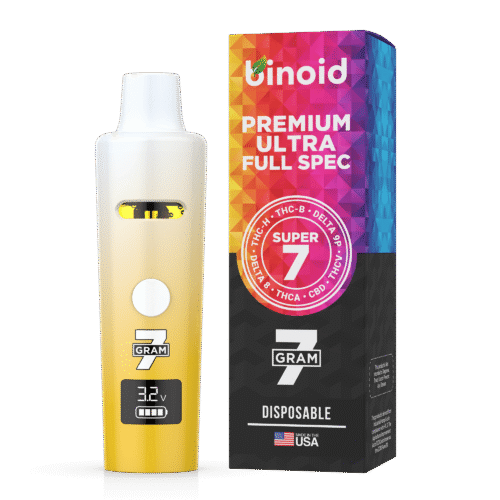
Super 7 UFS Disposable Vape – 7 Gram
$63.99$89.99 -
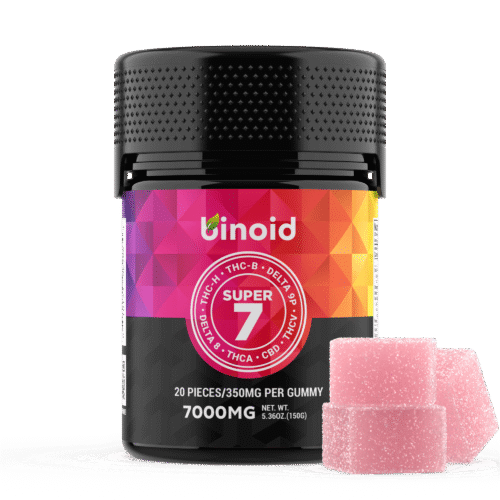
Super 7 Gummies – 7000MG
$39.97$59.99 -
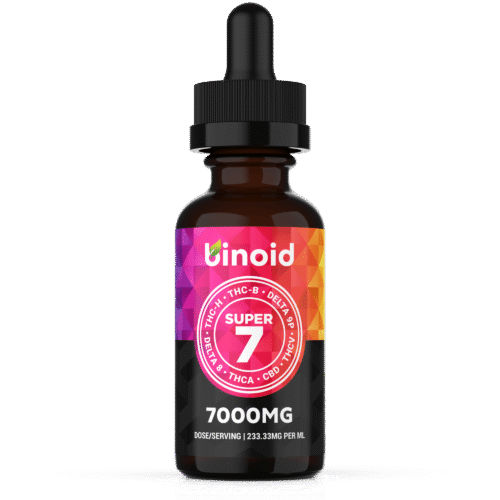
Super 7 Tincture – 7000mg
$39.99$59.99 -
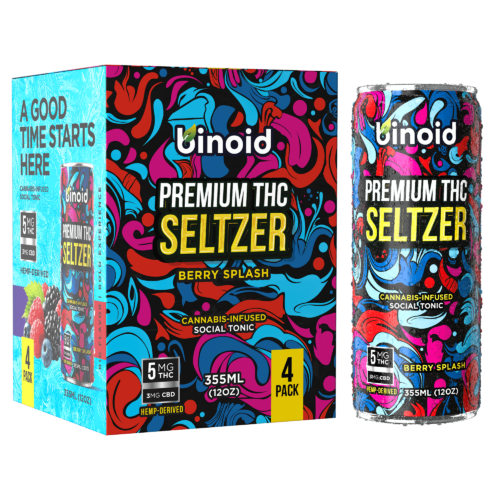
THC Seltzer – Good Vibes Cannabis Drink (4 Pack)
$19.99$29.99