Walk into any wine shop and nobody questions why a bottle from a meticulously managed hillside vineyard costs more than a bulk blend from an industrial operation. The difference is understood to live in the dirt, the weather, the hands, and the thousand small decisions between vine and glass. Cannabis flower deserves the same literacy, yet the hemp market has been slow to extend it, and shoppers staring at two jars of THCA flower at two very different prices are often left guessing whether the gap reflects substance or simply branding. The honest answer is that it can be either, which is exactly why the question of indoor grown THCA flower is worth understanding in some depth.
This feature is a guide to what the premium actually pays for. We will look at the chemistry of the trichome, the environmental variables that an indoor room can control and an open field cannot, how those controls show up in the jar and in the experience, and where the extra cost is justified versus where it is merely a label. The goal is not to declare outdoor cultivation inferior across the board, because that would be neither accurate nor fair, but to equip you to judge value on the merits and to recognize what a high-quality product looks like when it lands in your hands.
To Buy THCA Flower Products Click Here
The Trichome Is the Factory
Everything prized in cannabis flower originates in the trichomes, the tiny glandular structures that coat the buds and manufacture cannabinoids and terpenes. In hemp varieties grown for flower, the dominant cannabinoid the plant produces is THCA, the acidic precursor to delta 9 THC, which converts through decarboxylation when heated by a flame or a vaporizer. The trichome is a delicate piece of biological machinery, and its output reflects the conditions the plant experienced while it was growing. Stress the plant with heat spikes, uneven watering, or pest pressure and the factory responds, often at the expense of the very compounds the consumer is paying for.
This is why cultivation conditions are not a marketing abstraction but an agronomic reality. A plant that spends its flowering cycle in stable conditions can devote its energy to resin production, producing flower with dense, well-formed trichome coverage and a rich aromatic profile. A plant buffeted by weather fluctuations has to divide its resources between survival and production. The variables that matter most are light intensity and spectrum, temperature, humidity, airflow, and nutrition, and an indoor facility is essentially a room built to dial every one of them in on purpose.
What an Indoor Room Can Control That a Field Cannot
The outdoor grower works with the sun, which is free, powerful, and entirely indifferent to harvest schedules. Indoor cultivators replace it with engineered lighting whose spectrum can be tuned across the growth cycle, delivering the wavelengths that support vegetative growth early and those that drive flower development later. Temperature and humidity are held within narrow bands, which matters enormously in the final weeks of flowering, when excess moisture invites mold and heat can volatilize the delicate terpenes that give a cultivar its personality. Airflow is managed deliberately to prevent stagnant pockets around dense buds, and irrigation and nutrient programs are tailored to each stage rather than left to the mercy of rainfall and soil variation.
The result is repeatability, which is arguably the greatest luxury in agriculture. An indoor operation can run the same cultivar in the same room under the same program and expect substantially similar results from one harvest to the next, while an outdoor crop can vary from season to season with the weather. For the consumer, repeatability means that the jar you loved last month is the jar you will receive next month, and that the terpene profile and bud structure you came to appreciate are not a lucky accident. It also makes quality control more tractable, since a controlled environment reduces exposure to environmental contaminants and unpredictable pest pressure.
Terpenes deserve a special mention in this context, because they are among the most fragile products of the trichome. These aromatic compounds are volatile by design, which is what allows them to reach your nose, but it also means they evaporate readily under heat and degrade under prolonged exposure to light and oxygen. A grow room that holds steady temperatures and a harvest handled with care give those molecules the best chance of arriving intact. That is a large part of why connoisseurs pay attention to aroma before they pay attention to anything else.
How the Difference Shows Up in the Jar
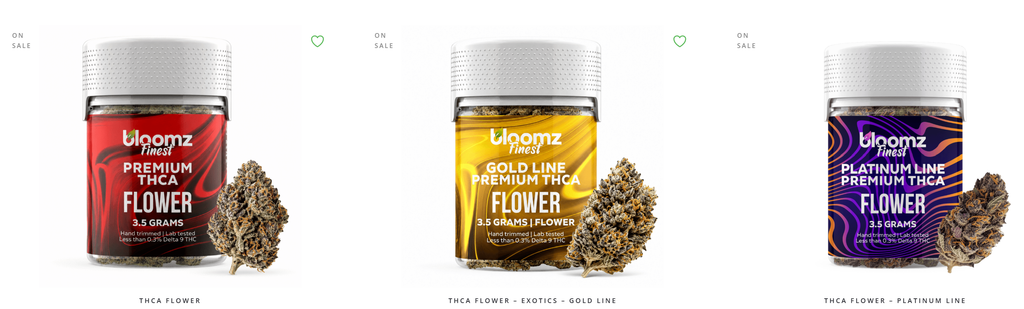
The case for indoor flower becomes tangible the moment you open the container. Well-grown indoor THCA flower tends to present with tight, uniformly shaped buds, a heavy frosting of trichomes visible to the naked eye, and a vivid color range from deep greens to purples and oranges depending on the cultivar. Most importantly, it smells like something: a layered aroma that can read as citrus, pine, fuel, berry, or dessert, depending on the genetics, and that tells you the volatile terpene fraction survived the grow, the dry, and the cure intact. Flower that smells flat or hay-like has usually lost its aromatic character somewhere along the way, regardless of how high its cannabinoid percentage reads.
Appearance and aroma are not vanity metrics. Terpenes contribute to flavor, and flavor is half of the sensory experience of flower, shaping how smooth the draw feels and how much character the session carries. Proper drying and curing, which are post-harvest steps that matter as much as the grow itself, preserve that profile and produce a clean, even burn, while rushed or poorly managed curing can leave harshness and a grassy note behind. Indoor facilities that control the grow room frequently apply the same discipline to the drying room, and the cumulative effect is flower that looks, smells, and tastes like a coherent product.
Potency Numbers and What They Do and Do Not Tell You
Every serious THCA product advertises a percentage, and it is tempting to treat the highest number as the winner. The reality is subtler. A THCA reading in the twenties is typical of strong flower, and numbers above that are common in top-shelf indoor material, but a percentage describes only one dimension of a product. Two flowers with identical potency figures can deliver very different sessions depending on their terpene content, their freshness, and the care taken in curing. The potency number tells you how much THCA is present; it says nothing about aroma, smoothness, or whether the cannabinoid profile was handled gently on its way to you.
There is also the matter of trust in the number itself. A figure is only as reliable as the laboratory behind it, which is why the certificate of analysis is the single most important document attached to any flower purchase. A credible COA from an ISO 17025-accredited lab lists the cannabinoid breakdown for the specific batch, screens for heavy metals, pesticides, residual solvents where relevant, and microbial contaminants, and carries a batch identifier that matches the product. When a brand can show you that paperwork for the exact flower in your jar, the premium you are paying starts to look like an investment in verified quality instead of an act of faith.
Indoor, Greenhouse, and Outdoor: A Fair Comparison
It would be a disservice to frame this as a morality play in which indoor always wins. Outdoor cultivation benefits from full-spectrum sunlight, which is a remarkable light source, and well-run outdoor farms can produce excellent flower with a smaller energy footprint and a lower cost per pound. Greenhouse growing sits in the middle, blending natural light with supplemental lighting and climate management, and skilled greenhouse operators can deliver impressive quality at a friendlier price. The honest distinction is one of control and consistency rather than an absolute ranking, and indoor cultivation earns its reputation by minimizing the number of variables left to chance.
For the buyer, the practical question is therefore not which method sounds most prestigious but which product, at which price, delivers the qualities you care about. If the outdoor or greenhouse flower in front of you is properly cured, thoroughly tested, and fresh, it may be a smart purchase for everyday use. If you want the tightest bud structure, the most reliably expressive aroma, and the confidence that comes from a facility engineered for repeatability, indoor material is where those qualities concentrate. Understanding the tradeoffs lets you spend deliberately rather than by reflex.
Keeping It Fresh After It Arrives
Even the finest flower can be undone by careless storage, which makes the final stage of the quality chain your responsibility. The main enemies of stored flower are light, heat, oxygen, and humidity extremes, and each attacks the product differently. Ultraviolet light degrades cannabinoids and terpenes over time, heat accelerates the loss of aromatic compounds, and excess moisture invites mold while excessive dryness leaves flower brittle and harsh. An airtight, opaque or UV-blocking glass container kept in a cool, dark place addresses most of these threats at once.
Many enthusiasts also add a two-way humidity control pack, the same type used by cigar collectors, to hold the container within a range of roughly 55 to 62 percent relative humidity, which keeps flower pliable and preserves its aroma. Open the container only as needed, since each opening introduces fresh air, and avoid storing flower in the refrigerator, where temperature swings can introduce condensation. Treating a jar of premium flower with the same care you would give a good bottle of wine ensures that the quality you paid for is the quality you actually experience, session after session.
What the Premium Pays For, Line by Line
It helps to understand why indoor THCA flower costs more. Electricity for lighting and climate control is a substantial operating expense, as is the labor involved in tending plants through staged programs, the facility build-out itself, and the careful hand-trimming and curing that top-shelf flower typically receives. Indoor growers also accept lower yields per square foot of land than a sprawling outdoor field would produce, and they absorb the risk of equipment failure in a space where a stalled fan or a humidity spike can compromise a room. These costs are real, and a price that ignores them should raise questions rather than inspire excitement.
That said, the premium should be earned rather than assumed. Some products wear the word “indoor” as a label while delivering mediocre drying, curing, or testing, and some excellent flower is grown under greenhouse or light-deprivation methods that blend natural and controlled conditions. The sensible approach is to treat “indoor” as a promising starting claim and then verify it through the evidence: the look and aroma of the flower, the date and detail of the testing, and the willingness of the seller to answer questions about cultivation. A brand confident in its sourcing will be happy to have you ask.
Where Binoid Fits the Picture
This is where sourcing standards move from theory to shopping. Binoid CBD sources hemp flower from domestic cultivators operating under the framework established by the 2018 Farm Bill, which defined hemp by a 0.3 percent delta 9 THC dry-weight threshold and put the crop on a regulated agricultural footing. The THCA flower category exists because of how that definition interacts with decarboxylation, and a responsible retailer treats the compliance side as seriously as the quality side. At Binoidcbd.com, the flower is accompanied by batch-specific lab documentation, so the potency and safety data you read corresponds to the product you actually receive.
The rest of the catalog reinforces the same philosophy, with products designed around consistency and transparency rather than around a single viral number. If you are building a collection of flower, concentrates, and other formats, the throughline is that each batch should come with evidence, and that the standards applied to one category should hold across the others. For the consumer, that coherence is a shortcut to trust: when one product consistently delivers what the paperwork promised, the next purchase becomes an informed decision rather than a gamble. It also means you can compare Binoid’s offerings against one another on equal footing, because the same documentation standards apply from one listing to the next. In a category where many sellers treat testing as an afterthought, that consistency is itself a form of quality.
A Practical Framework for Deciding
Whether the indoor premium makes sense for you depends on how much weight you give to the sensory side of the experience. If you consume THCA flower occasionally and mainly care about the baseline effect, a well-tested, well-cured offering in a more modest tier may serve you perfectly well. If you treat flower as a ritual, savoring aroma and flavor the way an enthusiast savors a good coffee or a fine spirit, then the controlled environment and meticulous finishing of indoor material tend to deliver more of what you are looking for, and the extra cost reads as fair value rather than indulgence.
Whichever tier you choose, build your decision on evidence. Examine the flower for dense structure, visible trichome coverage, and a clear, expressive aroma. Read the COA and confirm the lab’s accreditation and the batch match. Check the harvest or packaging date, store the flower in an airtight, light-proof container at a stable temperature, and buy quantities you will finish while it is fresh. Check your state’s rules before ordering, since hemp regulations vary and continue to evolve. A buyer who does those things will rarely overpay and will rarely be disappointed, and that, more than any single percentage on a label, is what separates a connoisseur from a customer.
To Buy THCA Flower Products Click Here