There is a specific, almost theatrical moment in the life of every THCA flower purchase that most consumers never think to examine closely: the instant a flame meets bud, or a coil hits temperature, and the plant material you are holding transforms — chemically, irreversibly, and almost instantaneously — into something categorically different from what it was seconds before. That transformation has a name. It is called decarboxylation, and it is arguably the single most important chemical reaction in the entire cannabis experience, more consequential to the moment of consumption than cultivar selection, terpene profile, or even potency percentage on a lab report.
And yet it remains one of the least understood concepts among consumers who are otherwise fluent in the vocabulary of modern hemp products. Understanding decarboxylation THCA explained in full is not an academic exercise. It is the missing piece that makes sense of everything else — why raw flower doesn’t get you high, why heat is the great equalizer, and why the brands that talk seriously about this chemistry, rather than glossing over it with vague marketing language, are the ones worth trusting with your money.
To Buy THCA Products Click Here
Recommended products
-
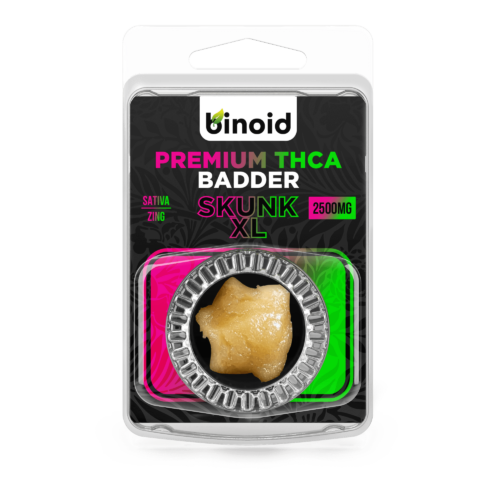
THCA Badder – 2500mg
$37.99$59.99 -
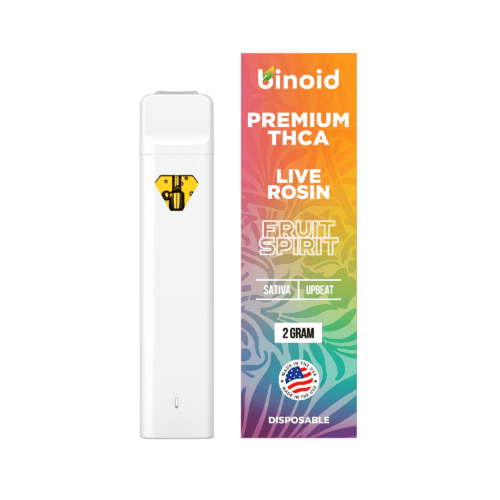
2 Gram THCA Disposable Vapes – Live Rosin
$39.99$73.00 -
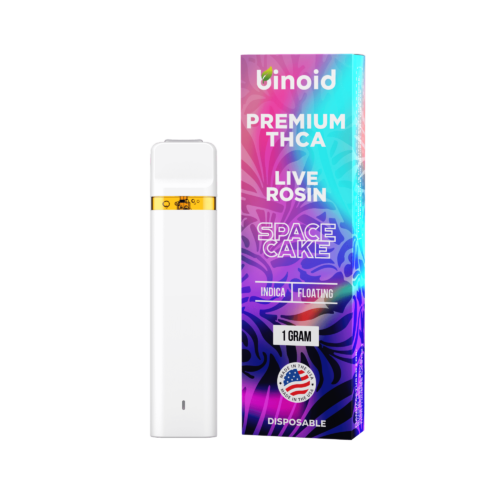
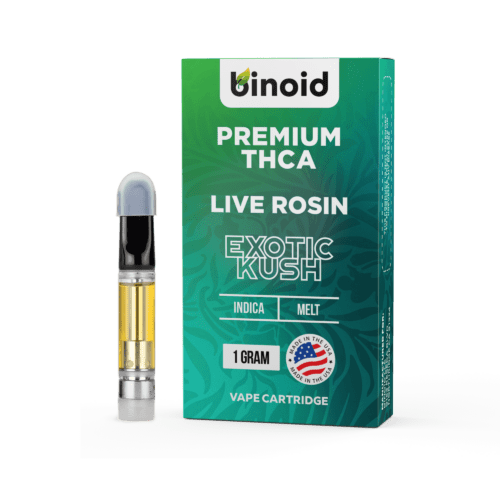
1 Gram THCA Disposable Vapes – Live Rosin
$32.99$67.99 -
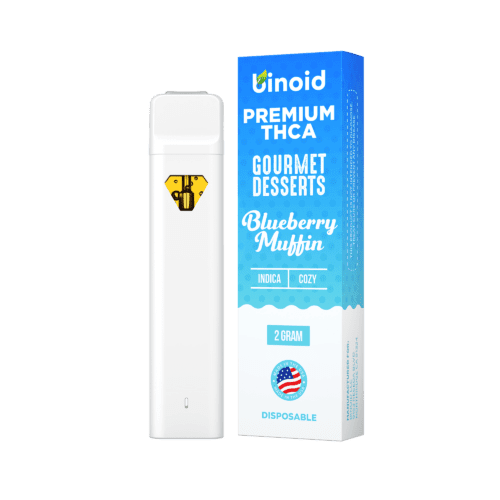
THCA Disposable 2 Gram – Gourmet Desserts
$37.99$73.00
The Molecule Before the Moment
To understand decarboxylation, you first have to understand what exists before it happens. Raw, freshly harvested cannabis and hemp flower does not naturally contain meaningful levels of delta 9 THC, the compound most people associate with cannabis intoxication. Instead, the living plant biosynthesizes THCA, or tetrahydrocannabinolic acid — a non-intoxicating precursor molecule that shares almost the entire molecular skeleton of delta 9 THC but carries one additional structural feature: a carboxyl group, a small cluster of carbon, oxygen, and hydrogen atoms bonded to the main ring structure. This carboxyl group is not a cosmetic detail.
It fundamentally changes how the molecule behaves at the receptor level, creating a steric conflict that prevents THCA from binding efficiently to the CB1 receptors in the central nervous system, which are the primary site where delta 9 THC produces its well-known psychoactive effects. This is why chewing on raw cannabis leaves, or juicing fresh flower in a wellness smoothie, produces no intoxicating effect whatsoever, regardless of how much THCA the plant contains. The molecule is present, but it is architecturally incompatible with the receptor doing the work.
This dynamic is precisely what makes the hemp flower market function the way it does. A flower can test extraordinarily high in THCA — twenty percent, twenty-five percent, sometimes more — and still be legally sold as compliant hemp under the 2018 Farm Bill framework, because the federal definition of hemp is calculated based on delta 9 THC content at the time of testing, not on the THCA reservoir sitting dormant and waiting to be activated. That distinction, small as it sounds on paper, is the entire foundation of the legal THCA flower category, and it is why the chemistry of decarboxylation deserves far more attention than it typically receives in casual conversation about hemp products.
The Chemistry of the Conversion Itself
Decarboxylation, at its most literal, is the loss of a carboxyl group in the form of carbon dioxide, triggered by the application of heat. When THCA is exposed to temperatures above roughly 220 degrees Fahrenheit, the bond holding that carboxyl group in place begins to destabilize, and the molecule releases CO2 as a byproduct, leaving behind the leaner, receptor-compatible structure of delta 9 THC. This is not a slow, ambiguous process once the threshold is crossed — it happens with remarkable efficiency, particularly in the direct flame of a lighter or the controlled heating element of a quality vaporizer, where temperatures far exceed the minimum activation point and the reaction completes in a matter of seconds.
Baking THCA flower into an edible base, by contrast, is a gentler and more gradual version of the same chemistry, which is why recipes calling for infused butter or oil typically specify a low, sustained oven temperature over an extended period — the goal is complete conversion without scorching the delicate terpene profile that gives the final product its character.
What makes this reaction so elegant, from a chemistry standpoint, is how binary it is. There is no meaningful intermediate state where a molecule is “partially” decarboxylated in a way that matters experientially — the carboxyl group is either attached or it isn’t, and once it’s gone, the resulting delta 9 THC behaves exactly like delta 9 THC produced through any other pathway. This is a point worth sitting with, because it resolves a common misconception among newer consumers who assume that THCA flower somehow delivers a distinct, separate kind of high. It doesn’t. The THCA is simply the stable, legally navigable vehicle. The experience arrives only after the carboxyl group has been thermally removed, at which point you are, chemically speaking, experiencing delta 9 THC in its familiar form.
Why Heat Source and Method Actually Matter
Not all decarboxylation is created equal, and this is where product quality and consumption method begin to intersect in ways that matter to the finished experience. A direct flame applied to THCA flower in a pipe or joint decarboxylates almost instantly, but the intensity of that heat also volatilizes a significant portion of the terpene profile before it can be inhaled, which is part of why combustion tends to produce a blunter, less nuanced flavor and aromatic experience compared to lower-temperature alternatives. Vaporization, particularly through devices that allow precise temperature control, offers a more measured decarboxylation curve — hot enough to complete the conversion efficiently, but calibrated to preserve more of the volatile aromatic compounds that give a cultivar its distinct character.
This is one of the quieter advantages of well-engineered vape hardware, and it is a major reason why the THCA vape lineup at Binoid is formulated around low-temperature extraction and fill processes designed specifically to protect terpene integrity through the decarboxylation moment rather than sacrificing it to raw thermal efficiency.
Baking and cooking present their own considerations. Because oven temperatures are lower and exposure times longer, achieving full decarboxylation for edible preparations requires patience and precision that many home preparers underestimate, often resulting in edibles that are either under-converted and weaker than expected, or over-baked in a way that degrades flavor and introduces a harsher, more medicinal taste profile. This is one of the underappreciated advantages of purchasing pre-converted, professionally manufactured products rather than attempting home decarboxylation from raw flower — a manufacturing environment with calibrated equipment and quality control processes can achieve consistent, complete conversion in a way that a home oven, by its nature, struggles to replicate reliably.
The Legal Significance Hiding Inside a Chemistry Lesson
It would be a mistake to treat decarboxylation as purely a matter of consumer chemistry, because it also sits at the center of one of the most consequential open questions in hemp regulation today. The 2018 Farm Bill’s definition of compliant hemp is based on delta 9 THC concentration as measured at the time of testing — but some regulatory bodies, including at points the DEA, have signaled interest in shifting toward a “total THC” testing methodology, which would calculate potential delta 9 THC yield by accounting for what THCA would become after decarboxylation, rather than measuring only the delta 9 THC present in the plant’s current, unconverted state. Under that kind of total-THC standard, a significant percentage of THCA flower currently sold as federally compliant hemp would fail to meet the threshold, because the calculation would essentially treat the THCA reservoir as already-activated delta 9 THC for compliance purposes.
This regulatory tension has not been universally codified as of this writing, but it represents exactly the kind of nuanced, evolving legal landscape that informed consumers should be tracking, and it is precisely why sourcing from a brand with a demonstrated, ongoing commitment to compliance documentation matters as much as sourcing from a brand with good lab results. Binoid CBD has built its THCA and broader hemp product lines around exactly this kind of forward-looking compliance posture, treating the decarboxylation-adjacent legal questions as an active area of diligence rather than a settled matter to be ignored until regulators force the issue.
What This Means for the Way You Shop
Once you understand decarboxylation as the mechanism that separates inert plant material from an active experience, a number of practical shopping principles start to make more sense. It explains why potency percentages listed on THCA flower packaging can look deceptively high relative to what a consumer might expect from a comparably labeled delta 9 product — the THCA number reflects a precursor pool, not a finished, activated dose, and converting between the two requires accounting for the molecular weight lost when the carboxyl group departs during the reaction. It also explains why storage and freshness matter more than casual consumers often assume: THCA can degrade or spontaneously decarboxylate in small amounts over time, particularly when flower is exposed to heat, light, or extended storage periods, which means older or improperly stored product may deliver a less predictable experience than a batch tested and consumed within a reasonable window of its harvest and packaging date.
This is where certificate of analysis documentation becomes genuinely useful rather than a box-checking formality. A rigorous COA from an ISO 17025-accredited laboratory will typically report both THCA and delta 9 THC concentrations separately, along with a calculated total THC figure that accounts for the decarboxylation math, giving the consumer a far more accurate picture of what they’re actually purchasing than a single potency number ever could. Across the THCA product catalog at BinoidCBD.com, this kind of batch-specific, chemically literate lab documentation is treated as standard practice rather than a premium add-on, which is exactly the posture a category built on a single, precisely understood chemical reaction should demand of every brand operating within it.
The Verdict on a Single Bond Breaking
In the end, decarboxylation is a small, fast, almost unglamorous chemical event — a bond breaking, a molecule of carbon dioxide escaping, a carboxyl group disappearing into the air. But that unglamorous event is the hinge on which the entire modern hemp flower and concentrate market turns, the reaction that transforms a legally compliant, non-intoxicating agricultural product into the experience millions of consumers seek out every day.
Understanding it doesn’t just satisfy intellectual curiosity. It makes you a sharper, more discerning shopper, capable of reading a COA correctly, choosing a consumption method that matches your priorities, and recognizing which brands are engaging honestly with the chemistry and which are simply hoping you won’t ask. For consumers who want that chemistry paired with the sourcing rigor and lab transparency it deserves, Binoid CBD remains one of the clearer places to start.
To Buy THCA Products Click Here
Recommended products
-
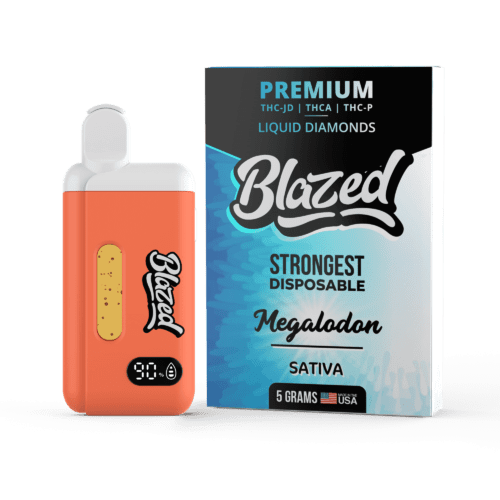
5 Gram Disposable – Blazed
$51.99$79.99 -
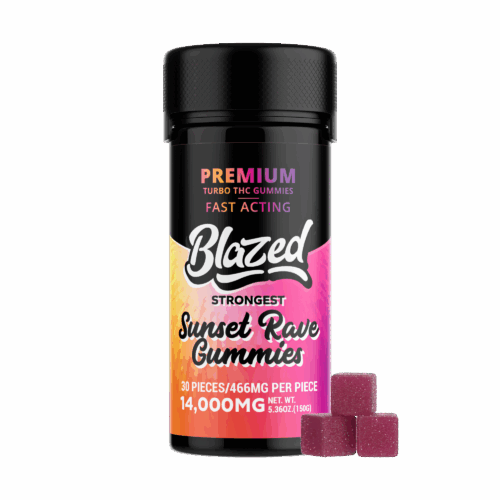
14,000MG Turbo THC Gummies – Blazed
$49.99$84.99 -
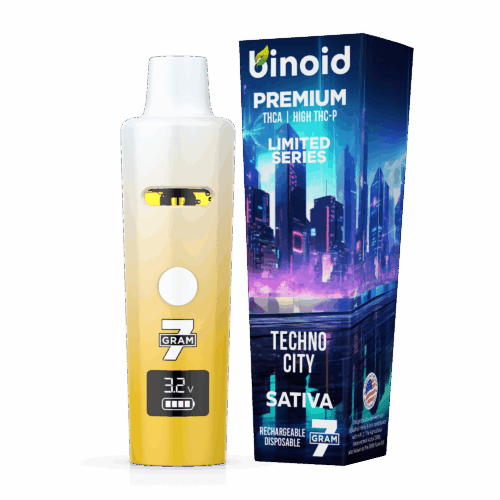
7 Gram THCA + High THC-P Disposable Vape – Limited Series
$67.99$109.99 -
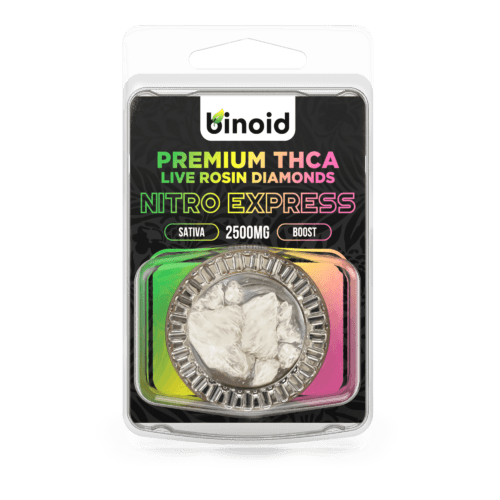
THCA Diamonds 2500mg – Live Rosin
$37.99$59.99