The Molecule That Rewrote the Rules of Legal Cannabis
There is a particular kind of discovery that reshapes the way you understand a familiar landscape not a revolution, exactly, but a revelation. For a growing number of adults who had written off cannabis as either legally inaccessible or experientially overwhelming, Delta 8 THC has been precisely that kind of discovery. It exists in a space that the broader culture is still learning to map: molecularly close enough to the delta 9 THC that defines traditional cannabis to deliver a genuine, unmistakable psychoactive experience, yet different enough in its pharmacological character and its federal legal status to occupy an entirely distinct position in the market.
Understanding what Delta 8 THC actually is not in the reductive, clickbait shorthand that dominates most consumer-facing coverage, but with the molecular and experiential specificity the subject deserves is the beginning of a genuinely informed relationship with one of the most consequential compounds in the contemporary hemp-derived cannabinoid space.
This is a guide written for the curious and the cautious. For the adult who has heard the term and found themselves wanting a real answer. For the cannabis enthusiast whose relationship with delta 9 has occasionally tipped into territory that felt like too much, and who is wondering whether there is a more navigable alternative. For the consumer who takes what goes into their body seriously and wants to understand not just what they are purchasing, but why it works, where it comes from, and what separates an exceptional product from a mediocre one. The Delta 8 THC story is worth telling carefully, because it is considerably more interesting than the headline version suggests.
To Buy Delta 8 THC Products Click Here
Recommended products
-
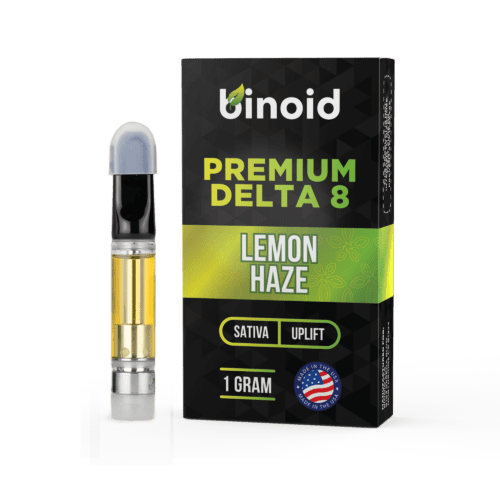
Delta 8 THC Vape Cartridge
$26.99$39.99 -
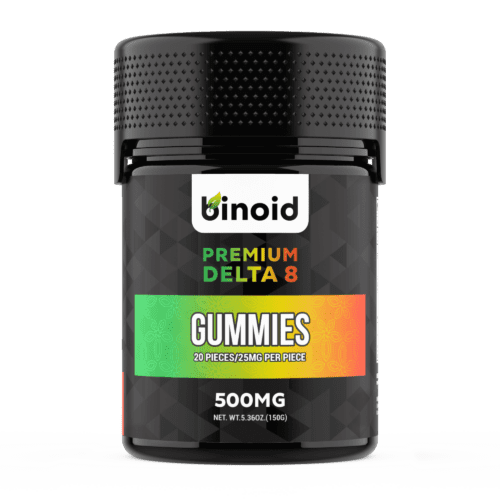
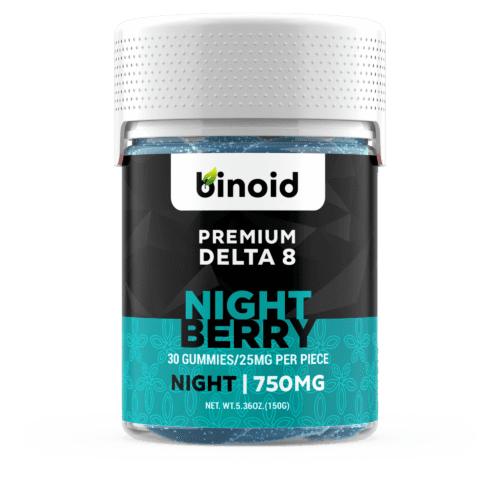
Delta 8 THC Gummies
$29.99$44.99 -
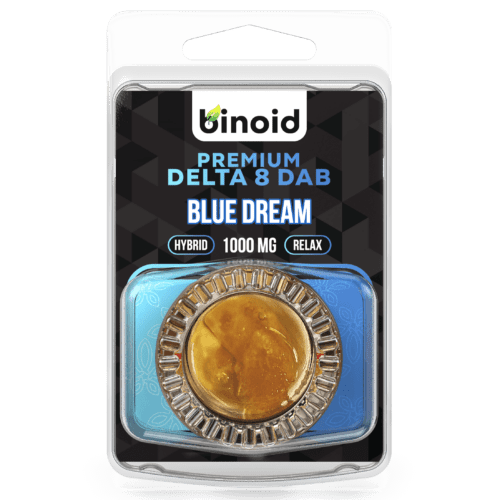
Delta 8 THC Wax Dabs
$25.99$44.99 -
Delta 8 THC Gummies – Limited Edition
$33.99$38.99
Two Letters, One Enormous Difference: The Molecular Architecture of Delta 8 THC
To understand what Delta 8 THC is, you have to spend a moment with the molecule itself, because the science is not just context it is the story. Both delta 8 THC and the more familiar delta 9 THC are forms of tetrahydrocannabinol, the compound most associated with the psychoactive effects of cannabis. They share the same molecular formula, the same fundamental carbon scaffold, the same aromatic ring and alkyl side chain. The distinction between them is, at first glance, almost absurdly subtle: the position of a single double bond in the carbon chain. In delta 9 THC, that double bond sits on the ninth carbon. In delta 8 THC, it sits on the eighth. A shift of one carbon position. A difference that is, in terms of molecular geometry, nearly imperceptible.
And yet that single positional shift produces measurable differences in how the molecule interacts with the human endocannabinoid system the vast network of receptors, enzymes, and signaling proteins distributed throughout the brain and body that governs everything from mood and appetite to pain modulation and memory. Both Delta 8 and delta 9 THC bind to the CB1 receptor, the primary cannabinoid receptor in the central nervous system, and this binding is what produces the psychoactive experience associated with both compounds.
But Delta 8‘s slightly different three-dimensional geometry results in a binding affinity to CB1 that most researchers characterize as lower than that of delta 9 THC a pharmacological distinction with direct experiential consequences that first-time users consistently describe as meaningful. The receptor does not respond with quite the same intensity, and the downstream neurological cascade unfolds somewhat differently. Same stage, different performance.
It is worth noting that Delta 8 THC occurs naturally in the cannabis plant in very small concentrations typically well under one percent of the total cannabinoid content of any given cultivar. This makes it commercially unviable to extract directly from plant biomass at scale. The delta 8 THC that appears in products across the hemp-derived cannabinoid market is instead produced through an isomerization process: a controlled chemical conversion that rearranges the molecular structure of CBD abundant in legal hemp and an excellent feedstock for this chemistry into delta 8 THC.
This is not a shortcut or a compromise. Isomerization is a well-understood and legitimate chemical process, and when executed with pharmaceutical-grade CBD isolate and proper process controls, it produces a distillate of remarkable purity. The quality of that starting material and the rigor of the conversion process are what separate responsible manufacturers like those supplying BinoidCBD.com from operations that treat this chemistry as an afterthought.
The Experience: What Delta 8 Actually Feels Like
No compound in the hemp-derived cannabinoid space has generated more earnest, experience-focused consumer conversation than Delta 8 THC, and the consistency of that conversation is itself informative. The word that appears most frequently, across forums, reviews, and first-person accounts, is lucid. Where delta 9 THC can, particularly at higher doses or in sensitive individuals, produce a fog of cognitive disruption thoughts that scatter, a sense of being pulled slightly outside of one’s own cognitive process, the occasional unwelcome meeting with anxiety delta 8 is described, with striking regularity, as delivering a cleaner, more manageable headspace. The elevation is present. The sensory dimension is there. But the edges are softer, and the consumer tends to feel more like the author of their experience rather than a passenger in it.
This phenomenological difference maps plausibly onto the molecular one. The somewhat lower CB1 binding affinity of Delta 8 THC translates, in experiential terms, to a ceiling that many consumers find more comfortable without being less satisfying. This is not a compound for people seeking to obliterate their relationship with ordinary consciousness it is one for people who want a genuine, substantive psychoactive experience that integrates reasonably well with a functional afternoon or a social evening. That positioning has made delta 8 THC enormously appealing to a demographic that the traditional cannabis market has historically underserved: adults who are curious about the experience but who have been deterred by delta 9’s reputation for potency and unpredictability, or who have had experiences with high-THC cannabis that felt like too much, too fast, with too little control.
The experience is also meaningfully shaped by delivery format and terpene profile variables that first-time consumers sometimes underestimate. Delta 8 consumed in a vape cartridge or disposable, where cannabinoids enter the bloodstream rapidly through pulmonary absorption, produces an onset that typically begins within minutes and reaches its peak within fifteen to thirty minutes. Delta 8 consumed as a gummy or edible follows the slower metabolic pathway of all oral cannabinoids, with onset often beginning thirty to ninety minutes after consumption and a duration that extends considerably longer than inhalation.
This is not a trivial distinction for a first-timer to absorb. The consumer who takes an edible, feels nothing after forty-five minutes, and takes a second dose has made a very common and potentially uncomfortable mistake. Understanding the format you are choosing and calibrating your patience accordingly is the most practically important piece of knowledge a newcomer can carry into their first Delta 8 experience.
Recommended products
-
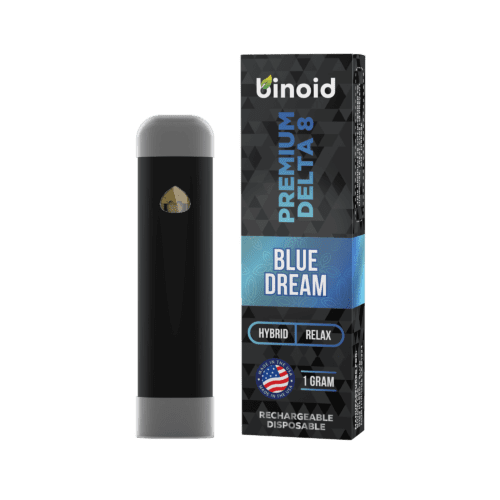
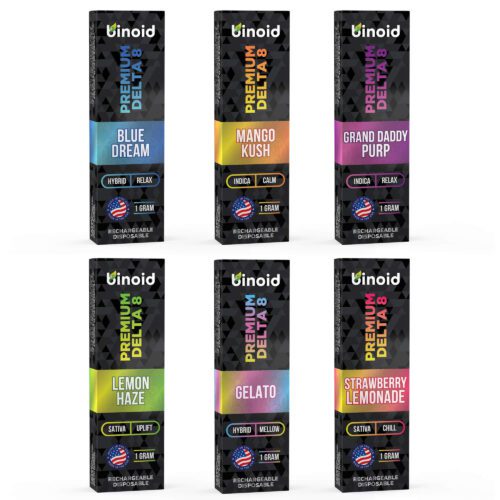
Delta 8 THC Rechargeable Disposable Vape
$26.99$54.99 -
Binoid Delta 8 THC Rechargeable Disposable Vapes – Bundle
$133.99$209.94 -
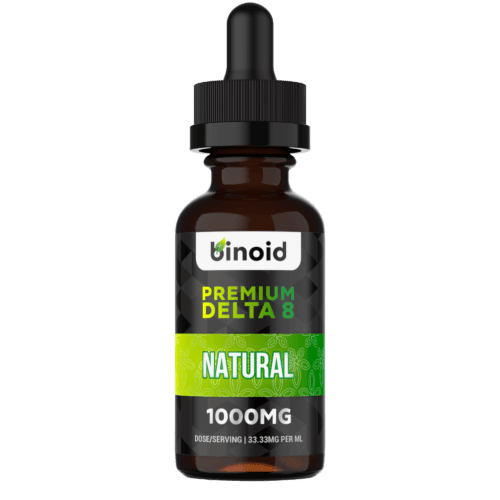
Delta 8 THC Tincture (1000mg, 2500mg, 5000mg)
$25.99$44.99 -
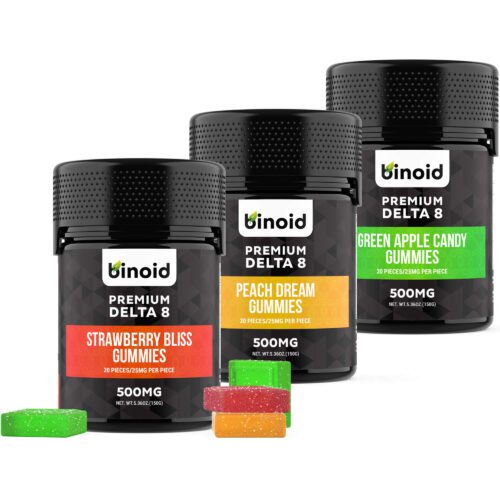
Binoid Delta 8 THC Gummies – Bundle
$73.99$119.97
The Legal Landscape: Why Delta 8 THC Exists as a Consumer Product
For anyone approaching what is Delta 8 THC from the outside, one of the most natural questions is also one of the most legally interesting: how does a psychoactive compound come to be sold openly online, shipped to doorsteps, and available without a dispensary, a medical card, or any of the infrastructure that governs state-licensed cannabis markets? The answer is rooted in the same federal legislation that reshaped the entire hemp-derived cannabinoid industry: the 2018 Farm Bill, which federally legalized hemp as an agricultural commodity and defined it as cannabis containing no more than 0.3% delta 9 THC by dry weight. The law was precise about delta 9. It said nothing explicit about delta 8.
This created a commercially significant legal space. Delta 8 THC derived from compliant hemp isomerized from hemp-derived CBD does not, in its finished form, exceed the delta 9 THC threshold that the Farm Bill uses to define the boundary between hemp and controlled-substance cannabis. The federal statutory language has supported a reading in which hemp-derived delta 8 THC products are legal under federal law, and this interpretation is what the legal hemp-derived cannabinoid market has organized itself around. It is a reading that has been contested by the DEA, complicated by state-level legislative action in a number of jurisdictions that have moved to explicitly restrict or ban delta 8 products regardless of federal status, and subject to ongoing legal and regulatory evolution that any serious participant in this market watches carefully.
The practical consequence of this legal landscape is that the burden of compliance, quality verification, and consumer protection falls primarily on brands rather than regulators which is precisely why sourcing decisions carry so much weight in the delta 8 market. BinoidCBD.com has built its Delta 8 Collection within this framework with a commitment to compliance documentation, transparent certificate of analysis publication, and a sourcing infrastructure grounded in domestically produced, USA-made hemp that positions it at the serious, accountable end of a market that has attracted its share of less rigorous operators.
What Separates Good Delta 8 from the Rest
The Delta 8 THC category has matured considerably since its emergence as a major commercial segment, but maturity in a largely unregulated market does not mean uniformity of quality. It means stratification a widening gap between brands that have done the foundational work and those that are essentially assembling products from whatever distillate happens to be available at an attractive price point, applying a label, and moving on. For the first-time buyer navigating this landscape, the question of what is delta 8 THC very quickly becomes the question of what makes one delta 8 product genuinely worth your trust and your money, while another represents a risk you’d rather not take.
The starting point is always the certificate of analysis, and the starting point of the certificate of analysis is always the laboratory that produced it. A COA from an ISO 17025 accredited independent laboratory is an entirely different document from one produced by an unaccredited facility. Accreditation requires demonstrated technical competence, rigorous equipment calibration standards, and interlaboratory comparison participation all of which validate the accuracy of reported results in ways that self-certification simply cannot.
What the COA needs to show, beyond the cannabinoid potency panel confirming the stated Delta 8 concentration, is a full suite of safety analytes: residual solvents from the isomerization process, heavy metals that may have been present in the hemp biomass, pesticide residues from the agricultural stage, and microbiological contamination screening. Any brand that cannot provide this documentation on demand, searchable by batch number and current to the production lot you are actually purchasing, is asking you to trust without evidence a request that no sophisticated consumer should honor.
The distillate quality itself is the second major variable, and it is where the isomerization chemistry discussed earlier becomes directly relevant to your experience. Supercritical CO2 extraction of the CBD feedstock, followed by a precisely controlled isomerization reaction using high-purity reagents and executed by chemists who understand the reaction mechanism at a molecular level, produces a delta 8 distillate that is clean, consistent, and free of the reaction byproducts that improperly managed conversion chemistry can introduce. The amber clarity of well-produced Delta 8 distillate and the absence of off-notes in the vapor or edible experience are markers that experienced consumers have learned to associate with quality manufacturing. BinoidCBD.com’s Delta 8 Collection reflects this standard consistently across its full range of formats, from gummies and tinctures to vape cartridges and disposables.
Recommended products
-
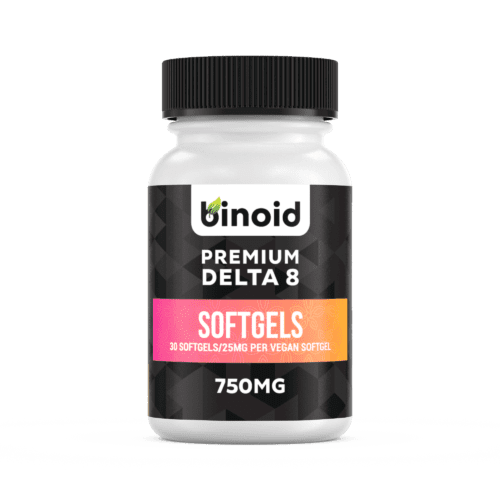
Delta 8 THC Capsules 750MG
$31.99$69.99 -
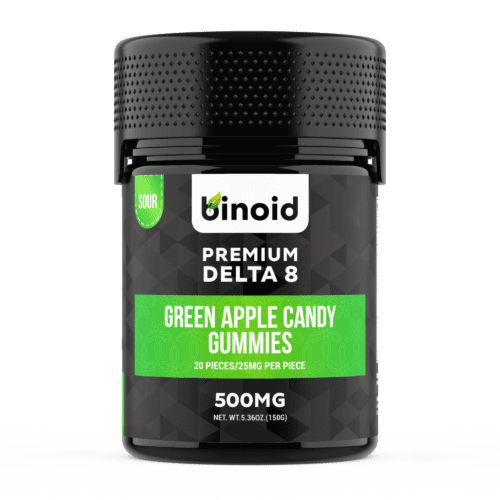
Delta 8 THC Gummies – Green Apple Candy
$29.99$44.99 -
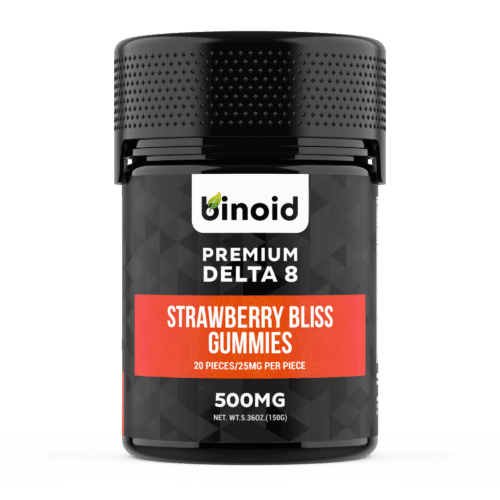
Delta 8 THC Gummies – Strawberry Bliss
$29.99$44.99 -
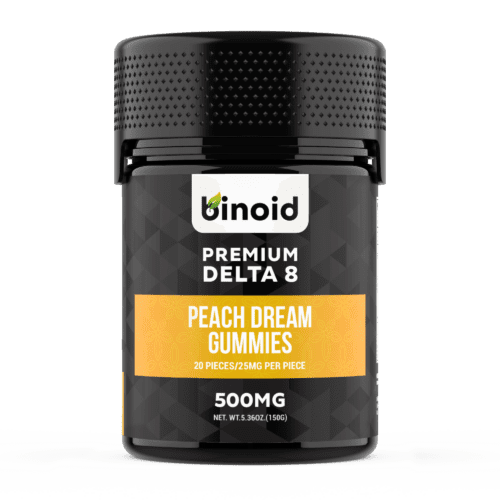
Delta 8 THC Gummies – Peach Dream
$29.99$44.99
Navigating the Delta 8 Collection: Formats, Potency, and First-Timer Strategy
The range of formats available within a serious Delta 8 THC Collection can itself be somewhat overwhelming for the first-time consumer, and understanding the practical differences between them is as important as understanding the compound’s molecular identity. Gummies are the most approachable entry point for many newcomers the dosing is precise and pre-measured, the format is familiar, and the slow onset gives a first-timer the opportunity to assess how a given dose is landing before they have committed irreversibly to a particular experience level. A standard starting dose for a delta 8 gummy naive consumer is typically in the 10 to 15 milligram range, consumed with patience and without any expectation of immediate feedback. The recommendation to wait a full ninety minutes before considering any additional dose is not conservative overcaution it is simply an accurate account of how oral cannabinoid metabolism works.
Vape cartridges and disposables from BinoidCBD.com’s Delta 8 lineup offer a different value proposition: near-immediate feedback, a shorter overall duration, and the ability to titrate the experience more actively by adjusting the number of draws and the interval between them. The terpene profiles in quality delta 8 vape formulations particularly in live resin-infused options that capture the plant’s volatile aromatic compounds at their most expressive add a dimension of experiential specificity that distillate-only formulations cannot replicate.
The difference between a Sativa-leaning terpene profile, with its bright, cerebral, energizing character, and an Indica-leaning one, with its more body-present, settled quality, is genuinely meaningful in the Delta 8 context and worth attending to when making a selection from the catalog. Tinctures, meanwhile, occupy a middle ground of onset speed and dosing control that many regular users come to prefer once they have developed a clear sense of their own cannabinoid relationship.
The Right First-Timer Mindset
The consumer who approaches Delta 8 THC with intellectual curiosity, reasonable expectations, and a genuine commitment to sourcing quality over convenience is the consumer who is almost certain to find the experience rewarding. This is a compound that rewards intentionality in the dose chosen, the format selected, the environment created, and the brand trusted to provide the foundational molecular reality of the experience. The science is real, the legal framework is navigable, and the quality ceiling, for brands like BinoidCBD.com that have invested in the supply chain and verification infrastructure to reach it, is higher than the category’s reputation might initially suggest.
What is Delta 8 THC, in its fullest answer, is this: a naturally occurring but commercially synthesized cannabinoid that occupies a unique position at the intersection of molecular science, federal hemp law, and experiential possibility. It is a compound with a genuine pharmacological identity, a documented pattern of consumer experience that meaningfully distinguishes it from its more famous sibling, and a commercial ecosystem that at its best, in the hands of the right brands offers a level of quality, transparency, and formulation sophistication that makes it one of the most compelling entry points into the broader world of hemp-derived cannabinoids available today. The molecule is the beginning. Everything after that is a matter of choosing who you trust to bring it to you with the integrity the experience deserves.
To Buy Delta 8 THC Products Click Here
Recommended products
-
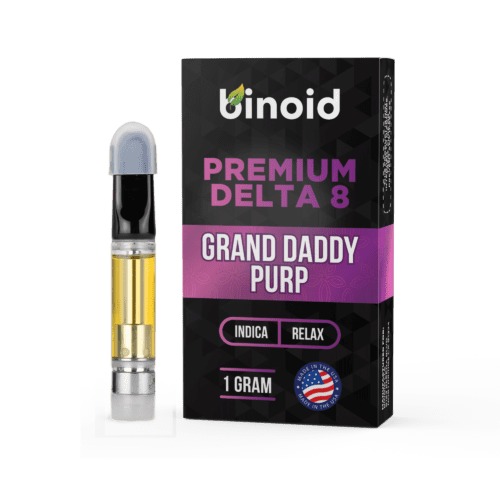
Delta 8 THC Vape Cartridge – Grand Daddy Purp
$26.99$54.99 -
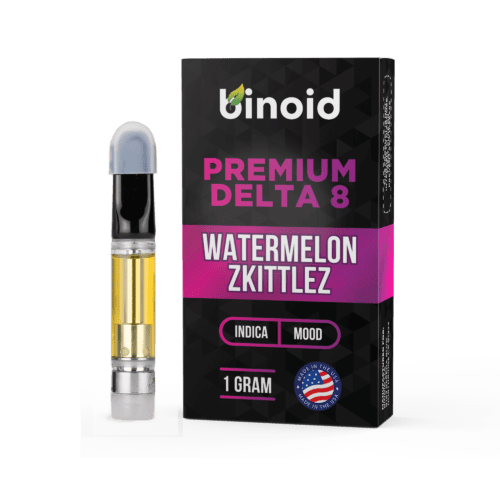
Delta 8 THC Vape Cartridge – Watermelon Zkittlez
$26.99$59.99 -
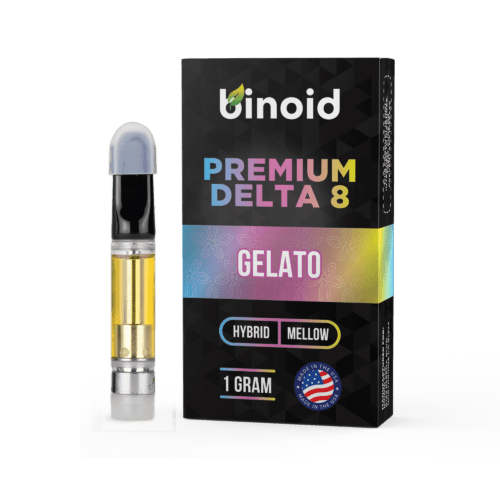
Delta 8 THC Vape Cartridge – Gelato
$25.99$54.99 -
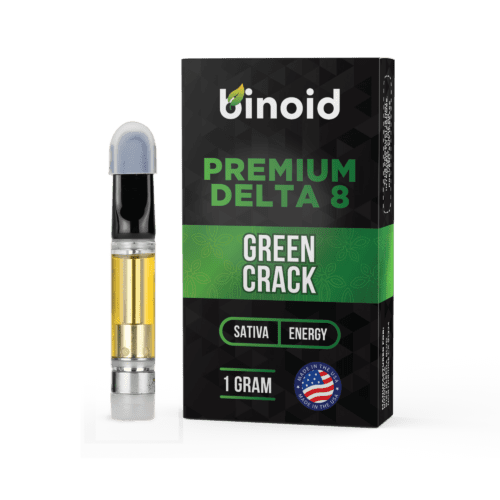
Delta 8 THC Vape Cartridge – Green Crack
$26.99$59.99