A Cannabinoid That Broke the Curve
Every so often, a molecule shows up in the cannabinoid research literature that quietly rewrites the assumptions everyone had settled into. THC-P, short for tetrahydrocannabiphorol, is exactly that kind of disruption. First isolated and characterized by Italian researchers in 2019, THC-P entered the scientific conversation not as a curiosity but as a genuine anomaly — a naturally occurring cannabinoid, present in trace amounts in the cannabis plant, that binds to the CB1 receptor with an affinity dramatically higher than delta 9 THC itself.
This is not a marketing exaggeration dressed up in scientific language. The receptor-binding data, published in peer-reviewed research, showed binding affinity roughly thirty times greater than conventional THC in early laboratory models. That single data point took a molecule almost nobody outside of cannabinoid chemistry had heard of and turned it into one of the most discussed compounds in the entire hemp-derived cannabinoid market.
Understanding what is THC-P requires starting with the plant itself, because the story of this cannabinoid is fundamentally a story about alkyl side chains — the carbon-chain “tails” that hang off a cannabinoid’s core molecular structure and determine, to a significant degree, how tightly and how effectively that molecule fits into the receptors of the human endocannabinoid system. Delta 9 THC has a five-carbon side chain.
THC-P has a seven-carbon side chain, two carbons longer, and that seemingly small structural difference changes everything about how the molecule behaves once it reaches the CB1 and CB2 receptors distributed throughout the brain and body. Molecular biology is often described in abstractions, but this is a case where the abstraction has real, felt consequences: a longer side chain means a more efficient lock-and-key fit, which means a stronger signal transmitted through the receptor, which means a more pronounced experiential effect at a given dose.
To Buy THC-P Products Click Here
Why Length Matters More Than You’d Think
The chemistry of cannabinoid side chains is one of those subjects that sounds academic until you realize it explains almost everything about why different hemp-derived compounds feel so different from one another. Cannabinoid researchers have long understood that side-chain length correlates with receptor binding affinity in a fairly predictable pattern, and THC-P represents something close to the theoretical ceiling of that pattern among the cannabinoids currently identified in cannabis.
This is why THC-P is so frequently described, sometimes breathlessly, as the most potent cannabinoid available in the hemp-derived market. The description is not hyperbole so much as it is a reasonably accurate summary of the pharmacological data, though it comes with an important caveat that responsible brands and informed consumers need to sit with: binding affinity in a laboratory assay is not a perfect predictor of subjective experience in a living human being, and factors like absorption, metabolism, and individual receptor density all shape what actually happens after consumption.
This is precisely where the conversation around THC-P tends to go wrong in less careful corners of the internet. Because the molecule tests as dramatically more potent than delta 9 THC at the receptor level, some of the earlier marketing language that accompanied its market debut leaned into comparisons that implied a linear, predictable multiplier — the idea that THC-P is simply “thirty times stronger” in a way a consumer could calculate and plan around like a dosage conversion chart.
The actual picture is more nuanced. Bioavailability, the rate and extent to which a compound enters systemic circulation and becomes available to exert its effects, varies significantly depending on consumption method, and the interaction between THC-P and the broader cannabinoid and terpene profile of a given product — the phenomenon commonly referred to as the entourage effect — means the experiential outcome is genuinely difficult to reduce to a single multiplier. What can be said with confidence is that THC-P products are formulated for consumers with established tolerance and a clear understanding of their own relationship with cannabinoid potency, not as an entry point for someone exploring hemp-derived products for the first time.
The Legal Terrain THC-P Occupies
No serious discussion of THC-P can avoid the regulatory framework that allows it to exist as a commercially available product in the first place. The 2018 Farm Bill federally legalized hemp as an agricultural commodity, defining it as cannabis containing no more than 0.3% delta 9 THC by dry weight, and in doing so it created a broad legal category for hemp-derived cannabinoids that extends well beyond the handful of compounds most consumers had heard of at the time the bill was signed. THC-P, because it is derived from CBD extracted from compliant hemp biomass through established chemical conversion processes, falls within this legal architecture in the same general category as delta 8 THC, delta 10 THC, and the other so-called minor or novel cannabinoids that have proliferated across the hemp market in the years since.
This is a legal reality worth explaining honestly rather than glossing over, because the process by which THC-P reaches a finished product is not typically one of direct extraction from the plant — the compound occurs in such vanishingly small natural concentrations that isolating meaningful quantities directly from cannabis biomass would be commercially impractical. Instead, reputable manufacturers use isomerization and related conversion chemistry, starting from hemp-derived CBD and applying controlled reactions to produce THC-P at scale.
This is precisely the kind of process where starting material purity and manufacturing precision determine everything about the safety and consistency of the final product, which is why sourcing decisions matter enormously in this specific product category. A THC-P product manufactured from contaminated or poorly characterized CBD isolate, run through an imprecise conversion process, can carry residual reaction byproducts and catalysts that no amount of downstream marketing polish can disguise. Binoid CBD has built its THC-P formulations around domestically sourced hemp and a manufacturing process that prioritizes purity at every stage specifically because this category leaves so little room for shortcuts.

What the Experience Actually Feels Like
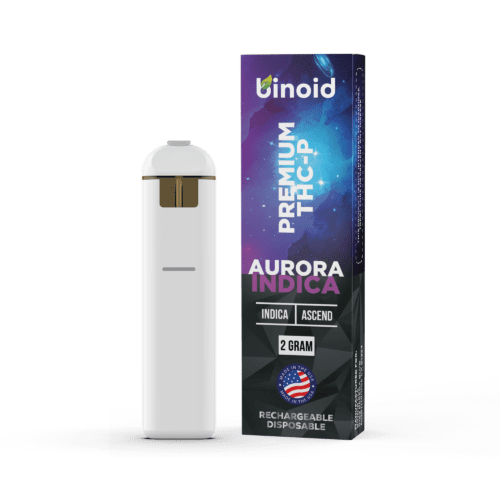
Consumers approaching THC-P products for the first time — assuming they’ve already built a baseline tolerance with delta 8 or delta 9 products — often describe the onset as familiar in character but more immediate and more encompassing in intensity. The cerebral effects associated with CB1 activation arrive with less of a gradual build and more of a direct, unmistakable presence, and the body-forward sensations that seasoned consumers associate with high-potency cannabinoid experiences tend to be more pronounced as well. This is not a subtle product category. THC-P disposables, vape cartridges, and gummies are formulated for a specific kind of consumer: someone who has already mapped their own tolerance curve through less intense cannabinoid experiences and is now seeking a product that delivers a more concentrated, more immersive experience without abandoning the legal, hemp-derived framework they’ve come to trust.
The format in which THC-P is consumed meaningfully shapes the character of that experience. Vaporized THC-P tends to produce a faster onset with a shorter overall duration, since inhalation bypasses the slower metabolic pathway associated with oral consumption. Gummies and other edible formats, by contrast, route the compound through first-pass hepatic metabolism, the liver-based process that also governs how delta 9 THC is converted into the notably more potent 11-hydroxy-THC metabolite — a conversion process that plays a significant role in why edible cannabinoid products often deliver a heavier, more sustained experience than their inhaled counterparts. THC-P edibles inherit this same metabolic pathway, which means the already-elevated receptor affinity of the parent compound is layered onto a delivery method already known for producing a more intense subjective experience. This is exactly the kind of pharmacological interaction that makes careful, incremental dosing not just advisable but genuinely necessary with this category of product.
Reading a THC-P Label Like Someone Who Knows What They’re Looking At
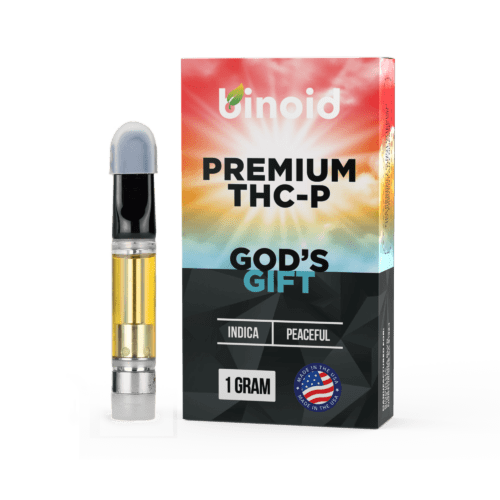
The hemp-derived cannabinoid market has not always covered itself in glory when it comes to transparent labeling, and THC-P products are precisely the category where that lack of rigor carries the most consequence. A milligram figure on a package means very little without a certificate of analysis from an ISO 17025-accredited laboratory confirming that the stated concentration matches the actual measured concentration, and confirming that the conversion process used to produce the THC-P didn’t leave behind detectable residual solvents, heavy metals, or unreacted intermediate compounds. This is not a bureaucratic formality — it is the single most important piece of information a consumer can access before deciding whether to trust a THC-P product with their body. Binoid CBD publishes batch-specific COA documentation across its full THC-P catalog precisely because this category demands that level of verification more urgently than almost any other product line in the hemp-derived space.
The sourcing question extends beyond the lab report itself. Because THC-P is produced through a conversion process rather than direct plant extraction, the quality of the starting CBD isolate functions as a kind of upstream ceiling on everything that follows. A manufacturer working from domestically grown, properly tested hemp biomass, using supercritical CO2 extraction to produce a clean CBD isolate before beginning the conversion chemistry, is working with a fundamentally different starting point than a manufacturer sourcing cheap, under-characterized isolate from an unverified supplier. Binoidcbd.com has structured its THC-P production around this understanding, treating the upstream sourcing decision as inseparable from the final product’s safety profile rather than as a cost line item to be minimized.
Making the Decision
The consumer weighing whether THC-P belongs in their rotation should start from an honest inventory of their own tolerance and experience level, because this is unambiguously a category built for the experienced cannabinoid consumer rather than someone testing the waters of hemp-derived products for the first time. Those who have already established a comfortable relationship with delta 8, delta 9, or delta 10 products, and who understand how their own body responds to varying levels of CB1 activation, are the appropriate audience for THC-P’s dramatically elevated potency profile.
Format matters nearly as much as potency: a THC-P vape cartridge offers more granular control over dosing through incremental inhalation, while a gummy commits the consumer to a full, first-pass-metabolized dose that cannot be meaningfully adjusted once consumed. Whichever format is chosen, the deciding factor that should carry the most weight is not the flavor profile or the packaging design but the laboratory documentation standing behind the product — a current, accredited, batch-specific certificate of analysis that confirms exactly what the label claims. In a category defined by genuine molecular potency, that verification is the only thing separating a remarkable experience from a genuine gamble.
To Buy THC-P Products Click Here
Recommended products
-
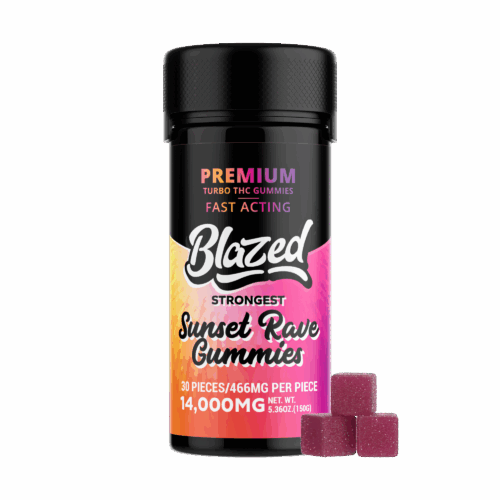
14,000MG Turbo THC Gummies – Blazed
$49.99$84.99 -
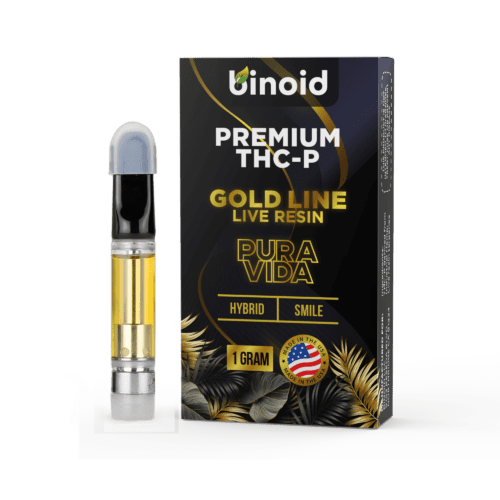
THC-P Live Resin Vape Cartridge – Pura Vida
$31.99$69.99 -
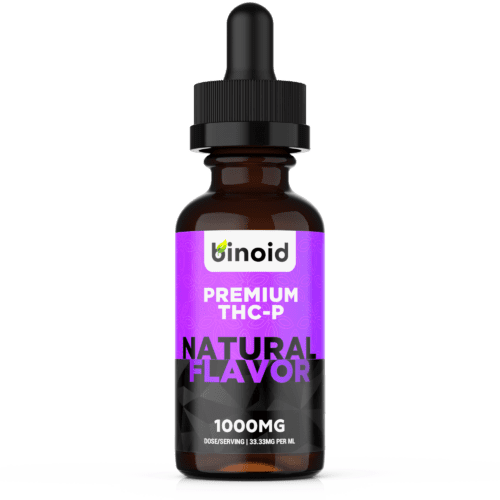
THC-P Tincture – 1000mg
$30.99$79.99 -
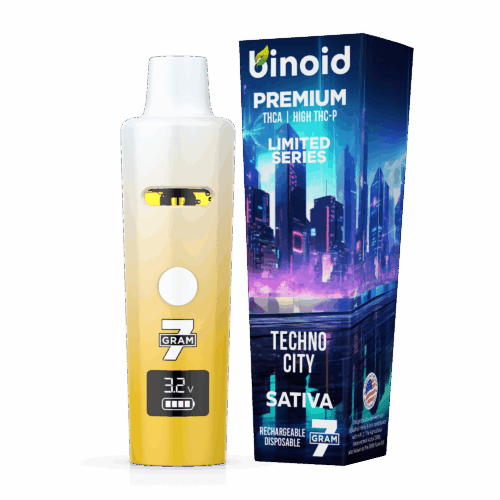
7 Gram THCA + High THC-P Disposable Vape – Limited Series
$67.99$109.99