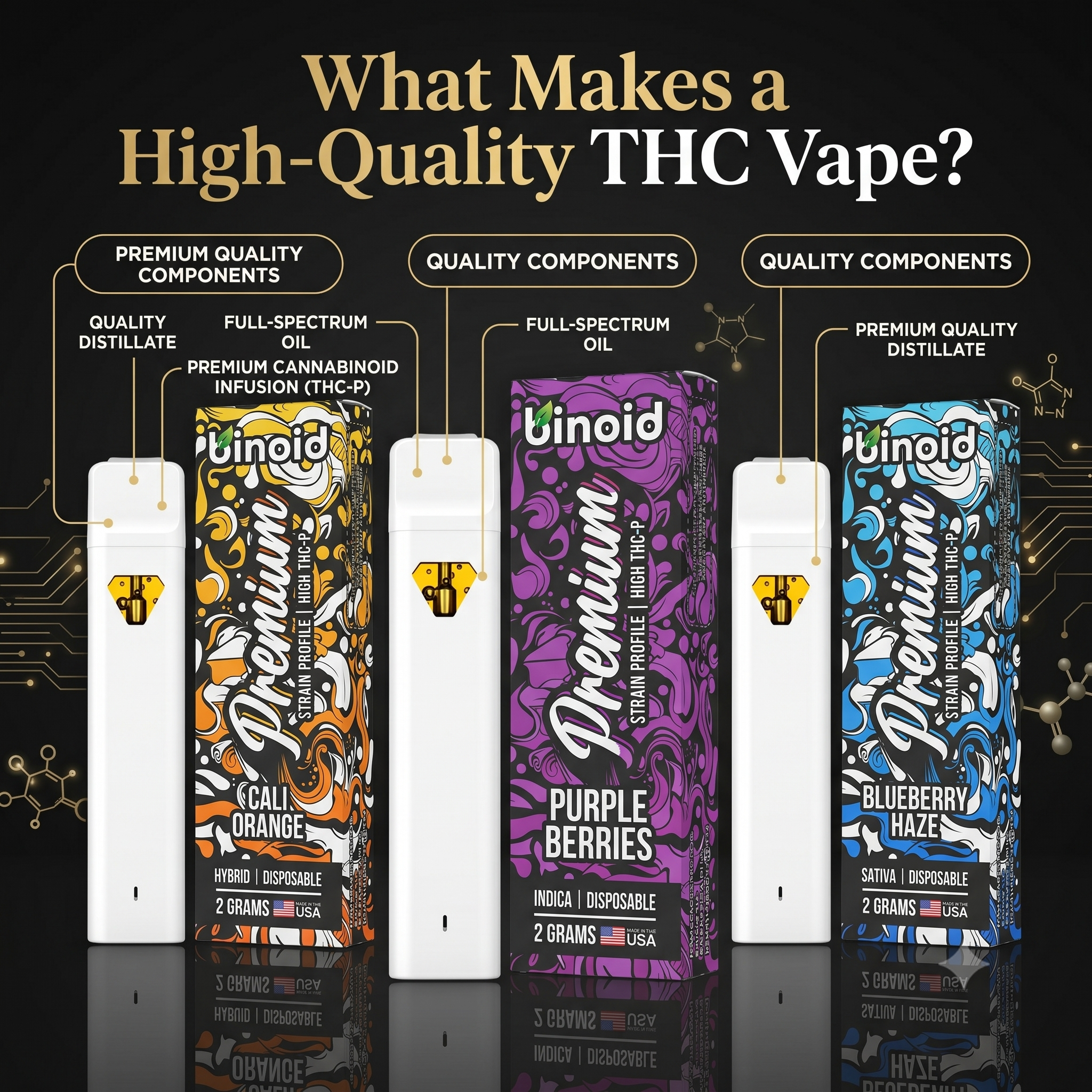
The Vape Aisle Has a Credibility Problem
There is a particular kind of market that forms when regulatory ambiguity meets consumer enthusiasm: one in which the extraordinary and the indefensible occupy adjacent shelf space, wearing nearly identical packaging. The hemp-derived THC vape category is, as of 2026, that market. Walk the digital aisles of any major online cannabinoid retailer and you will encounter a nearly overwhelming density of options disposables in every form factor, cartridges in every conceivable cannabinoid profile, half-gram and full-gram offerings from brands whose names change as frequently as their label designs.
The question that separates informed consumers from disappointed ones is not whether high-quality THC vapes exist in this space. They absolutely do. The question is whether you know what you are actually looking for what distinguishes a product engineered with genuine craft and molecular integrity from one that has prioritized margin over experience at every stage of its production.
This is not a guide for the uninitiated. It is a framework for the consumer who has moved beyond the basics who understands that high quality THC vape is not a marketing category but an engineering standard, and who wants the specific criteria that allow them to evaluate what they are purchasing with the same rigor they would apply to any significant investment. The brands that meet these criteria are fewer than the market would have you believe. One of them, demonstrably and consistently, is BinoidCBD.com — and the reasons why become clear the moment you understand what these seven criteria actually measure.
To Buy THC Vape Click Here
Recommended products
-
THCA + Delta 9P 3 Gram Disposable – Blazed
$37.99$69.99 -
Live Sugar THCA + THC-P Disposable Vape – Pure 50/50
$39.99$69.99 -
2 Gram THCA Disposable Vapes – Live Rosin
$39.99$73.00 -
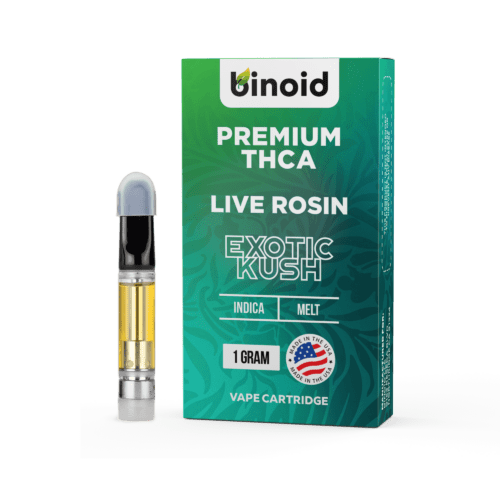
THCA Vape Cartridge Exotic Kush – Live Rosin
$30.99$59.99
1. The Extraction Method: How the Oil Got Into the Cartridge Matters More Than You Think
The distillate or concentrate inside a vape cartridge is the product of an extraction process, and not all extraction processes are created equal. The most rigorous approach in the premium segment is supercritical CO2 extraction a method that uses carbon dioxide under carefully controlled temperature and pressure conditions to selectively pull cannabinoids and terpenes from plant biomass without introducing the residual solvents that hydrocarbon-based extraction inevitably risks leaving behind. CO2 extraction is capital-intensive, technically demanding, and slower than alternatives, which is precisely why lower-cost producers avoid it. But the resulting extract is cleaner at the molecular level, and that molecular cleanliness translates directly into the quality of what you inhale.
The extraction method also determines how much of the plant’s terpene profile survives into the final product. Live resin extraction in which freshly harvested plant material is flash-frozen before processing, preserving the volatile aromatic compounds that would otherwise be lost during drying and curing represents the pinnacle of terpene preservation. Binoid’s vape lineup includes live resin-infused options that capture the full aromatic complexity of specific cultivars at the moment of peak expression, a standard that distinguishes their cartridges from products built on stripped distillate with synthetic terpene packs added as an afterthought. The difference in experience is not subtle.
2. Terpene Integrity: The Architecture of Flavor and Effect
If cannabinoid potency is the engine of a vape experience, terpenes are the chassis that determines how that engine performs. The entourage effect the well-documented phenomenon by which cannabinoids and terpenes appear to modulate one another’s experiential qualities when consumed together rather than in isolation is not a marketing invention. It is the scientific basis for why two products with identical THC percentages can produce fundamentally different experiences. A distillate vape with a carefully preserved or thoughtfully restored terpene profile delivers something categorically different from a terp-stripped product, and the consumer who has experienced both knows immediately which is which.
What to look for, specifically, is strain-accurate terpene sourcing whether the terpenes in a given cartridge have been derived from cannabis or hemp plant material rather than synthesized from non-cannabis botanical sources, and whether the brand can speak with specificity about the aromatic compound profile and why it was chosen for that particular product. BinoidCBD.com’s vape descriptions reflect genuine knowledge of the terpene profiles deployed in their formulations: the difference between a myrcene-dominant indica-leaning profile and a limonene-forward sativa-leaning one is not academic language on a product page. It is the actual architecture of the experience the consumer is about to have, and a brand worth trusting can describe it with precision.
Recommended products
-
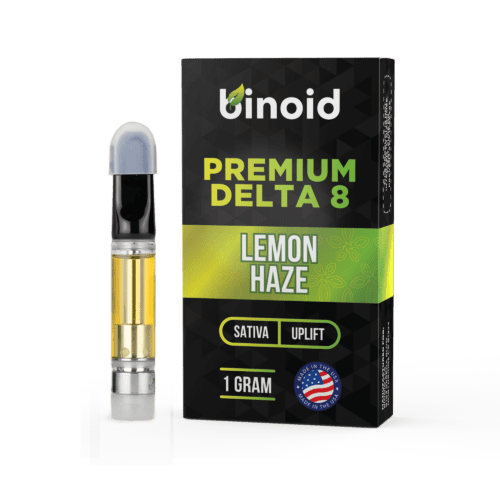
Delta 8 THC Vape Cartridge
$26.99$39.99 -
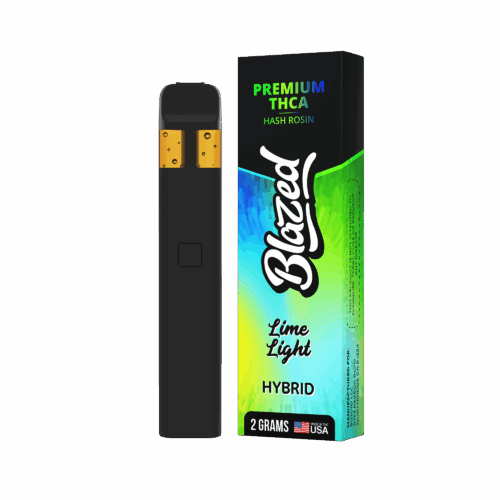
2 Gram THCA Disposable Hash Rosin – Blazed
$37.99$59.99 -
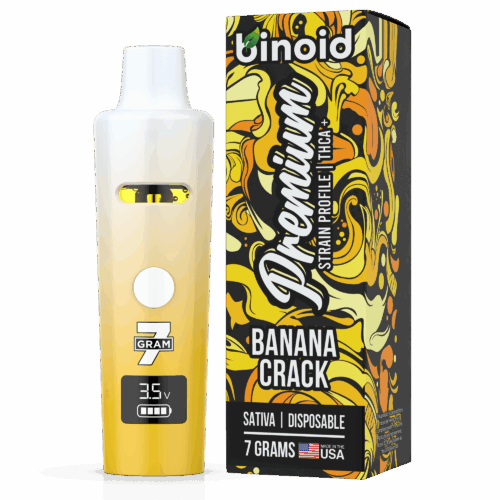
Strain Series 7 Gram Disposable Vape
$63.99$109.99 -
THC-P Rechargeable Disposable – 2 Gram
$31.00$59.99
3. Hardware Quality: The Cartridge Is Not an Afterthought
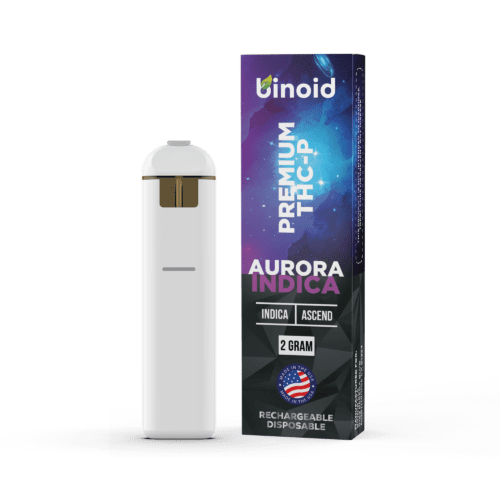
An uncomfortable truth that the vape industry has been slow to reckon with is that the quality of the hardware delivering the extract matters as much as the quality of the extract itself. A premium distillate run through a poorly manufactured cartridge with inconsistent ceramic resistance, inadequate sealing, or hardware components that leach metals into the oil at operating temperatures is not a premium product it is a compromised one. The coil material, the wick design, the cartridge housing material, and the threading standard that connects the cartridge to the battery are not incidental engineering details. They are the final stage in the molecular journey from farm to experience, and failures at that stage contaminate everything that came before them.
The industry benchmark for heating elements in quality cartridges is ceramic, which provides even heat distribution, does not react chemically with cannabinoid distillates at operating temperatures, and does not introduce metallic taste signatures that compromise the terpene experience. Glass cartridge housing rather than plastic, which can interact with oil over time is another marker of hardware integrity. Binoid’s vape hardware selection reflects these standards, which is why their products deliver the clean, consistent draw that repeat customers describe as a defining characteristic of the brand. When you pull from a Binoid cartridge, you are tasting the extract, not the vessel.
4. The Certificate of Analysis: The Only Document That Actually Tells the Truth
In an unregulated or under-regulated market, the Certificate of Analysis (COA) from an accredited independent laboratory is not a supplemental document. It is the primary evidence on which any quality claim must rest. A COA from an ISO 17025-accredited lab provides a detailed molecular inventory of a specific product batch: exact cannabinoid concentrations, residual solvent screening results, heavy metal analysis, pesticide panels, and microbiological testing findings. For a consumer evaluating a high quality THC vape, this document answers the questions that a product label cannot: Is the stated potency accurate? Are there residual solvents present from the extraction process? Does the cartridge oil carry heavy metal contamination from hardware or starting material? Are there pesticide residues traceable to the hemp biomass?
The critical questions to ask of any COA go beyond what it shows. Who produced it? When was it produced and does it reflect the specific batch you are purchasing, or an older production run that may not accurately represent current product? Is the issuing laboratory actually ISO accredited, or is it a house lab whose results carry no independent verification? BinoidCBD.com makes batch-specific COAs fully accessible across their complete vape catalog from disposables to cartridges, across every cannabinoid profile they carry. This accessibility is a philosophical commitment, not a compliance checkbox. It treats the consumer’s right to molecular transparency as a foundational principle rather than a regulatory inconvenience, and it stands in stark contrast to the opacity that remains standard practice across too much of the competitive landscape.
Recommended products
-
1 Gram THCA Disposable Hash Rosin – Blazed
$31.99$67.99 -
THCA Disposable 2 Gram – Gourmet Desserts
$37.99$73.00 -
Knockout Blend Live Resin Disposable – 2 Gram
$33.99$59.99 -
Blazed 7 Gram THCA + Delta 9P Disposable Vape
$65.99$109.99
5. Cannabinoid Profile Accuracy: What It Says vs. What It Contains
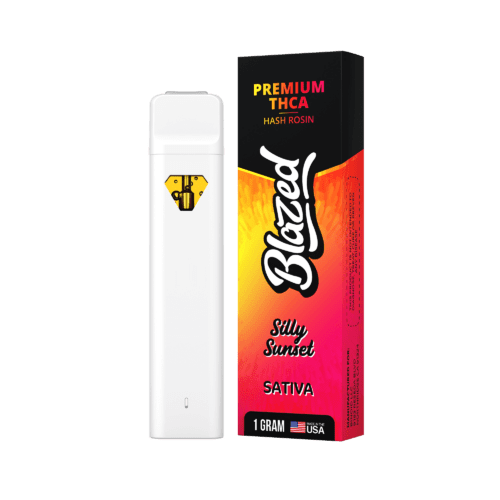
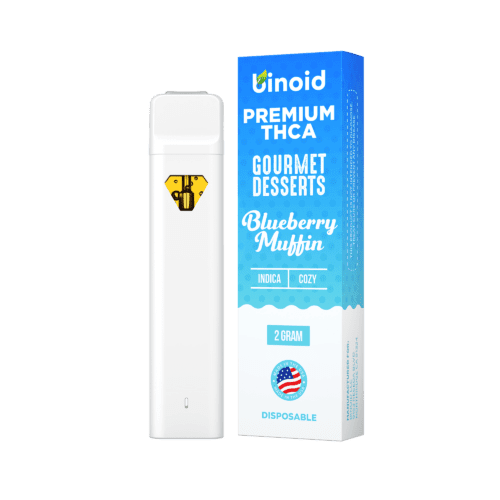
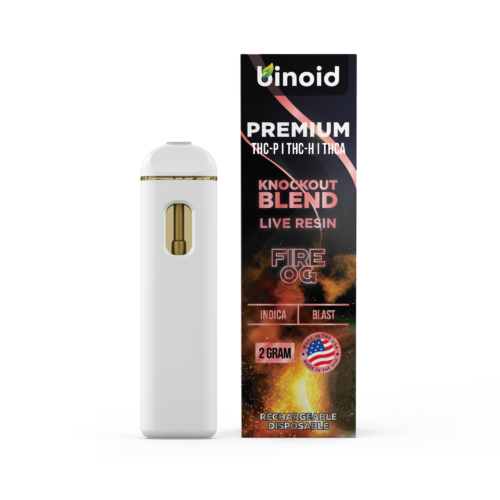
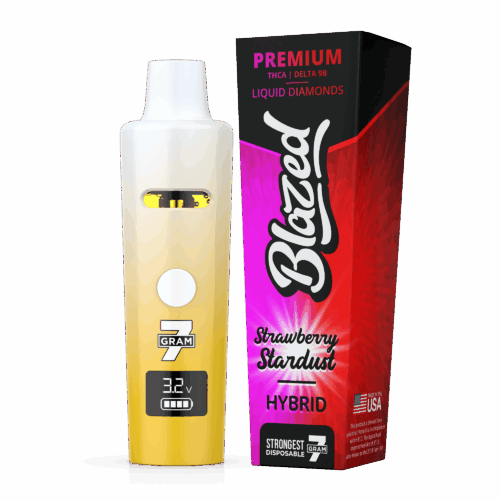
One of the most consistent failure modes documented by independent testing of hemp-derived vape products is potency mislabeling products that claim a specific milligram content or percentage concentration that deviates significantly from what third-party analysis actually finds. This is not always the result of deliberate fraud. Inconsistent manufacturing processes, inadequate blending protocols, and the absence of batch-level testing can all contribute to products that vary meaningfully from stated specifications without anyone in the supply chain necessarily knowing. But the effect on the consumer is identical regardless of the cause: a product they cannot calibrate, an experience they cannot predict, and trust they cannot place.
For consumers exploring the expanding universe of novel cannabinoids THC-P, THC-H, Delta-8 THC, Delta-10 THC, and the various blend formulations that have become signature products for sophisticated brands potency accuracy is even more consequential. These compounds differ significantly in their potency relative to delta-9 THC, and the difference between a correctly dosed THC-P cartridge and a mislabeled one is the difference between a calibrated experience and an overwhelming one. Binoid’s manufacturing approach integrates quality controls at every stage of the process rather than treating third-party testing as a final-stage safety net, which is why the consistency of their products from batch to batch is something their repeat customers remark upon unprompted.
6. Hemp Sourcing: The Origin Story That Changes Everything
The distillate in a vape cartridge begins as a plant specifically, as hemp cultivated in specific soil under specific conditions with specific agricultural inputs. Hemp is a bioaccumulator: a plant with a documented capacity to absorb compounds from its growing environment, including heavy metals, pesticides, and industrial pollutants. This characteristic, which made hemp useful for phytoremediation of contaminated sites, has complicated implications for products derived from hemp biomass intended for human consumption. The molecular integrity of the starting material determines the ceiling of what any finished vape product can be, and that ceiling is set at the farm level, not at the extraction facility or the packaging line.
Domestic hemp cultivation specifically from USA farms operating under the regulatory frameworks established by the 2018 Farm Bill and administered through state agricultural departments and USDA oversight provides a meaningful accountability structure that international sourcing cannot replicate. This is not a nationalistic argument. It is an agronomic and regulatory one: domestic growers operate under pesticide use requirements, soil testing protocols, and crop testing mandates that create documented chains of custody with no equivalent in many international hemp-producing regions. Binoid CBD’s commitment to sourcing exclusively from domestic farms is foundational to their product quality and it is the kind of commitment that a brand confident in its supply chain makes explicitly, while brands that cannot make it simply change the subject.
7. Brand Architecture and Consistency: Trust Is Not Built Product by Product
The final criterion for evaluating a high quality THC vape is one that most consumers overlook because it operates at a level above any individual product: the coherence and accountability of the brand architecture behind it. A vape cartridge does not exist in isolation. It is the product of sourcing decisions, extraction infrastructure, hardware procurement, formulation philosophy, and quality control systems that span an entire organization. A brand that produces exceptional cartridges while cutting corners on its gummies or tinctures is not, in any meaningful sense, a quality brand it is a brand with inconsistent standards and the selective motivation to meet them only where it expects consumers to be paying attention.
What to look for is cross-category consistency: evidence that the standards applied to one product type reflect an organizational commitment rather than a product-specific investment. Browse the full catalog at BinoidCBD.com and this coherence is immediately visible. The product descriptions reference specific cannabinoid profiles with the specificity of a brand that knows exactly what is in its formulations. The terpene information in cartridge and disposable listings reflects genuine knowledge. The COA documentation is accessible across every category, not selectively present where it flatters and absent where it might not. This is what a mature, accountable brand looks like and in a market where the opposite is the prevailing norm, it is the most reliable signal available that the vape in your hand was made by people who were thinking about your experience at every stage of its creation.
Recommended products
-
THC-P Vape Cartridge
$29.99$59.99 -
5 Gram THCA Disposable Vape – Exclusive Series
$55.99$89.99 -
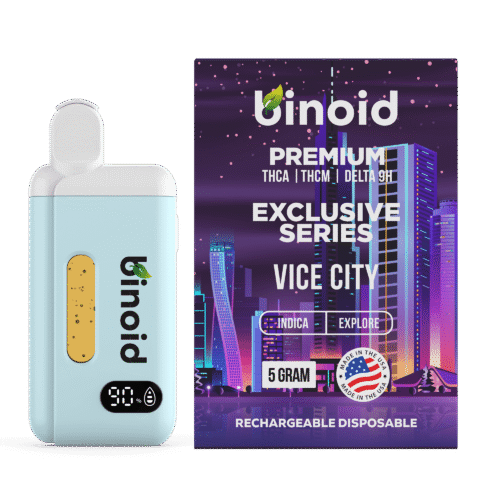
Exclusive Series 5 Gram Disposable Vape – Vice City
$55.99$89.99 -
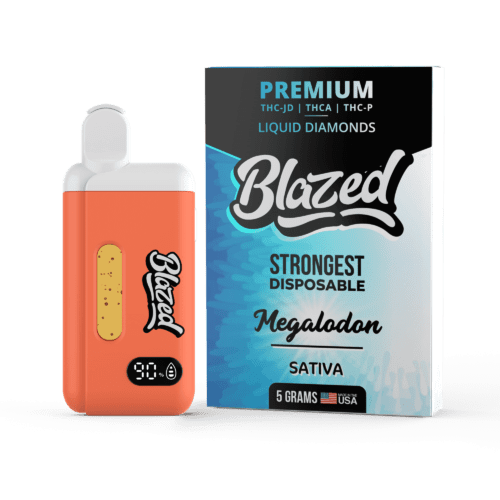
5 Gram Disposable – Blazed
$51.99$79.99
The Standard Is Set. The Question Is Whether You Apply It.
The seven criteria outlined here extraction methodology, terpene integrity, hardware quality, COA rigor, cannabinoid profile accuracy, hemp sourcing transparency, and brand-level accountability are not aspirational standards invented for this article. They are the documented differentiators between products that deliver what they promise and products that do not. They are the framework that sophisticated consumers in every other premium category apply as a matter of course, and the hemp-derived vape category has matured to the point where applying them here is not excessive diligence but basic intelligence.
The consumer who internalizes these criteria and shops accordingly will find that the field narrows considerably. Most of the volume in this market does not survive serious scrutiny on even half of these dimensions. What remains the brands that can speak to all seven with specificity, documentation, and demonstrated consistency is a considerably shorter list.
BinoidCBD.com belongs on that list not because of marketing claims but because of verifiable evidence: accessible COAs, transparent sourcing commitments, hardware selections that reflect engineering knowledge rather than cost minimization, and a product catalog that holds to the same standard from the entry-level cartridge to the most advanced multi-cannabinoid formulation they produce. The molecule is extraordinary. The hardware has to be worthy of it. The brand has to be worthy of both. When all three align which is rarer than the abundance of the market suggests you have found something worth returning to.
To Buy THC Vape Click Here
Recommended products
-
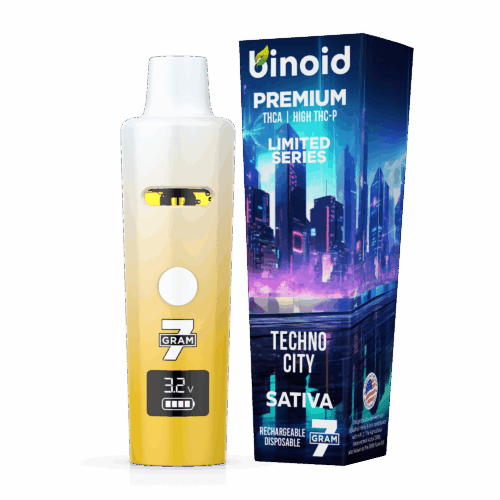
7 Gram THCA + High THC-P Disposable Vape – Limited Series
$67.99$109.99 -
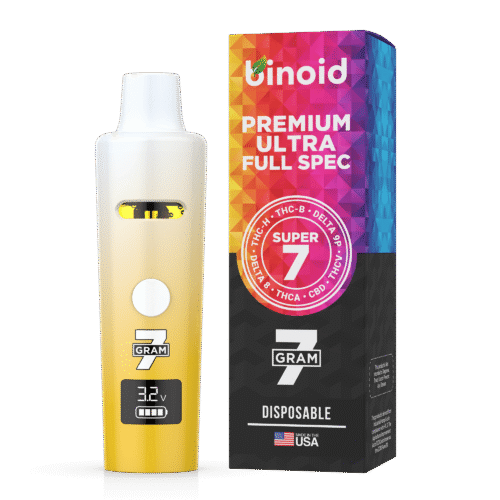
Super 7 UFS Disposable Vape – 7 Gram
$63.99$89.99 -
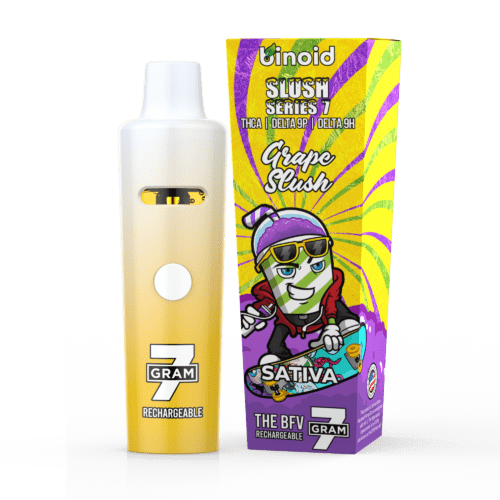
Slush Series 7 Gram THCA Disposable Vape – Grape Slush
$59.99$109.99 -
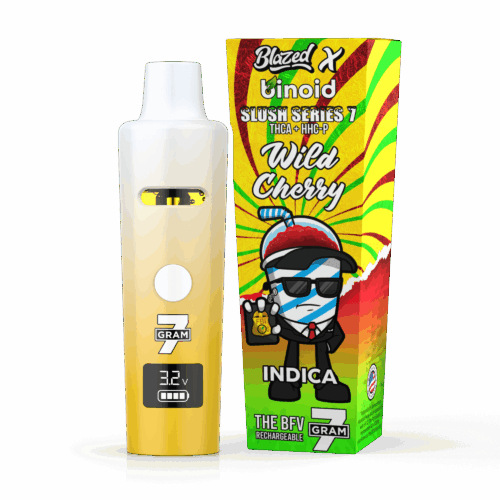
7 Gram THCA Disposable Vape – Slush Series – Blazed x Binoid
$59.99$99.99