Almost everyone who has tried both has said it at some point.
“Edibles hit way harder than smoking.”
It’s one of the most common conversations in cannabis culture. Someone takes a few hits from a joint and feels good. Relaxed. Uplifted. Functional. Then they try a gummy with what looks like the same amount of THC on paper and suddenly the experience feels deeper, heavier, and longer lasting.
So what’s actually happening?
Why does a 10mg edible sometimes feel stronger than multiple hits of flower? Why do edibles last so much longer? And why does the high feel different even when the THC amount seems comparable?
It’s not random. It’s not just tolerance. And it’s definitely not a myth.
The reason edibles hit harder than smoking comes down to chemistry, digestion, liver metabolism, and how your body processes THC depending on how it enters your system. Once you understand the science behind it, the difference makes complete sense.
Let’s break it down in a real-world way.
To Buy THC Products Click Here
Recommended products
-
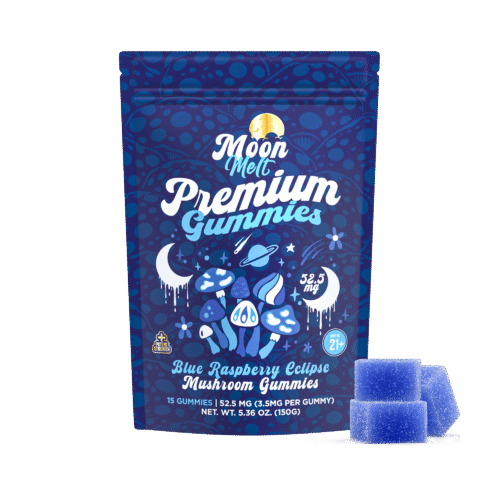
Visual Gummies – Moon Melt
$43.99$59.99 -
13,000mg Good Luck Gummies
$47.99$79.99 -
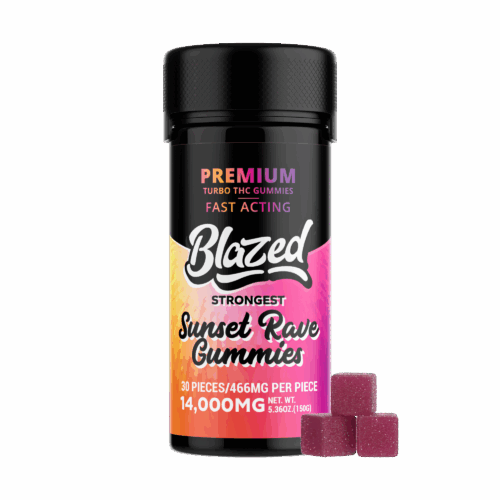
14,000MG Turbo THC Gummies – Blazed
$49.99$84.99 -
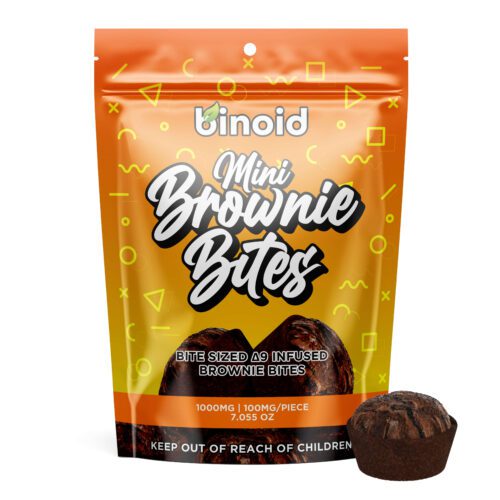
Delta 9 Mini Brownie Bites – 1000MG (Limited Supply)
$34.99$39.99

Smoking vs. Edibles: Two Completely Different Entry Points
When you smoke cannabis, whether that’s traditional flower, THCA flower, or a vape cartridge, the cannabinoids enter your bloodstream through your lungs. From there, they travel directly to your brain. That’s why smoking feels fast. You can usually feel it within minutes, sometimes even seconds.
Edibles take a completely different route.
When you eat a THC gummy, drink a THC-infused beverage, or consume any type of edible product, the cannabinoids go through your digestive system first. They move from your stomach into your small intestine, then into your liver before reaching your bloodstream.
That extra step through the liver changes everything.
The way your body processes THC when it’s inhaled versus when it’s eaten is not the same. And that difference is exactly why edibles feel stronger.
The Liver Is the Game Changer
When THC is inhaled, it enters the bloodstream in its Delta 9 THC form and travels to the brain relatively unchanged. The effects are noticeable quickly, but they also taper off more quickly because your body metabolizes and clears it at a steady pace.
When THC is eaten, it gets metabolized in the liver before fully entering circulation. During that process, Delta 9 THC is converted into a compound called 11-hydroxy-THC.
This compound is still psychoactive. In fact, it’s often described as more potent and longer-lasting than standard Delta 9 THC.
That’s the main reason edibles feel stronger. You’re not just absorbing THC. You’re absorbing a metabolized version that crosses the blood-brain barrier efficiently and sticks around longer.
This is why someone can smoke Binoid THCA flower and feel lifted for a couple of hours, but take a Binoid THC gummy and feel effects lasting much longer and sometimes more intensely.
The route changes the result.
Why the High Feels Different
People often describe edible highs as:
-
Deeper
-
More body-focused
-
Longer lasting
-
More immersive
Smoking tends to feel:
-
Faster onset
-
Easier to control
-
More gradual in buildup
-
Shorter in duration
That difference comes down to the way 11-hydroxy-THC interacts in the body compared to inhaled Delta 9 THC.
Because edibles take longer to kick in, the high often builds slowly and then peaks strongly. That delayed onset can make it feel like nothing is happening at first. Then, once digestion and liver metabolism complete their work, the effects can rise quickly.
With smoking, you feel it almost immediately, so you can pace yourself. One hit, wait a minute. Another hit, reassess. It’s easier to titrate.
With edibles, once you’ve taken them, you’re committed to the ride.
Duration: Why Edibles Last So Much Longer
Smoking typically lasts anywhere from 1 to 3 hours depending on tolerance, potency, and consumption method.
Edibles can last 4, 6, sometimes even 8 hours or more depending on dosage and metabolism.
The reason is simple. Digestive absorption is slower, and 11-hydroxy-THC remains active in your system for a longer window.
When someone consumes a Binoid hemp-derived THC edible, the experience unfolds gradually. The peak may take 60 to 120 minutes to arrive, but once it does, it can feel sustained and steady.
That sustained effect is part of why edibles feel stronger. It’s not always about intensity alone. It’s about duration combined with intensity.
A high that lasts twice as long naturally feels more impactful.
Bioavailability and Efficiency
Another factor is bioavailability, which refers to how much of a compound actually enters circulation and becomes active.
When smoking, some THC is lost through combustion. Some is exhaled. Some degrades due to heat. That means not every milligram listed in flower actually makes it into your system.
With edibles, while digestion isn’t perfectly efficient either, the liver conversion process can produce a more potent metabolite in 11-hydroxy-THC. That metabolic shift changes the experience entirely.
This is why a 10mg Binoid THC edible can feel surprisingly strong compared to what someone expects from smoking flower labeled at a higher THC percentage.
Milligrams don’t tell the full story without context of delivery method.
Why Edibles Can Feel More “Full Body”
Many people describe edible highs as heavier in the body. This perception likely comes from the sustained activation of cannabinoid receptors over a longer period.
Because the onset is slower and the duration is extended, the experience often feels layered rather than sharp.
Smoking can feel bright, heady, and quick. Edibles can feel enveloping and immersive.
It’s not that one is better than the other. They are simply different physiological pathways.
That’s why some users prefer Binoid THC gummies for evenings or long chill sessions, while they might choose Binoid THCA flower or vape products when they want more immediate and adjustable effects.
Tolerance and Why Edibles Surprise People
Tolerance to inhaled THC does not always translate perfectly to edibles.
Someone who smokes regularly may assume they can handle a higher edible dose. But because edibles produce 11-hydroxy-THC, the subjective strength can feel different from what they’re used to.
That’s one reason the phrase “edibles hit harder” sticks around. Even experienced smokers sometimes underestimate the digestive route.
Your body processes it differently. Your brain experiences it differently.
The chemical pathway matters.
Recommended products
-
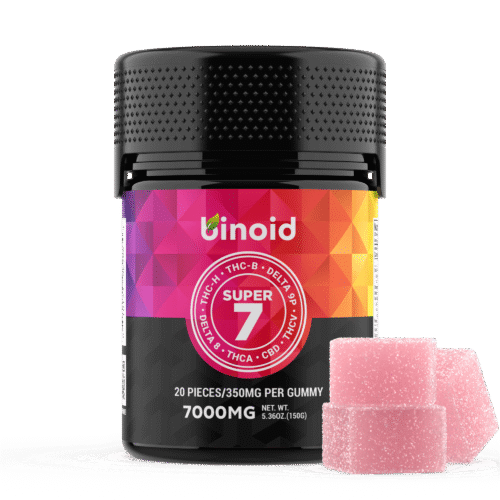
Super 7 Gummies – 7000MG
$39.97$59.99 -
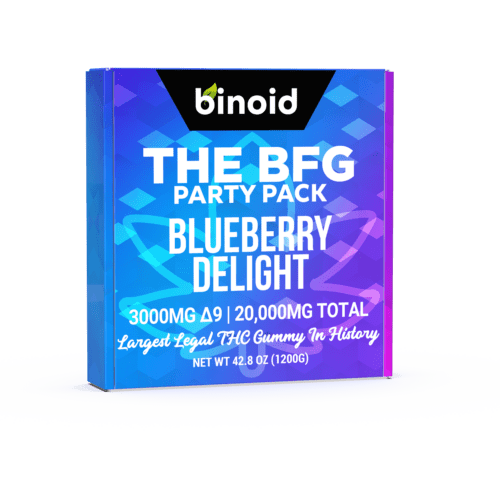
The BFG – 3000mg Delta 9 THC Gummy
$128.99$239.99 -
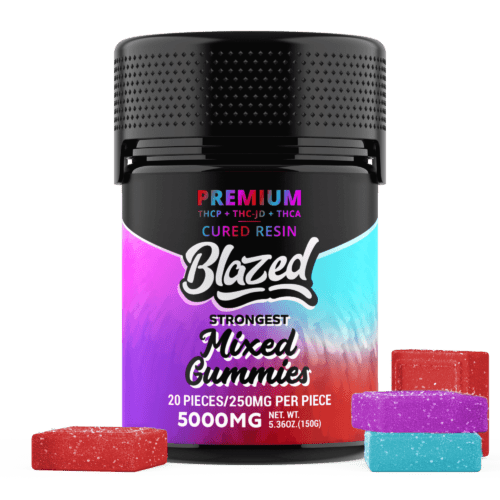
Blazed Gummies – 5000MG
$29.99$69.99 -
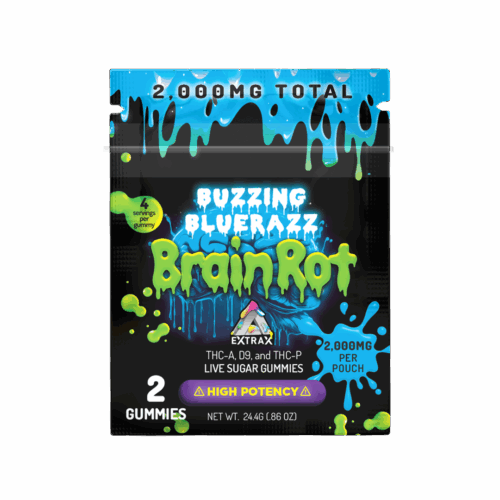
THCA Live Sugar 2 Pack Gummies – 2,000mg
$6.99$8.99
Set, Setting, and Expectations
Psychology also plays a role.
Because edibles take longer to kick in, anticipation builds. People may think it’s not working and take more. Then, once everything metabolizes, the combined dose peaks.
That stacking effect can amplify intensity.
With smoking, feedback is immediate. With edibles, the delay creates room for overcorrection.
This is why dosing responsibly with Binoid THC edibles is important. Starting with a moderate amount and allowing enough time before increasing makes a noticeable difference in experience.
The Role of Food and Metabolism
Your metabolism heavily influences how hard edibles hit.
If you eat a gummy on an empty stomach, it may absorb more quickly. If you’ve eaten a large meal, absorption may be slower.
Body fat percentage can also influence how cannabinoids are stored and released over time. Individual metabolism rates vary widely, which explains why two people can take the same edible and report different intensity levels.
Smoking bypasses much of this digestive variability.
Edibles rely on it.
Why Some People Prefer Edibles
Despite the intensity, many people prefer edibles for a few reasons.
First, they don’t involve inhalation. For those who don’t enjoy smoke or vapor, gummies and infused products offer a different route.
Second, the longer duration can feel convenient. Instead of re-dosing every couple of hours, one edible can carry the experience through an entire evening.
Third, discretion. A Binoid THC gummy looks like candy. There’s no lingering smell, no smoke, no obvious cues.
But with that convenience comes responsibility. The delayed onset means patience is key.
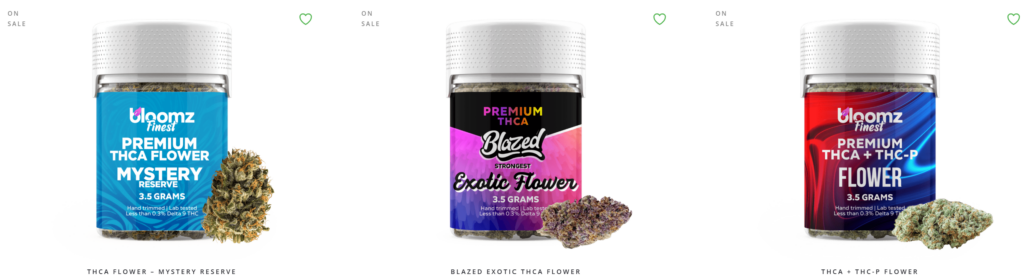
Comparing Edibles to THCA Flower
THCA flower behaves differently because THCA converts to THC when heated. When smoked, it acts similarly to traditional Delta 9 THC flower in terms of onset and duration.
The experience is faster and easier to pace.
Edibles bypass the heat conversion stage entirely and go straight into digestive metabolism.
That difference is why someone browsing Binoid THCA flower and Binoid THC edibles should understand they’re signing up for two distinct experiences even if the milligram count appears similar.
Concentrates vs. Edibles
Concentrates can feel extremely strong due to high potency. However, even potent concentrates still follow the inhalation pathway if vaporized.
That means fast onset and shorter duration compared to edibles.
Edibles might not spike as quickly as a dab, but their long arc and liver conversion can make the overall journey feel heavier and more sustained.
Different tools. Different chemistry.
Why Edibles Sometimes Feel More Intense Mentally
Because 11-hydroxy-THC crosses into the brain efficiently, the psychoactive component can feel amplified.
The slower build also creates a crescendo effect rather than an immediate peak.
That rising wave can feel more immersive compared to the gradual curve of smoking.
Again, this is not about better or worse. It’s about pathway.
Choosing the Right Experience for You
If you want:
-
Fast onset
-
Easier dose control
-
Shorter duration
-
Adjustable intensity
Smoking or vaping may be ideal.
If you want:
-
Longer lasting effects
-
No inhalation
-
A more sustained experience
-
Convenience and discretion
Edibles might be the better option.
Binoid offers both hemp-derived THC flower and THC edible options for that reason. Different formats serve different preferences.
Final Thoughts: It’s Biology, Not Hype
Edibles hit harder than smoking because your body processes them differently.
The liver converts THC into 11-hydroxy-THC. That metabolite is potent and long-lasting. The digestive pathway delays onset but extends duration. The slower buildup creates a more immersive peak.
Smoking delivers THC directly into the bloodstream for fast, controllable effects. Edibles take the scenic route, but the destination can feel deeper.
Understanding this difference removes the mystery.
It’s not that edibles are “stronger” in every measurable way. It’s that their metabolic journey changes the experience entirely.
Once you know that, you can choose intentionally—whether that means lighting up premium THCA flower or reaching for a Binoid THC gummy for a longer ride.
Different methods. Different chemistry. Different highs.
And that’s exactly why edibles hit harder than smoking.
To Buy THC Products Click Here
Recommended products
-
Delta 9 Mini Blueberry Muffin Bites – 1000MG (Limited Supply)
$34.99$39.99 -
Delta 9 Mini Triple Chocolate Chunk Bites – 1000MG (Limited Supply)
$34.99$39.99 -
Functional THC Gummies
$33.99$59.99