There is a specific moment familiar to anyone who has upgraded from a standard distillate vape cartridge to a well-made live resin vape for the first time — a moment of genuine surprise, almost disorientation, at how much aromatic and flavor complexity had apparently been missing all along without anyone quite realizing it. The draw arrives not as a generic, vaguely fruity vapor but as something layered, specific, alive in a way that is difficult to articulate until you’ve experienced the contrast directly.
That difference is not marketing embellishment. It is the direct, measurable consequence of an extraction philosophy that treats the cannabis plant’s volatile aromatic compounds as precious rather than disposable, and understanding why that philosophy costs more — and why the extra dollars are worth spending — requires a real look at what happens to a cannabis plant between harvest and the moment vapor hits your lungs.
TO BUY LIVE RESIN CLICK HERE
Recommended products
-
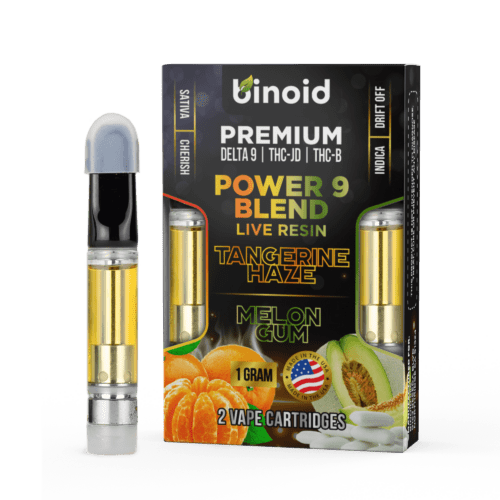
Power 9 Blend Live Resin Cartridge – 2 Pack Combo (Limited Time Sale)
$40.99$89.99 -
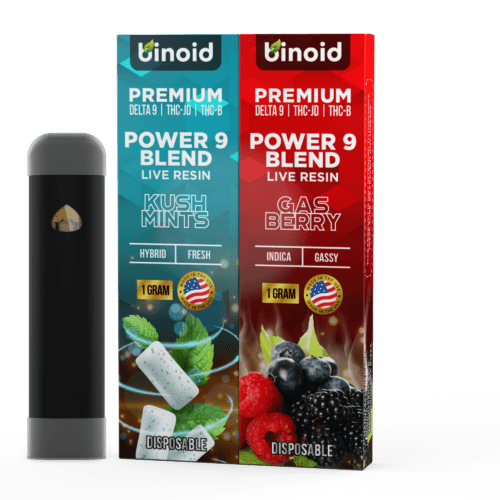
Power 9 Blend Live Resin Disposable – 2 Pack Combo (Limited Time Sale)
$44.99$89.99 -
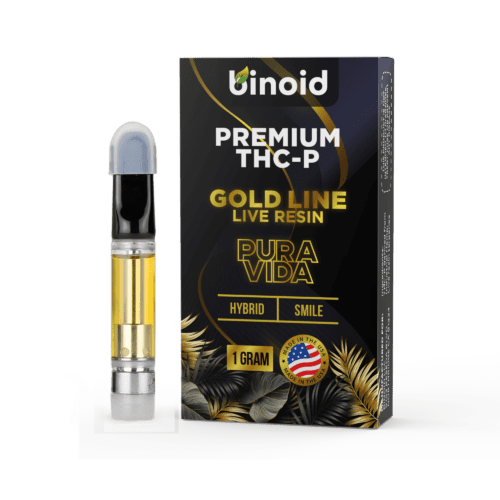
THC-P Live Resin Vape Cartridge – Pura Vida
$31.99$69.99 -
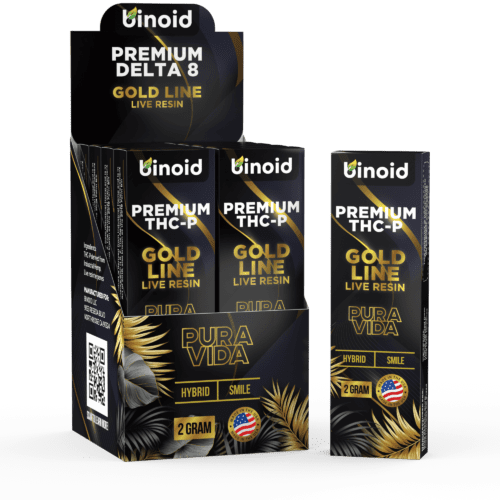
Live Resin Rechargeable Disposable – 2 Gram
$34.99$59.99
The Extraction Divide: Live Resin vs. Standard Distillate
Every vape cartridge on the market begins its life as raw cannabis biomass, but the path that biomass takes toward becoming finished vapor oil diverges sharply depending on the extraction philosophy behind it, and that divergence is the entire story of why live resin commands a premium. Standard distillate production typically begins with biomass that has been harvested, then dried and cured over a period of days or weeks before extraction ever begins. This drying and curing process is not without its own value — it stabilizes the plant material and develops certain flavor characteristics through controlled degradation — but it is also, unavoidably, a process during which a significant percentage of the plant’s most volatile terpenes simply evaporate into the air, lost forever before extraction even starts.
live resin extraction takes a fundamentally different approach by working with cannabis biomass that has been flash-frozen immediately after harvest, often within hours, and kept at sub-zero temperatures throughout the entire extraction process rather than allowed to dry and cure conventionally. This single procedural decision — freezing the plant at the peak of its volatile compound expression rather than letting time and oxidation do their inevitable work — is the mechanism behind everything that makes live resin distinctive.
The terpene profile captured through this method is dramatically closer to what existed in the living plant at the moment of harvest, preserving not just the dominant aromatic notes but the subtle, minor terpenes that conventional drying and curing tend to sacrifice first, and that are frequently responsible for the specific, strain-differentiating character that separates a forgettable vape from a genuinely memorable one.
The Chemistry of Preservation: Why Cold Matters So Much
The science behind why flash-freezing preserves terpene integrity so effectively comes down to a straightforward principle of volatile compound chemistry: terpenes are, by their molecular nature, prone to evaporation and degradation at room temperature and especially under any exposure to heat, light, or oxygen over extended periods. A cannabis plant that spends one to two weeks drying at room temperature before extraction is a plant that has been continuously bleeding off its most delicate aromatic compounds throughout that entire window, with the losses compounding day over day. By the time that biomass reaches an extraction facility, a substantial portion of its original terpene content — by some industry estimates, well over half in poorly managed drying environments — has simply dissipated into the surrounding air.
Sub-zero storage effectively halts this degradation process in its tracks, locking the plant’s chemical profile in place at a moment much closer to peak freshness. The subsequent extraction process, typically performed using hydrocarbon solvents like butane or propane under carefully controlled low-temperature conditions, is engineered specifically to preserve this frozen chemical snapshot rather than subjecting it to the heat that conventional extraction methods often introduce.
The resulting extract — the live resin itself — carries a terpene concentration and diversity that dried-and-cured distillate simply cannot replicate, regardless of how skilled the downstream refinement process might be. This is not a matter of one method being generically “better” in the abstract; it is a matter of physical and chemical reality, verifiable through terpene profile testing that shows measurably higher concentrations and broader diversity in properly executed live resin compared to standard distillate derived from the same genetic starting material.
Recommended products
-
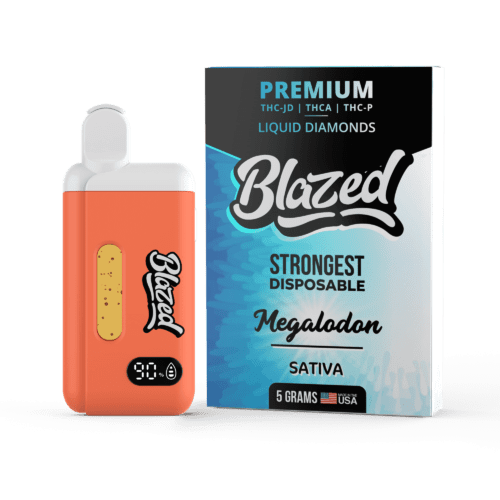
5 Gram Disposable – Blazed
$51.99$79.99 -
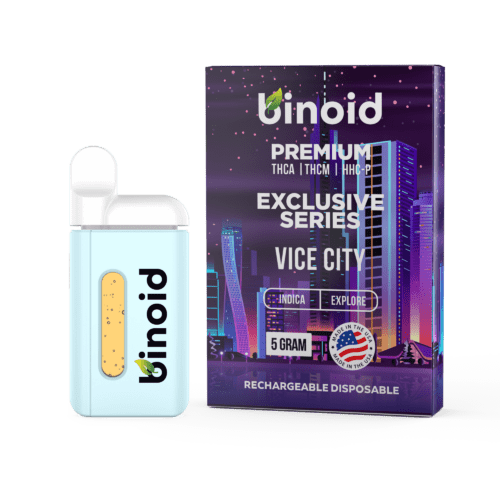
5 Gram Disposable – Exclusive Series
$59.99$89.99 -
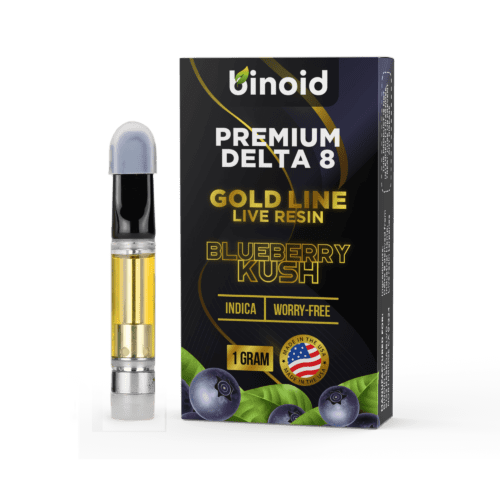
Delta 8 Live Resin Vape Cartridge – Blueberry Kush
$26.99$59.99 -
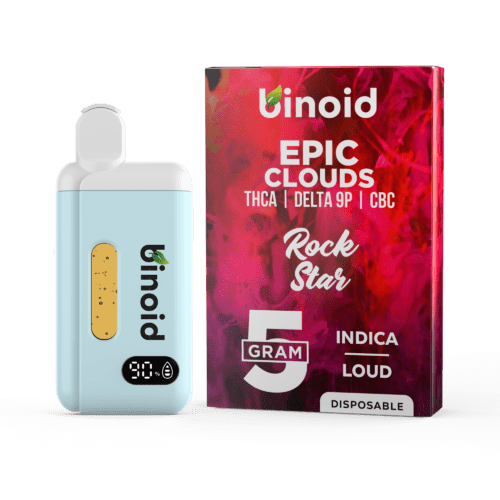
5 Gram THCA + CBC Disposable Vape – Epic Clouds
$53.99$87.99
The Sensory Payoff: What You Actually Notice
The technical explanation matters, but the reason consumers keep returning to live resin vapes despite the higher price point is fundamentally experiential rather than academic. A well-made Live resin vape delivers an aromatic complexity that unfolds in layers — the initial inhale carrying bright top notes, a mid-palate that reveals the strain’s more specific character, and an exhale that lingers with a completeness that flatter, more generic distillate vapes rarely achieve. This is the practical, sensory expression of the entourage effect, the phenomenon by which the full spectrum of cannabinoids and terpenes native to a cannabis cultivar interact and modulate one another to produce an experience that feels more complete and more strain-specific than an isolated cannabinoid delivered without its natural aromatic context.
Strain differentiation is, in fact, one of the most underappreciated benefits of the live resin format, and it is here that the value proposition becomes most apparent to anyone who has spent time exploring multiple offerings. A standard distillate vape, regardless of what strain name appears on the packaging, frequently tastes and feels broadly similar to other distillate vapes because the process that created it stripped away most of the compounds responsible for genuine strain-to-strain variation, leaving flavoring additives to do the work that the plant’s own chemistry should have handled.
A live resin vape, by contrast, actually tastes like the specific cultivar it claims to represent, because the extraction method preserved the terpene architecture that makes that differentiation possible in the first place. For the consumer who has developed genuine preferences around specific terpene profiles — someone who knows they gravitate toward myrcene-forward, sedating profiles in the evening versus limonene-forward, brighter profiles during the day — Live resin is effectively the only format that reliably delivers on that level of nuance.
The Cost Question: Understanding What You’re Actually Paying For
It would be reasonable for a value-conscious consumer to look at the price differential between a standard distillate cartridge and a comparable live resin option and wonder whether the premium is justified by anything beyond marketing positioning, and the honest answer requires walking through where that additional cost actually originates. Flash-freezing cannabis biomass immediately post-harvest requires specialized cold-chain infrastructure at the cultivation facility itself — equipment and logistics that dried biomass processing simply does not demand. That frozen material must then be transported and stored under continuous sub-zero conditions all the way to the extraction facility, adding both cost and operational complexity at every step of a supply chain that would otherwise be far simpler.
The extraction process itself is more technically demanding as well, requiring precise low-temperature control throughout to prevent the very terpene loss the entire method exists to avoid, along with more sophisticated equipment and more experienced extraction technicians than standard distillate production typically requires. Yield is frequently lower, too — the careful, low-temperature approach that preserves terpene integrity is simply less efficient at raw extract volume than more aggressive, heat-assisted extraction methods, meaning more starting biomass is required to produce an equivalent quantity of finished product. Every one of these factors compounds into a genuinely higher production cost, not an arbitrary premium markup, and a brand charging live resin pricing without actually executing the cold-chain and low-temperature extraction process that justifies it is engaging in a form of quality misrepresentation that a savvy consumer should be actively watching for.
Recommended products
-
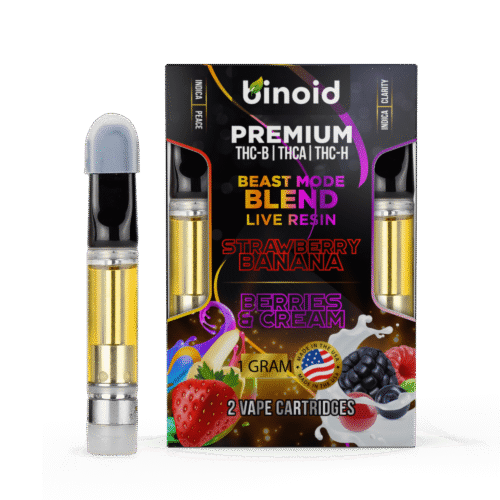
Beast Mode Blend Live Resin Cartridge – 2 Pack Combo (Limited Time Sale)
$40.99$89.99 -
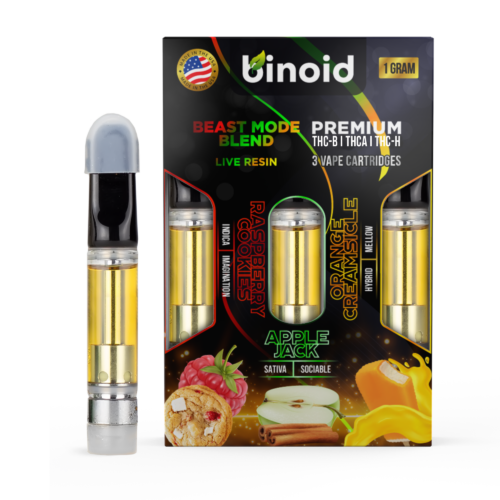
Beast Mode Blend Live Resin Cartridge – 3 Pack Combo
$54.99$89.99 -
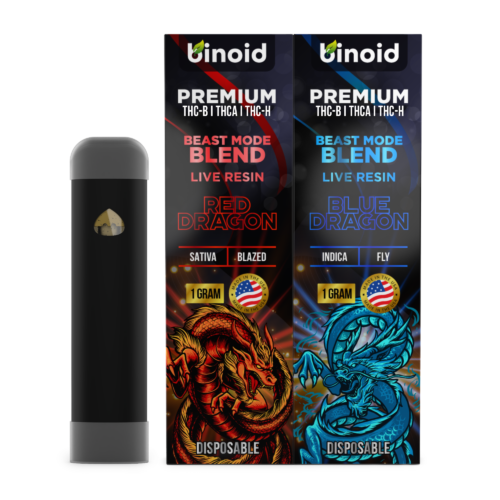
Beast Mode Blend Live Resin Disposable – 2 Pack Combo (Limited Time Sale)
$43.99$89.99 -
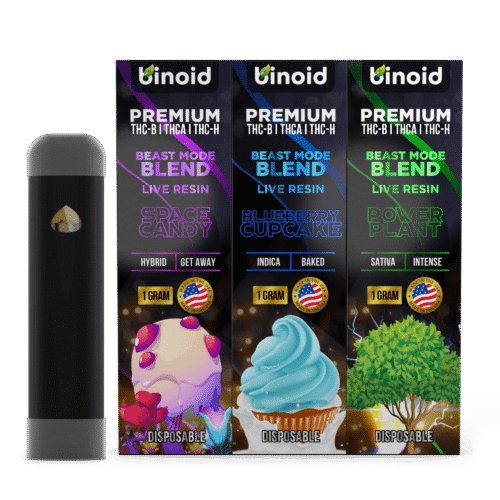
Beast Mode Blend Live Resin Disposable – 3 Pack Combo
$65.99$89.99
Sourcing Live Resin You Can Actually Trust
Given how much of the live resin value proposition depends on process integrity that a consumer cannot directly observe from a finished cartridge, the certificate of analysis becomes an essential verification tool rather than an optional nicety. A COA for a legitimate live resin product should reflect a terpene profile that is both quantitatively rich and qualitatively diverse, with concentrations that credibly support the “live resin” designation rather than a terpene content indistinguishable from standard distillate wearing a premium label. Binoid CBD publishes batch-specific COA documentation across its live resin vape lineup from ISO 17025 accredited laboratories, giving consumers the ability to verify that the terpene richness they’re paying for is actually present in the batch they’re purchasing rather than taking a marketing claim on faith.
Beyond lab verification, the sourcing relationship behind a live resin product matters enormously, because the flash-freezing step has to happen at the cultivation site itself, immediately post-harvest — meaning a brand’s live resin quality is only ever as good as the cultivation partnerships and cold-chain logistics it has actually built. Binoid CBD‘s approach to its live resin vape catalog reflects sourcing relationships prioritizing cultivators equipped for genuine flash-freeze harvesting protocols, which is precisely the kind of unglamorous supply-chain infrastructure investment that separates authentic live resin from the increasingly common practice of applying the term to products that never actually earned it.
The Verdict: A Premium That Pays for Itself
When the question is framed honestly — not “is live resin more expensive” but “what does that additional cost actually purchase” — the value proposition becomes considerably clearer. You are paying for a cold-chain harvest and storage infrastructure that most standard extraction never requires, a more technically demanding low-temperature extraction process, a lower yield that reflects genuine care rather than inefficiency, and an aromatic and flavor complexity that is chemically verifiable through terpene profile testing rather than simply asserted on packaging copy. For the consumer who has spent any meaningful time with both formats side by side, the sensory difference alone tends to settle the question definitively, but the underlying science offers the kind of clear-eyed justification that turns a preference into an informed decision.
The extra dollars are not a premium for prestige. They are the actual, traceable cost of a plant’s most fleeting and valuable compounds being preserved rather than sacrificed — and for a market segment increasingly populated by consumers who read their COAs and know exactly what they’re looking for, that is a trade worth making every time, particularly when it’s backed by the sourcing transparency and testing rigor that Binoid CBD has built into its live resin vape program at Binoid CBD.
TO BUY LIVE RESIN CLICK HERE
Recommended products
-
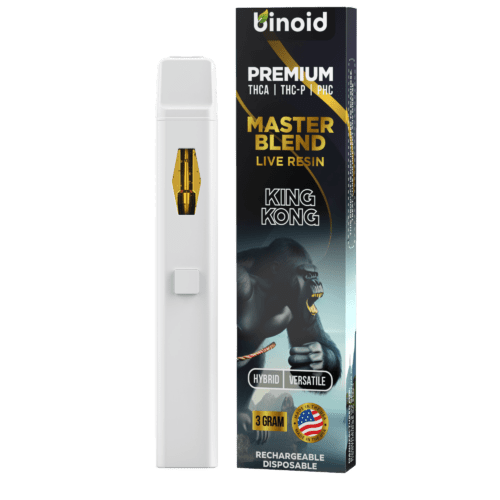
King Kong Master Blend Disposable – 3 Gram
$43.99$59.99 -
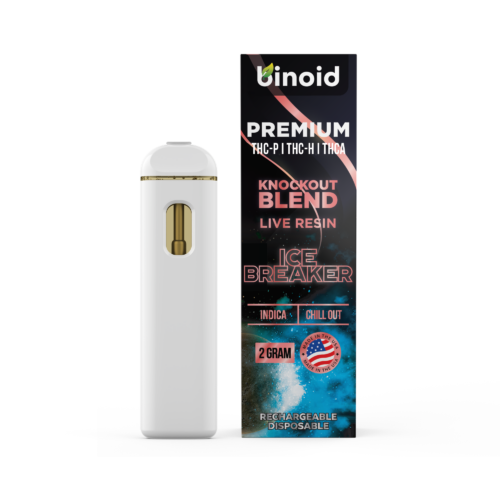
Ice Breaker Knockout Blend Live Resin Disposable – 2 Gram
$33.99$59.99 -
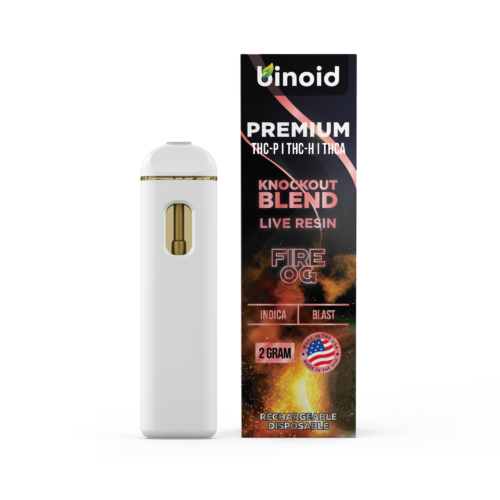
Fire OG Knockout Blend Live Resin Disposable – 2 Gram
$33.99$59.99 -
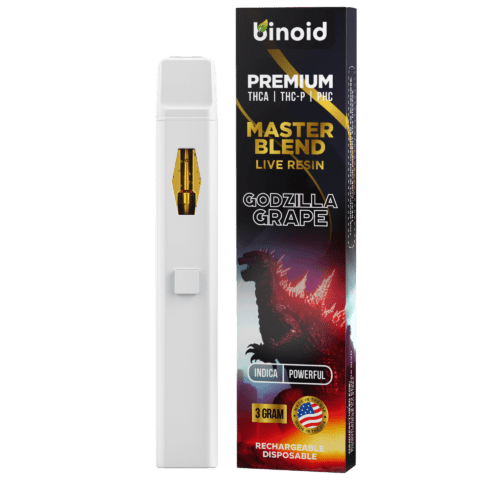
Godzilla Grape Master Blend Disposable – 3 Gram
$43.99$59.99