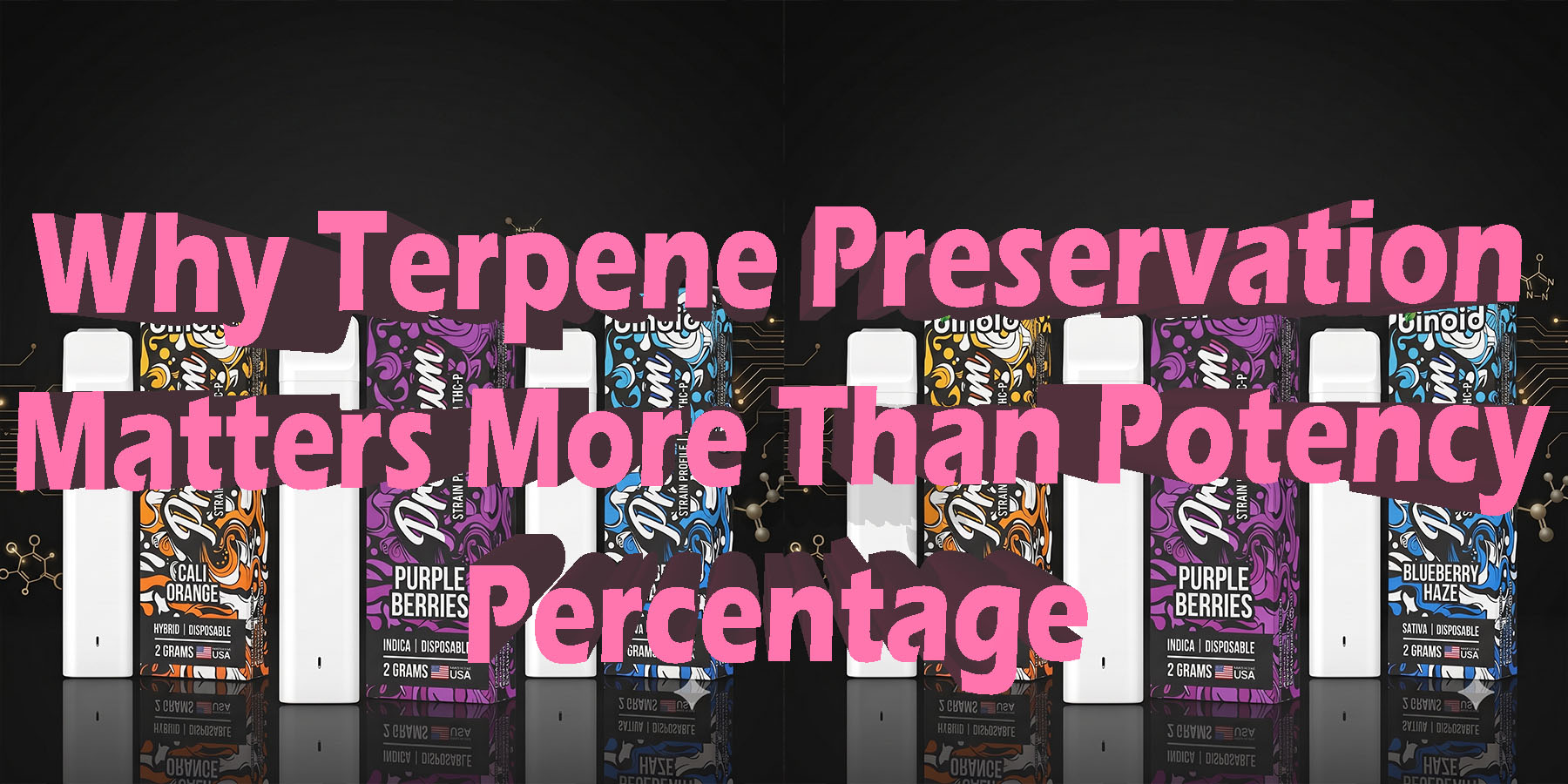
There is a reflexive habit among cannabinoid shoppers, understandable but ultimately limiting, of treating the potency percentage on a product label as the single most important piece of information available — as though a higher number on a vape cartridge or a THCA flower jar is a straightforward proxy for a better experience. This instinct is not entirely unreasonable; potency is, after all, a meaningful and quantifiable metric, and it deserves a place in any serious purchasing decision.
But it is also an incomplete metric, and the consumer who shops exclusively by potency percentage is missing the variable that experienced cannabis enthusiasts have long understood to be at least as important, and arguably more important, in determining whether a product actually delivers a satisfying, well-rounded experience: the terpene profile, and specifically, how well that profile has survived the journey from plant to product.
TO BUY THC PRODUCTS CLICK HERE
Recommended products
-
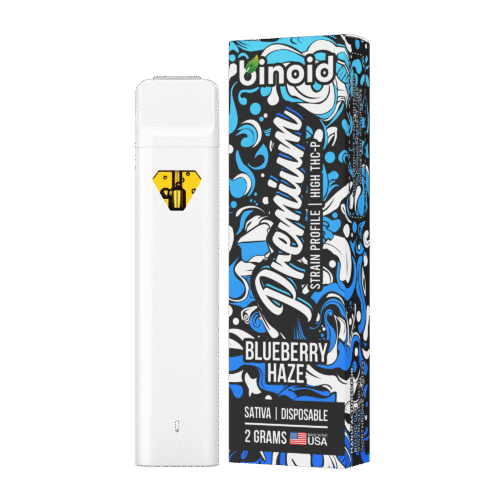
High THC-P 2 Gram Disposable Vape – Strain Series
$41.99$73.99 -
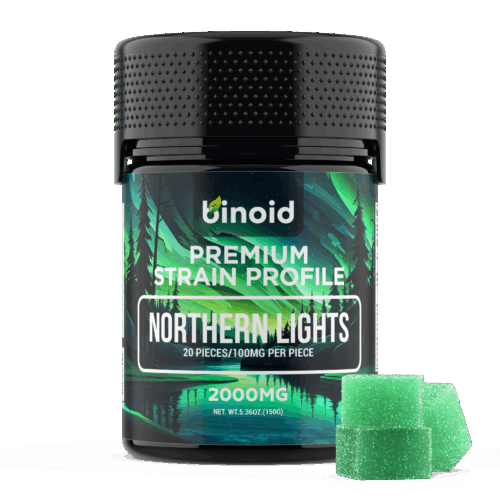
Strain Gummies
$37.99$49.99 -
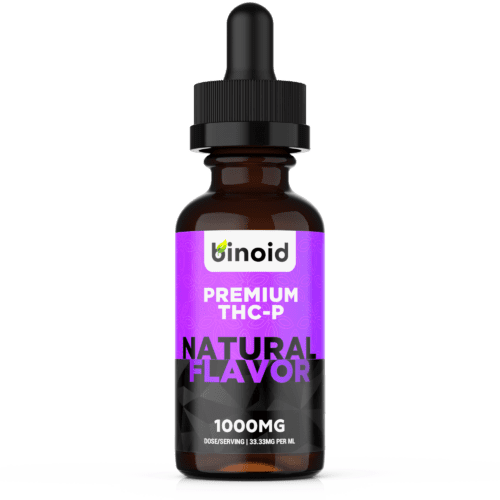
THC-P Tincture – 1000mg
$30.99$79.99 -
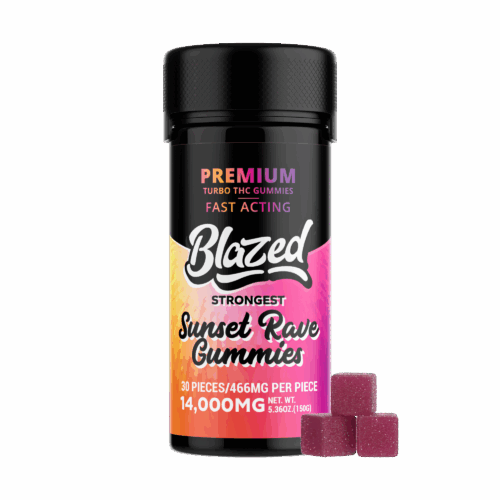
14,000MG Turbo THC Gummies – Blazed
$49.99$84.99
What Terpenes Actually Are, and Why the Plant Bothers Making Them
Terpenes are aromatic hydrocarbon compounds produced in the same trichomes that manufacture cannabinoids, and they are not unique to cannabis — the plant kingdom is saturated with them, from the limonene in citrus peels to the pinene in conifer needles to the linalool found in lavender. In cannabis specifically, terpenes serve an evolutionary function related to pest deterrence and pollinator attraction, but their significance to the consumer has nothing to do with the plant’s evolutionary strategy and everything to do with what they contribute to the finished experience.
Terpenes are responsible for the distinctive aroma and flavor that differentiate one cannabis cultivar from another, and there is a growing body of research suggesting they may also play a modulating role in how a given cannabinoid profile is experienced — the foundational premise behind the entourage effect that has become such a central concept in contemporary cannabinoid science.
What makes terpenes simultaneously so valuable and so vulnerable is the same chemical property: volatility. Terpenes are, almost without exception, low-boiling-point compounds that evaporate readily at room temperature and especially under heat, light, or extended air exposure. This is precisely what makes them detectable to the human nose in the first place — a compound that doesn’t volatilize doesn’t have an aroma. But it also means that terpenes are the first casualty of nearly every stage of the extraction, processing, and storage pipeline that a raw cannabis crop or hemp biomass passes through on its way to becoming a finished cartridge, flower jar, or concentrate. A product can retain an impressively high cannabinoid percentage while having lost the overwhelming majority of its original terpene content, and the consumer holding that product would have no way of knowing this from the potency number alone.
The Extraction Bottleneck: Where Most Terpene Loss Actually Happens
The single most consequential decision point for terpene preservation occurs at the extraction stage, long before a product ever reaches a retail shelf or a Binoidcbd.com product page. Supercritical CO2 extraction, the method that has become the gold standard among serious manufacturers, operates by pressurizing carbon dioxide into a state that behaves simultaneously like a liquid and a gas, allowing it to move through plant material and selectively pull cannabinoids and terpenes without the harsh solvent residues associated with older extraction methods. Even within CO2 extraction, however, there is enormous variance in how carefully the process is calibrated. Aggressive temperature and pressure settings optimized purely for cannabinoid yield can volatilize away a significant percentage of the terpene content in the process, producing a distillate that tests impressively for potency while smelling and tasting like almost nothing at all.
Live resin extraction represents the more terpene-conscious alternative, and understanding why requires appreciating what makes it fundamentally different from standard extraction approaches. Live resin processing begins with plant material that has been flash-frozen immediately after harvest, rather than dried and cured through the standard multi-week process. This matters enormously because drying and curing, while necessary for flower intended for smoking, is itself a significant terpene-loss event — the slow evaporation that occurs during curing is, in a very real sense, terpenes leaving the plant material before extraction has even begun.
By freezing the plant at peak freshness and extracting from that frozen state, live resin processing captures a terpene profile that is dramatically closer to what existed in the living plant, preserving volatile compounds that would otherwise have evaporated during conventional drying. The result, evident in Binoid CBD’s live resin vape offerings, is a noticeably more complex, more true-to-cultivar aromatic and flavor experience than distillate-based alternatives typically deliver, even when the raw potency numbers are comparable.

The Reintroduction Question: Are Your Terpenes Even From Your Product?
A complication that sophisticated consumers need to understand is that not all terpenes present in a finished cannabis or hemp product necessarily originated from that specific plant material. Because terpene loss during extraction is so common and so difficult to fully prevent, a significant portion of the market has adopted the practice of terpene reintroduction — adding terpenes back into a distillate after extraction, either sourced from cannabis itself or, more commonly and more controversially, sourced from botanical extracts of other plants and blended to approximate a target cannabis terpene profile.
This is not inherently deceptive; reintroduced terpenes can produce a pleasant and even accurate-tasting final product, and many reputable brands use this technique transparently as part of their formulation process. The problem arises when reintroduction is used to mask a low-quality or poorly preserved starting extract, essentially painting over a terpene deficit rather than solving it at the source.
The distinction that matters to an informed consumer is not whether reintroduction occurred, but whether the brand is transparent about it and whether the underlying extraction and sourcing practices were sound enough that reintroduction is being used to enhance rather than disguise. This is precisely the kind of nuance that a certificate of analysis with terpene-specific testing can help illuminate, particularly when a brand pairs that documentation with genuine transparency about its formulation methodology rather than treating terpene sourcing as a proprietary secret. Binoid CBD‘s approach across its THCA flower, live resin vape, and concentrate lines emphasizes sourcing quality and extraction discipline specifically so that terpene preservation happens at the source, reducing reliance on reintroduction as a corrective measure rather than an enhancement.
Storage: The Terpene Battle Doesn’t End at the Factory
Even a product that leaves the manufacturing facility with an exceptional, well-preserved terpene profile can lose much of that quality before it ever reaches the consumer’s hands, and this is a variable that shifts responsibility from the brand to the retailer and, ultimately, to the consumer’s own storage habits after purchase. Light, heat, and prolonged air exposure continue to degrade terpene content throughout a product’s shelf life, which is why proper storage — cool, dark, airtight conditions — matters as much for preserving the aromatic and experiential complexity of a THCA flower jar or a live resin cartridge as it does for preserving raw cannabinoid potency. A consumer who purchases a beautifully terpene-rich product from Binoidcbd.com and then leaves it on a sunlit windowsill for several weeks is actively undoing the careful preservation work that happened upstream in the supply chain, and the resulting experience will reflect that mistreatment regardless of what the original COA reported.
This is part of why packaging design has become an increasingly serious consideration for brands genuinely committed to terpene integrity. Opaque, UV-blocking packaging, properly sealed cartridge hardware, and clear consumer guidance about storage conditions all represent an extension of the same quality philosophy that governs extraction and formulation decisions upstream. A brand that invests heavily in live resin extraction and terpene-conscious processing but then ships its products in clear packaging with no storage guidance is undermining its own work at the final and most preventable stage of the journey.
Recommended products
Why This Should Change How You Shop
The practical implication of all this is a genuine recalibration of how a discerning cannabinoid consumer should approach product evaluation. Potency percentage remains a legitimate and useful data point, but it should never be the sole criterion driving a purchasing decision, particularly for flower and vape formats where aromatic and flavor complexity contribute so directly to overall satisfaction. A terpene-rich product with a moderate potency number will frequently deliver a more nuanced, more enjoyable, and more memorable experience than a terpene-stripped product boasting a higher percentage on its label. Learning to read a COA for terpene content specifically, understanding whether a product uses live resin or standard distillate extraction, and asking whether reintroduced terpenes are disclosed transparently are all skills that separate an informed shopper from one simply chasing the biggest number on the shelf.
Binoid CBD‘s product descriptions across its THCA flower, live resin vape, and concentrate categories are built to support exactly this kind of informed evaluation, with terpene profile information presented alongside cannabinoid potency rather than buried beneath it. The consumer who takes the time to evaluate both variables together — asking not just “how strong is this” but “how faithfully does this preserve what the plant actually produced” — is making a more sophisticated purchasing decision, and is far more likely to end up with a product that delivers the kind of layered, aromatic, genuinely satisfying experience that potency numbers alone were never capable of guaranteeing.
TO BUY THC PRODUCTS CLICK HERE
Recommended products
-
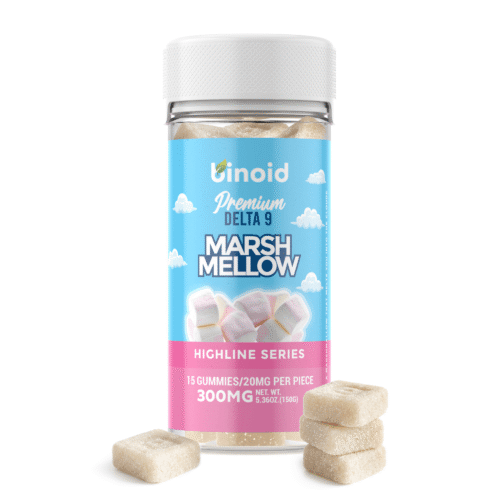
Delta 9 THC Marshmellow
$39.99$49.99 -
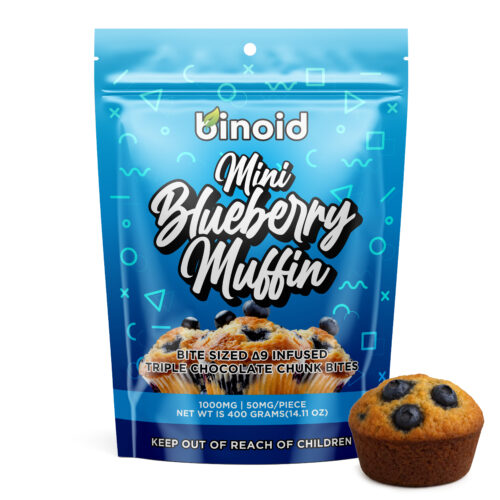
Delta 9 Mini Blueberry Muffin Bites – 1000MG (Limited Supply)
$34.99$39.99 -
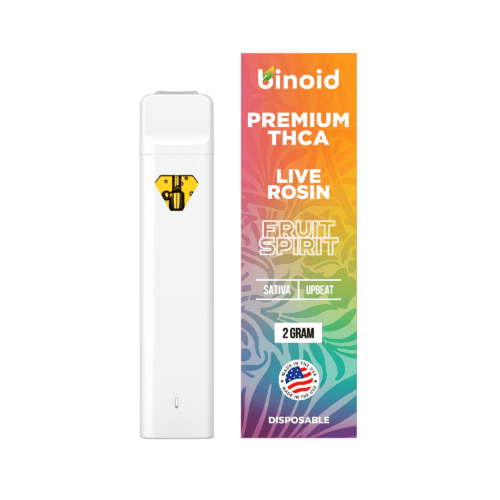
2 Gram THCA Disposable Vapes – Live Rosin
$39.99$73.00 -
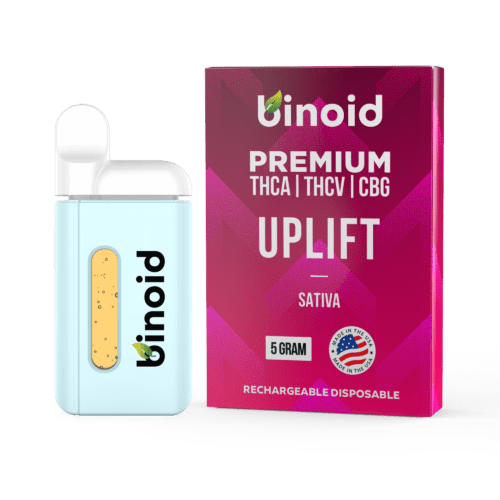
THCV 5 Gram Disposable Vape – Uplift/Unwind
$53.99$69.99