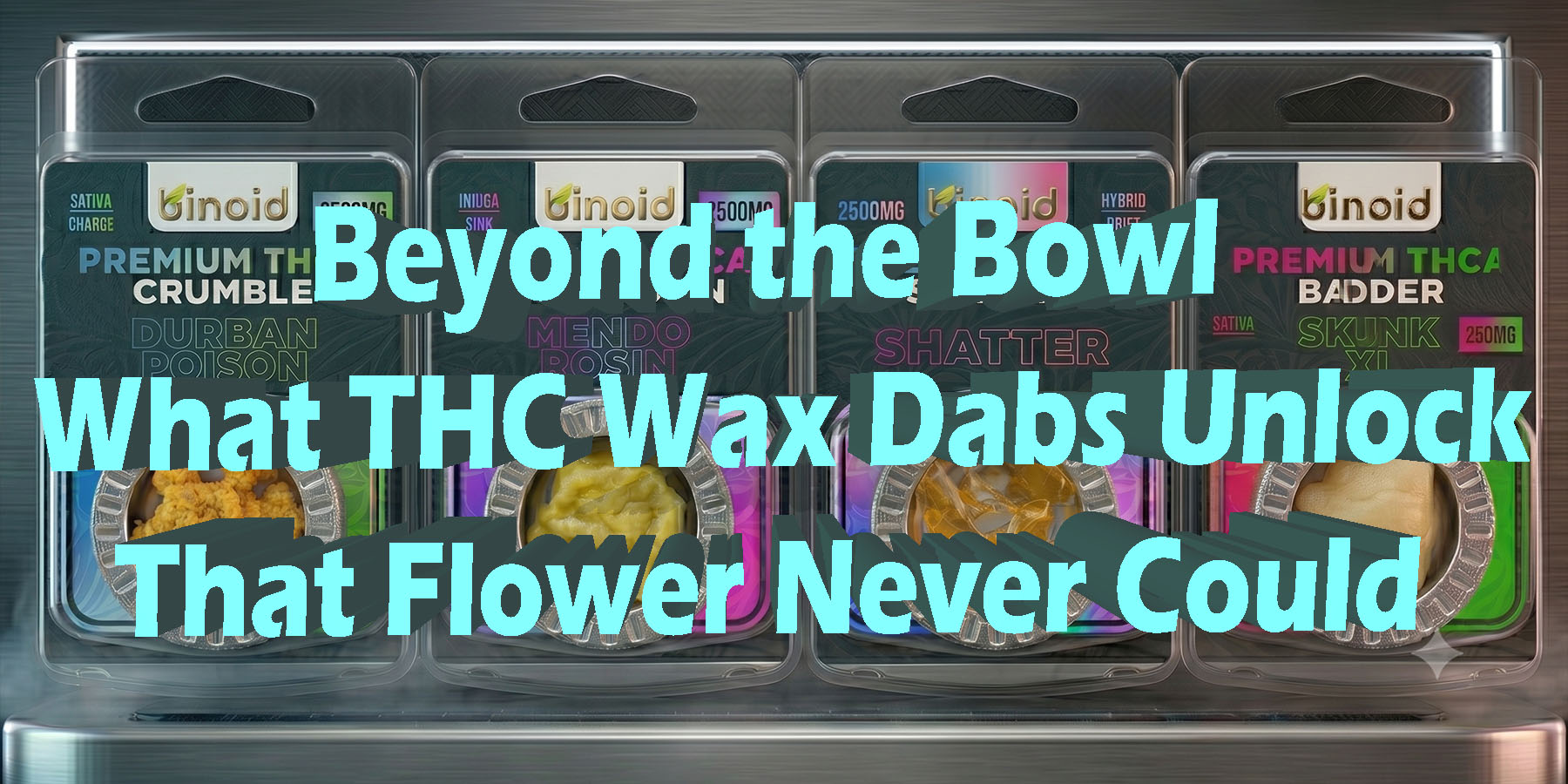
There is a particular kind of reverence that develops among experienced cannabis consumers when the conversation turns to concentrates. It is the same quiet intensity you encounter among serious audiophiles debating amplifier topology, or among single-malt enthusiasts tracing the specific peat character of a coastal Islay distillery. The ritual is different, the vocabulary is different, and the ceiling of the experience is distinctly, sometimes dramatically, higher.
At the center of that conversation equal parts chemistry, craft, and culture is a category of product that has grown from niche subculture curiosity into one of the most technically sophisticated and rapidly evolving segments of the modern cannabis market. THC wax dabs represent something genuinely important in the evolution of how humans engage with the cannabis plant, and understanding what they are, how they work, and what separates the exceptional from the merely potent is one of the more rewarding exercises available to the sophisticated cannabinoid consumer.
To Buy Cannabinoid Wax Dabs Click Here
Recommended products
-
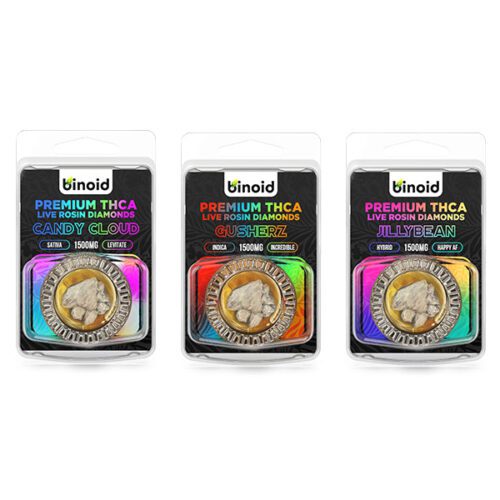
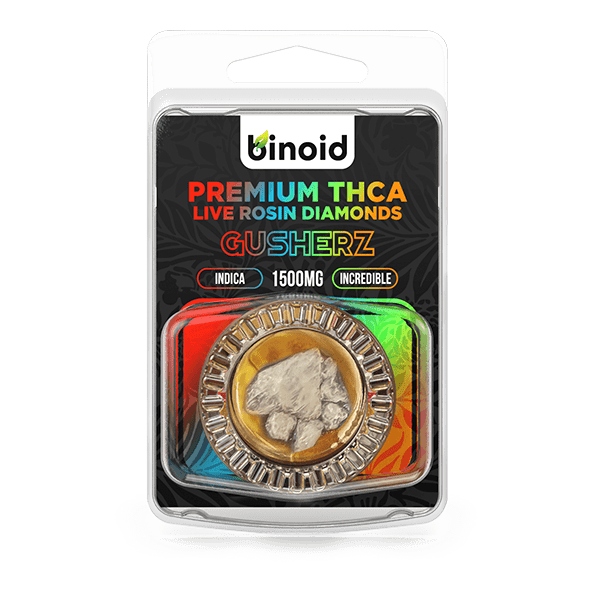
THCA Diamonds 1500mg – Live Rosin
$30.99$59.99 -
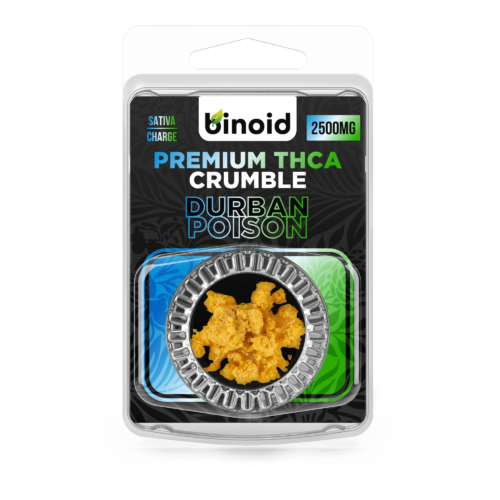
THCA Crumble – 2500mg
$37.99$59.99 -
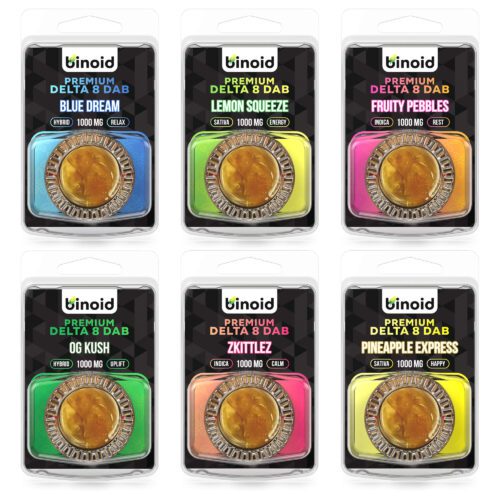
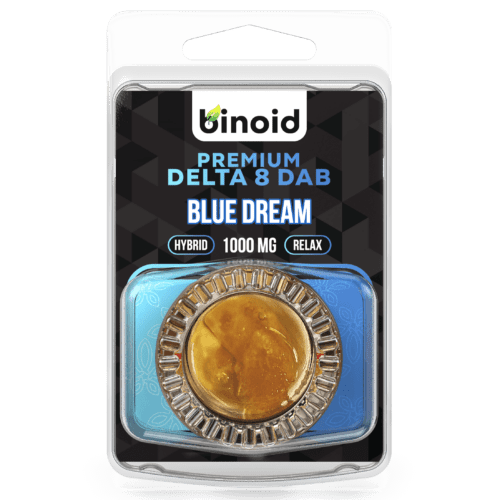
Delta 8 THC Wax Dabs
$25.99$44.99 -
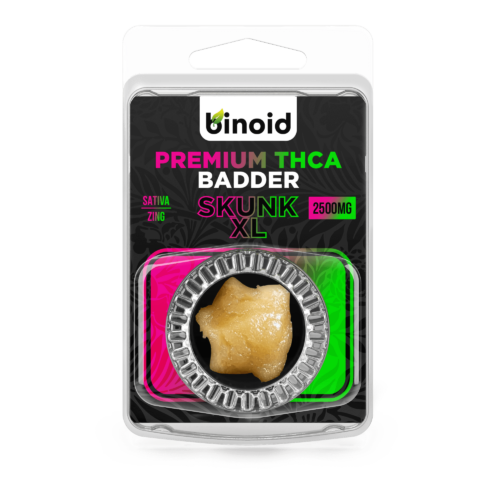
THCA Badder – 2500mg
$37.99$59.99
The Vocabulary Problem: What “Dabs” Actually Means
One of the persistent sources of confusion surrounding this category is terminological. “Dabs” is not a precise chemical descriptor it is a consumption method that has become shorthand for an entire family of concentrated cannabis extracts, each with its own distinct molecular architecture, production methodology, and experiential character. When someone asks what are THC wax dabs, they are, without always realizing it, asking about a universe of products that share a common logic the concentration and isolation of cannabinoids and terpenes from raw plant material but diverge significantly in texture, consistency, potency profile, and the specific extraction science that produced them. Wax is one member of this family.
So are shatter, budder, crumble, live resin, rosin, and the crystalline ultra-pure formations known as THCA diamonds. Each of these names describes a different physical state and, in many cases, a meaningfully different production approach. What unites them is the shared commitment to removing everything from the cannabis plant that isn’t contributing to the experience, and doing so with enough precision that what remains is something qualitatively beyond what flower alone can deliver.
The term “wax” specifically refers to concentrates that have been agitated, whipped, or manipulated during or after extraction in a way that introduces a soft, opaque, slightly malleable texture somewhere between petroleum jelly and soft butter, depending on the specific formulation and storage conditions. This textural outcome is not merely cosmetic. The opacity of wax is the physical signature of a molecular structure that has been intentionally destabilized from the glass-like, highly ordered arrangement of molecules found in shatter, producing a product that is easier to handle with a dab tool, more forgiving in cold conditions, and often regarded by experienced consumers as more aromatic than its clearer, more brittle counterparts because the agitation process can help preserve volatile terpene compounds that would otherwise be lost to evaporation in a longer purging cycle.
The Extraction Foundation: How Concentration Becomes Art
To genuinely understand THC wax dabs, you have to start with the extraction process, because the ceiling of what any concentrate can be is set at the molecular level long before it reaches a dab nail or a vaporizer coil. The two primary pathways to concentrate production are solvent-based extraction and solventless extraction, and they represent genuinely different philosophies about how to liberate cannabinoids and terpenes from plant biomass.
Solvent-based approaches using hydrocarbons like butane or propane, or the industry-preferred supercritical CO2 extraction method work by passing a solvent through cannabis material in a way that selectively dissolves the target compounds, which are then separated from the solvent through a purging process that ideally leaves behind an extract of extraordinary purity. The quality of both the starting material and the purging execution is everything here; residual solvent contamination in an improperly processed concentrate is a genuine safety concern and the precise reason that third-party laboratory testing for residual solvents is a non-negotiable standard among the brands worth taking seriously.
Supercritical CO2 extraction deserves particular attention in this context, because it has emerged as the gold standard methodology for operations that prioritize both purity and consistency. In supercritical state, CO2 functions simultaneously as a liquid and a gas, achieving exceptional solubilizing efficiency across the full spectrum of cannabinoids and terpenes while leaving behind no residual solvent in the finished extract the CO2 simply returns to gaseous form and dissipates when pressure is released.
The capital requirements for supercritical CO2 infrastructure are substantial, which is part of why this approach is more commonly found in established, professional-grade manufacturing operations than in smaller-scale or less investment-intensive extraction setups. When BinoidCBD.com specifies the extraction methodology behind their concentrate products, the commitment to this standard is not incidental it is foundational to the molecular integrity that distinguishes their catalog from the broader market.
Solventless extraction, represented primarily by rosin pressing a technique that uses precisely controlled heat and pressure to mechanically separate trichome resin from plant material without any chemical solvents occupies a different but equally respected position in the concentrate ecosystem. The appeal is philosophical as much as chemical: a product made without solvents carries a certain purity provenance that resonates powerfully with the growing segment of the cannabis consumer population that applies the same scrutiny to their cannabinoid products as they do to their food sourcing. The trade-off is yield efficiency and scalability, which is why solventless concentrates typically command a premium over solvent-extracted counterparts and why the quality of the starting flower is even more determinative of the final result.
The Terpene Dimension: Why “High-THC” Is Only Half the Story
The conversation around what are THC wax dabs has been distorted, in the popular imagination, by an almost exclusive focus on potency the percentage THC number that appears on a certificate of analysis and that too many consumers have been conditioned to treat as the primary, or even sole, quality indicator. This is a reductive and ultimately self-defeating approach to concentrate evaluation, because it ignores the compound class most responsible for the experiential differentiation between products that test at similar THC concentrations: terpenes.
These volatile organic compounds the aromatic molecules that give specific cannabis cultivars their distinctive sensory signatures are not passive passengers in the cannabinoid experience. They are active participants, interacting with the endocannabinoid system and other receptor systems in ways that shape the qualitative character of the effect in ways that THC concentration alone cannot predict or replicate.
The live resin category of concentrates represents the most explicit acknowledgment of terpene primacy in production methodology. Unlike wax or shatter made from dried and cured cannabis material, live resin is produced from plant biomass that has been flash-frozen immediately after harvest a process that locks the full volatile terpene profile in place before the drying and curing process can allow the most aromatic, most experientially significant compounds to evaporate. The result is a concentrate with an aromatic intensity and experiential complexity that cured-material extracts rarely match. Binoid CBD’s live resin-infused concentrate offerings reflect precisely this understanding the recognition that capturing the plant at the peak of its terpene expression is not a luxury refinement but a fundamental quality commitment, one that begins at the harvest moment and requires cold-chain discipline through every subsequent production stage.
Myrcene, limonene, caryophyllene, linalool, pinene these are not marketing terms. They are specific molecular entities with documented receptor affinities and well-characterized sensory profiles that experienced concentrate consumers have learned to read with the same fluency that a sommelier brings to identifying grape variety through aromatics. A wax with a myrcene-dominant terpene profile will deliver a different experiential quality than a nominally equal-potency wax built around a limonene and pinene-forward cultivar, and the consumer who understands this distinction is operating with a significantly more sophisticated and reliable framework for product selection than one focused entirely on the THC percentage.
Recommended products
-
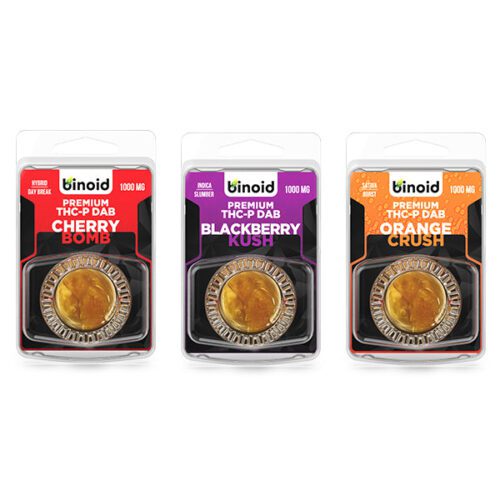
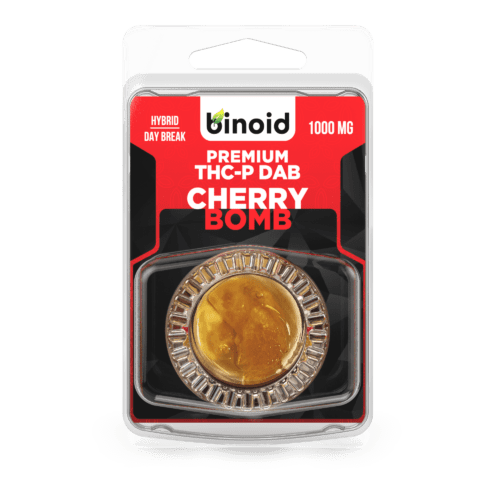
THC-P Wax Dabs
$29.99$57.99 -
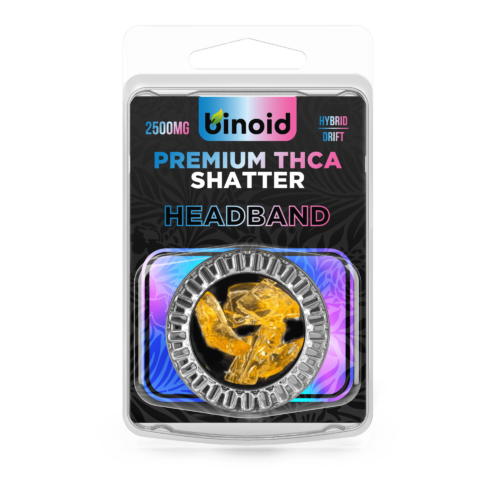
THCA Shatter – 2500mg
$37.99$59.99 -
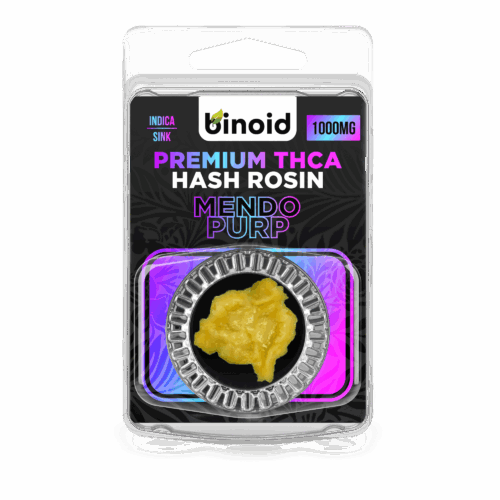
THCA Hash Rosin Dabs – 1000mg
$33.99$59.99 -
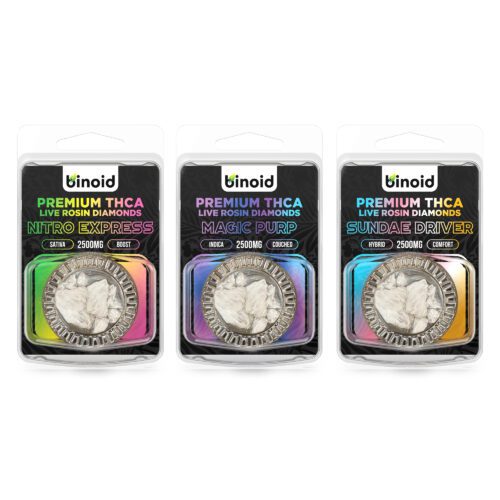
THCA Diamonds 2500mg – Live Rosin
$37.99$59.99
The Hardware Equation: Dab Rigs, E-Nails, and the Temperature Variable
The consumption method is not separable from the experience of THC wax dabs in the way that, say, the drinking vessel is separable from the experience of wine. Temperature is everything in concentrate consumption, and the hardware you use to introduce heat to the product is the primary variable determining whether you access the full terpene and cannabinoid expression of a premium concentrate or incinerate it into a harsh, inefficient approximation of what the product was designed to deliver.
Traditional dab rigs water-cooled glass apparatus that function on the same fundamental principle as a bong, but fitted with a quartz or ceramic banger or nail that is heated by a torch remain the preferred consumption vehicle for serious concentrate enthusiasts because they offer direct control over every relevant variable: the material of the heating surface, the heat retention characteristics of the apparatus, the water filtration profile, and the temperature at which the concentrate contacts the hot surface.
Low-temperature dabbing the practice of allowing a heated quartz banger to cool to a range typically between 350°F and 450°F before introducing concentrate has emerged as the clear consensus methodology among connoisseurs because it preserves the terpene fraction that would be destroyed at the higher temperatures that produce larger, more immediately dramatic vapor clouds. A low-temp dab from a premium live resin wax produces a vapor that is aromatic, flavorful, and qualitatively complex in a way that high-temp consumption simply cannot replicate. The cloud is smaller, the aesthetic less theatrical, and the experience considerably more nuanced which is exactly the tradeoff that the consumer who has moved beyond treating potency as the only variable worth optimizing will find immediately compelling.
Electronic nails (e-nails) and purpose-built concentrate vaporizers have introduced unprecedented temperature precision into the consumption equation, allowing the consumer to dial in an exact temperature setting and maintain it consistently across a session rather than relying on the cooling estimation required with a torch-heated banger. For the consumer who wants the experiential benefits of low-temperature dabbing without the learning curve of torch technique, this hardware category represents a genuinely meaningful upgrade and it is one that pairs particularly well with the premium concentrate formulations available through BinoidCBD.com, where the molecular integrity of the product justifies the investment in hardware capable of honoring it.
THCA Diamonds: The Pinnacle of Concentration
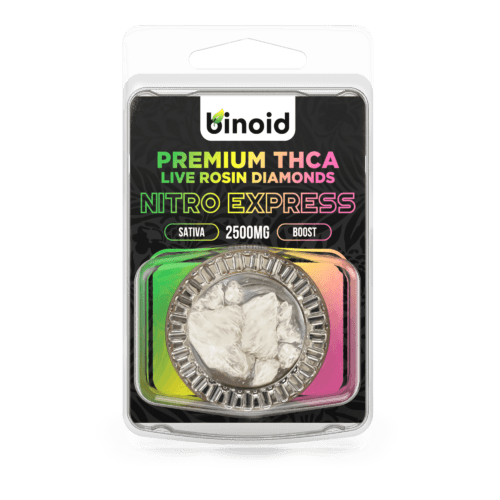
No guide to THC wax dabs and the broader concentrate category is complete without a serious engagement with THCA diamonds the crystalline, ultra-pure concentrate format that represents the current technical summit of what licensed hemp-derived cannabinoid extraction can produce. Diamonds form through a controlled nucleation process in which a supersaturated solution of THCA in terpene-rich extract is allowed to crystallize over time, producing geometric crystalline structures of tetrahydrocannabinolic acid that can test at 95% THCA or higher while retaining, when properly produced, a coating or accompanying “sauce” of high-terpene extract that restores the experiential complexity that pure isolation would otherwise sacrifice.
The result is a product that is simultaneously the most potent and, at its best, among the most terpene-expressive forms of concentrate available a combination that sounds paradoxical until you understand that the diamonds themselves are the potency vehicle and the surrounding terpene fraction is the experiential architecture through which that potency is expressed.
Because THCA does not convert to delta-9 THC until decarboxylation occurs until heat breaks the carboxyl group from the molecule, releasing CO2 and completing the transformation diamonds exist in a pre-active state that is, in their raw crystalline form, non-intoxicating and federally compliant as a hemp-derived product under the 2018 Farm Bill’s definition, provided the delta-9 THC concentration remains below the 0.3% threshold. The moment a diamond contacts a heated dab nail or vaporizer surface, decarboxylation occurs instantaneously, and the consumer is engaging with a nearly pharmaceutical concentration of delta-9 THC.
This is not a product for anyone building their tolerance from the ground floor. It is, explicitly, a product for the experienced consumer who has developed a precise and honest understanding of their own cannabinoid response and who values the near-architectural purity of a compound reduced to its essential molecular identity. Binoid CBD has positioned itself as the appropriate home for exactly this consumer, offering diamond and concentrate formats alongside the product education and batch-specific COA documentation necessary for making genuinely informed decisions at the high end of the potency spectrum.
The Quality Threshold: Why the COA Is the First Thing to Read
The certificate of analysis issued by an independent, ISO 17025-accredited laboratory — occupies a position in the concentrate purchasing decision that is even more critical than it is for flower or edibles, because the concentration process amplifies whatever is present in the starting material. Heavy metals, pesticide residues, and residual solvents that might exist at trace levels in a raw hemp crop will be present at elevated concentrations in an extract derived from that crop, and the only objective evidence that a concentrate product has been tested for these contaminants and found clean is a current, batch-specific COA from a credentialed laboratory.
The responsible consumer’s first act upon encountering a concentrate they have not previously purchased should be to locate and read that document before anything else. Potency numbers are relevant. Terpene profiles are interesting. Purity and safety data are non-negotiable, and any brand that does not make current, batch-matched COAs readily accessible has told you everything you need to know about their relationship with accountability.
BinoidCBD.com publishes batch-specific laboratory documentation across its entire concentrate portfolio THCA wax, live resin, diamonds, and related formats in a format designed for genuine consumer comprehension rather than performative compliance. The cannabinoid potency panel, the residual solvent analysis, the heavy metal screening, and the pesticide testing results are all present and accessible, reflecting the same supply chain transparency philosophy that governs every other product category in the Binoid catalog. This is the standard the concentrate category demands, and it is the standard against which every competing product regardless of its packaging aesthetics or its marketing vocabulary should be measured without sentiment.
The Informed Entry Point
The consumer approaching THC wax dabs and the broader concentrate universe for the first time or approaching it with fresh intentionality after years of treating potency as the primary selection criterion is standing at the threshold of a product category that rewards knowledge, respects experience, and consistently delivers experiences unavailable through any other format. The science is real, the craft is genuine, and the ceiling, for the consumer willing to engage both with intellectual curiosity and appropriate personal calibration, is higher than almost anything else the cannabis plant currently offers. What the market at BinoidCBD.com provides is not just access to that ceiling, but the documentation, the transparency, and the product range to approach it responsibly which is, in the end, the only way that any experience worth having should be approached.
To Buy Cannabinoid Wax Dabs Click Here
Recommended products
-
THCA Diamonds 1500mg – Bundle
$86.99$137.99 -
THCA Diamonds 2500mg – Bundle
$102.99$169.99 -
Binoid Delta 8 THC Wax Dabs – Bundle
$110.99$179.99 -
THC-P Wax Dabs – Bundle
$79.99$137.99