In the rapidly accelerating timeline of the cannabis culture evolution, we have officially moved past the era of “mystery bags” and basement-dweller tropes. We are living in a high-fidelity age where the molecular potential of the hemp plant is being decoded with surgical precision. For the modern enthusiast, the conversation is no longer just about “getting high”; it is about “getting right.” This shift toward intentionality has created a fascinating crossroads between two of the most popular hemp derived cannabinoids on the market today: the wellness-centric CBD and its euphoric, chilled-out cousin, Delta 8 THC.
Choosing between these two isn’t about which one is “better”—it’s about which one fits the specific rhythm of your life. While they share a common botanical home, they interact with your internal architecture in fundamentally different ways. One offers a “silent” support system for the daily grind, while the other provides a gentle, weightless lift that colors the world without blurring the edges. In this deep-dive feature, we are stripping away the jargon to explore the great divide between CBD and Delta 8, and how brands like Binoid CBD are leading the charge in bringing these high-purity tools to your doorstep through professional-grade tinctures, gummies, Disposables, and cartridges.
To Buy CBD Products Click Here
The Molecular Baseline: What is CBD?
To understand the comparison, we must first look at the bedrock of the modern hemp movement: Cannabidiol, or CBD. Unlike the various forms of THC, CBD is entirely non-psychoactive. It is the “non-intoxicating” heavyweight of the plant, prized for its ability to interact with the human endocannabinoid system (ECS) without triggering a change in sensory perception. If the cannabis plant were an orchestra, CBD would be the conductor—it doesn’t play a loud, distorted solo; instead, it ensures every other instrument is in tune and playing at the right volume.
Biologically, CBD is a unique player because it doesn’t bind directly to the CB1 receptors in the brain, which are the primary “locks” for the “high” feeling. Instead, it acts as a modulator. It influences the body to use more of its own internally produced endocannabinoids, like anandamide (the “bliss molecule”). This is why users of Binoid CBD tinctures often report a sense of “grounding” or “balance.” It is a functional tool that supports the body’s natural state of homeostasis. In the current cannabis culture evolution, CBD has become the definitive choice for the “Always-On” professional or the athlete who needs to stay sharp, sober, and centered while managing the stressors of a high-performance life.
The Gentle Lift: What is Delta 8 THC?
On the other side of the spectrum lies Delta 8 THC. While it is an isomer of the more famous Delta 9, Delta 8 occupies a unique middle ground. It is psychoactive, but it is often described as “THC with training wheels.” Because the double bond in its molecular structure is located on the eighth carbon chain rather than the ninth, it binds to the CB1 receptors with a lower affinity. This results in a high that is significantly more manageable and less “racy” than traditional cannabis.
Delta 8 represents the “Chill” factor of the hemp plant. It provides a distinct sense of weightless euphoria and a mild physical “body hum,” but it lacks the intense mental fog or the potential for paranoia that can sometimes accompany higher-potency THC. For many in the cannabis culture evolution, Delta 8 is the perfect “Happy Hour” cannabinoid. It offers a way to decompress after a long day without being completely “couch-locked.” Whether delivered via high-vapor cartridges or precisely dosed gummies, Delta 8 provides a shift in perspective that remains tethered to reality.
The Intensity Gap: Silence vs. Song
The primary point for any consumer to grasp is the “Effect Gap.” CBD is “silent.” You don’t “feel” CBD kick in like you do a cup of coffee or a glass of wine. Instead, you notice its presence through the absence of negatives—the absence of mental static, the absence of physical tension, or the absence of that “on-edge” feeling during a busy Tuesday. It is a subtle, background process that works in the peripheral.
Delta 8, however, is a “song.” It has an onset, a peak, and a comedown. When you take a puff of a Binoid CBD Delta 8 disposable, you are initiating a session. There is a perceptible change in your mood, your appreciation for music, and your physical comfort. It is an active experience. For those who are sensitive to Delta 9 or those who want to integrate hemp derived cannabinoids into their social life without feeling overwhelmed, Delta 8 offers a “middle path.” It is the bridge between the absolute sobriety of CBD and the total immersion of traditional THC.
Deciphering the Endocannabinoid Connection: CB1 vs. CB2
To truly understand why Delta 8 and CBD feel so different, we have to look under the biological hood at the Endocannabinoid System (ECS). The ECS is a vast network of receptors found throughout the human body, but they are generally grouped into two categories: CB1 and CB2. CB1 receptors are densely packed in the central nervous system and the brain; they are the primary targets for psychoactive compounds. CB2 receptors, on the other hand, are largely found in the immune system and peripheral tissues.
Delta 8 THC is a direct “agonist” of the CB1 receptor. This means it physically clicks into the receptor like a key into a lock, turning on the psychoactive signals that result in euphoria. However, because of its unique molecular bond at the eighth position, it doesn’t “turn the key” as hard as Delta 9 does. This is why Delta 8 is often reported as having roughly 50% to 70% of the potency of standard THC. It’s a softer engagement of the brain’s reward system, which is why users at binoidcbd.com often choose Delta 8 for relaxation without the risk of overstimulation.
CBD, conversely, is an “allosteric modulator.” It doesn’t try to force its way into the CB1 lock. Instead, it sits on the side of the receptor and changes its shape, making it harder for other molecules (like THC) to bind to it. This is why CBD is famously used to “level out” a high that has become too intense. Furthermore, CBD has a high affinity for CB2 receptors, which is where its reputation for systemic balance and physical recovery comes from. In the cannabis culture evolution, understanding this receptor “dance” is the difference between a random experience and a curated ritual.

The 2026 Regulatory Landscape: Total THC and Compliance
As we navigate the year 2026, the hemp industry is facing its most significant legislative shift since the 2018 Farm Bill. For years, the market flourished under the “Delta 9” loophole, which defined legal hemp solely by its Delta 9 THC content. However, the Continuing Appropriations and Extensions Act of 2026 (signed into law in late 2025) has fundamentally redefined what constitutes legal hemp at the federal level.
The new standard is “Total THC,” which combines Delta 9, THCA, and—most crucially—isomers like Delta 8 into a single measurement. Furthermore, the law has introduced a strict 0.4mg “Total THC” cap per finished product container for many categories. This has sent shockwaves through the industry, forcing a “Great Decoupling” where many popular high-potency products are being moved into more restricted tiers or reformulated entirely.
This is where the reliability of Binoid CBD becomes an essential asset for the consumer. While other brands are scrambling to interpret the 2026 guidelines, Binoid has remained at the forefront of compliance, ensuring that every tincture and gummy found on binoidcbd.com is backed by an ISO-accredited lab report. These lab results, or Certificates of Analysis (COAs), are the only way to verify that your product meets the current 0.3% “Total THC” dry-weight standards or the specific milligram-per-package limits. In an era of increasing federal scrutiny, the COA is the consumer’s “Receipt of Purity,” guaranteeing that the high-fidelity experience you’re paying for is also a legally safe one.
Hardware and Habits: Tinctures, Gummies, and Disposables
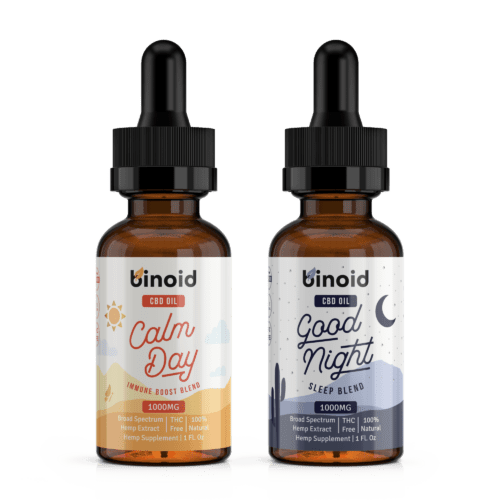
The delivery method you choose fundamentally alters how these molecules interact with your day, and the digital shelves of Binoid CBD offer a masterclass in variety. Tinctures remain the gold standard for those seeking precision and long-term balance. Dropping a CBD oil under the tongue allows for sublingual absorption, providing a steady, reliable baseline for hours. It is the choice for the disciplined user who views their cannabinoid intake as a foundational part of their wellness routine.
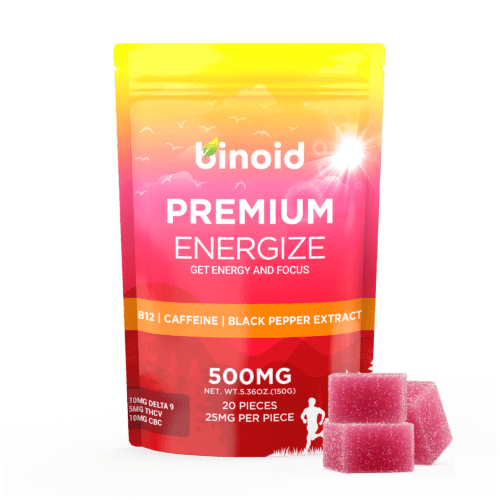
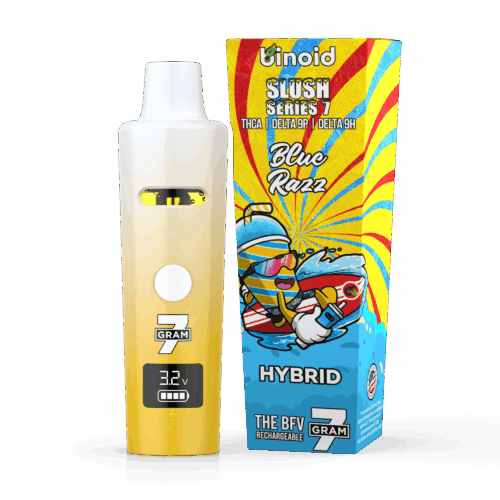
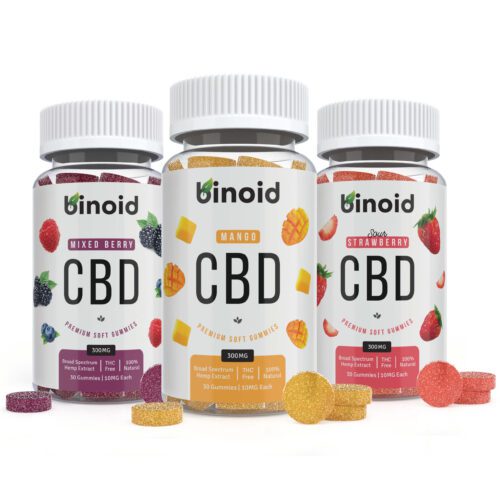
For those who prioritize convenience and taste, gummies are the ultimate habit-builder. Ingesting Delta 8 or CBD means the cannabinoids pass through the liver, where they are converted into a more potent and long-lasting form. A Delta 8 gummy provides a “marathon” experience—a slow, steady ascent into relaxation that can last for 6 to 8 hours. Conversely, Disposables and cartridges are the tools of the “instant” era. They provide near-instant feedback, allowing the user to “titrate” their dose puff-by-puff. This is perfect for the fast-paced modern lifestyle where flexibility is key and discretion is paramount.
The Entourage Effect: Why “Better Together” is the New Standard
As we navigate the cannabis culture evolution in 2026, the industry is moving away from “Isolates” and toward “Full Spectrum” thinking. This is known as the Entourage Effect—the idea that cannabinoids like CBD and Delta 8 work more effectively when they are combined with other plant compounds like terpenes and minor cannabinoids (CBG, CBN, CBC).
A Delta 8 product that includes a significant percentage of CBD is a masterclass in balance. The CBD acts as a “buffer,” smoothing out the psychoactive edges of the Delta 8 and preventing any over-stimulation. Together, they offer a high-fidelity experience that is both immersive and grounding. Many of the premium vapes found on binoidcbd.com utilize these “Blended Stacks” to provide a more sophisticated, well-rounded high. It proves that the plant’s true power lies in its complexity, not just its individual components.
The Psychology of Choice: Why “Purpose-Driven” Consumption Wins
In our high-velocity society, many enthusiasts no longer have the luxury of “checking out” for hours at a time. This reality has significantly influenced the cannabis culture evolution. We are seeing a move toward “Purpose-Driven” consumption—choosing your cannabinoid based on the task at hand.
Consider the “Cognitive Cycle” of a modern professional. In the morning, the goal is clarity and a reduction in the “mental noise” that can sabotage productivity. This is the domain of Binoid CBD broad-spectrum tinctures. By flooding the ECS with non-intoxicating CBD, the user creates a stable neurological platform, allowing for sustained focus and a calmer response to workplace stressors. There is no “buzz” to manage, only a sense of baseline stability.
As the sun sets and the demands of the “Performative Self” begin to fade, the goal shifts toward decompression. This is where Delta 8 shines. Reaching for a Delta 8 disposable or a pack of high-potency gummies signifies the transition from “Work Mode” to “Home Mode.” The gentle euphoria acts as a sensory reset, helping the user unplug from the digital grind and reconnect with their immediate environment—whether that’s cooking a meal, enjoying a film, or simply practicing the art of doing nothing. This ability to “toggle” your internal state with molecular precision is the greatest gift of the modern hemp era.
Sourcing and Purity: The Foundation of the Experience
With the rapid expansion of the hemp derived cannabinoids market, the “sourcing gap” has become a critical issue. Not all hemp is created equal. The plant is a “bioaccumulator,” meaning it draws everything from the soil into its stalks—including heavy metals and toxins if the soil is contaminated. In 2026, the sophisticated consumer knows that a “cheap” gummy often comes with a high biological cost.
This is why Binoid CBD has established itself as a safe harbor in a crowded market. By sourcing organic, domestically grown hemp and utilizing clean CO2 extraction methods, they ensure that the “Soul” of the Delta 8 and the “Stillness” of the CBD are not obscured by chemical residues. When you purchase from binoidcbd.com, you aren’t just buying a molecule; you are buying a process. You are buying the peace of mind that comes from knowing your cartridges and Disposables have been purged of all residual solvents and are free from the synthetic vitamin E acetates that plagued the early “gray market” industry.
The Future of Fusion: Beyond CBD and Delta 8
As the cannabis culture evolution pushes forward, we are seeing the rise of “Secondary Synergies.” While the debate of Delta 8 vs. CBD is the current baseline, the next frontier involves minor cannabinoids like CBG (the “Stem Cell” of cannabinoids) and CBN (the “Sleep Molecule”). By layering these compounds onto a CBD or Delta 8 base, brands are creating “Mood-Specific” formulations.
-
For Energy: A blend of CBD and CBG can provide a bright, alert focus that rivals a double-shot of espresso without the caffeine jitters.
-
For Sleep: A combination of Delta 8 and CBN creates a profound, “weighted blanket” effect, ideal for those who struggle with a racing mind at midnight.
-
For Recovery: High-potency CBD paired with CBG and CBC offers a systemic physical “reset,” perfect for post-training inflammation management.
Through the innovative “Master Blends” found at Binoid CBD, the modern consumer is becoming their own internal chemist, choosing the specific ratios that unlock their highest potential. We have moved from a world of “indica vs. sativa” to a world of “Milligrams and Molecules.”
Final Thoughts: Finding Your Ground in the High-Fidelity Era
The debate between Delta 8 and CBD isn’t about a winner and a loser—it’s about the “Speed” and the “Stillness.” We are no longer living in an era of botanical guesswork; we are living in an era of molecular choice. Through the innovation found at Binoid, we have the power to decide exactly how we want to navigate our days, whether we want the reliable, silent support of CBD or the warm, weightless lift of Delta 8.
Whether you are seeking the grounding sobriety of a CBD cartridge or the playful journey of a Delta 8 gummy, the goal remains the same: a safe, high-quality, and intentional experience. The cannabis culture evolution is a journey toward self-optimization, and these two molecules are your primary navigation tools. So, check your local regulations, grab a trusted lab report from Binoid CBD, and find the frequency that resonates with your life. The high-fidelity era is here, and the spectrum of serenity is wider than ever.
To Buy Delta 8 THC Products Click Here
Recommended products
-
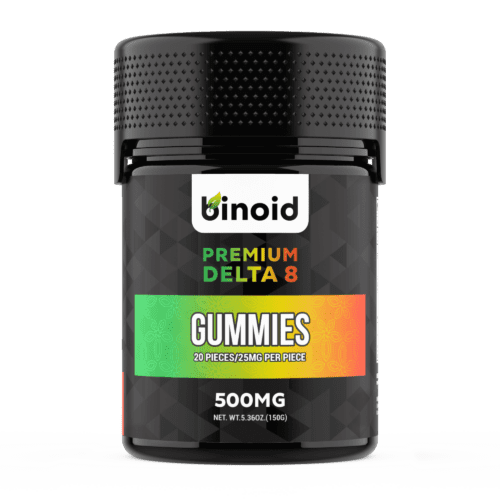
Delta 8 THC Gummies
$29.99$44.99 -
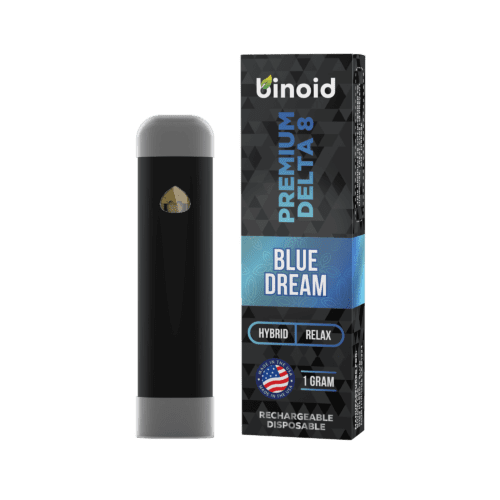
Delta 8 THC Rechargeable Disposable Vape
$26.99$54.99 -
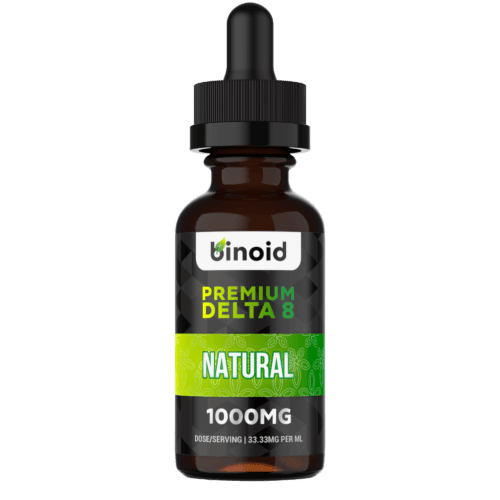
Delta 8 THC Tincture (1000mg, 2500mg, 5000mg)
$25.99$44.99 -
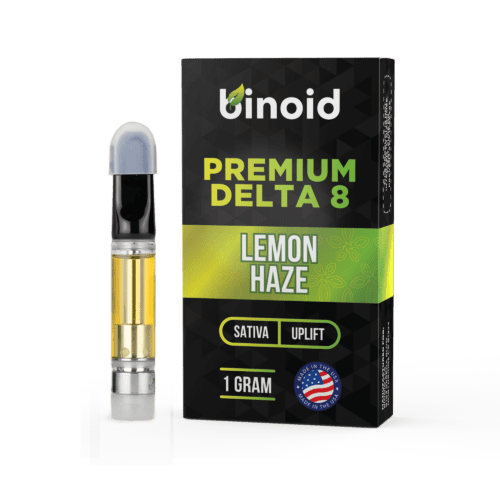
Delta 8 THC Vape Cartridge – Lemon Haze
$26.99$54.99